 English
 русский
 عربى
عربى Español
Qinlang focuses on providing high-quality products and considerate services, and is committed to meeting every expectation of our customers.
The DKT-133 Cooling Ventilation Double Inlet Air Conditioning Fan is d...
See Details
Air motion is essential to keep many systems efficient and reliable. Adequate ventilation, from industrial machinery to electronic housing, prevents overheating, reduces the wear of components and keeps the operation safe. Among all kinds of solutions, the standard square axial fan has been widely used because of its practicality and adaptability. Knowing the reasons for using them and choosing the correct one will help ensure that they run smoothly and minimize maintenance problems.
1. Simple Design and Practical Installation
A standard square axial fan generally comprises a square frame, a central motor, and a vane that moves the air along the rotational axis. This simple construction allows easy installation into a panel, enclosure, or machine housing without additional components. Square is a natural alignment with a flat mounting surface, so you don't have to have a custom mount or adapter. Simplicity also facilitates routine replacement or maintenance, which is an advantage for systems that need to operate continuously.
2. Adaptability Across Applications
Square axial fans are used in a range of applications:
Their compact design allows them to function efficiently in both open and confined spaces. Because airflow is linear, they are especially effective in applications where air needs to move directly across components or through enclosures.
3. Consistent Airflow for Temperature Control
One of the main reasons for using a standard square axial fan is that it provides a stable air flow. Constant airflow helps to distribute heat evenly, reducing the risk of hot spots. This is especially important in an electronic enclosure or control panel, as uneven air flow can cause early failure of components. Square axial fans enable engineers to make reliable plans for cooling strategies, even when multiple fans are used at the same time.
4. Cost and Operational Efficiency
The square axial fan is more economical than the more complicated one. The simplicity of the design enables cost effective manufacturing, with minimal maintenance requirements. Additionally, the replacement of a fan usually requires only basic tools, which reduces labor costs and operating downtime. This efficiency is valuable for an installation that manages a plurality of systems in order to keep the long term operating costs manageable.
5. Standardization and Availability
Standard square axial fans are designed in accordance with generally accepted industry standards. The size of the installation, the size of the frame, and the layout of the blades are the same, which guarantees the easy availability of replacements and upgrades. Standardization makes it possible for engineers to design systems without having to build them, and it also makes it easier for the maintenance department to manage the inventory.
6. Quiet Operation
Although not totally quiet, square axial fans can work quietly when required by air flow. The design of the blade and the choice of the motor can minimize the vibration and noise, so it can be used in an environment in which a moderate level of noise is essential. Selecting a suitable fan for an installation in the vicinity of a workspace or a public space can help to balance the air flow and noise.
7. Durability in Typical Conditions
Many square axial fans are designed to withstand normal operating conditions, including moderate exposure to dust and humidity. The material is chosen to balance the weight, the strength, and the corrosion resistance, thus prolonging the service life. This durability, when combined with periodic maintenance, guarantees stable performance over time.
Selecting the right fan requires more than the appropriate size. Several factors have to be taken into account to make sure the fan performs as expected in its environment.
1. Environmental Conditions
2. Airflow Requirements
3. Size and Mounting Considerations
4. Power Source and Energy Use
5. Noise Control
6. Reliability and Maintenance
7. Application-Specific Factors
Different settings may require additional considerations:
Key Selection Points
| Factor | Considerations |
|---|---|
| Environment | Temperature, humidity, dust, vibration |
| Airflow | Volume, direction, consistency |
| Size and Mounting | Frame dimensions, orientation, accessibility |
| Power | Voltage compatibility, energy efficiency |
| Noise | Blade design, speed, placement |
| Reliability and Maintenance | Bearing type, serviceability, expected operational hours |
| Application Needs | Electronics, industrial machinery, commercial ventilation |
Common Mistakes to Avoid
Installation and Maintenance Tips
The use of standard square axial fan is widespread, as they offer practical air flow solutions in a variety of industries. Their simplicity, adaptability, and standardization make it easy to install and maintain. Choosing the correct fan requires careful consideration of environment, air flow, installation, power supply, noise and maintenance requirements. By dealing with these factors, engineers and technicians can ensure reliable performance, reduce operational risks, and maintain a uniform flow of air in a wide range of applications.
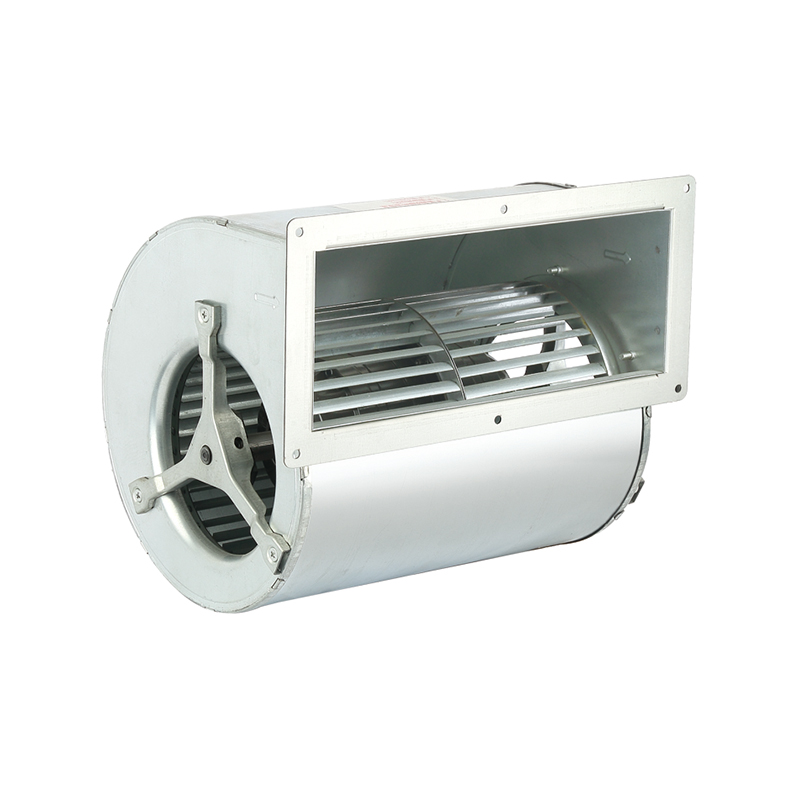
The DKT-133 Cooling Ventilation Double Inlet Air Conditioning Fan is d...
See Details
The DKT-146 Multi-Function Variable Frequency Double Inlet Air Conditi...
See Details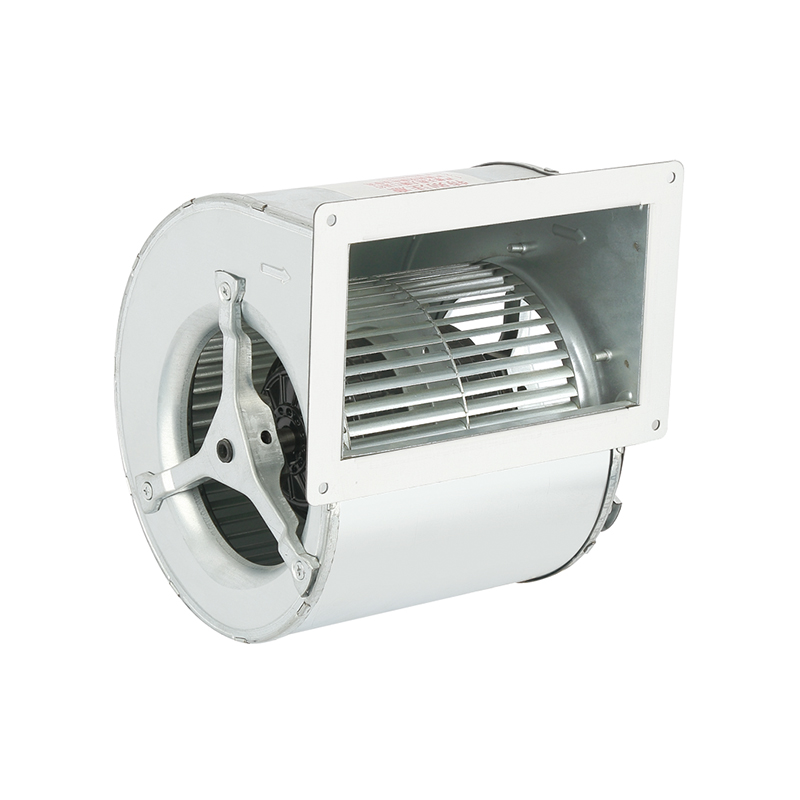
The DKT-160 Heat Dissipation Exhaust Double Inlet Air Conditioning Fan...
See Details
The DKT-180 Tilt Back Cool Down Double Inlet Air Conditioning Fan, a s...
See Details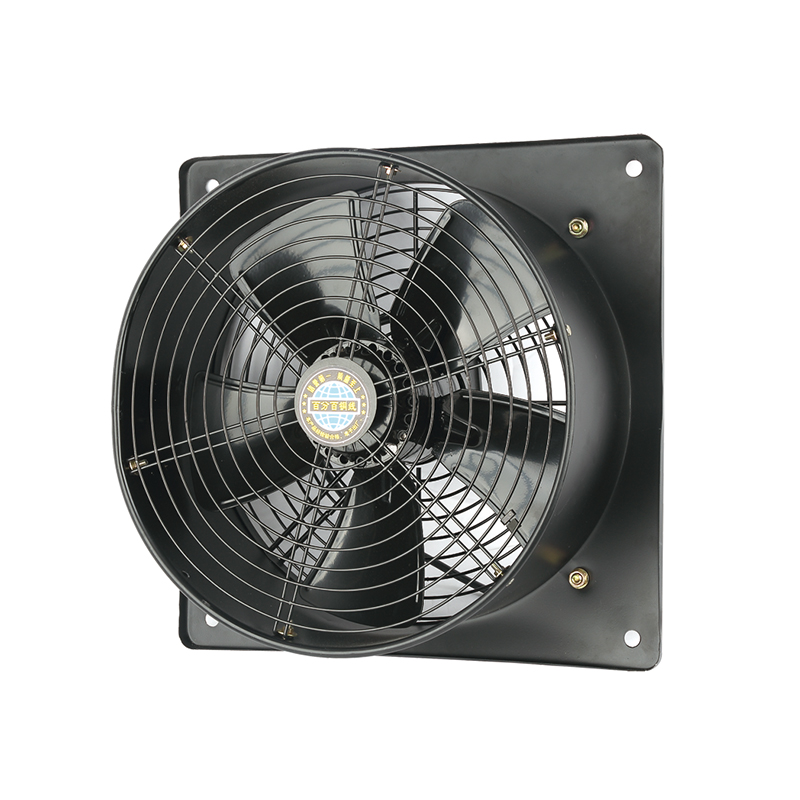
The YWF-400-2D2E Efficient Square form Axial fan is designed with a fo...
See Details
The YWF-350-2D2E Low noise Square form Axial Fan is designed with a co...
See Details
The YWF-350-4D4E Low vibration Square form Axial Fan is a outstanding ...
See Details
The YWF-400-4D4E Durable Square form Axial Fan is designed with advanc...
See Details
Qinlang focuses on providing high-quality products and considerate services, and is committed to meeting every expectation of our customers.
© Zhejiang Qinlang Electromechanical Co., Ltd.
Fans And Air-Cooling Equipment Factory
