 English
 русский
 عربى
عربى Español
Qinlang focuses on providing high-quality products and considerate services, and is committed to meeting every expectation of our customers.
The DKT-133 Cooling Ventilation Double Inlet Air Conditioning Fan is d...
See Details
Air movement plays a quiet but essential role in many modern systems. Whether inside industrial machinery, electrical enclosures, or general ventilation setups, controlled airflow supports stable operation and reduces unwanted heat buildup. Among the various airflow solutions used today, the standard square axial fan remains a common choice due to its clear working logic and adaptable structure.
A standard square axial fan is an air-moving device designed to direct air flow along the rotational axis. The airflow enters from one side of the fan and exits from the opposite side without changing direction. This axial movement distinguishes it from other fan structures that redirect air at an angle or outward from the center.
The square shape of the outer frame is a defining structural feature. This shape aligns well with common equipment openings and flat mounting surfaces. In many industrial and commercial products, ventilation cutouts are rectangular or square rather than circular. The square frame allows the fan to be mounted directly onto these surfaces without the need for additional conversion parts.
The word "standard" in this context does not imply performance ranking or output comparison. Instead, it refers to commonly accepted sizes, mounting patterns, and structural formats that are widely recognized across the industry. These conventions make the design of the system more predictable. Maintenance and replacement are easier and more consistent when equipment manufacturers depend on standardized components.
From a functional point of view, a standard square axial fan is often used in areas where the air is required to pass through closed or semi-enclosed spaces. The goal is often to exchange warm air with cooler surrounding air or to maintain internal circulation. The fan does not create complex airflow paths. On the contrary, it supports stable, straight motion through the system.
In practical environments, this type of fan can be found in many locations:
Due to its simplicity and wide acceptance, engineers usually choose this design at an early stage of planning. The fan fits naturally into equipment layouts that already rely on flat surfaces and standardized openings.
Another important aspect of the definition lies in integration. A standard square axial fan is rarely used alone. It usually forms part of a broader ventilation or cooling arrangement. Its purpose is to support the overall system rather than function as a standalone solution. This supporting role explains why the design focuses on compatibility and structural clarity rather than visual complexity.
A standard square axial fan can be understood as a practical airflow component that combines axial air movement with a square mounting frame. This combination meets common industry needs related to installation, space management, and airflow direction.
The operation principle of the standard square axial fan is that of rotating and directional air flow. When power is supplied, the inner motor starts to rotate the fan blades. The blades are located around a central hub and aligned with the rotational axis.
As the blades rotate, they interact with the air around them. Each blade has a shape and angle that guides the air forward instead of outward. This results in a difference in pressure between the intake side and the exhaust side of the fan. The natural movement of air from the high-pressure zone to the lower pressure zone creates a flow of air that moves along the same axis as the rotation axis.
The airflow path can be explained step by step in a simple sequence:
This linear motion makes an axial fan ideal for applications in which the airflow must go straight through the space instead of being redirected. The fan does not compress the air or make a sharp change in direction. On the contrary, it keeps a steady, steady flow.
The square frame contributes to the working process in several ways. It provides structural support for the motor and blade, keeping them in alignment during operation. It also helps seal the fan against the mounting surface, reducing gaps where air could escape. This alignment supports predictable airflow behavior within the enclosure.
In many applications, airflow resistance is moderate. The fan is not expected to push air through long ducts or highly restrictive channels. On the contrary, it works best when air is free to move in and out of the system. This allows the fan to be used in ventilation openings, panel cooling, and common air circulation.
Another aspect of the operation is balance and stability. The blades are arranged symmetrically about the hub so as to minimize uneven forces when rotating. Balanced rotation allows for smoother operation and reduces the load on the motor over time. This stability is particularly important when the fan is running continuously as part of a long-term ventilation solution.
It is also worth noting that the working process does not rely on complex mechanical interactions. There are no belts, gears, or directional vanes involved in standard operation. This simplicity supports consistent performance and predictable behavior in everyday use.
From an operational point of view, the fan performs one of the main functions: moving the air from one side to the other in a controlled way. This obvious purpose is one of the reasons why the design is still common in various sectors.
The design of a standard square axial fan reflects a balance between structure, airflow behavior, and practical use. Rather than focusing on a single performance goal, the design supports a range of everyday requirements commonly found in industrial and commercial environments.
Square Frame Structure
The square outer frame is central to the fan's identity. This frame allows for straightforward mounting on flat surfaces. Many equipment housings are built with square or rectangular cutouts. A square fan can align directly with these openings, simplifying installation.
The frame also supports structural stability. It holds the motor and blade assembly in place and maintains alignment during operation. Proper alignment helps airflow remain centered and reduces uneven stress on internal components.
Axial Blade Configuration
Blade arrangement plays an important role in airflow behavior. The blades are positioned to guide air forward along the axis of rotation. Their angle influences how air enters and exits the fan. A well-considered blade layout supports smooth airflow and reduces unnecessary turbulence.
Balanced blade distribution supports stable rotation. When blades are evenly spaced and shaped, the fan can operate with reduced vibration. This contributes to a more controlled operating environment, especially in enclosed spaces.
Material Considerations
The material used in the construction of the standard square axial fan is chosen with regard to the actual application. Frames and blades are often made from materials selected for durability and suitability in typical operating environments. The aim is to support long-term use without frequent adjustments.
Material selection also affects weight and structure stiffness. The stable structure helps the fan to maintain a constant flow of air.
Dimensional Consistency
Standardization is a defining design characteristic. Common dimensions and mounting patterns allow the fan to fit into a wide range of systems. This consistency supports easier planning during equipment design and reduces complexity during maintenance or replacement.
For a system designer, a standardized dimension means fewer variables to be managed. You can select a component with confidence that it will align with an existing component.
Balanced Design Focus
Rather than maximizing a single attribute, the design of a standard square axial fan often balances multiple considerations:
This balanced approach explains why this design is still prevalent in many applications. The fan is not designed to solve every airflow problem. Instead, it deals with the general requirements of ventilation in a predictable and manageable manner.
Key Design Aspects
| Design Aspect | Purpose |
|---|---|
| Square frame | Supports flat surface mounting |
| Axial airflow | Enables direct air movement |
| Balanced blades | Supports stable rotation |
| Material selection | Ensures durability in daily use |
| Standard sizing | Improves system compatibility |
Practical Integration
Another characteristic of the design is that the fan is easily integrated into a larger system. Because of its distinct airflow path and standardized construction, it can be positioned as an intake or exhaust component without any complex modification. This flexibility allows for a wide range of system layouts.
The fan is often used in conjunction with other ventilation elements such as vents, filters, or protective covers. It is designed so that it can function as part of a complete airflow strategy and not as an isolated component.
The structure, operation principle, and design features of the standard square axial fan are useful for explaining its application in every field. The design emphasizes clarity rather than complexity. Through direct airflow and stable installation, the fan can meet the common ventilation demand of many systems.
Understanding these fundamentals provides useful context for readers who are exploring airflow solutions or seeking to better understand how ventilation components function within equipment. Rather than relying on claims or comparisons, examining structure and operation offers a clearer picture of why this fan type remains a familiar presence in modern ventilation design.
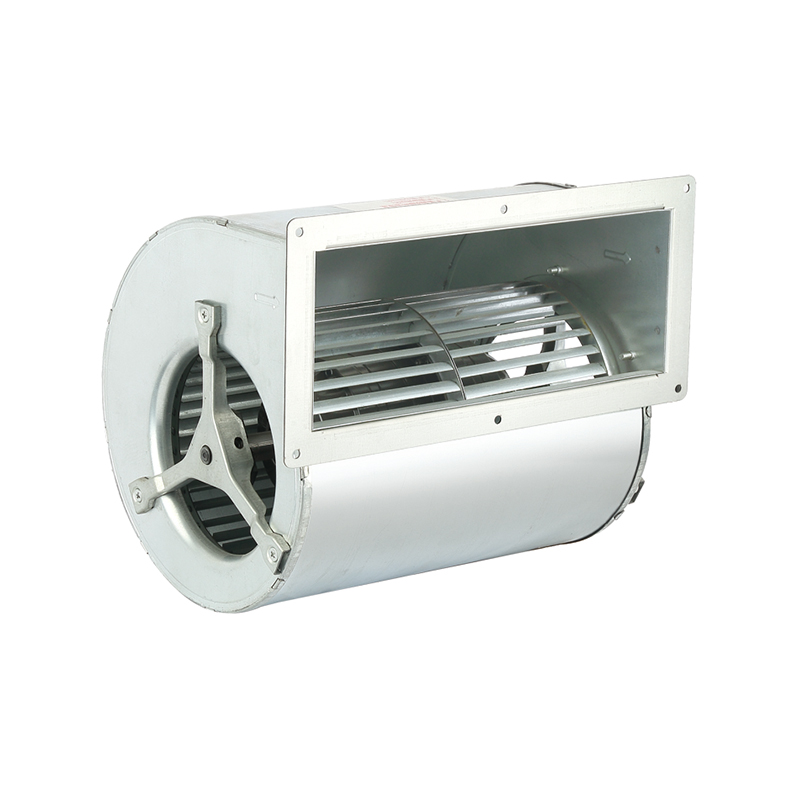
The DKT-133 Cooling Ventilation Double Inlet Air Conditioning Fan is d...
See Details
The DKT-146 Multi-Function Variable Frequency Double Inlet Air Conditi...
See Details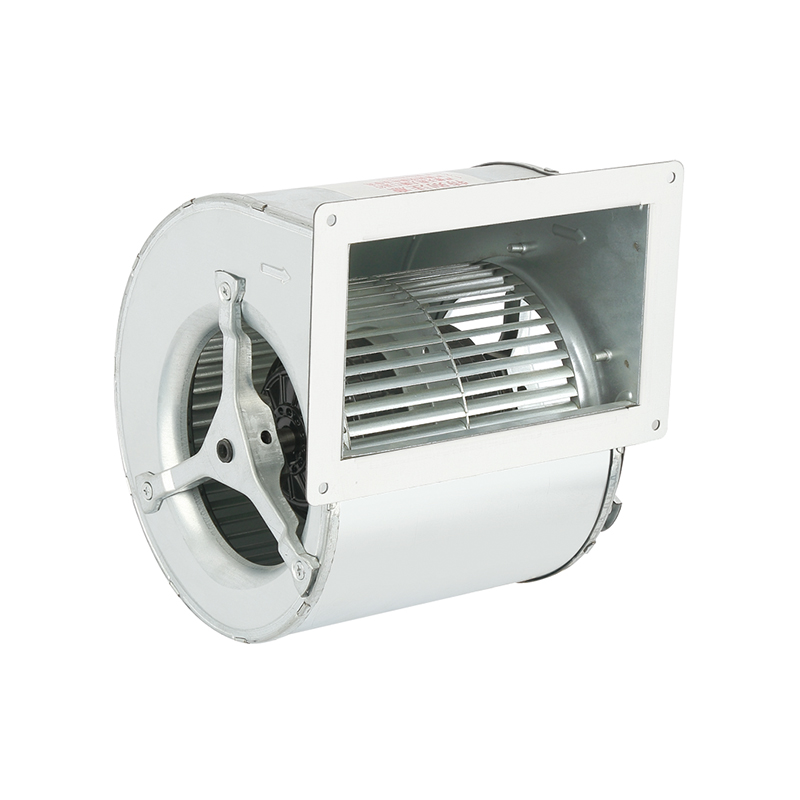
The DKT-160 Heat Dissipation Exhaust Double Inlet Air Conditioning Fan...
See Details
The DKT-180 Tilt Back Cool Down Double Inlet Air Conditioning Fan, a s...
See Details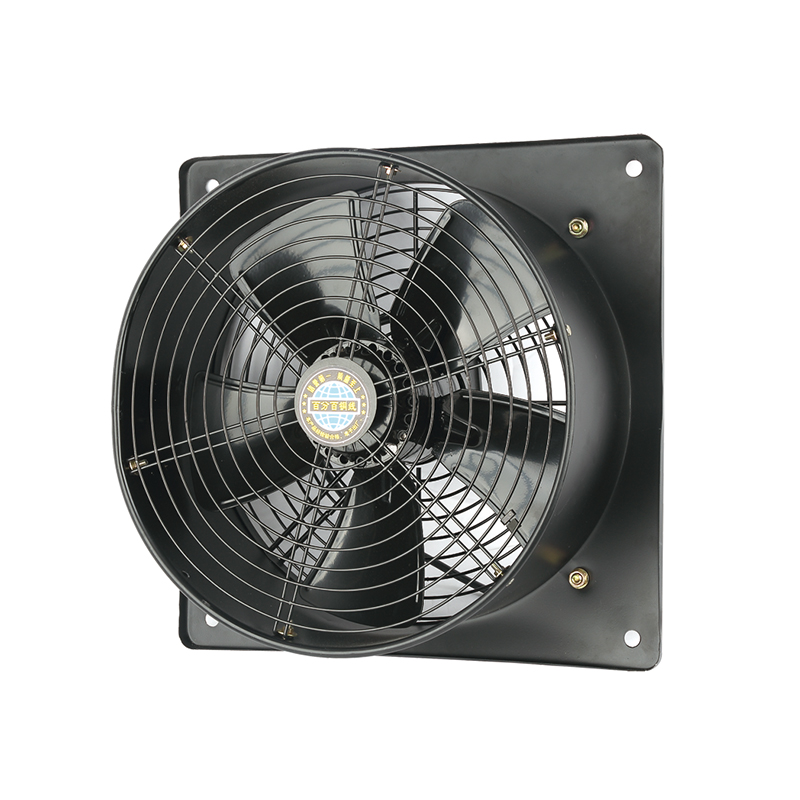
The YWF-400-2D2E Efficient Square form Axial fan is designed with a fo...
See Details
The YWF-350-2D2E Low noise Square form Axial Fan is designed with a co...
See Details
The YWF-350-4D4E Low vibration Square form Axial Fan is a outstanding ...
See Details
The YWF-400-4D4E Durable Square form Axial Fan is designed with advanc...
See Details
Qinlang focuses on providing high-quality products and considerate services, and is committed to meeting every expectation of our customers.
© Zhejiang Qinlang Electromechanical Co., Ltd.
Fans And Air-Cooling Equipment Factory
