 English
 русский
 عربى
 Español

Centrifugal exhaust fans are one of the standard tools for dealing with it. A rotating impeller throws air outward, and a shaped housing collects that air and sends it to the outlet. Because of this layout, the fan connects easily to ducts and to many different exhaust setups.
If you manage a facility, design systems, or buy equipment, it's worth knowing what happens inside the fan, from the moment air enters to the moment it leaves. The process looks simple from the outside. In reality, several steps depend on each other.
What Is a Centrifugal Exhaust Fan?
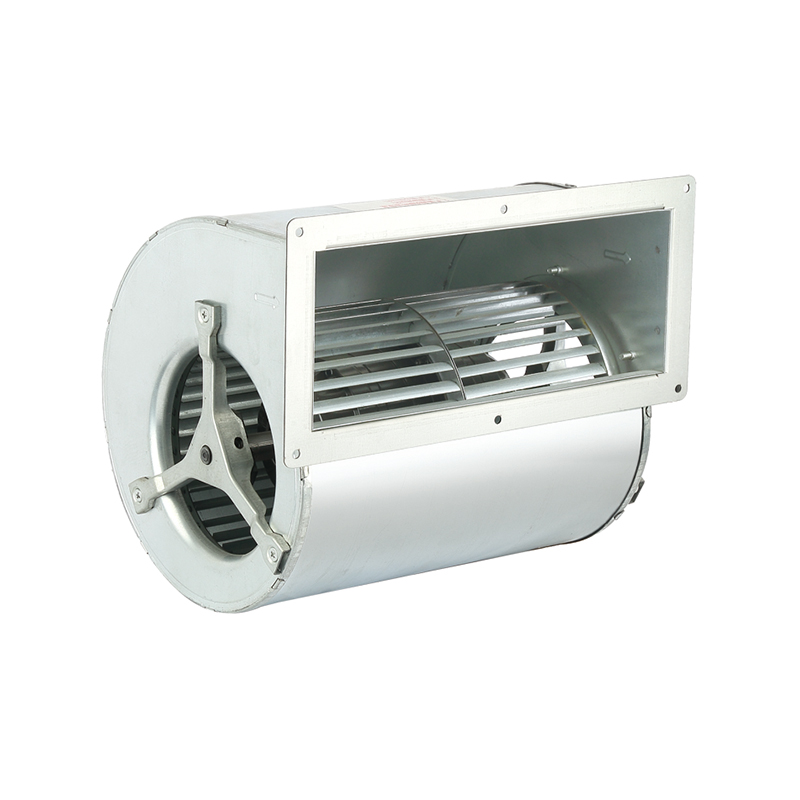
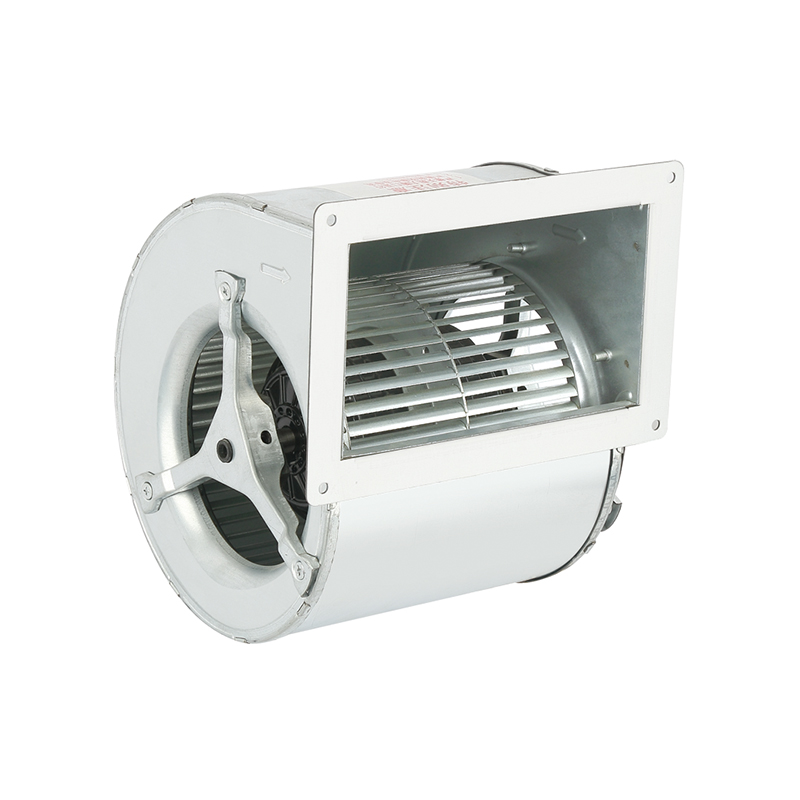
A centrifugal exhaust fan pulls air out of an enclosed space and sends it somewhere else. The key part is the impeller. As it spins, air enters at the center of the fan and is flung toward the outer edge by centrifugal force.
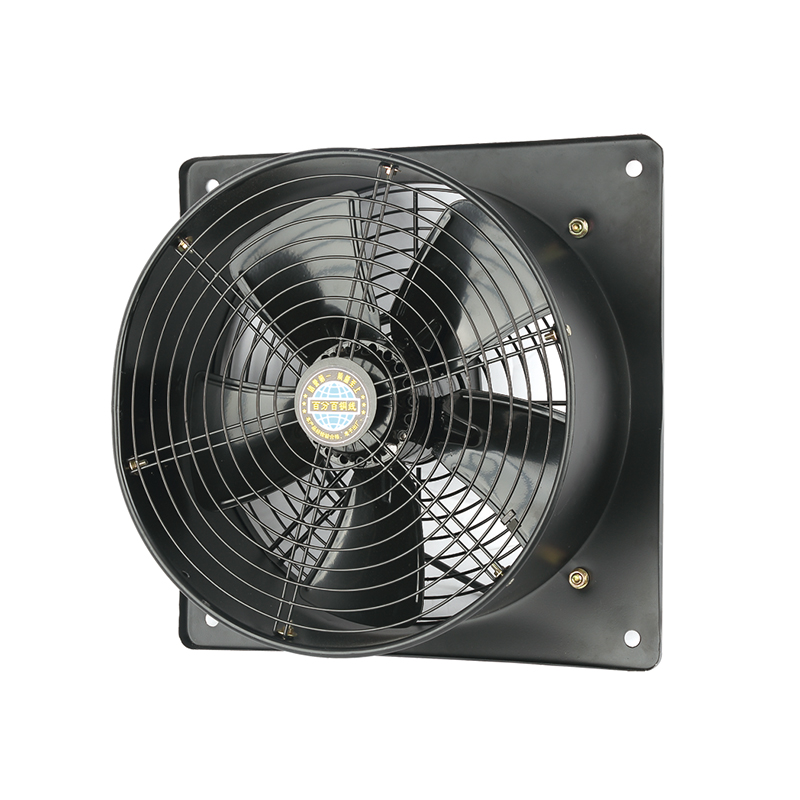
Axial fans work differently. They push air in a straight line, parallel to the shaft. A centrifugal fan turns the airflow, so air comes in along the axis and leaves at roughly a right angle to it. The housing then steers that air to the discharge outlet.
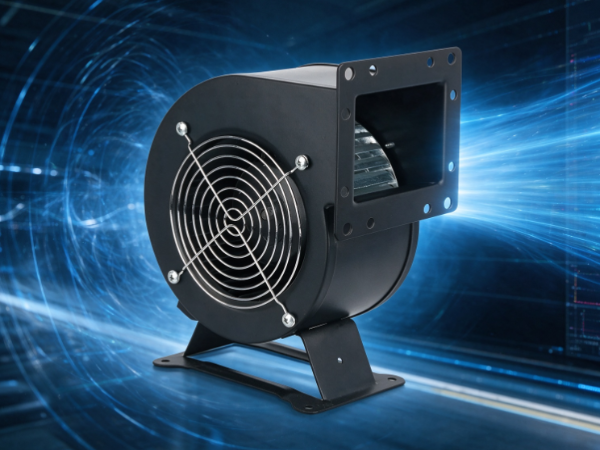
That turning action is why these fans fit so many industrial layouts. They can be attached to duct networks that collect air from several parts of a building. You'll find them in equipment rooms, production workshops, commercial kitchens, and manufacturing plants, anywhere unwanted air has to go.
Still, the fan is only one piece of the system. How well it performs also depends on the inlet, the outlet, the duct layout, where it's installed, and the conditions in the space around it.
How Does a Centrifugal Exhaust Fan Move Air?
The motor provides mechanical energy and the impeller turns. That rotation creates a pressure difference, and air moves from the high-pressure side to the low-pressure side. In practice, air is drawn in at the inlet and sent toward the outlet.
Once the fan starts, air enters the central opening. The blades sweep through it and pass energy to it, pushing it outward. At the rim of the impeller, the air enters the surrounding housing and changes direction. The housing gathers it and guides it to the discharge opening, where it continues into a duct or out to an exhaust area.
This doesn't stop while the fan runs. As air leaves the building, replacement air has to come in, either through planned inlets or through whatever gaps exist. That steady exchange keeps fumes, dust, and heat from lingering indoors.
The sequence breaks down like this:
- Air intake: Air enters the fan through the inlet.
- Energy transfer: The rotating impeller passes mechanical energy to the air.
- Outward movement: Air travels from the center to the outer edge of the impeller.
- Air collection: The housing gathers the moving air and directs it.
- Air discharge: Air leaves through the outlet and enters the exhaust route.
Each step feeds the next. Block one point along the path and the whole system suffers.
What Are the Main Components of a Centrifugal Exhaust Fan?
Designs vary from one manufacturer to another, but nearly every centrifugal fan is built from the same handful of parts.
1. Impeller
This is the part that actually moves the air. A central hub carries a ring of blades, and the motor spins the whole assembly.
Blade shape, spacing, and construction affect how air enters and leaves, how loud the fan is, and how it behaves under load. A fan for light ventilation and one for dusty exhaust will usually have quite different impellers.
2. Fan Housing
The housing wraps around the impeller. Its curved, scroll-like shape collects air thrown off by the blades and leads it toward the outlet.
It also keeps people and objects away from moving parts and holds the fan's structure together. In harsh industrial settings, the housing material and build quality matter a great deal.
3. Motor
The motor drives the impeller. Depending on the design, it may be coupled directly to the impeller or linked through belts or another transmission.
When choosing a motor, consider the environment, the expected workload, the installation conditions, and how easily it can be serviced. In some plants, protection against dust, moisture, or heat is also necessary.
4. Inlet and Outlet
Air goes in through the inlet and leaves through the outlet, which points toward the duct or discharge location.
Where these openings sit, and how large they are, decides how the fan ties into the rest of the system. A badly placed connection adds resistance and can make installation a headache.
5. Supporting Structure
This is the base, brackets, guards, and other hardware that hold the fan in place.
A solid installation matters. Vibration travels. It can disturb nearby equipment, add noise, and wear parts down over time.
Why Are Centrifugal Exhaust Fans Used in Industrial Ventilation Systems?
Industrial buildings ask more of a ventilation system than a house does. Production can release particles, odors, fumes, and heat. Sometimes the air has to travel through long ductwork, or pass through a filter, before it can be released.
Centrifugal fans are picked for these jobs because they hold up well when air has to be pushed through a connected system rather than just moved across open space.
Handling Duct Resistance
Real duct systems are full of bends, branches, filters, and dampers. Every one of them resists airflow. A properly chosen centrifugal fan can keep air moving through all of that.
This matters when the exhaust point isn't right next to the area that needs ventilating. Ducts can collect air from one place and carry it to a discharge point far away.
Supporting Local Exhaust Ventilation
Some processes produce contaminants in one particular spot, such as a welding bench or a grinding station. It usually makes more sense to capture the contaminant there than to rely on general air circulation.
A centrifugal fan provides the suction that draws contaminated air into the collection system. You'll see this around machines, workstations, and processing areas.
Removing Heat and Odors
Machinery and production work give off heat and smells. If they aren't dealt with, working conditions get uncomfortable and the surrounding area may be affected.
An exhaust fan removes the stale air and pulls in replacement air. How well that works depends on the layout, and especially on how supply and exhaust are balanced.
Working with Air Treatment Equipment
Some plants must remove particles or other substances before exhaust air goes outside. The system might include filters, separators, or similar units.
A centrifugal fan can be built into that setup. It moves the air through the equipment, and the treatment units do their own work.
What Factors Affect the Working Performance of a Centrifugal Exhaust Fan?
A fan's internal design is only part of the picture. The system around it and the conditions it runs in matter just as much.
Airflow Requirements
A small equipment room and a large production hall have very different needs.
Before choosing a fan, work out where air must be collected, how it will travel, and where it will be released. Skip that step and you may end up with weak ventilation or wasted energy.
Duct Layout
Ductwork has a direct effect on how the fan performs. Long runs, tight bends, narrow sections, and awkward joints all raise resistance.
A well-planned layout gives air fewer obstacles to fight. It usually makes installation and later maintenance easier too.
Air Conditions
What's in the air matters. Industrial exhaust may carry dust, moisture, fumes, or other substances.
These affect the fan's internals. Dust can build up on the impeller, for example, and moisture can cause corrosion if the materials or protective design aren't up to it.
Noise and Vibration
Both are everyday concerns in industrial settings. Causes include impeller balance, motor condition, installation quality, and the way air flows through the system.
A firm mounting and a well-matched fan keep vibration down. Regular checks also catch loose connections or worn parts before they turn into bigger problems.
Operating Environment
Temperature, humidity, dust, and available space all count when choosing a fan.
A fan in a clean, dry room faces much milder demands than one beside a production line or in a damp processing area. Pick equipment that suits the real conditions.
How Should a Centrifugal Exhaust Fan Be Installed in an Industrial Facility?
Installation shapes how a fan performs. A well-suited fan can still deliver less airflow, more noise, and extra maintenance work if it's installed poorly.
Start with position. Leave enough clear space around the inlet and outlet, since nearby walls or equipment can restrict airflow. Think about access too, so technicians can reach key parts for inspection and cleaning.
The mounting surface has to carry the equipment securely. Loose mounting points lead to vibration. In some facilities, vibration isolators are added so movement doesn't pass into the building structure.
Duct connections need care. Inlet and outlet must match the ventilation layout, because misaligned joints cause turbulence and extra resistance. Flexible connectors may be used where the design calls for them.
Wiring should follow the motor manufacturer's instructions and local safety rules. Protective devices and suitable cabling are essential. Qualified personnel should carry out both installation and electrical work.
Before the fan goes into regular service, inspect it. The impeller should turn freely, the mounting should be tight, and the motor connection should be checked. The first run is also a good time to listen for odd noise and watch for vibration or airflow problems.
How Can Regular Maintenance Support Fan Operation?
Many centrifugal fans run for long hours. Dust, moisture, vibration, and constant mechanical movement slowly take a toll. Routine maintenance spots these changes early and keeps the fan running steadily.
Cleaning comes first. Dust and deposits collect on the impeller and inside the housing. If the buildup is uneven, the rotating part goes out of balance and vibration increases. Choose a cleaning method that suits the fan's materials and the substances being handled.
Mechanical parts need checking as well. Bearings, belts, fasteners, and mounts wear with use, so inspect them according to the manufacturer's guidance.
Watch the motor. Unusual heat, noise, or a change in behavior can signal trouble. Qualified personnel should inspect electrical connections, especially where equipment runs around the clock.
A practical routine could include:
- Checking the impeller for dust buildup, damage, or visible deformation.
- Inspecting the housing and duct connections for leaks or loose parts.
- Checking mounting points and supporting structures for movement.
- Observing the motor for unusual noise or heating.
- Inspecting transmission components where belts or other drive arrangements are used.
- Recording changes in airflow, vibration, and operating conditions.
- Cleaning or replacing relevant components according to maintenance requirements.
How often to do all this depends on the environment. A fan in a dusty or humid area needs inspecting more often than one in a fairly clean space.
How Do Centrifugal Exhaust Fans Fit into Different Industrial Applications?
These fans are adaptable. Where and how they're used depends on the type of air, the facility layout, and what the production process requires.
Manufacturing Workshops
Workshops often produce heat, dust, odors, and airborne particles. Fans can be connected to local collection points or to general ventilation ducts to carry that air out.
Plan the system around the position of machines and the paths workers take. That way air is collected where it's actually generated.
Commercial Kitchens
Cooking releases heat, smoke, grease particles, and odors. Centrifugal fans are a common choice in kitchen exhaust systems, moving air through hoods and ducts.
The fan and ductwork must suit the conditions inside the exhaust path. Grease builds up over time, so regular cleaning and inspection are a must.
Warehouses and Storage Facilities
Enclosed warehouse areas tend to trap heat and stale air. Exhaust fans remove it and encourage replacement air to move in.
Placement should reflect the building layout, how goods are stored, and where air can enter. Look at how air moves through the whole space, not just at the exhaust outlet.
Chemical and Processing Facilities
Some processes give off fumes, vapors, or other airborne substances. These sites may need dedicated exhaust arrangements that capture air near the source.
Fan materials, motor protection, and the system design should match the substances involved and the safety requirements that apply. Where hazardous atmospheres are possible, suitable equipment and a professional system assessment are essential.
Equipment Rooms
Machinery in equipment rooms gives off heat. Without enough air movement, temperatures climb and the nearby equipment suffers.
A centrifugal fan can carry warm air out along a planned route. Select it based on the heat load, the room layout, and what the equipment needs.
Across all of these settings, the fan does the same job. It draws air into the impeller, gives it energy, and sends it through the housing to the discharge point. Only the ventilation setup around it, and the conditions it has to handle, change from site to site.