 English
 русский
 عربى
 Español

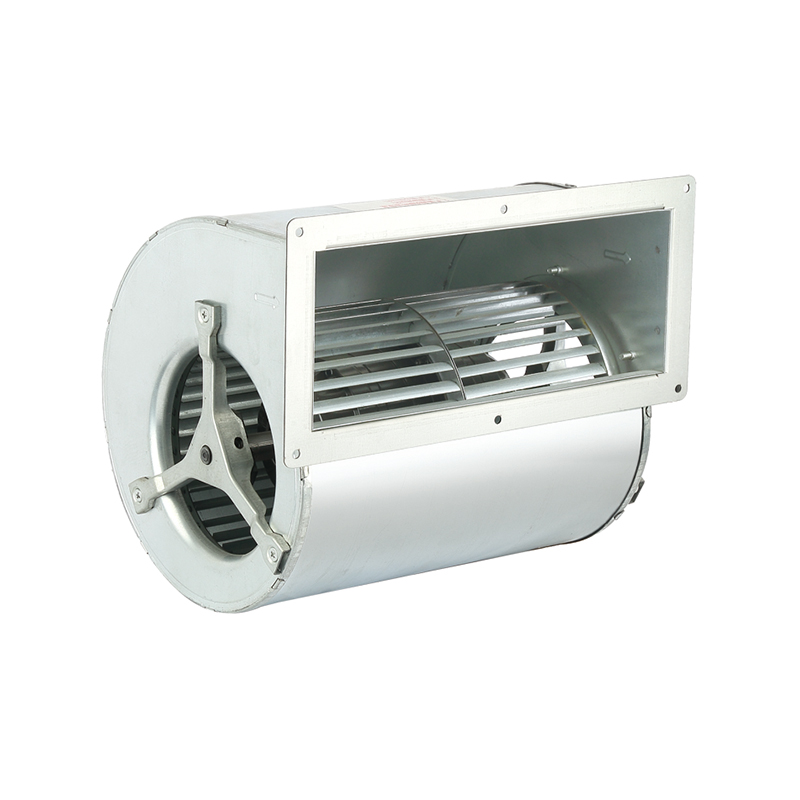
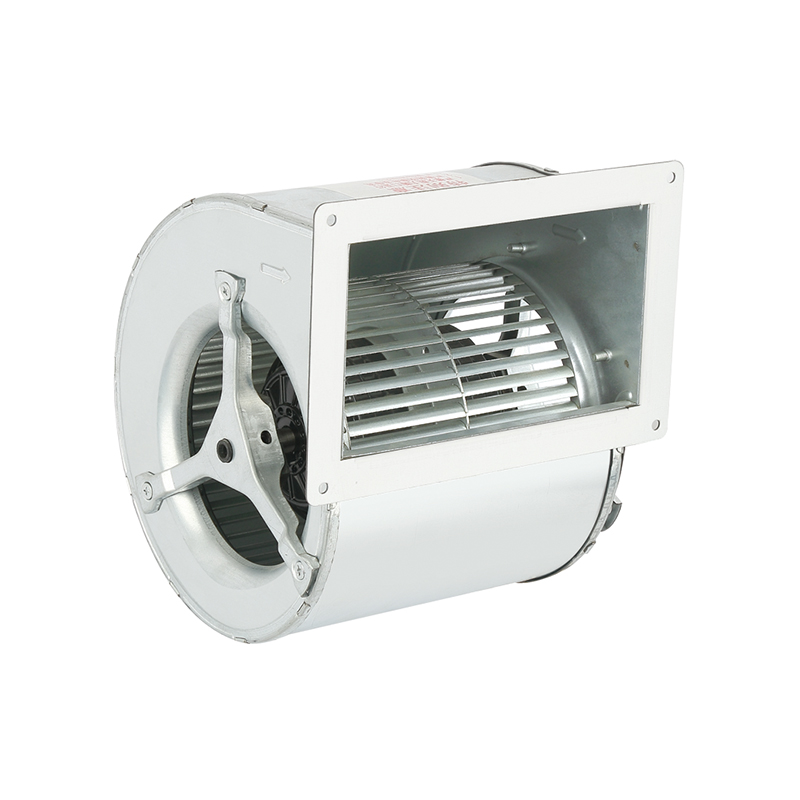
High pressure centrifugal fans do a lot of this work. A general-purpose circulation fan stirs the air in a room. These fans push air through systems that fight back with real resistance. Their design supports air supply, exhaust, material handling and other processes that depend on directed airflow.
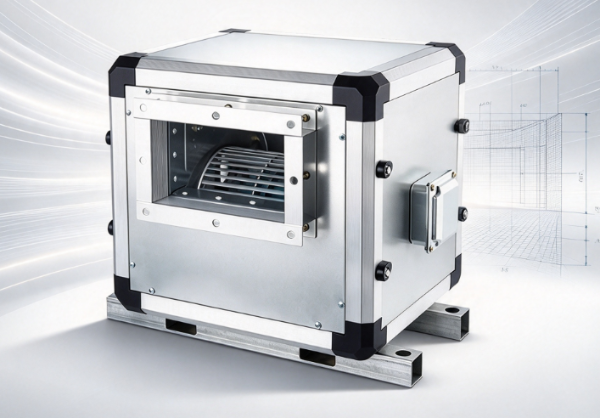
Industrial facilities keep getting more complex, and that shapes how ventilation systems are designed. The fan is no longer treated as a standalone machine. It has to work alongside ducts, filters, air outlets and production equipment as one complete system.
Knowing what these fans do helps facility managers and buyers match them to the right applications, judge system requirements and make better decisions about industrial air transportation.
What Makes High Pressure Centrifugal Fans Suitable for Industrial Air Transportation?
Industrial air transportation means taking air from one place to another along a planned route. That sounds easy. Real plants make it harder.
Air usually travels through enclosed ducts, tight passages, filters and other connected equipment, and every one of them adds resistance. Once the route gets complicated, an ordinary circulation fan often can't supply the pressure needed to keep air moving.
Centrifugal fans are built for cases where air must be pushed against fairly high resistance. They work on centrifugal force.
As the impeller spins, air comes in through the inlet and is flung outward toward the housing. The fan then guides it to the outlet and into the connected duct system.
Because of this, they fit applications that need directed air movement, not simple circulation in an open space.
Several traits explain their role in industrial air transportation:
- Directed airflow: Air reaches a chosen location along a defined route.
- Pressure support: The fan helps push through the resistance of ducts and connected equipment.
- Flexible installation: Different arrangements can be matched to the ventilation layout.
- Process support: Air transportation can be built into manufacturing, drying, cooling and exhaust operations.
- System integration: The fan works with filters, air handling equipment and other ventilation parts.
Even so, fit depends on the whole system. Pressure capability, airflow needs and operating conditions all have to line up with the real application.
Why Does Industrial Air Transportation Require High Pressure Support?
Industrial air seldom gets a short, open path. It may run through a long duct network, pass several filters or have to reach equipment far from the air source.
All of this creates resistance, and resistance slows airflow.
Picture a plant with a central air supply feeding several production areas. The air has to pass through different branches before arriving. Duct turns, filters, dampers and outlet arrangements all change how it moves.
Without enough pressure behind it, airflow turns uneven. One area gets plenty of air while another is starved.
Centrifugal fans address this by supplying the pressure needed to drive air through harder systems.
That matters most where air transportation is tied directly to production.
Take an industrial drying process. Heated air has to go from a heating unit to a drying chamber through an enclosed duct. If the system can't hold the required airflow, drying results become inconsistent.
The right fan pushes air along the planned route and keeps the connected equipment running properly.
Exhaust systems need pressure too. When contaminated air must pass through collection equipment or filtration units, the system has to overcome the resistance those parts create.
So the fan keeps air moving through the entire process.
One caution: higher pressure doesn't automatically mean better performance. The fan has to match the resistance and airflow needs of the application. Too much pressure and too little can both cause trouble.
How Do High Pressure Centrifugal Fans Work with Industrial Duct Systems?
Ducts are the routes air follows inside an industrial facility. They link fans to production equipment, air outlets, filters and exhaust points.
How a duct system is designed has a direct effect on how well the air transportation equipment performs.
Centrifugal fans are common in duct networks where air moves through enclosed passages. They supply the driving force that pushes air through each connected part.
The fan-duct relationship shows up in a few ways.
Air supply and distribution
In a central supply arrangement, the fan pulls air into the system and sends it down the main duct. Branch ducts then spread it to different work areas or machines.
This works well in large plants where several locations need air at once.
The duct layout should support balanced distribution. If one branch creates too much resistance, it can starve the others.
Air transportation over longer routes
In some facilities the equipment sits far from the main ventilation room. Air has to cross a long duct network to get there.
Centrifugal fans suit this situation because they can move air against the resistance of a long route.
The design should account for duct length, number of bends, connection points and the nature of the air.
Connection with filters and treatment equipment
Industrial air systems often include filters or other treatment units that remove particles or unwanted substances.
These also add resistance.
The fan has to be chosen with them in mind. If not, airflow drops once the system runs under real conditions.
When the fan, duct network and treatment equipment are coordinated, they behave as one system and not as separate parts.
| Duct System Component | Main Function | Relationship with the Fan |
|---|---|---|
| Main duct | Transports air through the facility | Provides the primary airflow route |
| Branch duct | Distributes air to different areas | Affects airflow distribution |
| Air filter | Removes unwanted particles | Creates resistance that the fan must overcome |
| Damper | Controls airflow direction and volume | Influences system resistance |
| Air outlet | Delivers air to the target area | Determines how air enters the working space |
| Exhaust duct | Carries unwanted air away | Provides a route for air removal |
A good duct arrangement cuts out needless resistance and keeps air transportation stable. That's why fan selection and duct planning belong together.
Where Are High Pressure Centrifugal Fans Used in Industrial Production?
Their uses go well beyond general ventilation. They also support production processes that need a controlled air supply or exhaust.
Each industry has its own air transportation needs, so fan configuration and installation should follow the process.
Manufacturing facilities
Manufacturing plants use air for equipment cooling, workplace ventilation and production support.
Some machines need a steady air supply while running. Other areas need exhaust to clear heated air or airborne substances.
Centrifugal fans serve these systems by carrying air through ducts and linking production equipment with ventilation facilities.
Drying and heating processes
Industrial drying depends on moving heated air. The air may travel from a heat source to a drying chamber and then across the material being processed.
The right fan carries that air through the system and keeps circulation consistent.
Here the fan must handle the process temperature and moisture. The surrounding components need to survive the environment as well.
Dust collection systems
Cutting, grinding, sanding and material handling all generate dust.
Collection systems use airflow to carry it from the work area to filters or collection equipment.
High pressure centrifugal fans can provide the pressure to move dusty air through the duct network.
The design should reflect the properties of the particles and the system's cleaning needs. Not every centrifugal fan handles every kind of dust.
Chemical processing
Chemical production can involve gases, vapors and other substances that need controlled transport or exhaust.
Fans form part of ventilation arrangements that send process air to treatment equipment or designated discharge points.
Material compatibility is critical here. The housing, impeller and other parts must be right for the substances involved.
Power and energy facilities
Power-related sites have equipment that gives off heat while it runs. Ventilation carries the hot air away from machinery and keeps equipment rooms in good condition.
Centrifugal fans can support these systems when air must move through enclosed passages or complicated routes.
Building material production
Making cement, ceramics and other building materials produces dust and hot air.
Air transportation systems carry these toward collection or treatment equipment, and centrifugal fans can be the airflow source.
Fan selection depends on the production process, the makeup of the air and the resistance of the connected system.
Can High Pressure Centrifugal Fans Support Air Supply and Exhaust Operations?
Industrial air transportation usually covers two linked tasks: bringing air in where it's needed and removing air that shouldn't stay.
Centrifugal fans can handle both, though the system arrangement differs.
Air supply operations
Some processes need air delivered to particular equipment or work areas.
Production machinery, for example, may need a constant air supply for cooling or processing. A ventilation system can pull air from an intake point and deliver it through ducts to where it's required.
High pressure centrifugal fans provide the airflow to get it there.
The air source deserves a look too. If intake air carries unwanted particles or moisture, it may need treatment before it reaches the production area.
Exhaust operations
Exhaust systems take unwanted air out of industrial spaces or production equipment.
That air may hold heat, dust, fumes or moisture, and it has to travel through ducts to an exhaust outlet or treatment unit.
A high pressure centrifugal fan helps move it along, particularly when filters or other components add resistance.
In some setups the fan sits near the exhaust outlet. In others it goes elsewhere in the duct network, depending on the overall design.
Combined supply and exhaust arrangements
Large facilities often need both supply and exhaust to keep air moving properly.
Fresh air comes in through set inlets, and stale indoor air leaves through exhaust ducts.
The two need to be coordinated. When supply and exhaust are poorly balanced, some areas end up with unwanted pressure differences or uneven ventilation.
Centrifugal fans can belong to such systems, but their role depends on the ventilation plan and what each area needs.
What Factors Affect the Performance of High Pressure Centrifugal Fans?
Several factors shape how a high pressure centrifugal fan performs. Even a well-chosen fan can underdeliver if the surrounding system has problems.
Knowing these factors helps buyers and facility managers define their requirements before installation.
Airflow demand
Industrial processes need different amounts of air.
A system for equipment cooling asks for something different from one built for dust collection or exhaust.
Choose the fan for the required airflow and the system's purpose.
System resistance
Duct length, bends, filters, dampers and other parts all add to the resistance air meets.
If real resistance turns out higher than expected, the fan won't deliver the airflow you need.
That's why the full air transportation route should be reviewed during selection.
Air temperature and composition
The air may carry moisture, dust, chemicals or heated gases.
These conditions decide which materials and construction the fan needs.
A fan in a humid space may need corrosion protection, for instance. One moving hot air needs components rated for that temperature.
Impeller and housing design
The impeller and housing control how air enters, travels through and leaves the fan.
Their design has to fit the intended use, and different processes may call for different fan structures.
Weigh the nature of the air, the required pressure and the expected operating conditions when choosing.
Installation conditions
Installation affects both airflow and mechanical operation.
The fan needs a solid support structure and proper duct connections. Poor alignment or an unstable mount can lead to vibration and other operating problems.
Think about maintenance access before the equipment goes in.
| Performance Factor | What Needs Attention? | Possible Effect |
|---|---|---|
| Airflow demand | Actual process requirements | Influences air supply and exhaust |
| System resistance | Ducts, filters, and connections | Affects air transportation |
| Air temperature | Heated or changing air conditions | Influences component suitability |
| Air composition | Dust, moisture, or chemical substances | Affects material selection |
| Fan structure | Impeller and housing arrangement | Influences airflow characteristics |
| Installation | Mounting and duct connections | Affects operational stability |
| Maintenance | Inspection and cleaning access | Influences long-term operation |
These factors are tied together. Picking a fan on one characteristic while ignoring the rest of the ventilation system is a mistake.
How Should High Pressure Centrifugal Fans Be Selected for Industrial Air Systems?
Choosing one starts with understanding the actual air transportation task.
Buyers shouldn't lean on general product descriptions alone. Two facilities can both need high pressure fans while working under very different conditions.
A structured selection process brings those differences into focus.
Identify the purpose of air transportation
Define the application clearly. Is the fan for air supply, exhaust, dust collection, equipment cooling or process ventilation?
Each purpose brings its own operating conditions.
Understand the air transportation route
Review the duct layout before picking a fan. Note the distance to the target location, the number of bends and the equipment on the line.
A clear picture of the route makes it easier to estimate the resistance the fan must overcome.
Check the properties of the air
Look at temperature, moisture content and likely contaminants.
These details show whether the fan needs special materials or a particular structure.
Consider the operating environment
Industrial fans may run indoors, outdoors, or in areas with dust, moisture and swinging temperatures.
The installation environment affects the choice of housing, supporting parts and protective measures.
Evaluate maintenance needs
A fan on a production line may run for long periods. Think about its maintenance needs when buying and installing.
Easy access to inspection points and replaceable parts makes routine servicing far less of a chore.
Coordinate with the complete system
The fan must work with the ducts, filters, air treatment equipment and production machinery.
A good product can't make up for a badly planned ventilation network. The system has to be coordinated for air transportation to work as intended.
What Maintenance Practices Help Keep High Pressure Centrifugal Fans Operating Properly?
Maintenance is a big part of industrial air transportation. These fans often run under demanding conditions, and their parts face constant motion, airflow and environmental wear.
Skip regular inspection and small problems slowly spread through the whole ventilation system.
Dust buildup is a common one. Particles collect on the impeller or inside the housing, which hurts airflow and throws the rotating parts out of balance.
Follow the manufacturer's cleaning instructions and your facility's safety rules.
Mechanical parts need attention as well. Check bearings, belts, fasteners and supports for wear, looseness or odd movement.
Strange noise or vibration can signal that the fan needs a look. Don't brush these off, especially when the fan supports a process that depends on continuous airflow.
The duct system needs upkeep too. Clogged filters, damaged ducts and leaking connections all change the conditions the fan works in.
A practical maintenance routine might include:
- Inspect the impeller and housing for dust accumulation or visible damage.
- Check rotating components for unusual noise and vibration.
- Examine bearings and other moving parts according to maintenance instructions.
- Inspect duct connections for leakage or loose fittings.
- Clean or replace filters when required.
- Check the fan support structure and mounting connections.
- Record changes in operating conditions and investigate unusual performance.
Set the maintenance frequency by the real working environment. A fan moving clean air needs different care from one in a dusty production area.
Safety comes first. Before any inspection or cleaning, isolate the equipment from its power source and secure it following the facility's maintenance procedures.
For facilities that rely on controlled air transportation, regular care of both the fan and its connected ventilation parts cuts down on unexpected stoppages and keeps production conditions steady.