 English
 русский
 عربى
عربى Español
Qinlang focuses on providing high-quality products and considerate services, and is committed to meeting every expectation of our customers.
The DKT-133 Cooling Ventilation Double Inlet Air Conditioning Fan is d...
See Details
Industrial facilities give off heat as part of everyday work. Motors turn, machinery runs through its cycles, friction happens wherever moving parts meet, and people carry out their tasks in enclosed buildings. All that warmth collects over time and starts to affect how well equipment runs and how comfortable workers feel. Managing temperature becomes a real concern across factories, warehouses, and processing plants.
One straightforward way to handle industrial cooling involves pushing air through the space. A High Speed Axial Fan pulls air in from one side and shoots it straight out the other. That straight-line airflow moves plenty of air efficiently across open floors and through ventilation setups. The design pushes high flow rates while keeping power draw within reasonable limits.
Choosing the right fan and putting it in the right spot determines how well the whole setup works. Working with an experienced Axial Flow Fan Manufacturer helps make sure the design fits what the installation site actually needs. When the fan's capabilities line up with what the application demands, cooling works better.
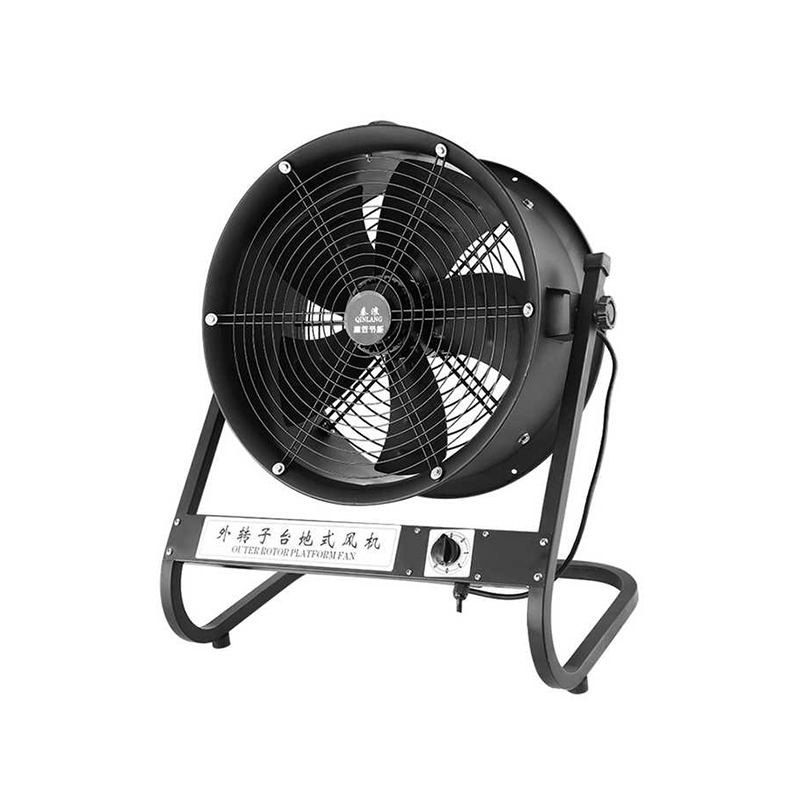
Some spots in industrial facilities stay hotter than others all the time. Forges throw off intense heat, ovens radiate warmth in all directions, welding arcs generate concentrated thermal energy, and boiler rooms trap heat in confined spaces. Workers posted near those sources deal with high temperatures hour after hour, which wears down physical endurance and makes it harder to stay focused.
Spot cooling takes on that problem directly. A High Speed Axial Fan placed close to a work area sends a narrow stream of air right at the person working there. That moving air speeds up moisture evaporation from the skin, which helps the body keep its internal temperature at a safer level. The cooling effect hits within moments of switching the fan on.
Axial fans work well for spot cooling because they send air in one direction. Ceiling fans spread air across whole rooms, but axial fans can point their output exactly where needed. That targeted approach uses less power than trying to cool a whole building with forced air alone.
Electrical cabinets and variable frequency drives produce heat from electrical resistance and switching losses. That warmth accumulates inside the enclosure, and without decent airflow, component temperatures climb beyond safe levels. Too much heat speeds up aging in capacitors, semiconductors, and wire insulation.
Forced air cooling handles that risk by moving surrounding air over the surfaces that need cooling. A High Speed Axial Fan attached to an enclosure pulls outside air through and guides it across components that generate heat. That steady airflow pulls thermal energy away faster than natural air movement could ever manage.
Process machinery gives off heat during normal running too. Motors, pumps, and compressors all create friction and electrical losses that show up as temperature rise. Blowing air across those surfaces helps hold operating temperatures within acceptable limits.
Facilities collect more than heat during daily work. Welding sends up smoke, machining throws off mist, and chemical processes release fumes into the air. Those airborne materials build up over time and drag down air quality throughout the building.
Air exchange works by pulling hot, stale air out of the building while bringing cooler outside air in. Exhaust fans mounted in walls or roofs draw the old air outward, which creates negative pressure that pulls replacement air through vents and openings elsewhere. That approach gets rid of heat and airborne contaminants at the same time.
Dilution cuts contaminant concentration without needing filters. When fresh outside air blends with indoor air, the percentage of contaminants drops. The same exchange also cools things down because incoming outside air often runs cooler than the air already trapped inside.
Axial fans come in several configurations designed for different installation needs. Each format fits specific limits around space, portability, and intended use.
Compact panel fans mount directly into electrical cabinets and automation systems. These small units squeeze into tight spaces and give targeted cooling for delicate electronic parts. The fan attaches to the panel surface and moves air through the enclosure, stopping heat from building up inside confined areas.
| Fan Format | Typical Application | Key Feature |
|---|---|---|
| Compact panel fans | Electrical cabinets and automation panels | Fits tight enclosures |
| Portable utility fans | Temporary drying, maintenance, or ventilation | Moves from place to place |
| HVLS fans | Large open spaces with high ceilings | Wide air circulation pattern |
Portable utility fans work for facilities that need cooling in various locations at various times. These units shift from one area to another as needs change. Drying floors after flooding, ventilating maintenance zones, or adding extra airflow during equipment repairs all fit within what these fans can do.
Where a fan gets placed changes what it can do. A High Speed Axial Fan that works well in one spot may barely move air in another. The distance from whatever needs cooling matters, and so does the path the air takes to get there.
Things in the room get in the way of moving air. Racks, columns, machines, and walls all block or push air in different directions. Drop a fan behind a tall cabinet, and most of what comes out never reaches the work area. Looking around the space before bolting anything down helps spot those problems ahead of time.
Air does not stay in a tight stream forever. It spreads out the farther it travels from the fan outlet. That initial focused blast turns into a wide, gentle breeze over distance. All that spread means less cooling at the receiving end. Keeping the fan fairly close to the target keeps more of that velocity intact.
How high the fan sits changes the pattern too. Mount it near the ceiling, and the air spreads across a bigger area but reaches the floor with less force. Set it lower, and the air hits harder but covers less ground. There is no single right height—each spot gives something different.
Industrial fans do not get much rest. They run through shifts, through weeks, through seasons—often in places full of dust and grime. That kind of duty cycle wears things down. Keeping an eye on a few key parts catches trouble before the fan quits.
Blades pick up layers of dust over time. That coating changes the shape of the blade and cuts down how much air moves through. It also throws off the balance, which makes the fan shake and stresses the bearings. Wiping blades down on a regular schedule keeps air moving and prevents vibration problems.
Bearings carry the whole spinning assembly. When they start going, they make noise and vibrate. Eventually they lock up and stop everything. Listening for odd sounds during walk-throughs catches bearing trouble early. Pushing on the shaft to feel for looseness gives another clue about their condition.
Motors make their own heat while running, and too much heat shortens their life. Dust clogging the cooling fins on the motor housing traps that heat inside. Brushing those fins clean lets the motor cool itself. Loose electrical connections cause arcing and burn up terminals, so checking those bolts now and then pays off.
Every building has its own set of conditions, and those conditions reach into how well a fan does its job. Temperature, dust levels, moisture in the air—they all shift what a fan can deliver.
Heat in the space changes what moving air can do. Air at higher temperatures holds less heat from surfaces than cooler air does. Push hot air across a motor, and it pulls away only so much warmth. That fact matters in places that already sit at high temperatures before any equipment gets switched on.
Places with lots of dust in the air coat fan blades and pack into motor cooling passages. That buildup cuts airflow and cooks motors from the inside out. Fans in dusty spots need more attention than those in cleaner areas. Putting mesh or filters over the intake side stops some of that dust before it reaches the fan.
Moisture changes how people feel air moving across their skin. In dry places, even a light breeze cools quickly through evaporation. In humid places, the air already holds water, and evaporation slows down. The same fan moving the same amount of air might feel very different depending on where it sits.
Fans come in many sizes, and size changes what the fan can do. Picking one that fits the job keeps costs in check and avoids the problems of going too big or too small.
Bigger fans push more air with less noise. Their slower turning moves a gentle flow across a large floor area. That works well in open spaces where broad coverage matters more than focused force.
Small fans spinning fast create narrow, powerful streams. Those streams hit a smaller target with greater speed. That targeted force works better for cooling a single workstation or a specific piece of equipment.
| Fan Size and Speed | Where It Works Best | What It Delivers |
|---|---|---|
| Large, slow-turning | Wide open spaces, high ceilings | Gentle airflow across a big area |
| Small, high-speed | Single workstations, hot machinery | Strong breeze in a narrow zone |
There is no universal right size. The best choice depends on what the space looks like and what needs cooling. A small fan running fast covers less area but hits harder. A large fan running slow covers more but with less force.
A High Speed Axial Fan supports industrial cooling through several practical mechanisms. Spot cooling keeps workers comfortable near heat sources. Forced air pulls heat away from electronics and machinery. Air exchange clears out hot, stale air and brings in cooler fresh air. Different formats, from small panel fans to large HVLS units, fit different spaces and needs.
Where the fan goes changes everything. Obstructions, distance, and mounting height all reshape what the air does. Environment matters too—heat, dust, and humidity each shift how well the fan performs. Keeping up with cleaning and checks keeps fans running year after year.
Working with an experienced Axial Flow Fan Manufacturer helps match the right fan to the right spot. Knowing the facility layout and what needs cooling guides choices about size, speed, and placement. When all those pieces line up, the cooling does what it should.
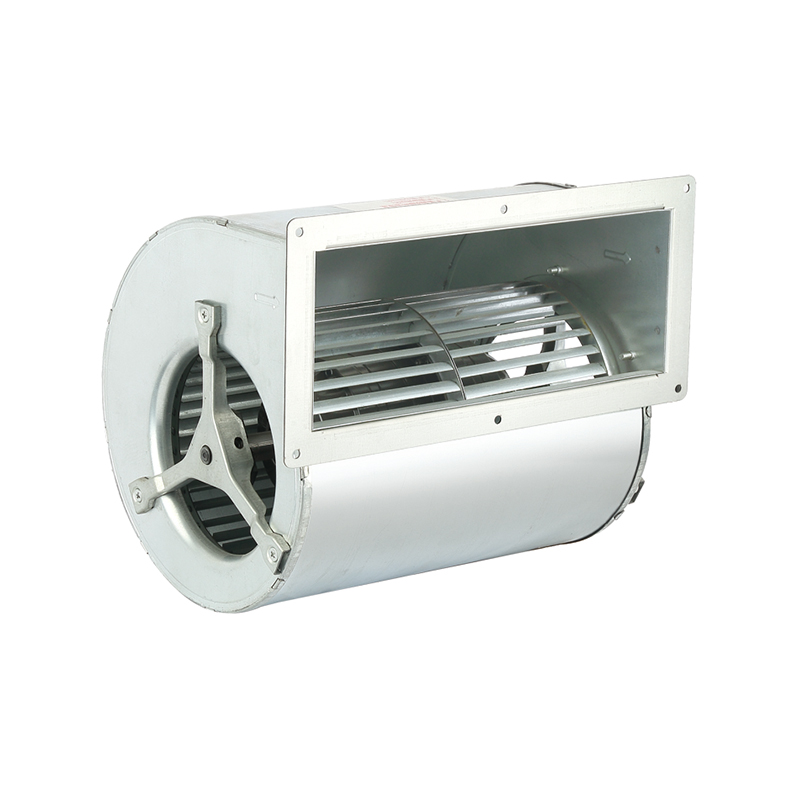
The DKT-133 Cooling Ventilation Double Inlet Air Conditioning Fan is d...
See Details
The DKT-146 Multi-Function Variable Frequency Double Inlet Air Conditi...
See Details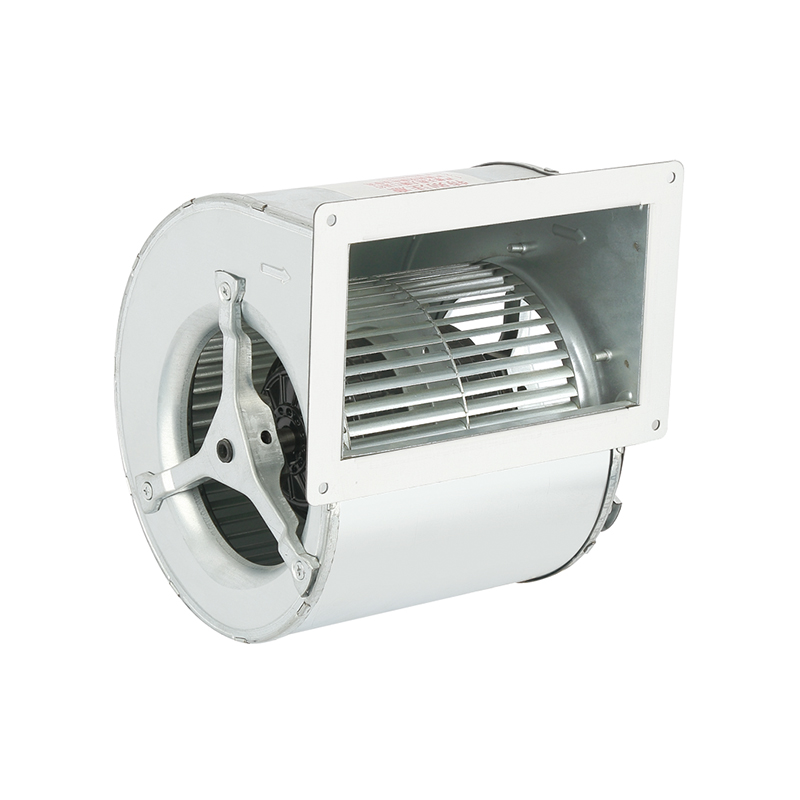
The DKT-160 Heat Dissipation Exhaust Double Inlet Air Conditioning Fan...
See Details
The DKT-180 Tilt Back Cool Down Double Inlet Air Conditioning Fan, a s...
See Details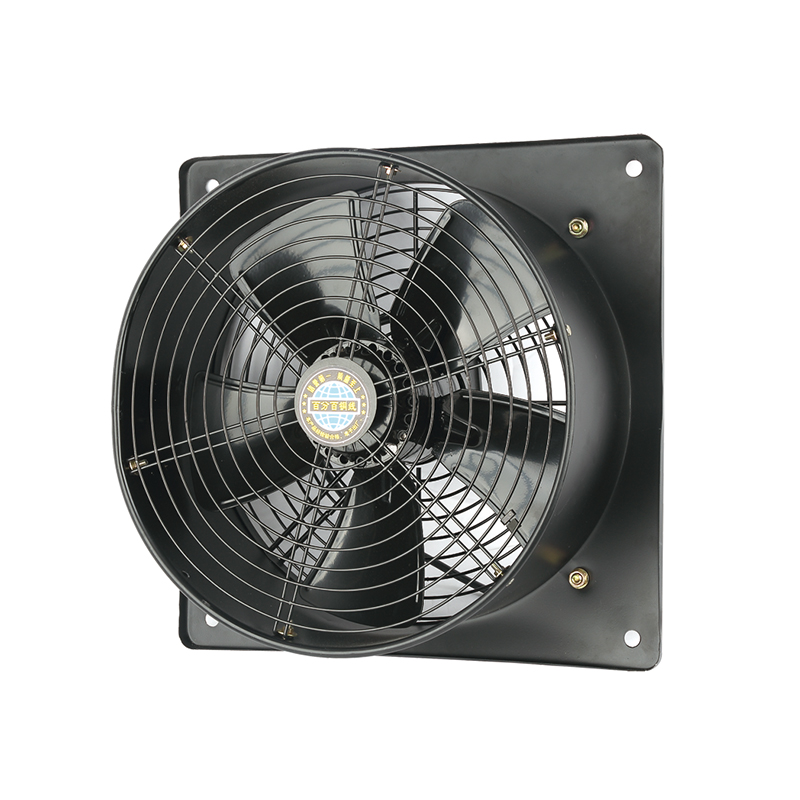
The YWF-400-2D2E Efficient Square form Axial fan is designed with a fo...
See Details
The YWF-350-2D2E Low noise Square form Axial Fan is designed with a co...
See Details
The YWF-350-4D4E Low vibration Square form Axial Fan is a outstanding ...
See Details
The YWF-400-4D4E Durable Square form Axial Fan is designed with advanc...
See Details
Qinlang focuses on providing high-quality products and considerate services, and is committed to meeting every expectation of our customers.
© Zhejiang Qinlang Electromechanical Co., Ltd.
Fans And Air-Cooling Equipment Factory
