 English
 русский
 عربى
عربى Español
Qinlang focuses on providing high-quality products and considerate services, and is committed to meeting every expectation of our customers.
The DKT-133 Cooling Ventilation Double Inlet Air Conditioning Fan is d...
See Details
Air never behaves exactly the same from one workplace to another. A spacious warehouse allows air to travel freely across long distances, while a crowded production area may interrupt every flow with equipment, shelving, or partition walls. Moisture, warm air, and suspended particles often gather wherever circulation slows down, making ventilation an ongoing part of daily operation rather than an occasional task.
A High Speed Axial Fan is often chosen where a continuous stream of air is needed instead of concentrated pressure. Air enters one side of the fan and leaves in nearly the same direction, allowing fresh air to replace stagnant air over a broad area. Such a movement appears simple, although the result depends on many surrounding conditions that cannot be seen at first glance.
Many people associate stronger ventilation with higher rotational speed. Daily operation rarely follows that assumption. Air naturally looks for the easiest path. Once a wall, machine, storage rack, or ceiling beam interrupts that path, part of the airflow changes direction while another part slows down. Under similar operating conditions, two identical fans may produce noticeably different air circulation simply because the surrounding space is arranged differently.
Another point often overlooked involves changing indoor conditions during a normal working day. Heat gradually accumulates near the ceiling. Cooler air settles closer to the floor. Without regular circulation, temperature and humidity become uneven from one area to another. Continuous airflow encourages air from different locations to mix more naturally, helping indoor conditions remain more stable.
Choosing ventilation equipment therefore involves more than selecting a higher rotational speed. Room layout, available installation space, airflow direction, and everyday operating conditions all influence practical performance. Looking at one specification alone rarely explains how air will actually move after installation.
Every rotating blade changes the direction of moving air. Shape may look like a small detail, yet even a slight adjustment influences how smoothly air passes across the blade before leaving the fan.
Blade profile often receives careful attention during product development. A gradual curve allows air to remain attached to the blade surface for a longer distance, reducing unnecessary turbulence. Different profiles create different airflow characteristics, making one design suitable for open spaces while another performs more effectively in restricted environments.
Blade angle shapes airflow in another way. A larger angle pushes more air forward during each rotation, although resistance rises at the same time. Reducing that angle usually creates a gentler flow with lower resistance. Neither approach works everywhere, so designers normally look for a balance that matches the intended application.
Number of blades also changes airflow distribution. Wider spacing creates larger passages for moving air. Additional blades spread airflow across more contact points, producing a different circulation pattern after air leaves the rotating assembly. Selection depends on expected operating conditions instead of following a fixed rule.
Attention extends beyond the blades themselves. Surface finish influences how easily air slides across each blade. Small imperfections disturb airflow long before such changes become visible. Balance matters as well. Even minor differences in blade weight may gradually increase vibration after long periods of operation.
| Design Feature | Influence | Result During Operation |
|---|---|---|
| Blade profile | Guides airflow direction | Smoother circulation |
| Blade angle | Changes airflow and resistance | Balanced performance |
| Blade quantity | Alters air distribution | More even coverage |
| Surface finish | Reduces airflow disturbance | Stable air movement |
| Blade balance | Limits unnecessary vibration | Consistent rotation |
No individual component determines airflow on its own. Every structural detail contributes a small part, and practical performance appears only after those parts work together.
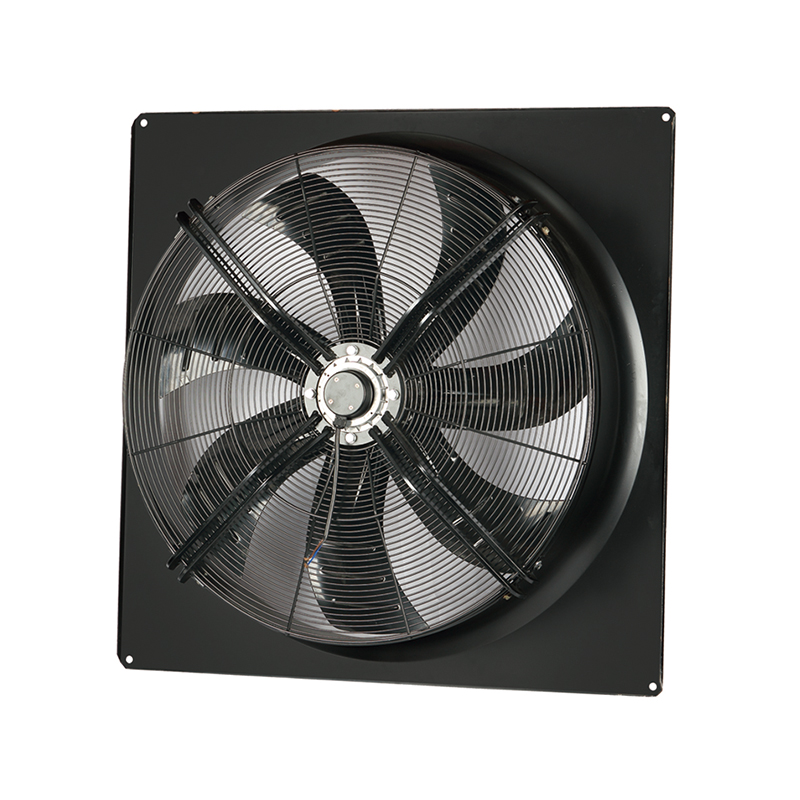
Air begins moving only after the motor transfers energy into the rotating blades. Stable rotation keeps airflow steady from moment to moment, while irregular movement often appears as changing air velocity across the working area.
Long operating periods place continuous demands on every rotating component. Shafts, bearings, and blade assemblies remain in motion for extended hours, making smooth operation more valuable than frequent speed changes. Reduced vibration not only lowers mechanical stress but also helps preserve a more even airflow pattern.
Working conditions slowly influence moving parts. Fine dust settles on exposed surfaces. Moisture may remain inside humid environments. None of those changes happens suddenly, although gradual accumulation often affects rotation after extended use. Regular cleaning and simple inspection usually prevent small problems from developing into noticeable airflow loss.
Motor selection normally reflects the ventilation task rather than speed alone. Large buildings often require air to travel across wider areas. Smaller rooms may benefit from controlled circulation directed toward particular locations. Matching operating characteristics with actual working conditions generally produces a more predictable result.
Performance on paper and performance inside a building are rarely identical.
Air leaving the fan immediately reacts to nearby surroundings. A clear path allows circulation to continue naturally. Machinery, storage racks, structural columns, suspended pipes, or partition walls redirect part of that airflow long before it reaches distant areas.
Building layout creates another difference. Open spaces encourage wider circulation, whereas narrow passages guide moving air in a more concentrated direction. Ceiling height also changes airflow behaviour because warm and cool air rarely remain at the same level for long.
Installation should therefore be viewed as part of the ventilation system instead of the final step after equipment selection. Suitable positioning often improves airflow more effectively than increasing rotational speed alone.
A High Speed Axial Fan may look steady during operation, yet nearby conditions keep changing in quiet ways. Air inside a building does not stay uniform for long. Warm zones, cooler corners, dust, and moisture all shift the way moving air behaves.
Temperature is one of the clearest influences. Heat from machines, lighting, or daily work often rises and collects near upper areas of a room. Lower zones may stay cooler for a while. Once that difference grows too large, air circulation can feel uneven. In some places, air moves easily. In others, it seems to hang still. That kind of unevenness is common in storage spaces, workrooms, and enclosed buildings where natural ventilation is limited.
Dust brings a different kind of trouble. Tiny particles settle slowly on exposed surfaces, so the change may not be obvious in the short term. After some time, blades can begin to carry a thin layer of buildup. Air passing over those surfaces no longer moves as smoothly as before. Vibration may also become a little more noticeable. None of that happens suddenly, yet it can affect airflow quality over time.
Humidity creates another layer of difficulty. Damp air tends to make dust cling more easily, and surfaces can stay dirty for longer. In places where moisture lingers, routine cleaning becomes more important than people sometimes expect. Small care steps often help prevent gradual loss of airflow performance.
A few habits are usually enough to keep conditions under control:
These checks are simple, yet they often matter more than occasional heavy maintenance. Airflow tends to stay steadier when the surroundings remain clean and open.
Material choice affects how well rotating parts handle repeated use. A fan may run for long periods, so strength, weight, and surface condition all matter.
Blade material has a direct effect on motion. A blade that is too heavy places extra load on the rotating system. A blade that lacks rigidity may change shape slightly during use. Either situation can affect how air moves. A practical design usually sits somewhere between those two extremes, with enough strength to hold its shape and enough lightness to keep movement smooth.
The outer structure matters as well. A firm housing helps support the internal parts and reduces unwanted movement. That support becomes more useful in places where the fan works for many hours each day. Less shaking often means a steadier airflow path.
Surface condition also deserves attention. Air flows across every blade surface on each turn. A clean and smooth surface helps air move with fewer interruptions. Wear, rough spots, or dirt create extra resistance and may make airflow feel less even.
| Component Area | What It Needs | What It Can Affect |
|---|---|---|
| Blade | Strength and suitable weight | Stable air movement |
| Housing | Firm support | Lower vibration |
| Fastening Parts | Secure fit | Reliable running |
| Surface Finish | Smooth airflow path | Even circulation |
Material selection is rarely about one feature alone. Weight, shape stability, and working surroundings need to be considered together. A part that looks suitable on paper may not behave the same way after long operation in a hot, dusty, or humid place.
Speed is easy to notice, so it often gets more attention than it should. Real airflow depends on how well the fan matches the space around it.
A wide warehouse needs air to travel across open areas. A room full of equipment needs air to move around obstacles and reach places that do not receive natural circulation. Smaller enclosed spaces may call for more controlled movement instead of broad coverage. The same fan speed may produce very different results in each of those settings.
Air direction matters just as much as air volume. A powerful stream that points in the wrong direction may leave the important area untouched. On the other hand, a more modest stream placed well can sometimes create better circulation across the whole room. That is why the layout of the space often matters as much as the fan itself.
Noise also enters the picture. In working spaces where people stay nearby for long periods, airflow needs to be balanced with comfort. A louder setting may not always fit the real use case. Sometimes a change in position, angle, or surrounding clearance can improve the result without forcing the fan to work harder.
Before choosing equipment, people usually look at a few practical points:
Different answers lead to different choices. That is one reason a setup that works well in one building may feel less useful in another.
An Axial Flow Fan Manufacturer affects performance long before installation starts. Design choices, assembly accuracy, and inspection all influence how air moves later on.
Blade shape is one part of that process. So is balance. So is the way the rotating parts fit together. If those details are handled carefully, the fan is more likely to run in a steady way once it reaches the site. Small differences during production can show up later as vibration, uneven airflow, or wear that develops too early.
Assembly quality is especially important. Parts that are not aligned well may create drag or noise during use. Over time, that can make airflow less stable than expected. A careful build helps the moving parts stay closer to their intended path.
Inspection after production adds another layer of control. Basic checks for rotation, fit, and balance can reveal issues before delivery. That kind of review does not change the structure by itself, yet it helps keep operation more predictable.
Experience from real working spaces also feeds back into manufacturing. Warehouses, workshops, processing areas, and other environments do not behave in the same way. Feedback from use in those places often shows where airflow holds up well and where it becomes uneven. That information can guide later adjustments in design and assembly.
A High Speed Axial Fan performs better when all of these parts stay in balance. Air movement depends on blade shape, motor steadiness, installation space, surface condition, and everyday maintenance. When those pieces fit the task and the environment, airflow becomes easier to keep under control.
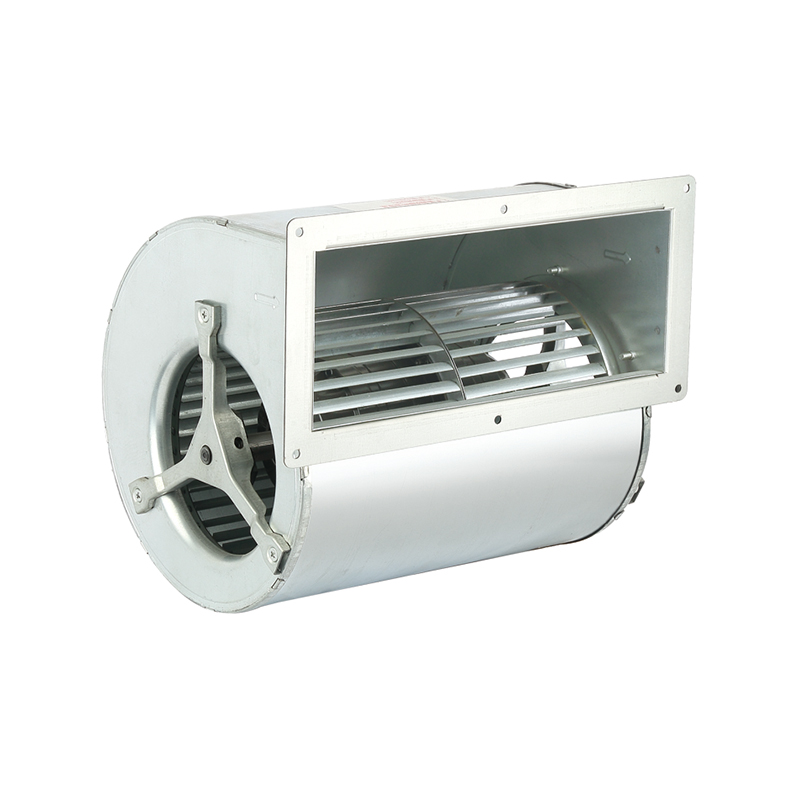
The DKT-133 Cooling Ventilation Double Inlet Air Conditioning Fan is d...
See Details
The DKT-146 Multi-Function Variable Frequency Double Inlet Air Conditi...
See Details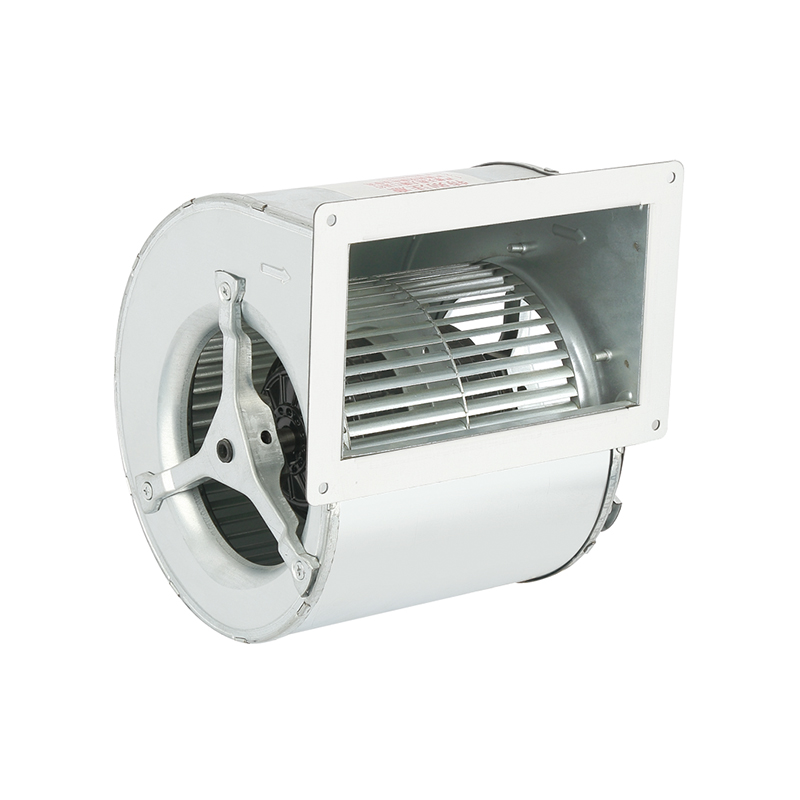
The DKT-160 Heat Dissipation Exhaust Double Inlet Air Conditioning Fan...
See Details
The DKT-180 Tilt Back Cool Down Double Inlet Air Conditioning Fan, a s...
See Details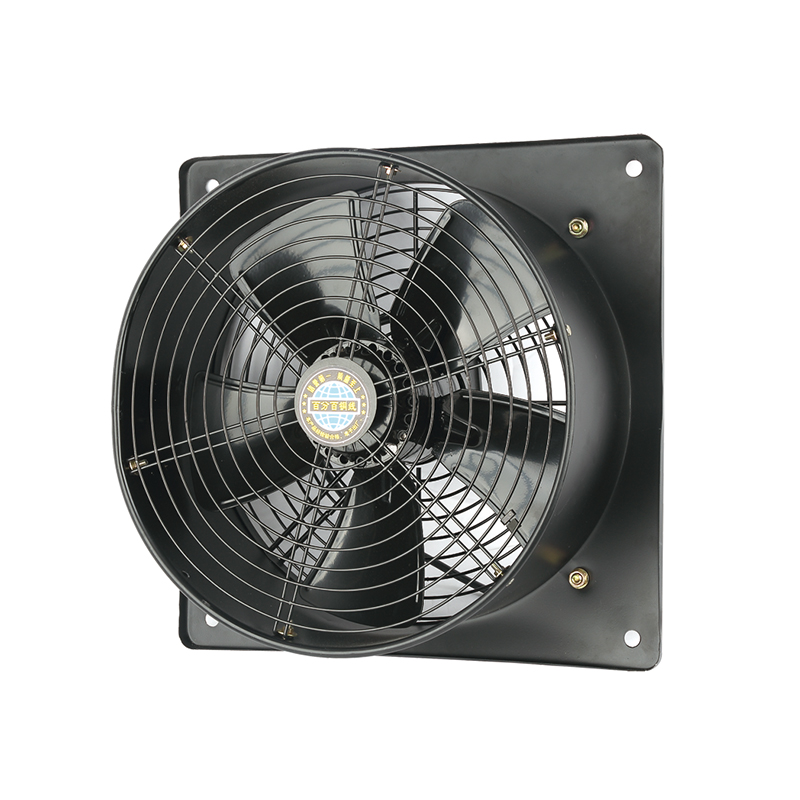
The YWF-400-2D2E Efficient Square form Axial fan is designed with a fo...
See Details
The YWF-350-2D2E Low noise Square form Axial Fan is designed with a co...
See Details
The YWF-350-4D4E Low vibration Square form Axial Fan is a outstanding ...
See Details
The YWF-400-4D4E Durable Square form Axial Fan is designed with advanc...
See Details
Qinlang focuses on providing high-quality products and considerate services, and is committed to meeting every expectation of our customers.
© Zhejiang Qinlang Electromechanical Co., Ltd.
Fans And Air-Cooling Equipment Factory
