 English
 русский
 عربى
عربى Español
Qinlang focuses on providing high-quality products and considerate services, and is committed to meeting every expectation of our customers.
The DKT-133 Cooling Ventilation Double Inlet Air Conditioning Fan is d...
See Details
Temporary work areas turn up in almost every trade: building sites, factory turnarounds, machinery overhauls, quick fabrication jobs, emergency fixes, and short-lived workshops. Nothing stays put for long. Gear gets shifted, stockpiles move, scaffolds rise and fall, and big sections stay open to the sky or only half-closed off with sheeting, fencing, or drop cloths.
Air goes bad fast—stale pockets form, heat collects where people are working, dust hangs instead of clearing, fumes from torches or chemicals sit heavy. Anyone on the job feels it straight away: too hot, too stuffy, head foggy, energy dropping, work slowing down.
Portable industrial axial fan handle this better than most alternatives. You grab one, move it where the trouble is right now, point it, and switch it on. No pipes to run, no walls to cut, no drawings to approve. As the day goes on and the work shifts from one spot to another, the same fan—or a couple of them—gets picked up and set down again to keep air moving where it counts.
Why Airflow Goes Wrong in Temporary Setups
Permanent plants have ventilation planned from the beginning—ducts in, ducts out, air changes figured out. Temporary sites start with zero of that. The usual troubles are:
Some frequent examples
| Trouble | What You See on Site | What It Does to the Job |
|---|---|---|
| Layout keeps changing | Cutting table dragged twenty feet after break | Old air paths close up; dead spots appear |
| Almost no natural flow | Deep inside a boiler, tank, or crawl space | Heat climbs fast; bad air concentrates |
| Job lasts a week or two | Emergency valve replacement over a weekend | Permanent gear isn't worth the trouble |
| Half-closed area | Three sides sheeted, one side wide open | Air circles instead of escaping |
| Hits the crew hard | Full shift in warm, dusty, smoky conditions | More water breaks, grumbling, less gets finished |
What Axial Fan Do
These fans pull air straight in the back and shove it straight out the front, following the line of the spinning blades. That gives a strong, narrow column of moving air that holds together longer than scattered flow from ordinary fans.
Why it suits temporary work
They beat box fans that just swirl everything and centrifugal units that want long hoses. With axial you get direction and distance without extra parts.
How They Get Used
| Kind of Job | Main Air Trouble | How the Fans Usually Run |
|---|---|---|
| Construction | Dust clouds from saws and grinders plus baking sun | Set upwind blowing fresh toward the crew |
| Plant shutdowns | Welding smoke, grinding dust, trapped heat in tight areas | Fresh-air fan in, exhaust fan out—push-pull |
| Temp fab shops | Workbench moves every couple hours, glue fumes | Fan follows the bench—morning here, afternoon there |
| Confined-space fixes | Exhaust from tools, low fresh air | String of fans feeding clean air deep inside |
| Outside seasonal work | Summer scorch or winter bite | Day-to-day tweak: cool breeze or aimed warmth |
Setting Them Up and Keeping Them Moving
Put it in the wrong place and it's just making wind and noise.
What works on site
Quick rules
Rule one: fan follows the work.
Day-to-Day Care
Small things that keep them going:
Extras
Different Spaces
Quick Planning
Even fast jobs have stages:
Keep an extra fan or two handy—something always breaks or the layout changes again.
What You Get
Better air means:
Safety basics
Portable industrial axial fan fit temporary work because they move when the job moves, point where you need them, take a beating, and ask almost nothing in return. Set them right, shift them often, wipe them down at night—they turn rough, changing spaces into places people can actually stand all day and still get the work done.
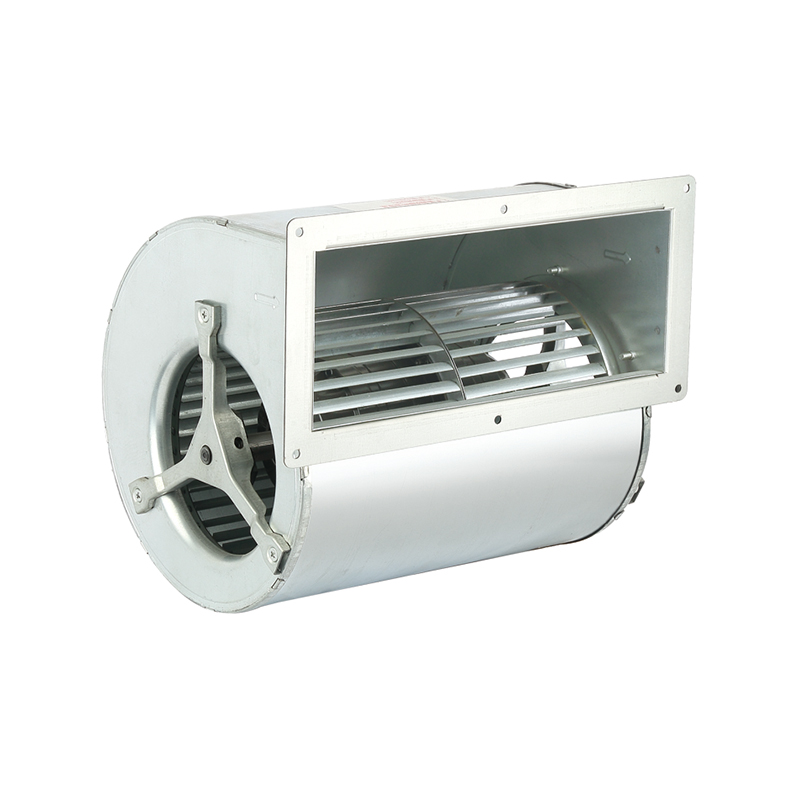
The DKT-133 Cooling Ventilation Double Inlet Air Conditioning Fan is d...
See Details
The DKT-146 Multi-Function Variable Frequency Double Inlet Air Conditi...
See Details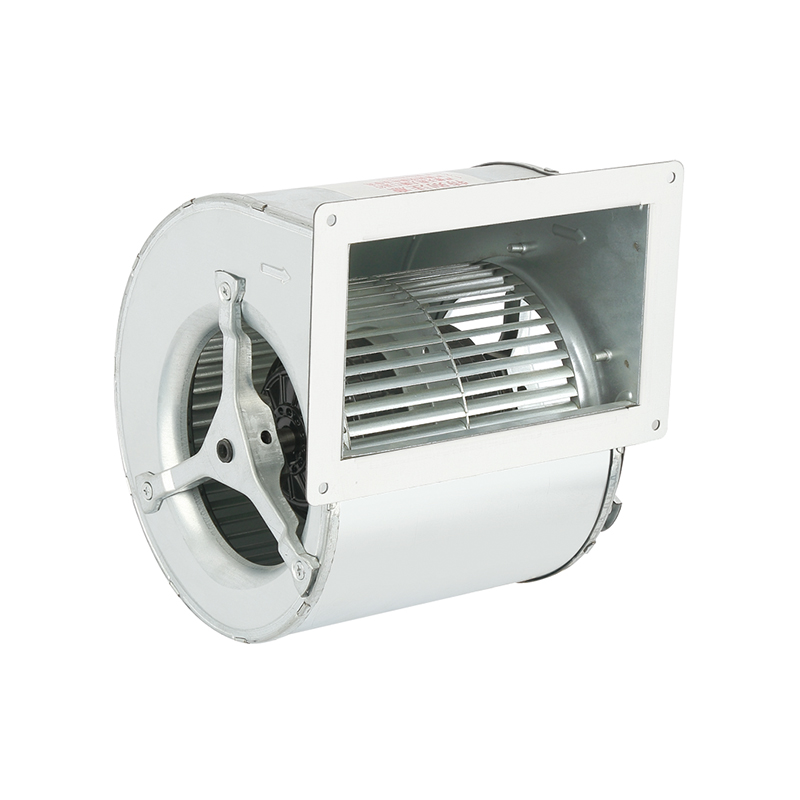
The DKT-160 Heat Dissipation Exhaust Double Inlet Air Conditioning Fan...
See Details
The DKT-180 Tilt Back Cool Down Double Inlet Air Conditioning Fan, a s...
See Details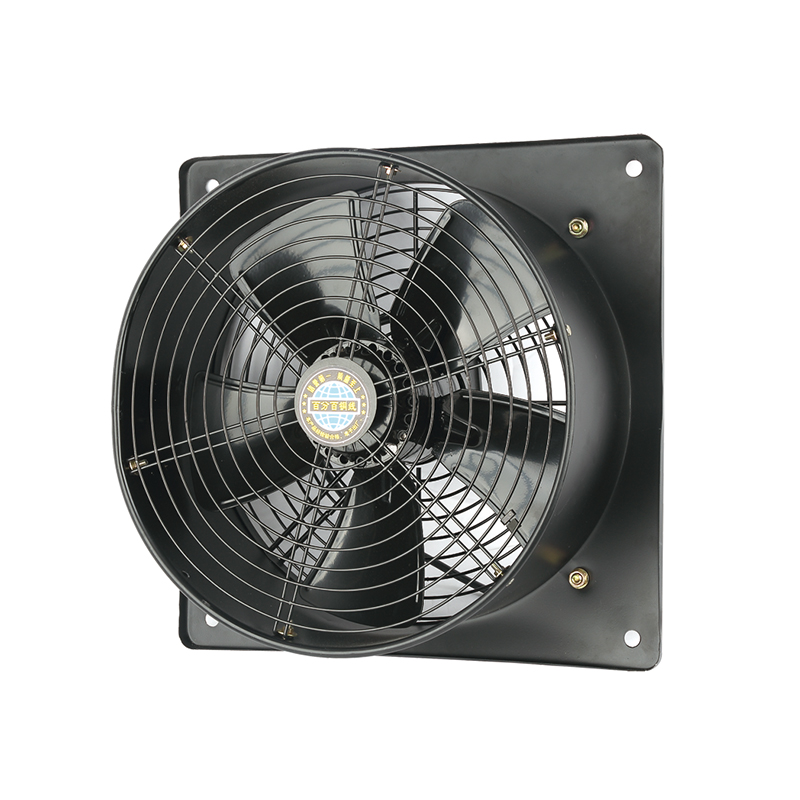
The YWF-400-2D2E Efficient Square form Axial fan is designed with a fo...
See Details
The YWF-350-2D2E Low noise Square form Axial Fan is designed with a co...
See Details
The YWF-350-4D4E Low vibration Square form Axial Fan is a outstanding ...
See Details
The YWF-400-4D4E Durable Square form Axial Fan is designed with advanc...
See Details
Qinlang focuses on providing high-quality products and considerate services, and is committed to meeting every expectation of our customers.
© Zhejiang Qinlang Electromechanical Co., Ltd.
Fans And Air-Cooling Equipment Factory
