 English
 русский
 عربى
عربى Español
Qinlang focuses on providing high-quality products and considerate services, and is committed to meeting every expectation of our customers.
The DKT-133 Cooling Ventilation Double Inlet Air Conditioning Fan is d...
See Details
Multistage centrifugal fan (also called multistage centrifugal blowers) are workhorses in places where air or gas needs to move steadily against real resistance—like long pipes, deep tanks, dusty ducts, or high filters. They don't grab headlines, but they're behind a lot of things people rely on every day: cleaner water coming out of treatment plants, fresh air reaching miners far underground, dry powders flowing smoothly through factory lines, or steady combustion in big industrial heaters.
A basic single-stage fan can move plenty of air when the path is short and open. But once you add distance, bends, filters, elevation changes, or material that needs to be carried along, the pressure requirement climbs fast. A single impeller starts to struggle—it either needs to spin much faster (using more power and making more noise) or grow much larger (taking up space and costing more to build).
Engineers solved this by putting several impellers in a row on one shaft inside the same housing. Each impeller gives the air a small, controlled push. By the time the air has passed through all the stages, the pressure has built up enough to handle tough jobs without the fan becoming oversized or inefficient. It's like handing off a heavy load down a line of people instead of one person trying to carry it the whole way alone.
Air enters at one end through a smooth, rounded inlet. It flows straight toward the center of the first spinning impeller.
The impeller—basically a wheel with carefully shaped blades—rotates quickly (often 1,000–3,600 rpm, depending on size). The blades catch the air and fling it outward toward the rim. That outward throw is centrifugal force doing its job: the air gains speed as it moves away from the center.
After leaving the blades, the fast-moving air enters a wider area called the diffuser. Here the passage widens, so the air slows down. Much of that speed energy turns into pressure—exactly what the system needs.
Instead of exiting the fan right away, this now-pressurized air curves through a return channel and heads toward the center of the second impeller. The second impeller repeats the process: grabs the air, flings it outward again, adds more speed, then converts that speed to even higher pressure in its diffuser.
This cycle repeats through every stage (typically 3–8, sometimes more). Finally, after the last stage, the air leaves through the discharge opening with noticeably higher pressure than when it started. The whole trip through the fan takes a fraction of a second, but the pressure has climbed step by step.
People usually notice multistage centrifugal fans (or start asking about them) in these kinds of settings:
In each case, the fan's job is the same: deliver reliable airflow and pressure for hours, days, or weeks without drama.
Because pressure builds gradually across multiple stages, the fan can handle demanding conditions without needing extreme speeds or oversized motors. That usually means:
Many of these fans stay in service 15–25 years with normal attention. The key parts that eventually need work are bearings (they spin constantly), impeller surfaces (especially in dusty or abrasive air), and seals (to stop small leaks).
Keeping one running smoothly—simple habits that matter
With those basics covered, sudden breakdowns become rare, and the fan blends into the background—just doing its job quietly.
A few things people often wonder about once they start looking closer
Can you slow them down to save power?
Yes—pairing with a variable frequency drive lets the motor run slower when full pressure or flow isn't needed. Power savings can be large because fan energy use drops sharply with reduced speed.
How loud are they?
They make a steady whooshing or humming sound rather than sharp impacts. In open industrial areas it's noticeable but rarely overwhelming; enclosures or distance usually make them easy to live with.
What if the air is hot, wet, or corrosive?
Builders offer versions with stainless steel, special alloys, or coatings so the fan handles elevated temperatures, moisture, or mildly aggressive gases without quick deterioration.
Multistage centrifugal fans aren't glamorous equipment. They sit out of sight in machinery rooms, on rooftops, or in remote skids, quietly moving air where it's needed against whatever stands in the way. When chosen right and looked after, they run for years with very little fuss—exactly what most operations want from background machinery.
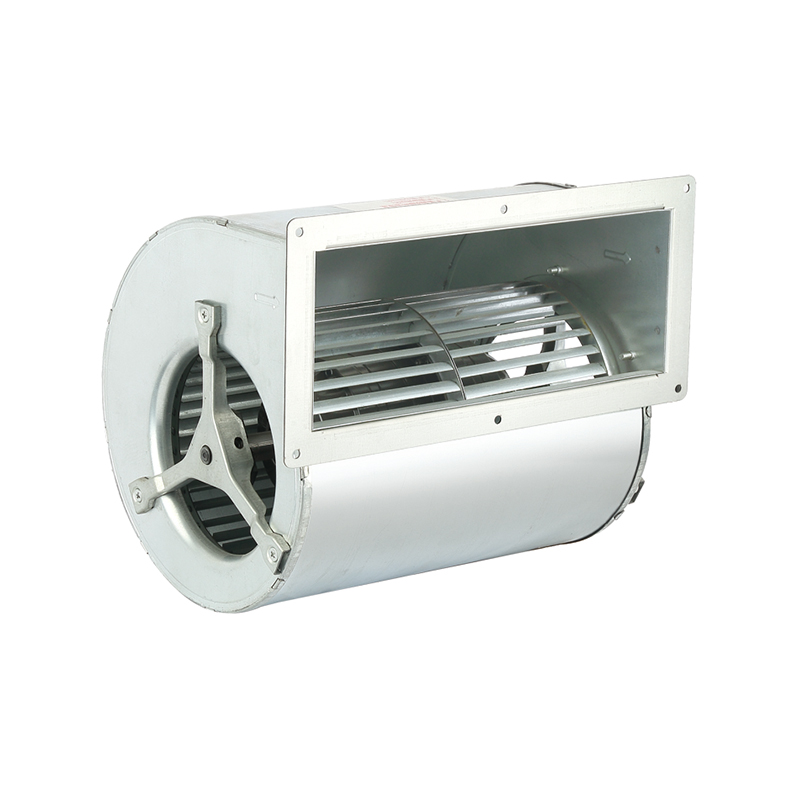
The DKT-133 Cooling Ventilation Double Inlet Air Conditioning Fan is d...
See Details
The DKT-146 Multi-Function Variable Frequency Double Inlet Air Conditi...
See Details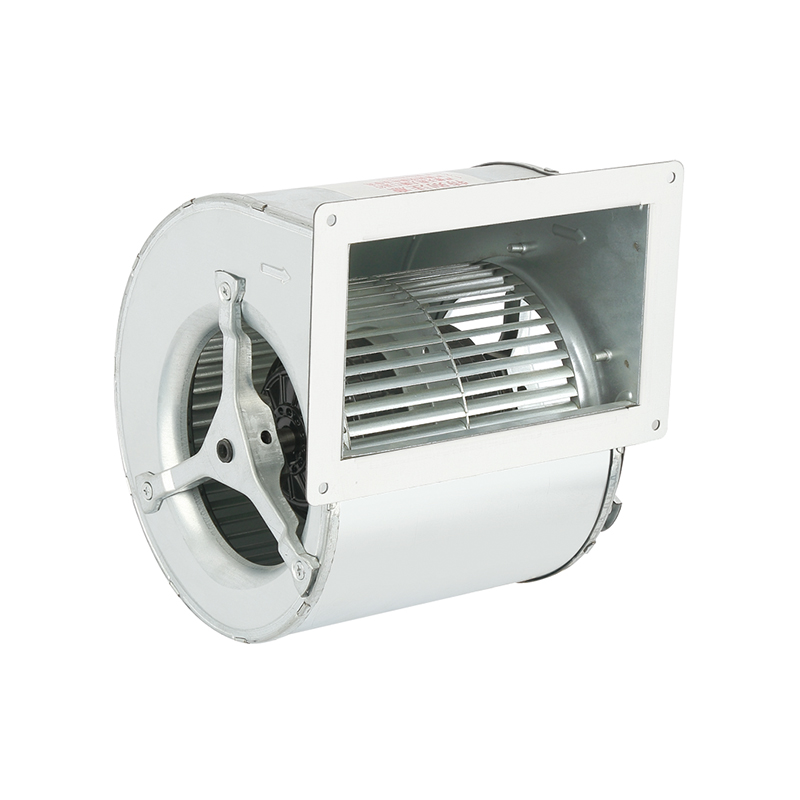
The DKT-160 Heat Dissipation Exhaust Double Inlet Air Conditioning Fan...
See Details
The DKT-180 Tilt Back Cool Down Double Inlet Air Conditioning Fan, a s...
See Details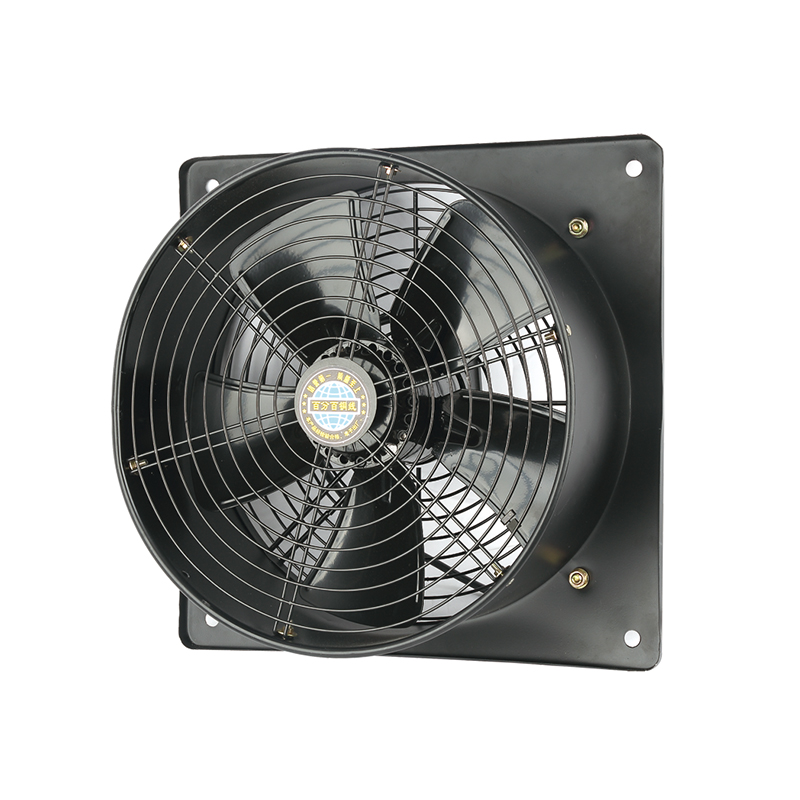
The YWF-400-2D2E Efficient Square form Axial fan is designed with a fo...
See Details
The YWF-350-2D2E Low noise Square form Axial Fan is designed with a co...
See Details
The YWF-350-4D4E Low vibration Square form Axial Fan is a outstanding ...
See Details
The YWF-400-4D4E Durable Square form Axial Fan is designed with advanc...
See Details
Qinlang focuses on providing high-quality products and considerate services, and is committed to meeting every expectation of our customers.
© Zhejiang Qinlang Electromechanical Co., Ltd.
Fans And Air-Cooling Equipment Factory
