 English
 русский
 عربى
عربى Español
Qinlang focuses on providing high-quality products and considerate services, and is committed to meeting every expectation of our customers.
The DKT-133 Cooling Ventilation Double Inlet Air Conditioning Fan is d...
See Details
In centrifugal fan systems, how you lay out the ducts really shapes the noise levels. Every bend, elbow, or branch junction can stir up turbulence, which shows up as pressure fluctuations and audible noise. Making bends smooth and gradually changing diameters helps prevent flow separation and swirling, the main culprits for unwanted noise. Even tiny misalignments in duct sections can make the fan sound harsher as fast-moving air brushes along the duct walls.
The sharper a bend, the more likely it is to create swirling air pockets, which push up localized pressure and increase noise. Gentle curves and carefully chosen angles at branch take-offs let air glide through more smoothly, keeping velocities steady and flow stable. Correct branch alignment also helps avoid interference between main and side ducts, reducing noise across the system.
What the ducts are made of and how smooth the inside surface is also matters a lot. Smooth walls reduce friction, which eases the fan's workload and quiets turbulence-driven noise. Adding acoustic lining absorbs high-frequency sounds, and anti-vibration mounts prevent noise from traveling through the building structure. Even small tweaks to wall thickness or material elasticity can noticeably change what you hear, so picking the right material and finish is key.
Dust building up inside fans and ducts can really mess with performance. When it sticks to blades or impellers, airflow isn't smooth anymore. The fan has to work harder, turbulence spikes, and friction increases. This can throw off air distribution, raise pressure losses, and use more energy, all while making the environment less comfortable.
Dust on impeller blades changes their shape, causing air to separate early and swirl behind the blade. The fan needs extra energy to keep airflow steady, and uneven forces can stress bearings and shafts, shortening their lifespan. Regular cleaning and inspections make sure blades keep their intended profile, keeping airflow smooth and equipment running longer.
Dust along the duct walls roughens surfaces and boosts friction, especially around bends and junctions where airflow naturally gets chaotic. The fan has to push harder, wasting energy and sometimes creating uneven airflow at the endpoints. Routine cleaning, filtration, and keeping an eye on dust levels helps maintain consistent airflow and efficiency.
| Dust Accumulation Location | Performance Impact | Recommended Action |
|---|---|---|
| Impeller blades | Efficiency drops, pulsation | Clean and inspect regularly |
| Duct surfaces | Higher pressure loss | Schedule duct cleaning |
| Branch junctions | Turbulent flow | Monitor and clean airflow |
Backpressure swings in ductwork have a big effect on energy use and how stable airflow is. If resistance rises because of blockages, bends, or long duct runs, the fan has to work harder. On the flip side, lower-than-expected backpressure can push too much air into certain branches, wasting energy and causing uneven distribution. Knowing how backpressure relates to fan load is critical for efficiency.
Adjustable dampers and variable-speed fan control give the system flexibility to handle backpressure changes. Blade angles and fan speed can be tweaked to maintain airflow without wasting energy. Pressure sensors placed throughout the network help predict fluctuations, easing stress on fans and ducts.
Different duct layouts react differently to backpressure. Dense, multi-branch networks are more sensitive because of cumulative losses, while long, straight ducts behave more predictably. Optimizing branch order, duct sizing, and combining that with active control can reduce energy waste and maintain balanced airflow.
| Duct Configuration | Sensitivity to Backpressure | Energy Impact |
|---|---|---|
| Long Main Duct + Branches | Medium | Moderate |
| Dense Multi-Branch | High | High |
| Distribution Box + Dampers | Low | Low |
Choosing and running the fan right is essential for keeping airflow precise in complex systems. A Forward Curved Centrifugal Fan works well in multi-zone setups, providing steady volume under moderate pressure changes and keeping noise relatively low. Pairing the fan motor with the right control system ensures it responds well to different loads.
Adaptive control, using real-time pressure and velocity readings, lets the system adjust dampers and blade angles quickly, avoiding big swings in pressure or airflow. Smooth startup and ramp-up reduce sudden airflow disturbances. Regular checks on fan health, bearings, and motor efficiency help maintain consistent performance. Adding variable-speed control lets the system tweak energy use dynamically, keeping comfort steady across all zones.
The way ducts are laid out can make a big difference in both noise and energy efficiency. Adjusting branch angles, transitions, and duct sizes helps reduce turbulence and pressure swings. Distribution boxes or balancing dampers at key points let you fine-tune airflow to each zone. Simulations and iterative testing can pinpoint areas with high pressure drops or acoustic hotspots, letting designers make fixes before installation. Even small changes in layout or damper settings can noticeably improve system performance and airflow consistency.
Keeping an HVAC system running smoothly over time really comes down to regular maintenance. Dust collecting in ducts, worn-out dampers, and aging ductwork can all mess with airflow and push up energy use. Sticking to a clear schedule for cleaning, monitoring, and tweaking dampers helps keep turbulence, noise, and pressure swings under control. Checking airflow patterns, sensor readings, and fan condition on a regular basis lets you catch issues early, avoid surprises, and keep the system efficient while extending equipment life.
In today's HVAC setups, having a monitoring system that keeps an eye on airflow, pressure, and load all the time really helps. These systems can tweak dampers, adjust fan speed, and balance airflow across zones automatically. By connecting this monitoring with adaptive controls, you can cut down the effects of dust, backpressure changes, and turbulence, keeping everything running smoothly and efficiently without having to constantly check or adjust things manually.
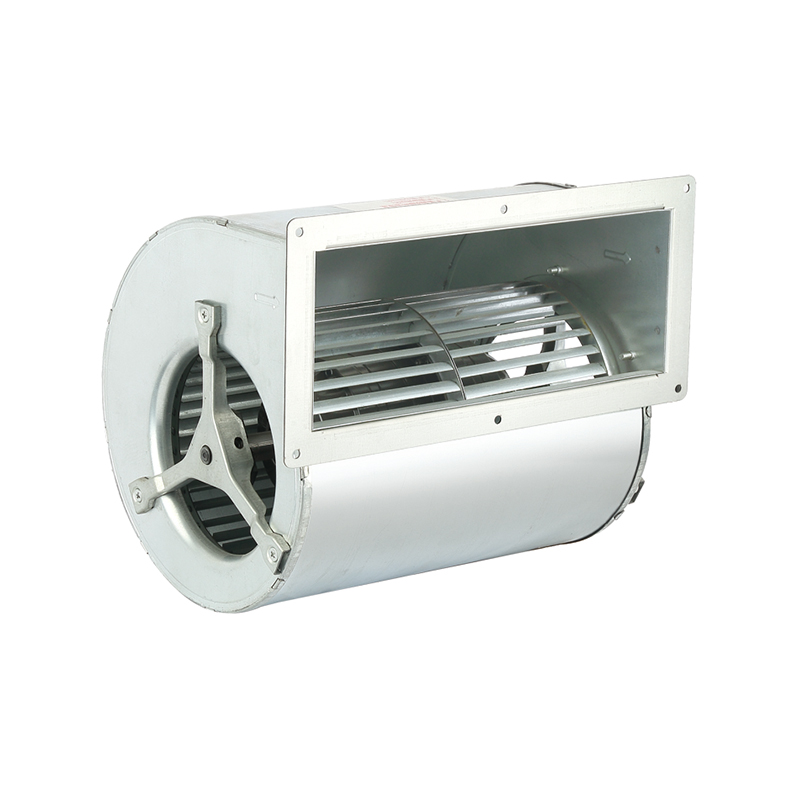
The DKT-133 Cooling Ventilation Double Inlet Air Conditioning Fan is d...
See Details
The DKT-146 Multi-Function Variable Frequency Double Inlet Air Conditi...
See Details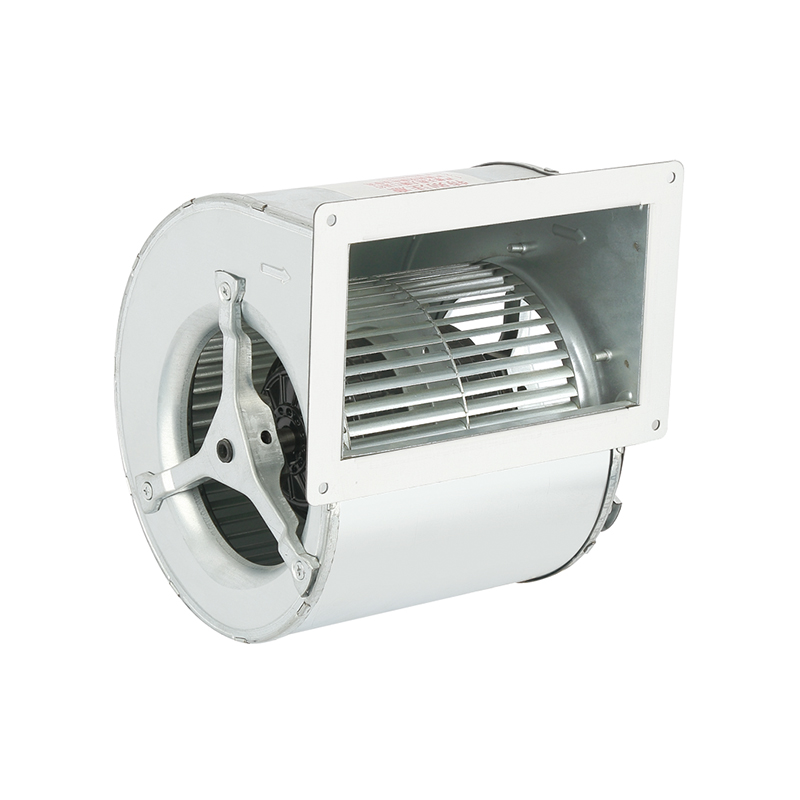
The DKT-160 Heat Dissipation Exhaust Double Inlet Air Conditioning Fan...
See Details
The DKT-180 Tilt Back Cool Down Double Inlet Air Conditioning Fan, a s...
See Details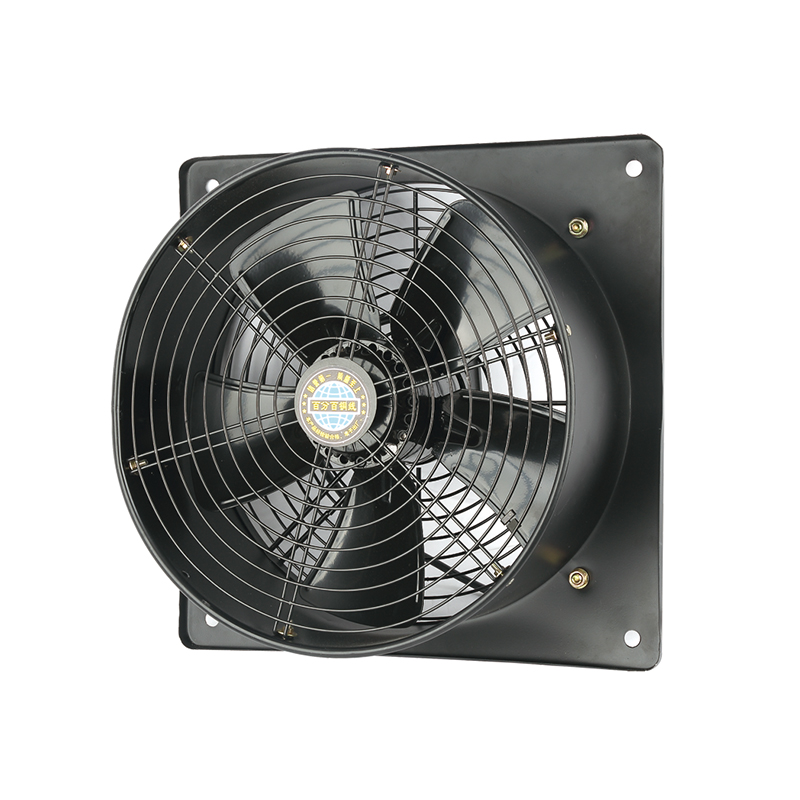
The YWF-400-2D2E Efficient Square form Axial fan is designed with a fo...
See Details
The YWF-350-2D2E Low noise Square form Axial Fan is designed with a co...
See Details
The YWF-350-4D4E Low vibration Square form Axial Fan is a outstanding ...
See Details
The YWF-400-4D4E Durable Square form Axial Fan is designed with advanc...
See Details
Qinlang focuses on providing high-quality products and considerate services, and is committed to meeting every expectation of our customers.
© Zhejiang Qinlang Electromechanical Co., Ltd.
Fans And Air-Cooling Equipment Factory
