 English
 русский
 عربى
عربى Español
Qinlang focuses on providing high-quality products and considerate services, and is committed to meeting every expectation of our customers.
The DKT-133 Cooling Ventilation Double Inlet Air Conditioning Fan is d...
See Details
Large air volume centrifugal fans are really the backbone of air circulation in industrial, commercial, and public spaces. They don't just move air—they need to move it steadily and reliably. When they're running under heavy loads for long periods, any small problem with the impeller, bearings, ducts, or control system can cause airflow to fluctuate, system pressure to jump around, and even raise energy use and wear. For engineers and maintenance teams, understanding the fan's design, how it operates, and how to use smart controls is essential for keeping things running smoothly and efficiently.
High-load operation isn't something you can just "set and forget." It requires looking at airflow stability, impeller balance, duct layout, and control systems. Optimizing all of these aspects helps keep airflow steady, vibration low, noise down, and the whole fan system running longer without problems.
When fans run at high loads, airflow stability becomes a big challenge. You might see fluctuating airflow, spikes or drops in pressure, louder noise, and higher energy use. Stability depends not just on the fan itself, but also on duct design, impeller shape, installation precision, operating parameters, and environmental conditions. To keep airflow steady, there are three main areas to focus on: the impeller, the ducts, and monitoring during operation.
The impeller is basically the heart of the fan. How it's designed affects airflow, static pressure, and mechanical load. Under heavy load, the impeller has to handle big centrifugal forces while keeping air moving smoothly without turbulence or backflow.
With careful design, the impeller keeps airflow steady, reduces vibration and noise, and prolongs fan life—even under heavy-duty operation.
How you design the duct system directly affects airflow. Poorly designed ducts can lead to turbulence, uneven airflow, pressure drops, and extra noise.
| Factor | Effect on Airflow | Recommended Solution |
|---|---|---|
| Inlet Shape | Uneven velocity may cause airflow fluctuation | Gradual expansion inlet or guide vanes |
| Outlet Duct | Sharp bends increase pressure loss | Smooth transitions, fewer bends |
| Branch Distribution | Unequal branch load causes main duct fluctuations | Adjust valves for balance |
Proper duct and branch planning reduces turbulence, keeps airflow steady, and improves overall efficiency under heavy loads.
Keeping an eye on key parameters while the fan runs is crucial: pressure, airflow, vibration, and bearing temperature are all important signals.
With proper monitoring, airflow stays steady, equipment wears less, and system reliability goes up—even under heavy-duty operation.
Over time, impellers can get uneven mass distribution from wear, manufacturing tolerances, or debris hitting the blades. That leads to vibration, noise, extra bearing load, and unstable airflow, which shortens equipment life.
Impeller balancing minimizes centrifugal forces while the impeller spins, which reduces vibration and noise.
Static balancing works for basic adjustments, while dynamic balancing improves stability at high load.
| Indicator | What You See | Needs Adjustment? |
|---|---|---|
| Vibration | Amplitude spikes at rotational frequency | Yes |
| Noise | Sharp, periodic sounds | Yes |
| Bearing Temp | Unusually high | Yes |
| Airflow | Unstable or noticeable pressure swings | Yes |
Balancing the impeller regularly keeps airflow steady, reduces bearing stress, and extends fan life.
Using smart control and VFDs really helps fans perform under heavy load.
These approaches keep airflow steady, save energy, and protect equipment under heavy load.
Coordinating these strategies ensures efficient, reliable operation even under heavy-duty conditions.
Keeping large air volume centrifugal fan running smoothly under heavy load really comes down to paying attention to every part of the system. From choosing the right impeller design and materials, to planning ducts carefully, and using smart controls like VFDs and real-time monitoring, each piece matters. When all these factors work together, the fans deliver steady airflow, use energy more efficiently, experience less wear, and last longer. It's really a combination of smart engineering, thoughtful layout, and proactive control that lets these fans handle tough conditions day in and day out without any trouble.
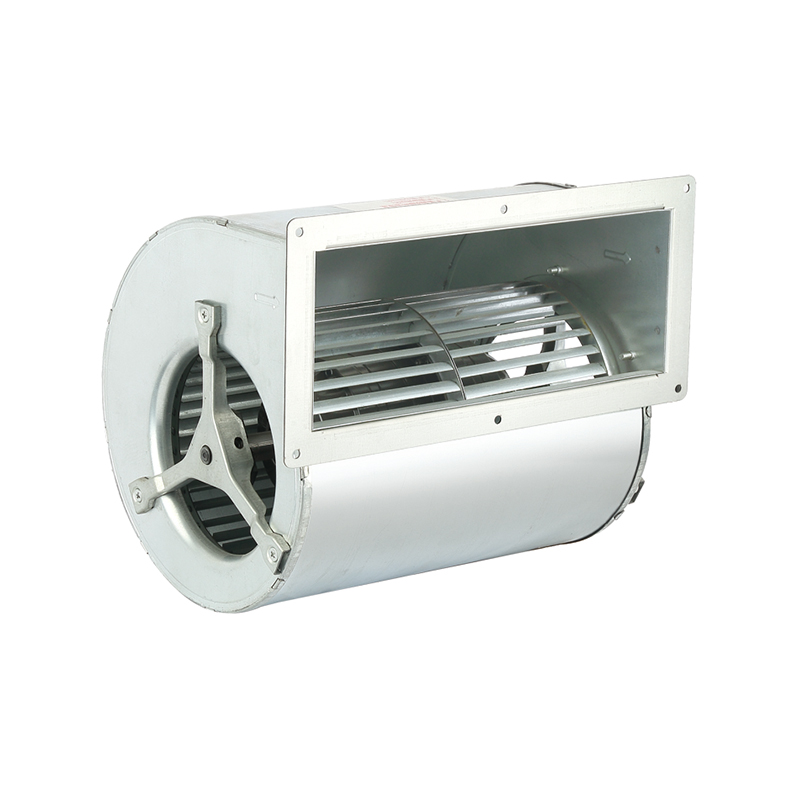
The DKT-133 Cooling Ventilation Double Inlet Air Conditioning Fan is d...
See Details
The DKT-146 Multi-Function Variable Frequency Double Inlet Air Conditi...
See Details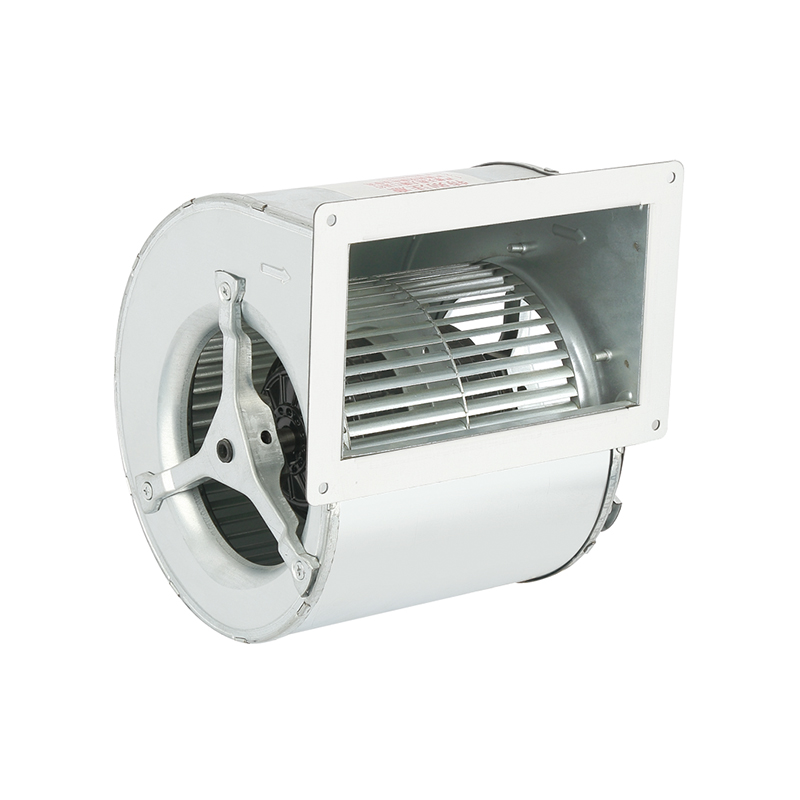
The DKT-160 Heat Dissipation Exhaust Double Inlet Air Conditioning Fan...
See Details
The DKT-180 Tilt Back Cool Down Double Inlet Air Conditioning Fan, a s...
See Details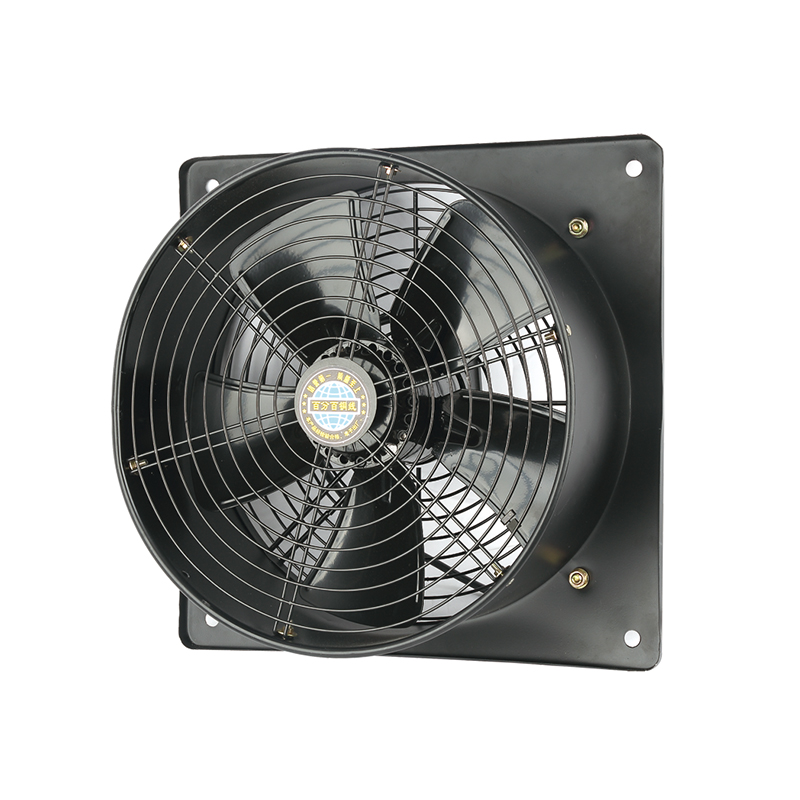
The YWF-400-2D2E Efficient Square form Axial fan is designed with a fo...
See Details
The YWF-350-2D2E Low noise Square form Axial Fan is designed with a co...
See Details
The YWF-350-4D4E Low vibration Square form Axial Fan is a outstanding ...
See Details
The YWF-400-4D4E Durable Square form Axial Fan is designed with advanc...
See Details
Qinlang focuses on providing high-quality products and considerate services, and is committed to meeting every expectation of our customers.
© Zhejiang Qinlang Electromechanical Co., Ltd.
Fans And Air-Cooling Equipment Factory
