 English
 русский
 عربى
عربى Español
Qinlang focuses on providing high-quality products and considerate services, and is committed to meeting every expectation of our customers.
The DKT-133 Cooling Ventilation Double Inlet Air Conditioning Fan is d...
See Details
A portable ventilation fan sitting in the corner of a truck bed doesn't help anyone until someone takes it out, sets it up, and points it the right way. The hardware itself—whether it's a straightforward axial unit or a blower with duct connections—only does its job when it's handled with some forethought. On busy job sites, where heat, dust, welding smoke, paint vapors, or just plain stale air can slow people down or create discomfort, the difference between a fan that actually improves conditions and one that becomes an annoyance often comes down to everyday habits rather than fancy features.
Crews who treat ventilation as something they "just do" tend to get steadier airflow, fewer complaints about stuffiness, and less time spent repositioning equipment mid-shift.
Planning Airflow Before You Even Unplug the Cord
Jumping straight to "plug it in and turn it on" usually leads to at least one readjustment later. Taking a couple of minutes to read the space first saves more time than it costs.
Think about how the day might unfold. If the crew starts in one bay and moves to another by lunch, plan placement so the fan can serve both areas with minimal fuss, or so ducting can reach the second spot without major rerouting. Consider what's generating the problem: grinding creates fine particles that need to move away quickly, welding needs smoke extracted at the source, drying concrete benefits from steady movement across the whole floor.
Quick planning checklist many crews run through:
A short pause to map this out means the fan goes where it will help most from the start, rather than fighting the layout all day.
Setting It Down Right So It Stays Useful and Safe
Placement sounds basic, but small choices here prevent a lot of common headaches: tipping units, blocked intakes, trip hazards, or airflow that never reaches the people who need it.
Field guidelines crews tend to follow:
Good placement means the fan keeps working without constant babysitting or creating new problems.
Keeping an Eye on It While It Runs
Job sites aren't static. Doors swing open, tarps get pulled back, more welders show up, or the sun moves and heats a different wall. Checking in every so often keeps the ventilation matched to what's actually happening.
Make small adjustments as the day goes on:
Quick, casual checks during water breaks or tool swaps keep the fan useful instead of letting it become background noise that isn't helping anymore.
Wrapping Up and Putting It Away Properly
How you treat the fan at the end of the shift has a big effect on how ready it is next time—and how long it lasts overall.
Routine end-of-day habits:
A few minutes of care at shutdown means the fan stays dependable and doesn't turn into something that needs repair before it can be used again.
Portable ventilation fans don't need to be complicated to be effective. When crews build simple habits—planning the airflow path first, setting the unit down thoughtfully, watching how it performs as the day changes, and putting it away cleanly—the air stays fresher, the work feels less punishing, and the equipment lasts longer. These aren't flashy tricks; they're just consistent, practical moves that make ventilation a reliable part of the job instead of an afterthought. Over time, that consistency shows up in fewer headaches, better working conditions, and smoother days on site.
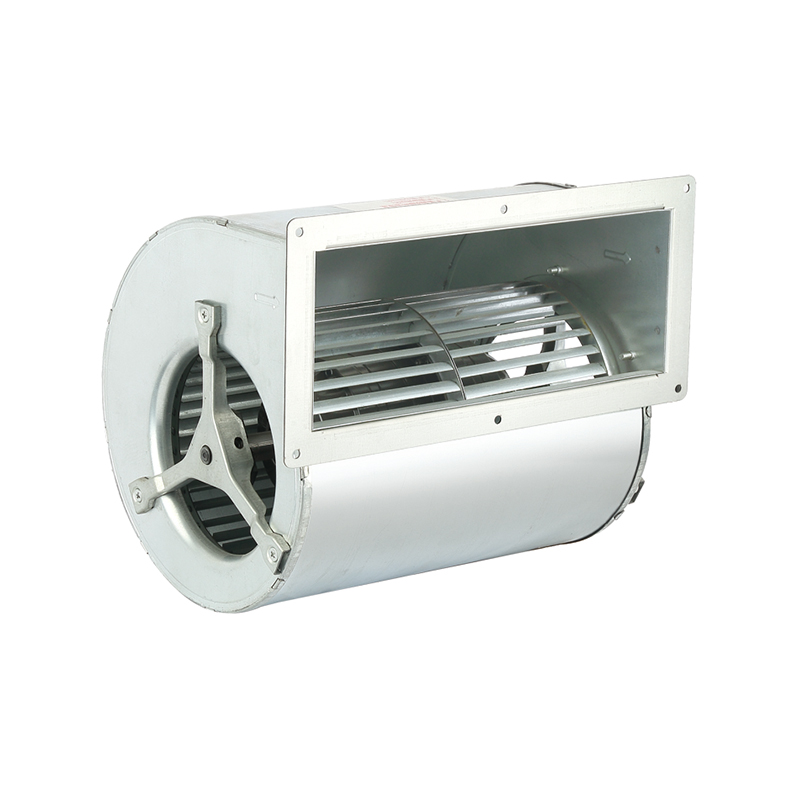
The DKT-133 Cooling Ventilation Double Inlet Air Conditioning Fan is d...
See Details
The DKT-146 Multi-Function Variable Frequency Double Inlet Air Conditi...
See Details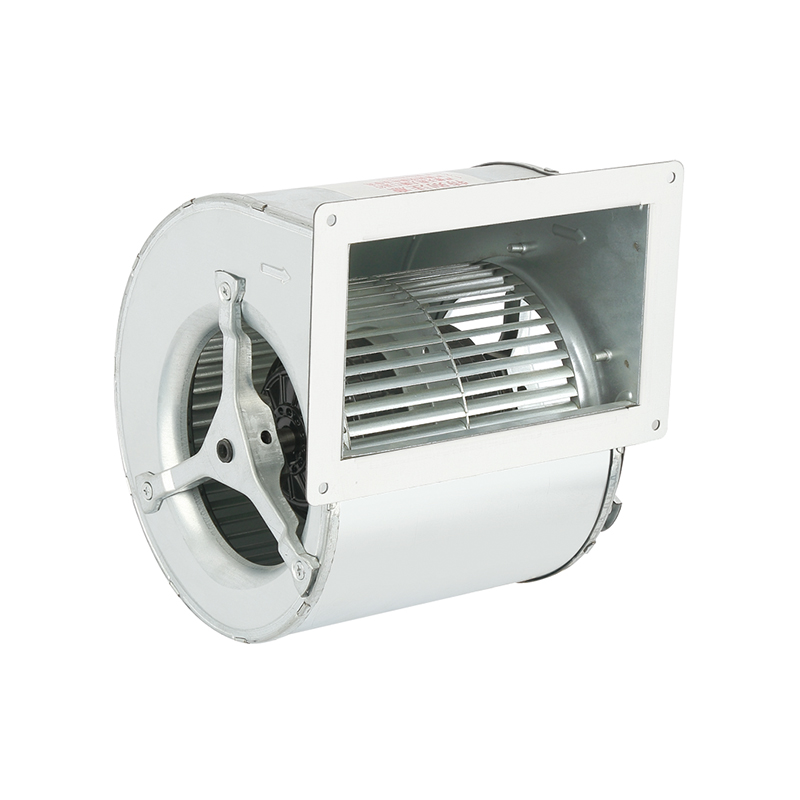
The DKT-160 Heat Dissipation Exhaust Double Inlet Air Conditioning Fan...
See Details
The DKT-180 Tilt Back Cool Down Double Inlet Air Conditioning Fan, a s...
See Details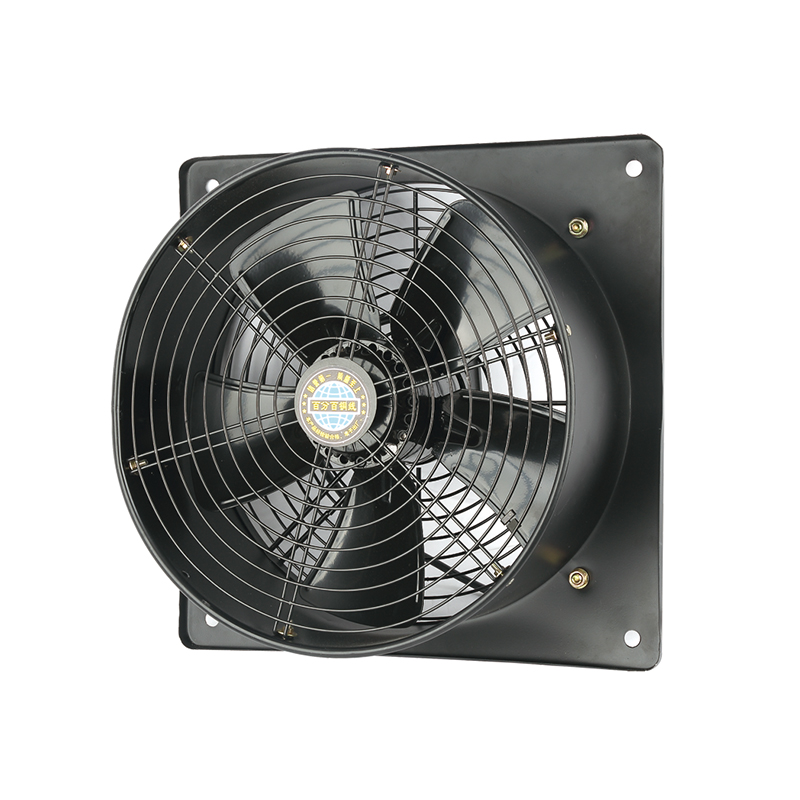
The YWF-400-2D2E Efficient Square form Axial fan is designed with a fo...
See Details
The YWF-350-2D2E Low noise Square form Axial Fan is designed with a co...
See Details
The YWF-350-4D4E Low vibration Square form Axial Fan is a outstanding ...
See Details
The YWF-400-4D4E Durable Square form Axial Fan is designed with advanc...
See Details
Qinlang focuses on providing high-quality products and considerate services, and is committed to meeting every expectation of our customers.
© Zhejiang Qinlang Electromechanical Co., Ltd.
Fans And Air-Cooling Equipment Factory
