 English
 русский
 عربى
عربى Español
Qinlang focuses on providing high-quality products and considerate services, and is committed to meeting every expectation of our customers.
The DKT-133 Cooling Ventilation Double Inlet Air Conditioning Fan is d...
See Details
Ventilation needs change depending on where the work happens and what exactly needs to be accomplished. A single fan style rarely handles every situation equally well. Some jobs call for moving a large volume of air across a wide, open area. Others require forcing air through narrow passages, pulling fumes out of tight corners, or supplying fresh air to a confined zone. Picking between a portable industrial axial fan and a portable ventilator fan usually comes down to understanding those real differences in the environment and the goal.
Both types are built to be moved from place to place, yet the way each one pushes (or pulls) air creates noticeably different results in practice. Getting familiar with those differences helps avoid situations where the fan is running but not really solving the problem. Whether the task involves cooling people in a big shop, clearing dust during sanding, removing paint vapors, or drying out a damp basement, the right airflow pattern makes the difference between a tool that helps and one that merely makes noise.
How the Air Actually Moves and Why That Matters
The most noticeable difference appears in the direction air travels as it leaves the fan.
A portable industrial axial fan draws air in from the back and sends it straight out the front along roughly the same straight line. Picture a column of air moving forward in a fairly direct path. Because the blades spin in the same direction as the airflow, the fan can move a substantial quantity of air without creating very high pressure. That makes axial fans particularly useful when the objective is to stir up and refresh a larger volume of space.
A portable ventilator fan (often called a centrifugal or squirrel-cage blower in industrial language) takes a different route. Air enters from the center (axially), then gets redirected by the spinning impeller and exits at a right angle to the intake—usually out the side or top of the housing. This change in direction builds noticeably higher pressure, which lets the fan push (or pull) air through resistance such as long flexible ducting, filters, or narrow openings.
Neither design is complicated, but the airflow path shapes what each fan does best in the field.
Airflow characteristics at a glance:
For example, think about drying freshly painted walls in a large open paint booth. An axial fan placed some distance away can sweep air steadily across the surfaces and carry solvent vapors toward an exit. Now picture the same painter working inside a small spray booth with only a 10-inch duct leading outside. Here the ventilator fan's ability to overcome duct resistance becomes far more important than sheer volume.
The distinction is practical rather than theoretical. One fan moves a river of air; the other moves a strong jet that can be aimed or ducted precisely.
Open Spaces versus Tight or Confined Areas
The physical layout of the work area usually points toward one fan type more naturally than the other.
Open areas—think large fabrication shops, aircraft hangars, outdoor repair yards, event tents, barns, warehouses with high ceilings—offer few obstacles. Air can travel long distances before meeting resistance. In these locations a portable industrial axial fan often feels at home because it can stand on the floor or a simple stand, point in the desired direction, and circulate air across dozens or even hundreds of feet. Workers spread out across the space can all feel some benefit from the moving air without anyone needing to reposition the fan constantly.
Enclosed or semi-enclosed spaces behave differently. Crawl spaces, storage tanks, ship engine rooms, utility tunnels, small equipment rooms, manhole entries, grain bins, and similar locations create friction, back-pressure, and limited pathways. In these settings the ability to attach flexible ducting and maintain airflow through restrictions becomes valuable. Portable ventilator fans are frequently chosen here because the higher static pressure allows them to keep pulling contaminated air out or pushing clean air in even when the path includes bends, long runs of hose, or entry or exit ports.
Typical situations and natural fan fit
| Situation | Space Characteristics | Fan Type That Often Fits Naturally | Typical Reason |
|---|---|---|---|
| Large workshop or assembly floor | High ceilings, few walls, long sight lines | Portable industrial axial fan | Moves air freely across wide areas |
| Outdoor construction or repair yard | Open on multiple sides | Portable industrial axial fan | Covers distance, reaches scattered workers |
| Confined equipment room | Small footprint, many obstacles | Portable ventilator fan | Ducting needed to reach source or exhaust |
| Tank or vessel entry | Narrow manway, long vertical drop | Portable ventilator fan | High pressure overcomes entry resistance |
| Semi-open garage with partial walls | Mixture of open and restricted zones | Depends on primary goal | Evaluate dominant airflow path |
Of course many jobs fall somewhere in between. A partially open loading dock might use an axial fan most of the day but switch to a ducted ventilator fan when exhaust fumes collect near the back wall. Recognizing whether the space is mostly open or mostly restricted usually clarifies which airflow style will require less improvisation.
Moving It, Placing It, and Getting It Running
Both fan families are designed with portability in mind, but the details of transport, positioning, and setup reveal small practical differences.
Most portable industrial axial fans have a tubular or box housing with integrated handles (sometimes molded-in or tubular steel). Many models include ring guards on both ends so they can be rolled on their rim short distances or carried by one or two people. Because the unit is balanced around its centerline, tilting and lifting feels straightforward. Setup usually means setting the fan on level ground or a low platform, pointing it, plugging it in, and starting. Few additional pieces are required unless someone adds a simple stand or mounting bracket.
Portable ventilator fans tend to have a more compact, offset housing because of the scroll (the spiral chamber that redirects the air). They almost always include a carrying handle, and higher-capacity models frequently come with small wheels or a skid base so one person can tilt and roll them. The outlet is normally fitted with a flange or collar designed for quick connection of flexible ducting. That means setup often involves an extra minute or two to attach hose, secure clamps, and route the duct to its destination. Once connected, however, the fan can stay in one spot while still ventilating a remote area.
Practical considerations at a glance:
Neither type is dramatically harder to handle than the other. The choice often hinges on whether the job requires frequent repositioning (favoring quick axial setup) or fixed ducted operation (favoring the ventilator's connection features).
Matching the Fan to What the Job Actually Needs
Choosing comes down to asking a few clear questions about the task itself.
How far does the air need to travel before it does its job?
Longer, unobstructed distances usually favor the axial fan's ability to keep a broad column moving. Shorter runs or runs that include ducting, filters, or entry ports usually favor the ventilator fan's pressure capability.
How large is the area that needs ventilation?
Very large volumes benefit from the higher airflow volume an axial fan can deliver across open space. Smaller, localized zones, especially inside equipment or around a single work station, often respond better to the concentrated delivery a ventilator fan provides.
Will the fan run for a few minutes or for an entire shift?
Short, intermittent tasks can be satisfied by either type. Longer continuous operation in dusty, dirty, or high-temperature conditions tends to favor designs that keep motors and bearings adequately cooled by the passing airstream. Both styles have models built for extended duty, but placement and airflow path affect heat buildup.
Is the main goal to mix, cool, or refresh the whole space, or to capture or remove something from a specific point?
General air movement across people or equipment usually points toward axial. Source capture, such as fume extraction, dust collection at the tool, or drying inside a cavity, usually points toward ventilator plus ducting.
Some jobs use both fans together—one supplying fresh air, the other exhausting stale air—which can be more effective than relying on a single unit.
No fan solves every ventilation challenge, but both portable industrial axial fans and portable ventilator fans have well-defined strengths that become clear once you look at the space and the goal. Taking a minute to consider airflow direction, space layout, setup needs, and work duration usually leads to a choice that actually helps rather than hinders. When the tool matches the task, the job proceeds more comfortably, more safely, and with fewer workarounds.
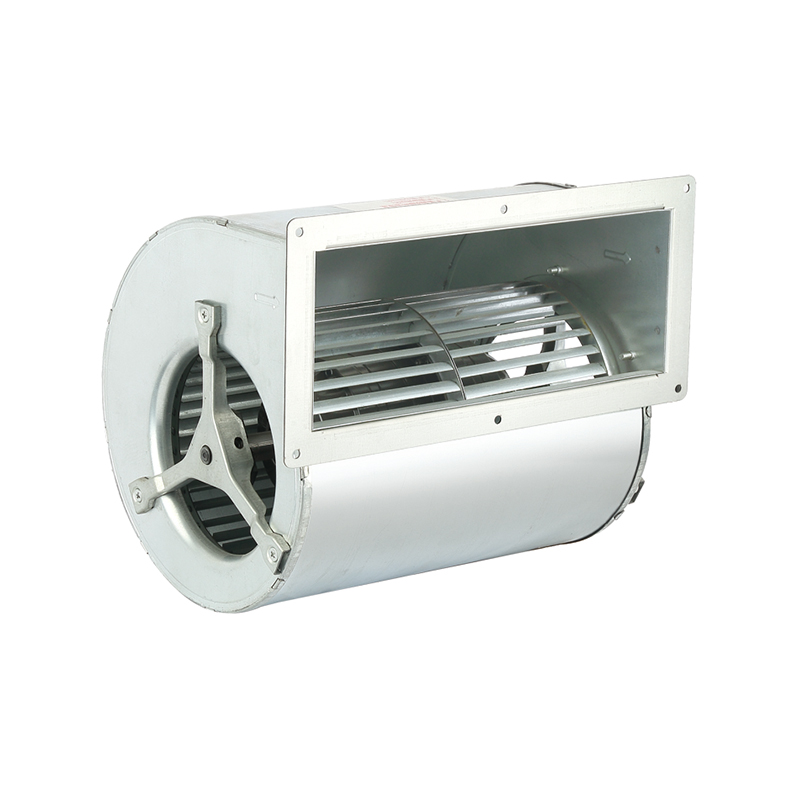
The DKT-133 Cooling Ventilation Double Inlet Air Conditioning Fan is d...
See Details
The DKT-146 Multi-Function Variable Frequency Double Inlet Air Conditi...
See Details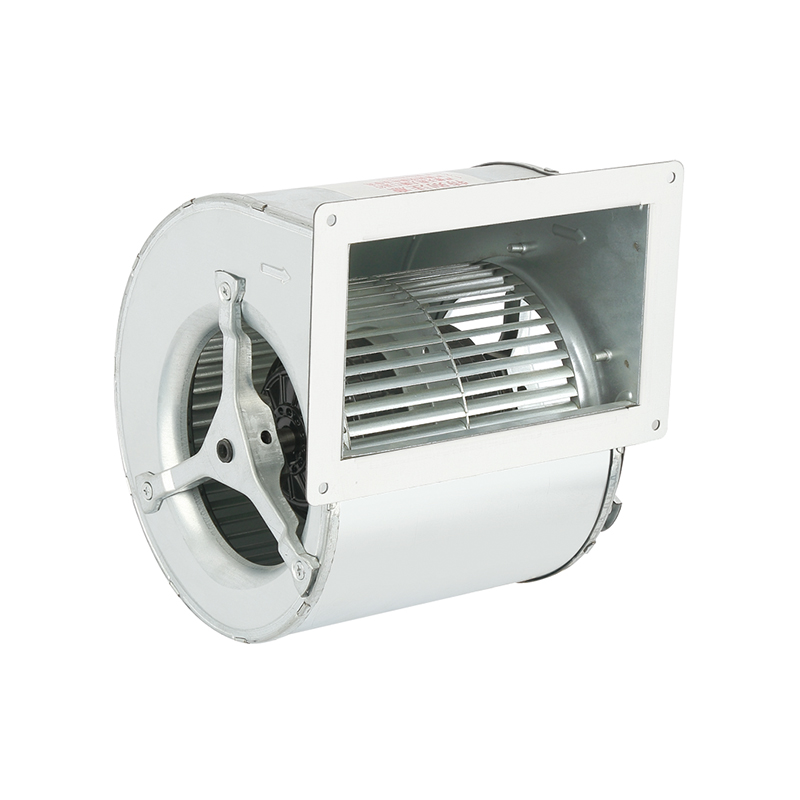
The DKT-160 Heat Dissipation Exhaust Double Inlet Air Conditioning Fan...
See Details
The DKT-180 Tilt Back Cool Down Double Inlet Air Conditioning Fan, a s...
See Details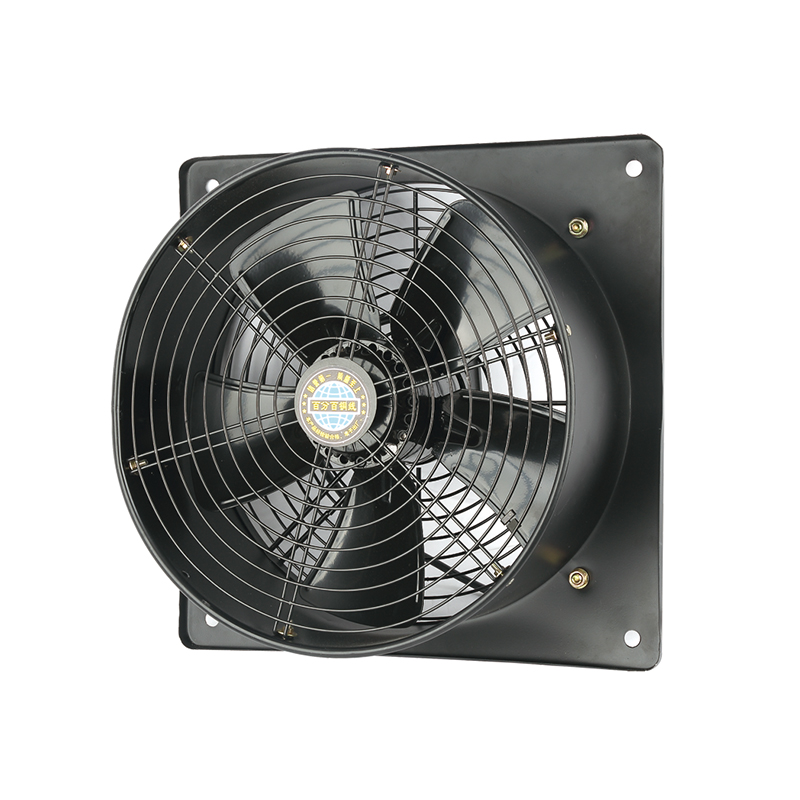
The YWF-400-2D2E Efficient Square form Axial fan is designed with a fo...
See Details
The YWF-350-2D2E Low noise Square form Axial Fan is designed with a co...
See Details
The YWF-350-4D4E Low vibration Square form Axial Fan is a outstanding ...
See Details
The YWF-400-4D4E Durable Square form Axial Fan is designed with advanc...
See Details
Qinlang focuses on providing high-quality products and considerate services, and is committed to meeting every expectation of our customers.
© Zhejiang Qinlang Electromechanical Co., Ltd.
Fans And Air-Cooling Equipment Factory
