 English
 русский
 عربى
 Español

These fans show up in applications where air must travel through ducts, pass through ventilation components, or circulate between different areas. Their role isn't limited to simply moving air, either. They also shape how ventilation systems get arranged, how equipment operates, and how facilities handle everyday maintenance.
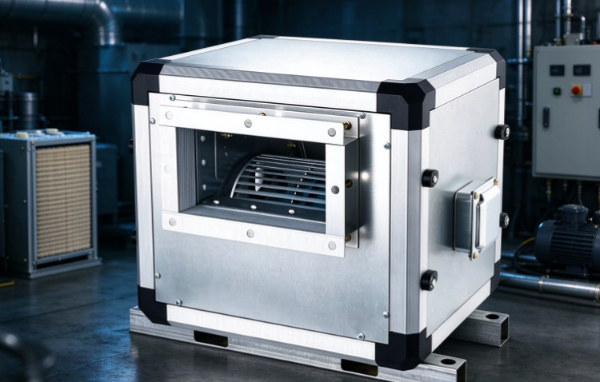
As industrial buildings change to accommodate new machinery and production layouts, airflow requirements shift right along with them. A ventilation system designed for one arrangement may need adjustments after equipment gets relocated or a process gets modified. Understanding how low pressure centrifugal fan fit into modern airflow systems helps facility managers make more informed decisions about equipment selection and system design.
1. What Makes Low Pressure Centrifugal Fans Useful in Modern Airflow Systems?
Not every ventilation application calls for a fan designed around demanding pressure conditions. Some facilities just need steady movement of air through relatively simple duct networks or across general ventilation areas. Low pressure centrifugal fans can serve these duties fine, provided the system requirements match their intended operating range.
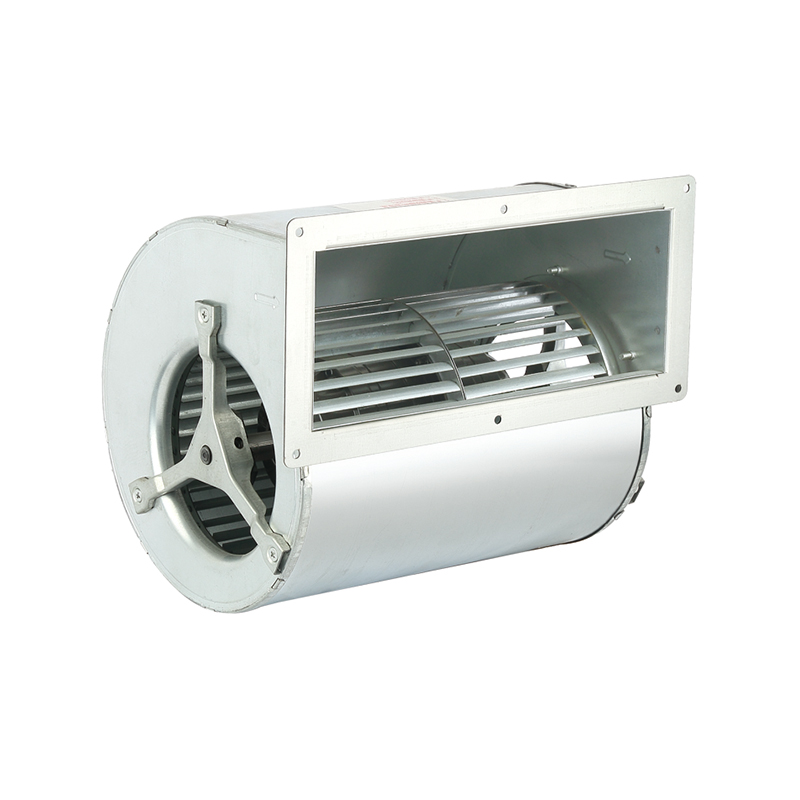
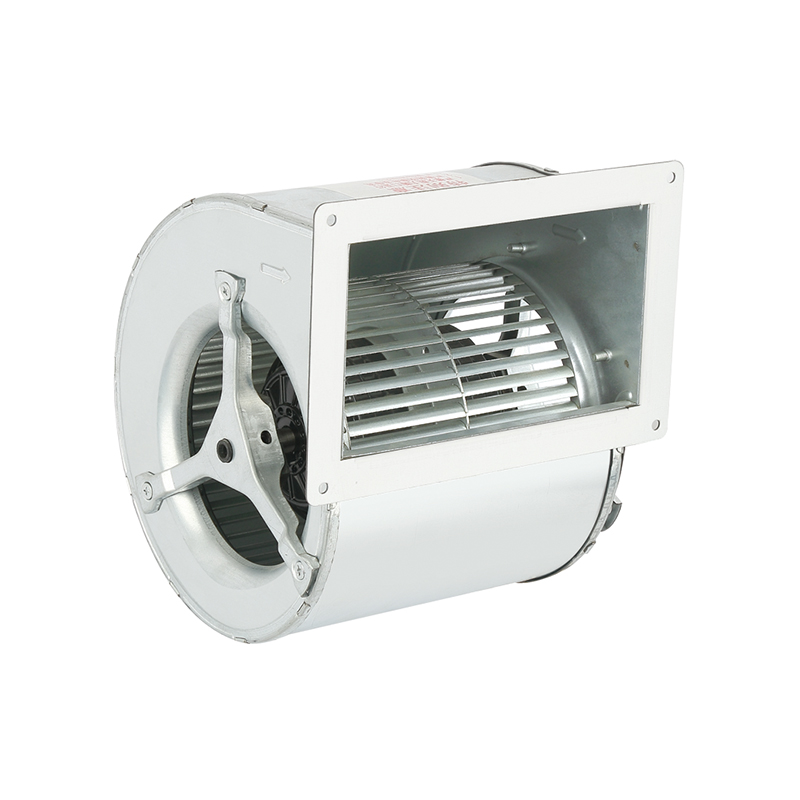
A centrifugal fan draws air toward its impeller and directs it outward as the impeller rotates. This movement lets air enter a connected duct or ventilation arrangement. The fan's construction can support different installation layouts, depending on the design and the needs of the application at hand.
One reason these fans stay relevant is that modern buildings rarely share identical airflow requirements. A small production workshop may need general exhaust ventilation, while a storage facility focuses more on air circulation. A commercial building might use fans as part of a larger mechanical ventilation system. Each application demands a different assessment of air movement, system resistance, and installation conditions.
The low pressure classification matters when choosing equipment, worth noting. It indicates the type of operating duty the fan's intended for, but it doesn't establish suitability for every ventilation task out there. Duct length, bends, filters, dampers, and other components all affect the resistance the fan has to overcome.
A common issue in ventilation planning is selecting equipment before the airflow route's been properly reviewed. The fan may look suitable on its own, yet the completed installation can end up restricting air movement anyway. Considering the entire system upfront helps prevent this mismatch from happening.
2. How Do Low Pressure Centrifugal Fans Support Everyday Ventilation?
Ventilation needs vary quite a bit throughout a building. Offices require fresh air for occupants. Workshops may need to remove warm air and odors. Equipment rooms can experience heat buildup, while storage areas benefit from better air circulation.
Low pressure centrifugal fans support these needs by moving air through exhaust and supply arrangements. Depending on the system design, they might help remove stale air, introduce replacement air, or distribute airflow through connected spaces.
The arrangement of air inlets and outlets matters just as much as the fan itself. If an exhaust point sits poorly positioned, air may not move effectively through the area that needs ventilation. Obstacles like partitions, storage racks, and machinery can throw off the airflow path too.
Consider a workshop that adds a new production line. The extra equipment may change how heat spreads across the room. A ventilation system that worked fine before may no longer provide suitable air movement near the new machinery. The facility may need to review the position of the fan, duct connections, or extraction points as a result.
This type of change is common in buildings that adapt over time. Ventilation planning should account for the current layout rather than leaning entirely on the original design.
It's also worth distinguishing between general ventilation and local extraction here. General ventilation helps manage air conditions across a space. Local extraction captures unwanted substances close to where they're produced. A low pressure centrifugal fan may support either function when the application falls within its capabilities, but the system still needs designing for the specific task at hand.
3. Where Are Low Pressure Centrifugal Fans Commonly Used?
The flexibility of centrifugal fan arrangements makes them suitable for a wide range of applications. That said, each industry's needs can differ considerably. Equipment that works well in a general ventilation system may need a different configuration for a process involving dust, moisture, or heat.
The table below outlines common applications and the factors that may influence their use.
| Application | Role of the Fan | Important Consideration |
|---|---|---|
| Manufacturing workshops | Supports general ventilation and exhaust air movement | Machinery layout and heat distribution |
| Warehouses | Helps circulate air through selected areas | Building layout and airflow coverage |
| Commercial buildings | Supports mechanical ventilation systems | Occupancy patterns and ventilation design |
| Equipment rooms | Helps remove accumulated heat | Equipment heat output and air inlet placement |
| Agricultural facilities | Supports ventilation and selected air movement tasks | Moisture, dust, and environmental conditions |
| Light industrial processing | Moves air through connected process or exhaust systems | Air composition and system resistance |
| Storage and handling areas | Supports air circulation and general exhaust | Material characteristics and local ventilation needs |
These applications shouldn't get treated as interchangeable. A warehouse fan may mainly serve air circulation, while a manufacturing application might require a carefully arranged exhaust route instead. Agricultural environments can expose equipment to moisture and airborne particles, which can shape material selection and maintenance needs considerably.
The type of air being moved matters a great deal here. Clean air generally presents different demands than air carrying abrasive dust or corrosive substances. When the application involves unusual conditions, the equipment specification should get reviewed rather than leaning on the low pressure label alone.
Facility managers should also think about future changes. A building that currently needs general ventilation may later accommodate different equipment or production activities. Allowing suitable access for inspection and planning for possible system modifications can make future maintenance and upgrades a lot easier down the line.
4. How Does Duct Design Influence Fan Performance?
A fan never operates independently of the ductwork connected to it. The duct network determines the route air follows and adds to the resistance the fan encounters during operation.
Long duct runs, sharp bends, sudden changes in duct size, restrictive dampers, and dirty filters can all affect airflow. If the system creates more resistance than expected, the fan may not deliver the air movement the application actually requires.
This issue can be tricky to spot from the fan alone. The motor may keep running fine, and the equipment may appear to be operating normally, even while airflow in a distant part of the building falls short.
A practical example: a ventilation system that's been extended to serve an additional room. The new duct branch changes the overall airflow arrangement. Air can become unevenly distributed, particularly if the system wasn't designed for the added demand. Adjusting the fan without reviewing the duct network first may not actually fix the underlying problem.
Good duct design weighs the route, the number of direction changes, the position of branches, and the requirements of connected equipment together. It also allows access to components that need cleaning or inspection down the line.
The table below shows how common system conditions can affect operation.
| System Condition | Possible Effect | Practical Response |
|---|---|---|
| Excessive duct bends | Increased airflow resistance | Review the duct route and layout |
| Blocked filters | Reduced airflow through the system | Inspect and service filtration components |
| Poorly arranged branches | Uneven air distribution | Review the balance of the duct network |
| Air leaks at connections | Loss of intended airflow | Inspect joints and connection points |
| Restricted inlets or outlets | Changes in airflow behavior | Check openings and connected equipment |
| Limited maintenance access | Delayed inspection and cleaning | Improve access where practical |
These factors explain why fan selection and system design deserve consideration together, not separately. A suitable fan can't compensate for every problem in the connected installation. The airflow route needs to support the intended operating conditions from the start.
5. Can Low Pressure Centrifugal Fans Help Manage Energy Use?
Energy consumption stays an ongoing concern for buildings running ventilation equipment for long stretches. A fan might look like a relatively simple component, sure, but its operating cost really depends on the demands placed on the complete system.
A well-matched fan can move the required air without getting forced to operate outside its intended range. Problems crop up when the equipment is poorly matched to the system or when avoidable resistance makes air movement harder than it needs to be.
An oversized fan may need additional control to avoid excessive airflow. An undersized unit may struggle to meet ventilation needs instead. Both situations can lead to operational compromises, particularly when the system runs throughout the entire working day.
The duct network shapes energy use too. Unnecessary restrictions, dirty filters, and poorly arranged connections can all increase resistance. Routine cleaning and inspection may help maintain suitable operating conditions, though the effect really depends on the actual cause of the problem.
Some applications see changing ventilation demand throughout the day. A room may require different airflow levels during occupied and unoccupied periods, or a production process may run intermittently. Where appropriate, adjustable fan speed or other control methods can help align operation with actual demand rather than running flat-out regardless.
Reduced airflow isn't automatically an energy-saving improvement, though — worth stressing that point. Ventilation still needs to meet the needs of the space and comply with applicable workplace requirements. In areas where contaminants get generated, reducing air movement without reviewing the process first can create additional risks.
Energy management therefore involves more than just choosing a fan with a suitable description. It requires understanding airflow demand, operating schedules, duct resistance, control methods, and maintenance practices all together.
6. What Should Facility Managers Consider During Fan Selection?
Choosing a low pressure centrifugal fan starts with the job it needs to perform. General ventilation, exhaust air movement, and process support may look similar on paper, but they can place quite different demands on the equipment.
The operating environment should get assessed before a selection is made. Clean indoor air presents different conditions than air carrying moisture, dust, or chemical substances. Temperature, installation location, and operating frequency can also shape the design requirements.
Facility managers can lean on several questions to guide the assessment:
- What airflow is required? Identify the ventilation purpose and the areas that need air movement.
- What resistance will the fan face? Consider the duct route, filters, dampers, and connected equipment.
- What does the air contain? Check for dust, moisture, corrosive substances, or other materials that may affect the fan.
- How will the fan operate? Establish whether it'll run continuously, intermittently, or under changing conditions.
- Where will the equipment be installed? Review available space, mounting arrangements, duct connections, and service access.
- What maintenance will be needed? Consider inspection intervals, cleaning requirements, and the accessibility of key components.
- Are there specific safety requirements? Assess the risks tied to the application and the relevant installation standards.
Communication between designers, operators, and maintenance personnel can genuinely improve the selection process. Operators understand how production conditions shift during normal work. Maintenance teams can flag recurring problems with existing equipment. Designers can use this information to assess airflow and system resistance properly.
Replacing an existing fan deserves careful review too. The original unit may have been selected for an earlier building layout or production process entirely. If the facility's changed since then, simply copying the previous specification may not address current needs.
A site assessment can help establish whether the existing arrangement remains suitable or whether changes to the fan, ductwork, or control system should be considered instead.
7. How Do Installation and Maintenance Affect Long-Term Operation?
Even a correctly selected fan can develop problems when installation or maintenance gets insufficient attention. Vibration, unusual noise, reduced airflow, and material buildup can all signal that operating conditions have shifted.
The mounting arrangement is one factor worth checking early. An unstable support structure or poor alignment can contribute to vibration and mechanical stress. Duct connections should also get arranged so they don't place unnecessary strain on the equipment.
Maintenance requirements depend heavily on the operating environment. A fan handling relatively clean air may need a different inspection approach than one exposed to dust or moisture. The equipment manufacturer's instructions provide a useful starting point for establishing an appropriate schedule.
Routine checks can include inspecting the impeller, examining bearings and drive components, checking fasteners, and looking for signs of wear. Filters and ducts should also get inspected wherever they form part of the ventilation system.
Changes in operating behavior can offer useful clues too. A gradual decline in airflow, for instance, may tie back to filter blockage, leakage, or changes in system resistance. Increased vibration may justify checking the impeller, mounting, and rotating components. These symptoms can trace back to several causes, so inspection beats assuming a single component is responsible every time.
Maintenance records help teams spot recurring issues. If the same problem appears after each production change or cleaning cycle, the underlying cause may trace back to the system arrangement rather than the fan alone.
Access is another practical consideration worth planning for. Equipment installed in a cramped location can be genuinely difficult to inspect and service. Planning for maintenance access during installation can reduce disruption considerably when routine work or repairs come due.
8. How Are Changing Industrial Needs Shaping Airflow System Design?
Industrial facilities rarely stay unchanged for long. Production areas get reorganized, new machinery gets installed, and storage or handling processes get adjusted along the way. Each change can ripple through how air moves through the building.
This creates a real challenge for ventilation systems built around a fixed layout. A fan that once served a single work area may later need to support additional duct branches or different extraction points. If these changes happen without reviewing the system first, airflow distribution can become a lot less predictable.
There's also growing attention paid to the relationship between ventilation, energy use, and maintenance planning. Facility operators aren't only concerned with whether a fan runs. They also need to understand whether it provides the required airflow under current operating conditions, and whether the system can be maintained without unnecessary disruption.
Monitoring operating conditions can help identify changes that deserve attention. Airflow checks, inspection records, and observations from workers may reveal that a ventilation arrangement no longer matches how a space actually gets used. These findings can inform decisions about duct modifications, control adjustments, or equipment replacement down the line.
In some facilities, the challenge comes down to balancing different needs within the same system. A production area may require local extraction, while adjacent spaces need general ventilation instead. The airflow arrangement needs to account for both functions without letting unwanted substances spread into other areas.
Low pressure centrifugal fans can form part of these systems when their operating characteristics match the application at hand. Their role depends on a clear understanding of the process, the building layout, and the resistance created by connected equipment. As facilities evolve, reviewing these factors helps keep ventilation arrangements aligned with the work actually taking place inside them.