Airflow is easy to overlook on a factory floor. Production teams tend to focus on machinery, materials, and delivery schedules instead. Yet when ventilation fails to keep pace with a process, the effects spread fast. Dust settles where it shouldn't. Heat builds up around equipment. Workers notice stale air, while maintenance teams end up chasing problems that a suitable ventilation system could've prevented in the first place.
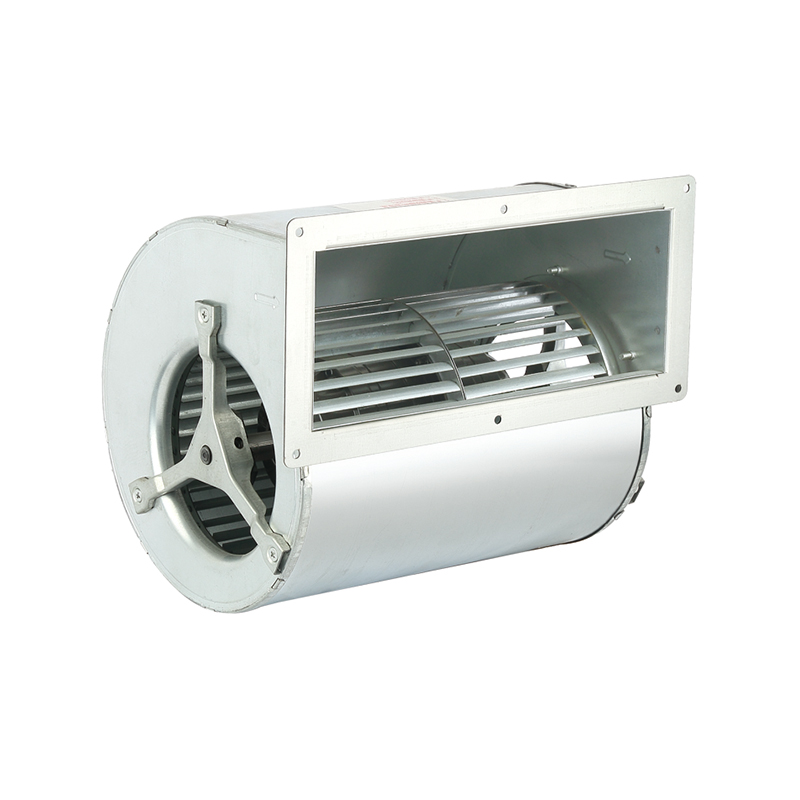
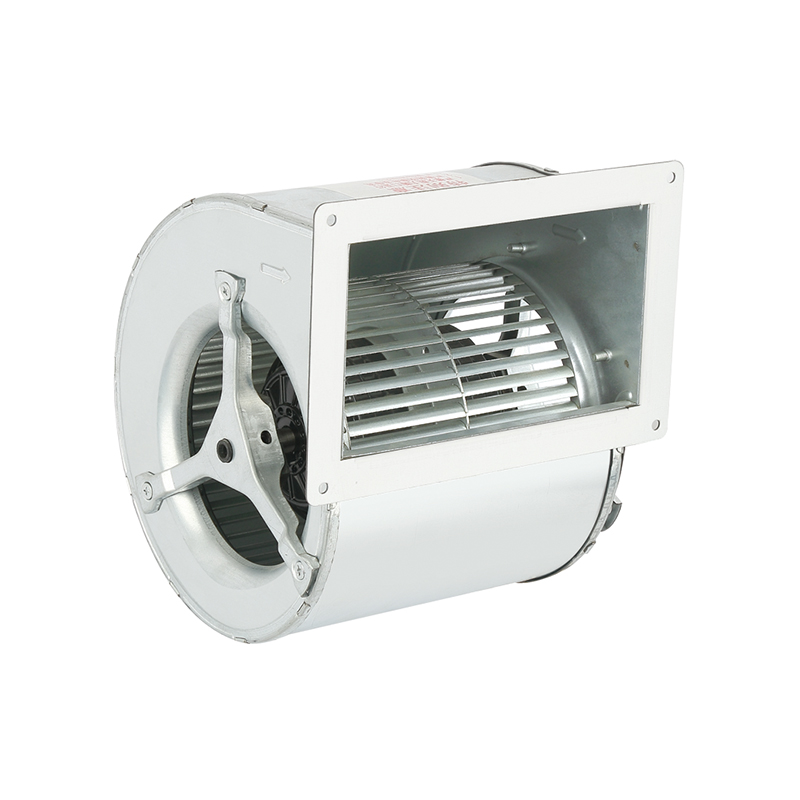
This is one reason heavy duty centrifugal fans stay common across industrial facilities. They handle air movement in environments where duct resistance, airborne particles, heat, and long operating hours all place demands on equipment at once. Their role stretches from general exhaust ventilation to dust collection and process air handling.
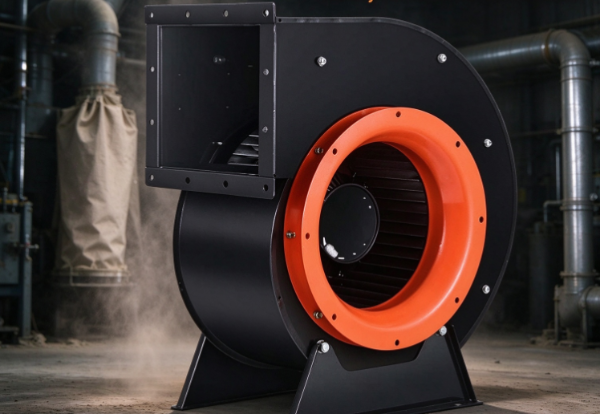
The choice rarely comes down to the fan alone, though. Factory layout, production changes, maintenance access, and energy consumption all shape how well a ventilation system actually performs. Looking at these practical concerns helps explain why industrial operators keep relying on centrifugal fan systems year after year.
A factory ventilation system faces different challenges from a household exhaust fan. Air may need to travel through long duct routes, pass through filters, or move away from areas crowded with machinery. Each part of the system affects the resistance the fan must overcome.
A centrifugal fan draws air into a rotating impeller and directs it outward into the connected system. This arrangement makes it suitable for many applications that require air to move through ducts and other equipment. A heavy duty design can be adapted to demanding operating conditions, provided the selected unit matches the actual application.
The phrase "heavy duty" can be misleading if treated as a universal guarantee. A fan built for general factory ventilation may not suit abrasive dust, corrosive air, or elevated process temperatures. Materials, component design, and operating limits still need to be checked.
Plant operators often discover that the surrounding system matters just as much as the fan itself. A unit may be capable of delivering the required airflow, yet poor duct routing or an unsuitable connection can undermine its performance. That is why equipment selection works best when engineers assess the entire airflow path rather than choosing a fan based on its general description.
2. How Do Centrifugal Fans Help Maintain Industrial Air Quality?
Air quality problems do not always appear across an entire production area. They may develop near a cutting station, a mixing process, a furnace, or a material transfer point. Local conditions can change with production speed, equipment layout, and the way workers handle materials.
Heavy duty centrifugal fans support ventilation by moving contaminated air toward exhaust or treatment systems. In local extraction applications, they help carry dust, fumes, or other unwanted substances away from their source. In broader ventilation systems, they can remove used air and support the movement of replacement air through a building.
The position of the extraction point is particularly important. If it sits too far from the source, contaminants may spread before the airflow captures them. If replacement air is poorly arranged, the system may struggle to draw air through the intended area.
These issues are familiar to facility teams that have expanded a production line or rearranged machinery. A ventilation system that worked under an earlier layout may no longer suit the new arrangement. The fan itself might remain in good condition, but the airflow pattern may have changed.
Effective ventilation therefore requires regular attention to the process and the workplace. The fan, ductwork, extraction hoods, filters, and air inlets need to work together. Moving air is only part of the task; directing it to the right place is equally important.
3. Why Are Heavy Duty Centrifugal Fans Used in Dust Collection Systems?
Dust collection places specific demands on industrial air movement equipment. Woodworking generates fine particles and chips. Metal processing can produce abrasive dust. Grain handling and powder processing create their own challenges. Although these materials differ, each application depends on capturing particles before they spread through the workplace or accumulate inside equipment.
A heavy duty centrifugal fan provides the airflow that carries dust through the collection network and toward filtration or separation equipment. Its performance depends on more than the fan's condition. Collection hoods, duct dimensions, filter resistance, and the characteristics of the particles all influence how the system operates.
Filter blockage is a common example of a problem that can affect the wider installation. As resistance increases, airflow may fall below what the process requires. Workers might notice dust escaping near a collection point, while maintenance staff may find deposits inside the ductwork. Replacing or cleaning a filter can help, but the underlying cause should also be investigated.
Particle wear deserves attention as well. Abrasive material can gradually affect exposed surfaces, while sticky substances may accumulate on internal components. The appropriate fan construction depends on what the system handles and how the material behaves during operation.
There is also a safety issue that should not be overlooked. Certain combustible dusts require carefully designed collection systems and suitable fire and explosion protection measures. A centrifugal fan does not provide these safeguards on its own. The complete installation must account for the hazards associated with the collected material.
For industrial operators, a change in dust collection performance is often a reason to inspect the system rather than immediately assume that the fan needs replacing.
4. Can Heavy Duty Centrifugal Fans Operate in Hot and Demanding Conditions?
Heat is part of many industrial processes, from drying and thermal treatment to metal production and material processing. In these settings, airflow may be needed to remove hot air, control the surrounding environment, or support a particular stage of production.
Heavy duty centrifugal fans can serve some of these applications when their design matches the operating conditions. The temperature of the air, the surrounding environment, and the materials being handled all influence equipment suitability.
Temperature can affect several components at once. Bearings and lubrication may need special consideration. Seals and drive components must remain suitable for their working conditions. The fan housing and impeller also need to tolerate the expected exposure.
A practical challenge arises when process conditions change. A fan selected for ordinary ventilation may later be expected to handle warmer air after a production line is modified. Without reviewing the equipment's limits, an apparently minor process change can create an unsuitable operating condition.
Moisture and chemical content can complicate the decision further. Hot air containing corrosive substances may require different construction materials from clean, heated air. Applications involving flammable gases or combustible particles also require appropriate equipment selection and system-level safety measures.
Industrial facilities should therefore define the actual duty before selecting a fan. General product descriptions are not enough to establish whether a unit can safely handle a particular process.
5. How Does Fan Selection Influence Energy Consumption?
Electricity costs are an ongoing concern for facilities that run ventilation equipment throughout the working day. A fan that appears suitable at the purchasing stage may become expensive to operate if it does not match the airflow demand or the resistance of the connected system.
Ductwork is often part of the problem. Sharp bends, unnecessary restrictions, poorly designed transitions, and clogged filters can make it harder for air to move. The fan must work against this resistance, and the resulting operating conditions may increase energy consumption.
Oversizing can also create difficulties. A fan with more capacity than the process requires may need additional control to avoid excessive airflow. On the other hand, an undersized unit may fail to provide the ventilation needed for production. Neither situation can be resolved reliably by looking at the fan in isolation.
Variable-speed control may help in applications where airflow demand changes during operation. A process that needs less extraction during certain stages may not require the fan to run at the same speed throughout the shift. The suitability of this approach depends on process requirements, system design, and the fan's operating limits.
Maintenance has a less obvious but equally practical influence. Dust buildup, worn bearings, damaged components, and changes in filter condition can affect how the system runs. Routine inspections help identify problems that might otherwise remain unnoticed until energy use rises or airflow deteriorates.
For purchasing teams, the initial equipment price tells only part of the story. Operating electricity, servicing, replacement components, and potential production interruptions also deserve attention. A decision based on the complete operating cost is more useful than one based on purchase price alone.
6. What Keeps a Heavy Duty Centrifugal Fan Reliable Over Time?
A fan can operate for long periods without attracting much attention. That changes when vibration increases, unusual noise develops, or airflow begins to fluctuate. In a production facility, these signs can affect more than maintenance planning. They may indicate a problem with a process that depends on consistent ventilation.
Installation conditions often influence long-term reliability. An unstable foundation, poor alignment, loose fasteners, or unsuitable duct connections can place additional stress on the equipment. Access also matters. If technicians cannot reach key components safely, inspections may take longer or be postponed.
Maintenance should reflect the actual working environment rather than follow a generic checklist alone. A fan handling relatively clean air may require a different inspection approach from one operating around abrasive dust or elevated temperatures.
Useful checks include looking for material buildup on the impeller, inspecting bearings and drive components, checking fasteners, and observing changes in noise or vibration. Operators can also compare current behavior with the equipment's normal operating condition. A change does not automatically mean a major failure is developing, but it provides a reason to investigate.
Maintenance records can help identify recurring issues. If vibration repeatedly appears after a particular production change, the cause may involve installation or operating conditions rather than component wear alone. Keeping records of inspections and repairs gives maintenance teams a clearer basis for deciding what to address.
Some facilities also consider standby equipment when a ventilation interruption would seriously affect safety or production. Whether this is necessary depends on the process, the consequences of downtime, and the available maintenance resources.
Reliable operation is not simply a feature of the fan's construction. It develops through suitable installation, appropriate operating conditions, and maintenance that responds to the way the equipment is actually used.
7. Where Are Heavy Duty Centrifugal Fans Used in Industry?
The applications vary because industrial facilities handle different materials and production processes. A fan used for general exhaust may have different requirements from one serving a dust collector or a heated process.
Manufacturing plants use centrifugal fans to support ventilation, remove unwanted air, and manage conditions around production equipment. Metalworking and mineral processing operations may use them in extraction systems where dust characteristics and surface wear influence equipment selection.
In woodworking, fans help transport airborne particles toward dust collection equipment. The installation must account for the nature of the wood waste and the potential hazards associated with combustible dust.
Food and agricultural processing can involve drying, conveying, ventilation, and powder handling. Moisture, cleanliness requirements, and the properties of the processed material influence the design of the system.
Chemical and process facilities may require fans for exhaust or other air movement tasks where corrosion, temperature, and the composition of the air need careful assessment. Large industrial buildings can also use heavy duty centrifugal fans to move air through extensive mechanical ventilation networks.
These applications share a need for controlled airflow, but they should not be treated as interchangeable. The same fan configuration may not suit every material, temperature, or operating schedule. Application details should guide the final selection.
8. What Should Facility Managers Check Before Choosing a Fan?
The most useful starting point is a clear description of the job. Facility managers should identify where the air comes from, where it needs to go, and what it contains. These details help narrow the equipment options and reduce the risk of an unsuitable selection.
Several practical questions deserve attention:
- Airflow demand: What volume of air must the system move, and under which operating conditions?
- System resistance: How do ducts, bends, filters, dampers, and connected equipment affect airflow?
- Air composition: Does the air contain abrasive dust, moisture, corrosive substances, or hot gases?
- Operating pattern: Will the fan run continuously, intermittently, or under changing production loads?
- Installation conditions: Is there sufficient space for the unit, its supporting structure, duct connections, and service access?
- Maintenance needs: Can technicians inspect and repair key components without unnecessary difficulty?
- Noise and vibration: Are additional control measures needed for the working environment?
- Safety considerations: Do the application and materials require specific electrical, fire, dust, or process safety measures?
The people involved in the decision should also share the same understanding of the operating conditions. Production staff know how the process changes during a shift. Maintenance teams understand recurring equipment problems. Engineers can assess airflow and system resistance. Bringing these perspectives together can prevent important requirements from being overlooked.
A site assessment is particularly useful when replacing an existing fan. The old unit may have been selected for a process that has since changed. Reviewing the current ductwork, production needs, and maintenance history can reveal whether the replacement should follow the original design or address a wider system issue.
Heavy duty centrifugal fans remain widely used because they can support many industrial air movement tasks. Their suitability, however, depends on matching the design to the process, understanding the surrounding system, and maintaining the equipment under the conditions it was selected to handle.

 English
 русский
 عربى
 Español