 English
 русский
 عربى
عربى Español
Qinlang focuses on providing high-quality products and considerate services, and is committed to meeting every expectation of our customers.
The DKT-133 Cooling Ventilation Double Inlet Air Conditioning Fan is d...
See Details
When people need to work inside storage rooms, long utility tunnels, ship cargo holds, deep basements, grain silos, paint booths, or freshly poured concrete vaults, one thing usually becomes obvious pretty quickly: the air doesn't move on its own. These places are built (or happen) to be mostly closed off from the outside world. Walls, bulkheads, heavy doors, narrow hatches, or layers of earth and concrete block almost all natural wind. Without help, the atmosphere inside gradually turns heavy, warm, and thick-feeling.
Short jobs—maybe two hours replacing a valve, four hours cleaning a tank interior, six hours running cable through a tunnel section—don't justify installing permanent ductwork or big exhaust systems. That's where a portable ventilator fan becomes useful. It's not trying to solve every ventilation problem forever; it's meant to handle the here-and-now so people can breathe easier, see better, and stay focused for the duration of the task.
Walk into an enclosed area that's been sitting unused for a while and you'll notice the difference right away. The temperature is usually higher than outside, even if no machinery is running. Heat from people working, from temporary lighting strung up on extension cords, from small pumps or welders, or simply from the sun warming the outer walls—all of it stays trapped. After thirty or forty minutes the difference is already noticeable; after a couple of hours it can feel uncomfortable.
Air itself stops circulating meaningfully. Any dust kicked up by boots or tools hangs longer. Paint solvents, welding smoke, concrete curing vapors, or the faint musty smell of a damp basement linger instead of drifting away. Breathing the same pocket of air repeatedly means carbon dioxide slowly builds while fresh oxygen isn't coming in fast enough to replace it. The change is gradual in most cases, but the longer the job lasts, the more you feel it in your head, your energy level, and sometimes in mild eye or throat irritation.
Moisture makes things worse in certain situations. After someone pressure-washes the inside of a vessel, or after rain seeps into a basement during excavation, the humidity stays high when there's no airflow to carry it out. Wet surfaces take much longer to dry, metal starts to show flash rust in spots, and the whole space feels clammy. None of these issues are necessarily dangerous for a short visit, but they make the work slower, more tiring, and less pleasant than it needs to be.
A portable ventilator fan doesn't magically turn the space into an open field, but it does create enough movement to push those problems farther into the background.
The basic job of one of these fans is simple: it pulls air in one side and pushes it out the other. That single action can be used in two main ways depending on what the situation calls for.
1. Blowing Fresh Air In (Positive Pressure / Supply Mode)
In the most common "blowing fresh air in" arrangement, the fan sits outside the confined space—maybe at street level above a manhole, on the deck beside an open hatch, or just inside the doorway of a basement. A length of flexible ducting gets attached to the outlet, then fed down or through the entrance so the clean outside air arrives close to where people are working. The incoming flow forces the older, warmer, stuffier air out through whatever openings exist: the same hatch, gaps around doors, louvers, or even a second small vent if one is available. The constant push keeps a steady supply reaching the workers instead of them breathing recycled air.
2. Sucking Stale Air Out (Negative Pressure / Exhaust Mode)
The opposite setup is useful when the priority is removing something specific. If welders are grinding inside a tank, or if painters are spraying inside a semi-closed room, the fan can be placed near an exit point so it pulls contaminated air outward. Fresh air then gets drawn in naturally through any available inlets (doors, hatches, or even temporary openings). This direction helps keep fumes or dust from drifting toward people standing farther back or working in adjacent areas.
Sometimes crews use both ideas at once: one fan blowing fresh air deep into the far end of a long tunnel while another fan at the entrance pulls the now-mixed air back out. That combination creates a stronger overall exchange without needing enormous equipment.
Because most portable axial fans are built to move a decent volume of air against moderate resistance (the friction inside ducting, bends, and distance), they can push or pull effectively over twenty, thirty, or even fifty feet of flexible hose in many real-world jobs.
One reason these fans stay popular on job sites is how little setup they require and how easily they adjust to strange layouts.
The flexible ducting is the biggest helper. It comes in sections that connect together, so you can reach awkward spots—down vertical ladderways, around tight 90-degree corners, under low crawlspaces, or along the length of a horizontal tunnel. The material is usually tough enough to handle being dragged over rough concrete or stepped on occasionally without tearing right away.
Positioning is straightforward. Many units have built-in handles, a sturdy base that sits flat, or holes that let you bolt or chain them to scaffolding or railings when vibration might otherwise walk them around. If the ground is uneven or wet, workers sometimes set the fan on a piece of plywood or a milk crate to keep the intake clear.
Air direction is easy to change. Point the outlet wherever the duct needs to go, or—if the model allows—flip the entire fan around and use the inlet side for exhaust. Some jobs need the air aimed low (to reach people kneeling inside a vessel), while others want it directed high (to clear vapors that rise). Adjusting takes seconds.
Weather and surroundings matter too. On a hot summer day the outside air might already be warm, but it's still usually better than the stagnant soup building up inside. On a cold winter morning the incoming air feels chilly at first, yet the movement alone often makes the space more tolerable than leaving it completely still. Crews learn to place the intake away from vehicle exhaust, dust piles, or freshly cut grass so they're not pulling unwanted things into the work area.
When the job moves—say from one end of a long basement to the other, or from the forward hold to the aft hold on a ship—the whole setup relocates in minutes. Unclip the duct, coil it, carry the fan, and reconnect. No waiting for permanent duct runs to be installed or removed.
Different trades run into enclosed or semi-enclosed spaces in their own ways. Here are some of the more common examples:
Boiler inspectors, welders repairing cracks, or fitters replacing gaskets inside pressure vessels or fuel tanks almost always run a fan. The duct usually goes all the way to the bottom so fresh air reaches the person tied off at the lowest point.
Electricians pulling wire, plumbers fixing sewer laterals, or telecom crews splicing fiber inside long horizontal runs or vertical shafts depend on surface fans blowing air downward. Without it, heat and poor visibility slow everything down.
Crews cleaning double-bottom tanks, painting ballast spaces, or overhauling engines in machinery casings use portable fans to move air below decks where natural draft is almost nonexistent.
During waterproofing, HVAC rough-in, or foundation repair, workers spend hours in partially enclosed areas below grade. A fan keeps the space from turning into a sweatbox while concrete cures or membranes are applied.
Abrasive blasters, painters applying epoxy coatings, or cleaners using solvents inside semi-closed rooms or temporary booths need steady airflow to carry vapors away and help the finish dry evenly.
People entering grain bins for inspection, cleaning out residue, or sampling product run fans to reduce dust clouds and keep the atmosphere breathable at different levels.
Fire departments, urban search teams, or industrial emergency crews sometimes use portable fans when entering collapsed structures, flooded basements, or confined areas during spill response.
In every one of these cases the need is temporary—hours or a couple of days at most—so the quick-deploy nature of a portable unit fits the schedule better than trying to rig something permanent.
Frequent Fan Setups
| Work Situation | Most Common Fan Placement | Air Direction Usually Chosen | Typical Duct Length & Routing | Main Reason for Using It |
|---|---|---|---|---|
| Deep tank or vessel entry | Outside hatch at top | Blowing fresh air in | 20–50 ft straight down or around internals | Fresh air reaches lowest working level |
| Long horizontal tunnel / shaft | At entrance or midway point | Pulling air out | Along ceiling or floor to far end | Removes dust and heat from entire length |
| Basement or vault repair | Just inside or outside doorway | Blowing in (sometimes branched) | Split or curved to reach corners | Reduces stuffiness during long shifts |
| Ship hold or engine room | Deck level near access | Combination push / pull | Multiple short runs to different compartments | Clears vapors across large irregular volume |
| Manhole or vertical vault | At surface beside opening | Blowing straight down | Vertical drop, sometimes rigid section | Maintains breathable air at depth |
| Paint booth or coating enclosure | Outside doorway | Pulling air out | Short duct to high point inside | Carries solvent vapors away from painter |
These patterns repeat across industries because they solve the same core problems: limited natural flow, rising heat, lingering airborne material, and the need to keep people comfortable enough to work carefully.
A portable ventilator fan isn't flashy equipment. It doesn't promise miracles or replace a full engineered ventilation design. What it does offer is a practical, no-nonsense way to deal with the air-quality issues that show up whenever people have to spend time inside spaces that were never meant to be occupied for long.
Its value comes from being movable, easy to connect with flexible duct, simple to aim, and quick to reposition when the work shifts. For short-term jobs—whether that's routine maintenance, one-off repairs, spot cleaning, or emergency access—the fan provides enough air movement to make the difference between a tolerable workday and one that leaves everyone drained and distracted.
Teams that regularly enter confined or semi-closed areas tend to keep at least one of these units on the truck or in the tool crib. When the hatch opens or the manhole cover slides aside, the fan goes to work right away, quietly doing exactly what's needed: moving stale air out and bringing fresher air in so the job can get finished safely and without unnecessary discomfort.
That straightforward usefulness is why the tool keeps showing up on checklists and why crews reach for it almost automatically when they know the space they're about to enter doesn't breathe on its own.
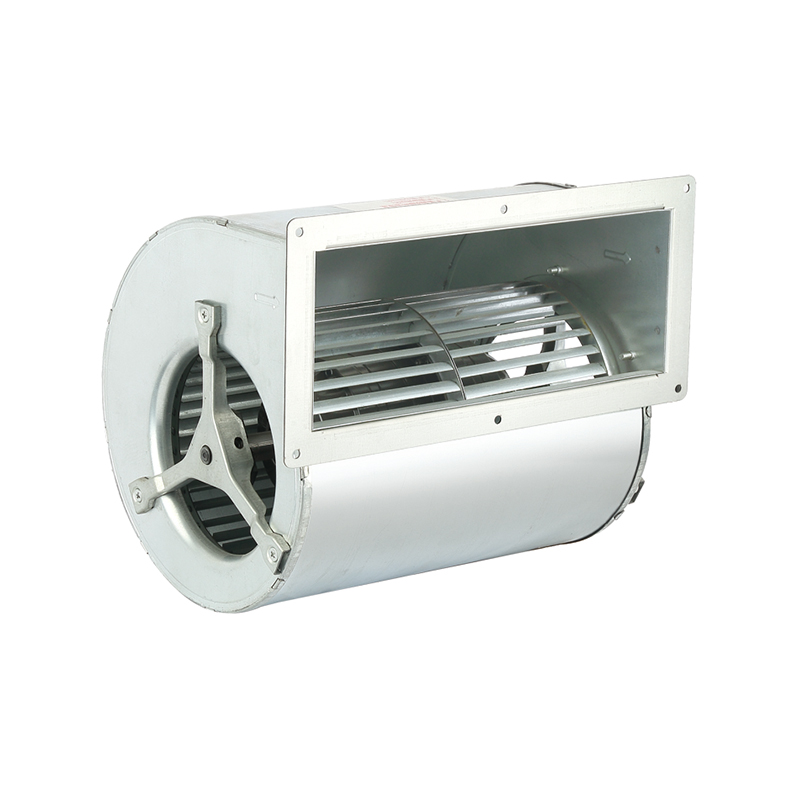
The DKT-133 Cooling Ventilation Double Inlet Air Conditioning Fan is d...
See Details
The DKT-146 Multi-Function Variable Frequency Double Inlet Air Conditi...
See Details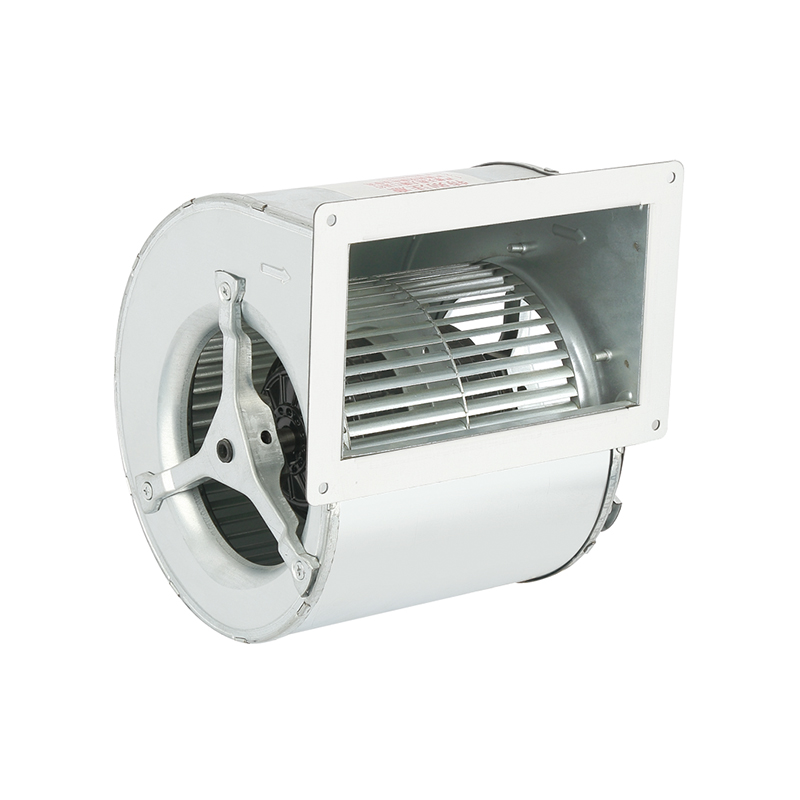
The DKT-160 Heat Dissipation Exhaust Double Inlet Air Conditioning Fan...
See Details
The DKT-180 Tilt Back Cool Down Double Inlet Air Conditioning Fan, a s...
See Details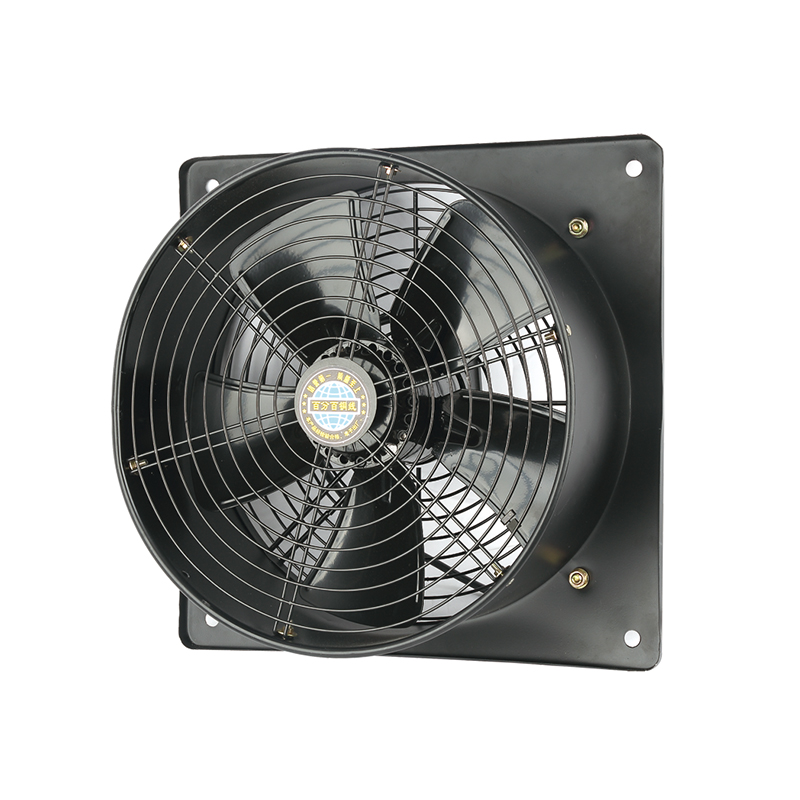
The YWF-400-2D2E Efficient Square form Axial fan is designed with a fo...
See Details
The YWF-350-2D2E Low noise Square form Axial Fan is designed with a co...
See Details
The YWF-350-4D4E Low vibration Square form Axial Fan is a outstanding ...
See Details
The YWF-400-4D4E Durable Square form Axial Fan is designed with advanc...
See Details
Qinlang focuses on providing high-quality products and considerate services, and is committed to meeting every expectation of our customers.
© Zhejiang Qinlang Electromechanical Co., Ltd.
Fans And Air-Cooling Equipment Factory
