 English
 русский
 عربى
 Español

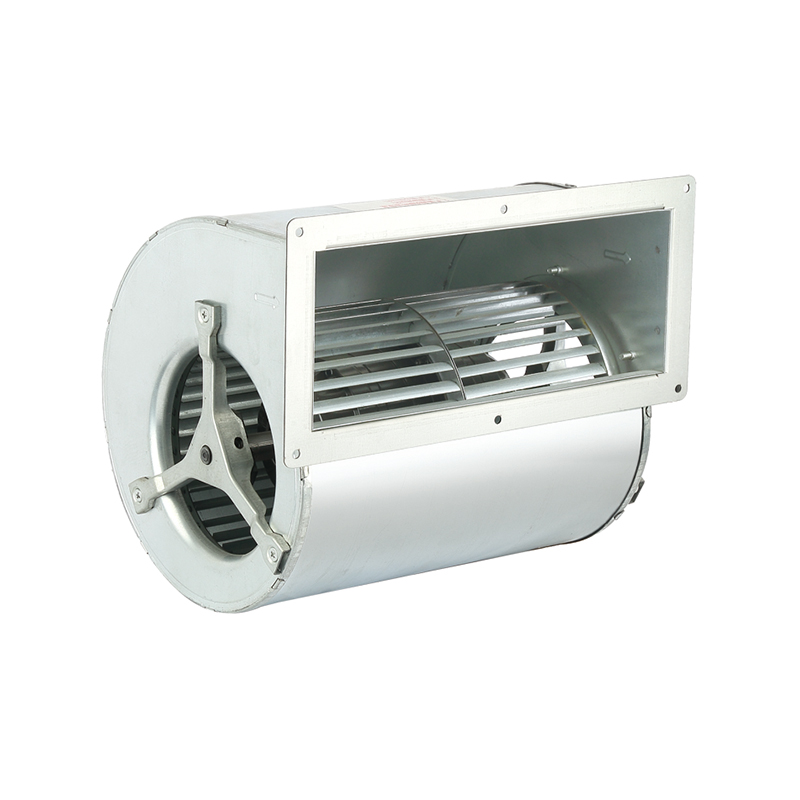
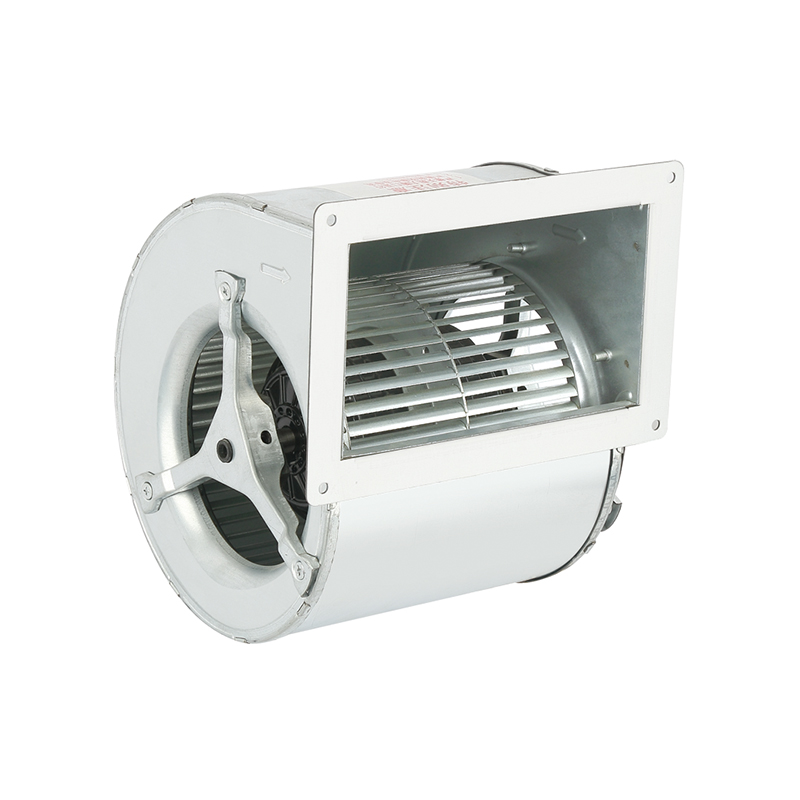
That's where heavy duty centrifugal fans come in. They're built for factory conditions, where airflow has to stay steady even when the job is tough. They also work well with ducts, filters and air treatment units, which is how most industrial systems are put together.
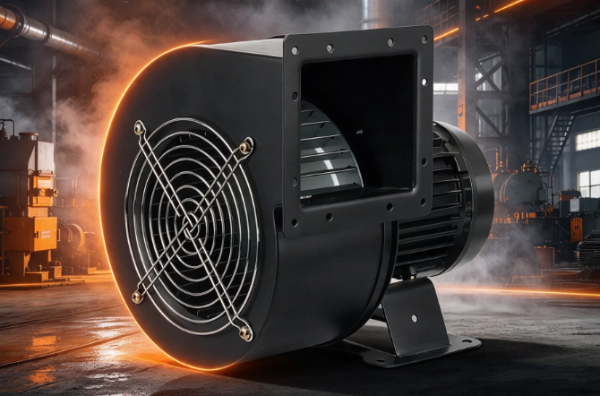
That said, not every plant needs one. The right call depends on the work environment, the production process, the ventilation layout and how hard the equipment will be pushed.
Knowing when to specify these fans helps facility managers, engineers and buyers choose well. It also saves them from the all-too-common mistake of buying equipment that doesn't fit the real operating conditions.
What Makes Heavy Duty Centrifugal Fans Different from Standard Ventilation Fans?
The difference comes down to construction and the job each fan is meant to do. Standard fans handle general air circulation, cooling and basic ventilation. They work fine in everyday settings where the air meets little resistance.
Centrifugal fans take on harder tasks. They push air through long ducts, filters, channels and other equipment, and each of these adds resistance that makes airflow harder to manage.
The principle is simple. Air enters the inlet, the rotating impeller throws it outward, and it leaves through the outlet and carries on through the connected system. That makes centrifugal fans a good match when air has to follow a set route instead of just stirring around an open room.
Construction matters too, because these fans often run nonstop in changing conditions. The housing, impeller, shaft and support structure all have to work together to keep operation stable.
A few features explain why these fans show up so often in industrial facilities:
- Structural strength: The housing and supports are made to withstand harsh working conditions.
- Airflow capability: The design moves air through systems with varying levels of resistance.
- Application flexibility: They serve ventilation, exhaust, dust collection and general industrial air handling.
- Operational stability: Good construction and correct installation keep performance consistent in day-to-day running.
- System compatibility: Different configurations can be chosen to fit the layout and needs of the ventilation system.
None of this means every heavy duty centrifugal fan suits every plant. The final choice still turns on the type of air being moved, the operating conditions and what the connected system requires.
When Do Industrial Facilities Need Heavy Duty Centrifugal Fans?
The need usually shows up when ordinary ventilation equipment starts falling short of what the production environment demands.
Industrial buildings tend to have several work areas with different needs. One line produces heat, another releases dust or fumes, and some facilities have to push air through a tangled duct network.
In those cases ventilation is about more than circulating indoor air. It means removing unwanted substances, keeping working conditions acceptable and supporting the production equipment itself.
Centrifugal fans are worth considering in the following situations.
Facilities with continuous production operations
Some processes run for long stretches without stopping. The ventilation has to keep moving air the whole time. If airflow drops or becomes erratic, heat and airborne contaminants build up around the work areas.
When ventilation equipment must support regular, ongoing industrial operation, these fans are a reasonable option. Whether they fit depends on the operating schedule, maintenance needs and the characteristics of the ventilation system.
Buildings with demanding ventilation layouts
Large industrial buildings often have complex air distribution networks. Air passes through several ducts, filters, bends and outlets before it gets where it's going.
Each of those parts adds resistance. A fan designed for simple circulation will probably struggle here.
Centrifugal fans are a practical answer because they're designed to move air through enclosed ventilation systems.
Production areas with high heat generation
Heat is a constant problem in manufacturing. Industrial ovens, processing machines and motors all release it while they run.
Without proper ventilation, temperatures climb around the equipment. Working conditions get worse, and cooling systems have to work harder.
Centrifugal fans can be part of an exhaust or air circulation setup that removes hot air and draws fresh air into the building.
The key is to size the fan to the actual heat removal requirement. Picking one based only on the size of the building is a common error.
Are Heavy Duty Centrifugal Fans Suitable for Dust and Fume Removal?
Many industrial processes create dust and fumes as a byproduct, including metalworking, woodworking, material handling, chemical processing and surface treatment.
Left uncontrolled, these materials hurt indoor air quality, settle on machinery and add to cleaning and maintenance work.
Centrifugal fans are a frequent choice for industrial exhaust and dust collection systems. They carry contaminated air from the production area to filtration or treatment equipment.
Take a woodworking shop. Cutting, sanding and polishing produce fine particles. A well-planned system captures the dust near its source and sends it through ducts to a collection unit.
In metalworking, grinding and other operations release dust and fumes. Local exhaust ventilation can catch them before they drift across the workshop.
Chemical processing facilities often need exhaust systems for airborne vapors. Here the fan must be chosen for the gas itself, including its temperature, corrosiveness and any safety risks.
Still, a powerful fan alone won't do the job. The whole ventilation system has to be designed around the materials it handles.
| Industrial Application | Ventilation Requirement | Possible Fan Application |
|---|---|---|
| Woodworking | Removal of airborne wood dust | Dust collection and exhaust |
| Metal processing | Extraction of grinding dust and fumes | Industrial exhaust systems |
| Chemical production | Removal of process-related vapors | Controlled exhaust ventilation |
| Material handling | Management of airborne particles | Dust extraction systems |
| Surface treatment | Removal of fumes and unwanted gases | Local exhaust ventilation |
Filtration matters as well. The fan moves the air, and the collection or treatment equipment deals with what's in it. The two have to work as a pair.
Facilities with combustible dust, flammable gases or other hazardous substances face extra safety requirements. Don't assume a general-purpose heavy duty centrifugal fan is acceptable in those conditions. It needs proper design and a safety assessment first.
How Do Heavy Duty Centrifugal Fans Support High-Temperature Industrial Environments?
Temperature control is a core part of industrial ventilation. Plenty of production processes give off heat as materials are processed, heated, dried or transformed.
When hot air stays inside, the workplace gets uncomfortable and nearby equipment suffers. Heat can also travel from one production area to the next, which makes it harder to manage.
Centrifugal fans can pull hot air away from specific locations or support general exhaust ventilation.
Picture a plant with industrial drying equipment. The process releases warm, moist air. If the exhaust can't clear it effectively, humidity and temperature rise around the machines.
A properly selected centrifugal fan can carry that exhaust air through a connected duct system. The facility controls where the hot air goes and doesn't have to count on natural ventilation alone.
Industrial kitchens, thermal processing workshops and some manufacturing areas have similar needs.
High-temperature work does call for close attention to construction, though. The impeller, housing, bearings, seals and other parts must all be suited to the environment.
Heat also affects the ductwork and supporting equipment. A fan that handles the required airflow at normal temperatures may be the wrong choice for heated process air.
So the ventilation system should be judged as a whole, including the air temperature, the exhaust route, the surroundings and the expected operating conditions.
Can Heavy Duty Centrifugal Fans Improve Ventilation in Large Industrial Buildings?
Different parts of a large industrial building need different ventilation. Warehouses, factories, workshops and processing plants often hold separate production zones, storage areas and equipment rooms.
Natural ventilation gives some air exchange, but it can't always steer airflow or clear stale air from a particular spot.
Centrifugal fans can back up a mechanical ventilation system by moving air through ducts to designated exhaust outlets.
This matters most when air has to travel between distant sections of a building. Instead of leaning on open windows or general circulation, the system sends air where it's needed.
For example, a factory might have a workshop where machines give off heat and a storage area that has to keep a stable temperature and clean air. Separate ventilation arrangements can serve each one.
A well-planned system usually includes these parts:
- Air inlets: Give fresh air a way into the building.
- Exhaust outlets: Let unwanted indoor air out.
- Duct networks: Direct airflow between sections of the building.
- Filters: Catch particles before air enters or leaves certain areas.
- Centrifugal fans: Supply the airflow that drives everything through the system.
How these parts relate to each other is important. Drop in a heavy duty centrifugal fan without thinking about the duct layout, and you can end up with poor airflow distribution.
Placement counts too. The fan needs to sit where it can be reached for maintenance and where the surrounding structure can support it.
Facilities with several ventilation zones may need separate fans or independent air handling setups, so each area gets ventilation that matches its real needs.
What Industrial Applications Commonly Require Heavy Duty Centrifugal Fans?
These fans appear across many industries, since air movement needs differ from one process to another.
Some plants need to get rid of hot air. Others focus on dust collection, equipment cooling or process exhaust. One type of fan can handle different jobs depending on its configuration and the system it's connected to.
Manufacturing plants
Machines in manufacturing plants often generate heat, dust and fumes. Ventilation clears out the unwanted air and keeps the working environment in good shape.
Centrifugal fans may go into general exhaust systems, production line ventilation or localized air extraction.
Power generation facilities
Power generation equipment produces heat while it runs. Ventilation removes the heated air and keeps air moving around the machinery.
Fan selection depends on location, temperature conditions and the particular ventilation needs of the facility.
Cement and building material production
Material processing can put a lot of dust into the air. Crushing, mixing, conveying and handling operations often need dust collection and exhaust systems.
Centrifugal fans carry the dusty air to collection equipment, which keeps particles from wandering around the production areas.
Chemical and processing plants
These plants may produce vapors, fumes and heated process air. The ventilation system has to be built around whatever substances are being handled.
Fan materials, sealing arrangements and installation conditions need careful checking to make sure they're compatible with the process environment.
Food processing facilities
Food production involves washing, drying, heating, cooling and packaging. Those steps create moisture, heat and odors.
Heavy duty centrifugal fans can help with exhaust ventilation and air movement in selected processing areas. Their use should line up with the facility's hygiene and air quality requirements.
Warehouses and logistics facilities
Big warehouses often get uneven air distribution, especially when walls, racks or equipment divide up the storage areas.
Mechanical ventilation can push air through selected areas and cut down on warm, stagnant pockets. Whether a heavy duty centrifugal fan is really needed depends on the building layout and the actual ventilation demand.
What Should Be Considered Before Choosing a Heavy Duty Centrifugal Fan?
Choosing a fan from a general description alone invites trouble at installation and during operation. Facilities should look closely at the working environment and ventilation requirements before they buy.
A few factors deserve attention.
Airflow requirements
Required airflow depends on the size of the space, the production process and what the ventilation system is for.
A system that removes heat has different needs from one that collects dust. Pick the fan for the actual task.
System resistance
Air has to get through the whole ventilation route. Duct length, bends, filters, dampers and other components all affect airflow.
The fan must cope with the resistance of the complete system. Overlook that, and you may find the air movement falls short once everything is installed.
Air characteristics
The air being moved may carry dust, moisture, fumes or heated gases. These conditions dictate the materials and construction the fan needs.
Corrosive air, for instance, calls for protective materials, and a dusty environment needs an impeller design that can cope with the expected particles.
Installation space
Space in an industrial facility is usually limited. Check the fan's dimensions, inlet and outlet positions, supporting structure and maintenance access before installing.
The layout should also let workers inspect key components without a struggle.
Noise and vibration
Rotating parts make noise and vibration, so plan for both from the start.
Correct installation, good alignment and solid support structures help keep vibration down. Consider the surrounding work area when picking the fan location.
Maintenance requirements
Industrial ventilation equipment needs regular inspection. Dust buildup, worn components, loose connections and shifts in operating conditions can all hurt performance.
Install the fan where routine checks and maintenance can be done safely.
The table below sums up these selection considerations.
| Selection Factor | Key Question | Why It Matters |
|---|---|---|
| Airflow | What type of air movement is required? | Determines the fan's working purpose |
| System resistance | How complicated is the duct layout? | Influences the required fan capability |
| Air condition | Does the air contain dust, moisture, or fumes? | Affects material and structural selection |
| Temperature | Is the fan handling heated air? | Influences component suitability |
| Installation | Is there enough space for mounting and servicing? | Supports safe installation and maintenance |
| Noise and vibration | Where will the fan operate? | Affects the working environment |
| Maintenance | Can the fan be inspected regularly? | Helps maintain long-term operation |
Once these factors are clear, it's much easier to tell whether a heavy duty centrifugal fan belongs in a particular facility.
When Is a Heavy Duty Centrifugal Fan Not Necessary?
Centrifugal fans earn their place in demanding industrial settings, but not every ventilation job calls for one.
Some facilities just need basic air circulation. Small workshops, offices, storage rooms and other simple spaces can often get by with ordinary ventilation equipment.
Installing heavy duty equipment with no clear operational need only adds installation and maintenance burden.
A small workshop that only needs to move indoor air around, for example, probably doesn't need a complex centrifugal ventilation system. A simpler fan setup would cover it without extra equipment.
Sometimes the real problem isn't the fan at all.
A badly designed duct network, a blocked air inlet, the wrong filter or a misplaced exhaust outlet can all choke airflow. Swapping in a heavier industrial fan won't fix any of that.
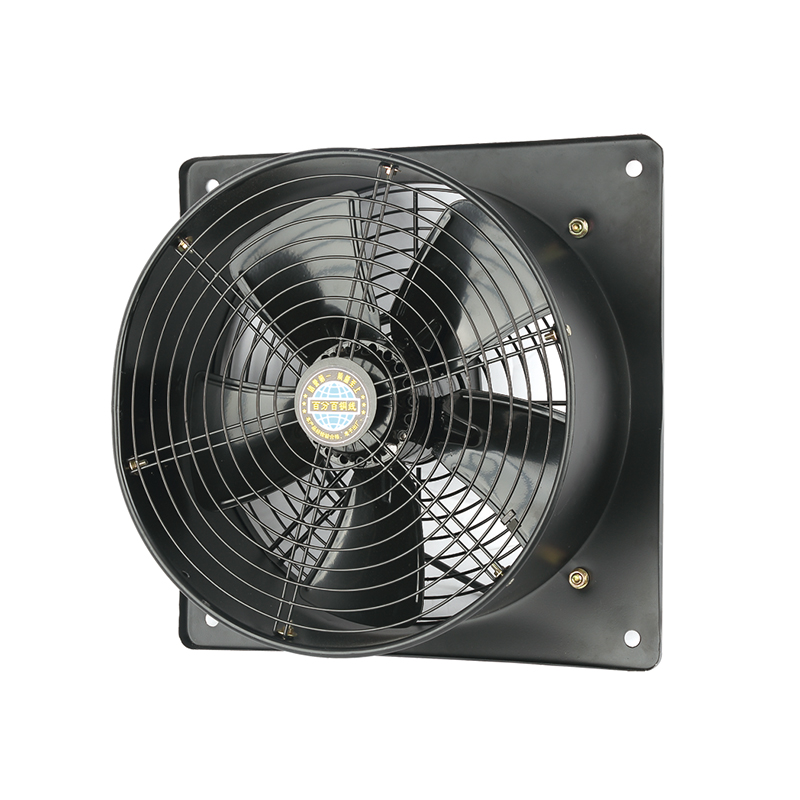
It's also worth asking whether a different type of ventilation equipment fits better. Axial fans, for instance, are commonly used when air moves along the fan shaft, especially where the ventilation route has fairly low resistance.
Choose between axial and centrifugal fans based on what the system actually requires, not on assumptions about equipment size or industrial use.
Heavy duty centrifugal fans make the most sense where the ventilation task is demanding, system resistance is considerable, industrial activity is continuous or the exhaust requirements are specialized. Knowing those conditions helps facility managers see where this equipment fits in the overall ventilation plan.