 English
 русский
 عربى
عربى Español
You'll find these fans almost everywhere: manufacturing plants, commercial buildings, workshops, material processing facilities. The design lets them work with duct systems and equipment where air needs to follow a defined path rather than just drift around. Depending on what's needed, a fan might supply fresh air, pull out heated air, carry dust toward a collection system, or keep air moving around production equipment.
Even though centrifugal fans all run on the same basic principle, they're far from identical. Impeller shape, housing design, drive setup, material choice — all of this changes how a given fan actually performs within its system. Getting familiar with these basics helps equipment users figure out which fan type actually fits their situation.
What Is a Centrifugal Fan China ?
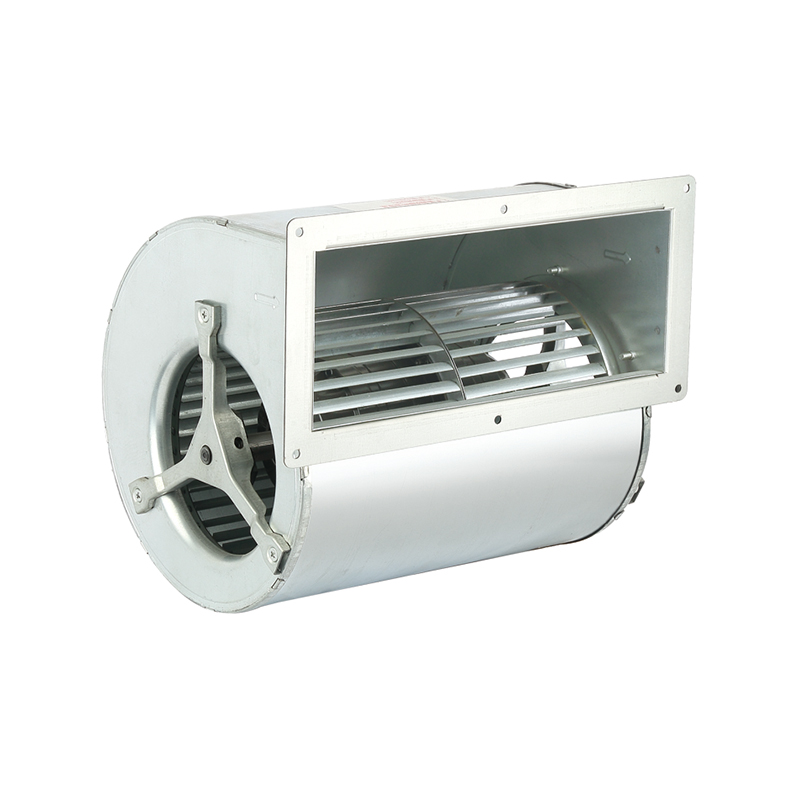
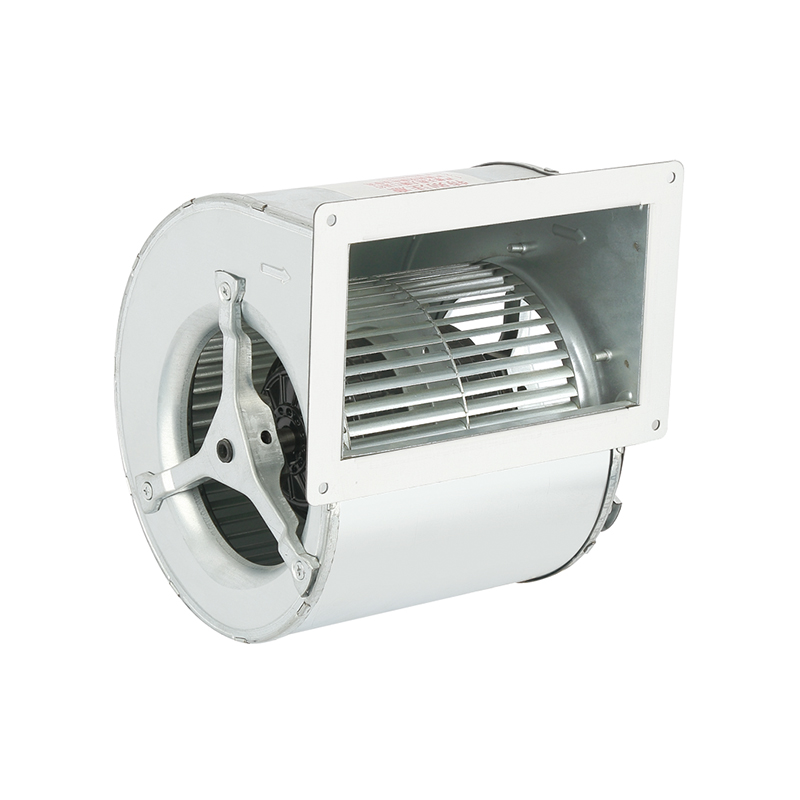
At its core, a centrifugal fan is an air-moving device built around a rotating wheel — the impeller — that pulls air in from an inlet and pushes it out toward an outlet. Air typically enters near the impeller's center, and as the wheel spins, it flings that air outward. The housing then takes over, steering the moving air toward the discharge opening.
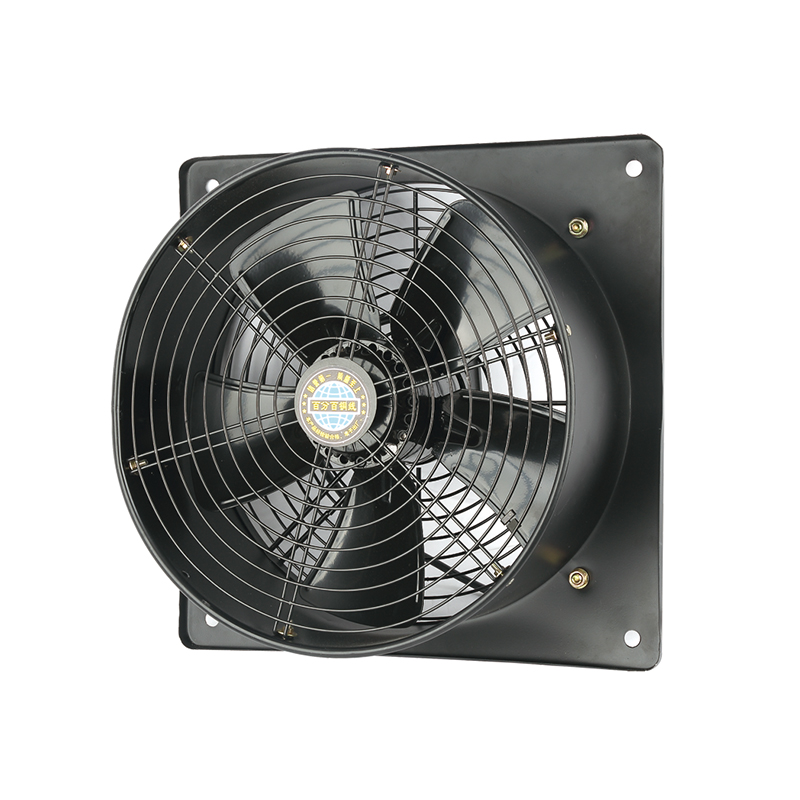
This is what sets a centrifugal fan apart from an axial fan. Axial fans push air mostly in a straight line along the rotating shaft. Centrifugal fans change the air's direction as it moves through the impeller and housing — which is exactly why they work well in systems where air has to travel through ducts, filters, heat exchangers, or other connected gear.
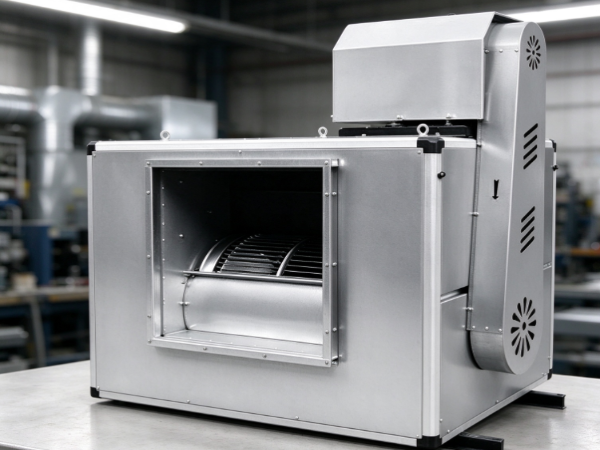
The whole point of a centrifugal fan is creating and maintaining airflow. In industrial settings, that airflow does a lot of different jobs — bringing in fresh air, clearing out unwanted heat, pulling exhaust away from machinery, or pushing air through a production process.
These fans come in different configurations depending on what's needed. Some are built for general ventilation; others are meant for high-pressure systems, high-temperature environments, or air streams carrying dust. Which design makes sense really comes down to the operating conditions and the actual work the fan has to do.
Worth remembering too — a centrifugal fan isn't some standalone piece of equipment. It's part of a bigger system, and its performance depends heavily on the ductwork, filters, dampers, and other gear connected to it. Even the "right" fan on paper might underdeliver if the surrounding system is poorly laid out or too restrictive.
How Does a Centrifugal Fan Work?
A centrifugal fan takes the rotational energy from a motor and turns it into energy that moves air. Air comes in, picks up speed through the impeller, and exits through the outlet — that's the whole process in a nutshell.
The motor drives the impeller either directly, through a belt, or via some other suitable arrangement. As the impeller spins, its blades act on the air sitting inside the fan housing. That air gets flung outward from the center of the wheel and moves into the surrounding housing space.
The housing itself — usually shaped like a spiral — collects whatever air the impeller discharges and funnels it toward the outlet. This structure is what lets air flow smoothly into connected ductwork or equipment, and the housing's design plays a real role in how cleanly that air moves through.
Breaking it down into three basic stages helps make this clearer:
- Air enters through the inlet. As the impeller spins, air gets pulled in through the inlet opening, usually positioned near the impeller's center so air can enter the rotating assembly directly.
- The impeller accelerates the air. The spinning blades transfer energy into the air and push it outward. By the time it leaves the impeller, that air has picked up speed and changed direction.
- The housing directs air toward the outlet. The housing gathers up the moving air and guides it into the discharge opening, where it continues on through the connected system to wherever it's actually headed.
This cycle just keeps repeating while the fan runs. How much air actually gets moved depends on things like impeller design, rotational speed, system resistance, and the properties of the air being handled.
If the connected system creates too much resistance, airflow drops off. Restricted filters, blocked ducts, awkward bends, mismatched outlet connections — any of these can throw things off. That's really why fan selection and system design need to be worked out together, not separately.
What Are the Main Components of a Centrifugal Fan?
A handful of components work together to make a centrifugal fan function — the exact arrangement shifts by fan type, but the core parts are usually the impeller, housing, inlet, outlet, drive system, shaft, and supporting structure.
| Component | Main Function |
|---|---|
| Impeller | Transfers energy to the air and moves it outward |
| Housing | Collects and directs air toward the outlet |
| Inlet | Provides the opening through which air enters |
| Outlet | Directs discharged air into the connected system |
| Motor | Supplies the power needed to rotate the impeller |
| Shaft | Transfers rotation to the impeller in supported drive arrangements |
| Bearings | Support rotating parts and help maintain smooth movement |
| Frame or base | Supports the fan and helps keep the assembly stable |
The impeller sits at the heart of how the fan operates. Blade shape, spacing, arrangement — all of it affects how air enters and exits the rotating wheel. Different impeller designs suit different airflow needs and material-handling scenarios.
The housing matters just as much, honestly. It's what guides air from the impeller to the outlet and gives discharge a defined path. Mismatch the housing to the application, and it'll interfere with airflow and throw off how the whole fan performs.
The inlet needs to let air in without unnecessary blockage — its shape and position shape how air actually enters the impeller. The outlet, meanwhile, has to line up properly with the connected ductwork so air can keep moving into the next part of the process.
As for the drive system, that's what provides rotation in the first place. Some fans run a direct drive, where the motor connects straight to the rotating assembly. Others use belts or similar setups to transfer motion instead. Which configuration makes sense depends on the fan's design, where it's installed, and maintenance considerations.
Bearings and supporting structures keep the rotating parts sitting where they should. Let these wear out, loosen up, or go out of alignment, and the fan starts developing noise, vibration, or other issues. Regular inspection is what catches these problems before they turn into something bigger.
What Are the Common Types of Centrifugal Fans?
Centrifugal fans get classified by impeller design, pressure needs, construction, and intended use — and the type chosen really shapes how it handles air and performs in a given system.
One common way to tell them apart is by which direction the blades curve.
Forward-curved centrifugal fans — blades curve in the direction of rotation. Common in certain ventilation and air-handling setups where this airflow pattern fits the system well.
Backward-curved centrifugal fans — blades curve against the direction of rotation. Shows up across various industrial and ventilation systems where this operating pattern matches the job.
Radial-blade centrifugal fans — blades extend straight outward from the impeller's center. Often used where dust or other material gets carried in the airflow, depending on the specific design.
Another way to split them up is by the environment they're meant to run in.
A standard industrial centrifugal fan might move air through production areas, ventilation ducts, or equipment enclosures. A high-pressure version is built for systems needing air to push against more resistance — certain duct networks or material-handling setups, for instance.
A high-temperature centrifugal fan handles hot gas specifically — think furnaces, drying equipment, or industrial exhaust systems. Everything about it, materials included, has to suit those temperature conditions.
Corrosion-resistant and dust-handling designs exist too, for environments involving moisture, chemicals, particles, or other conditions that shape material choice and maintenance needs.
No single fan design covers every situation. Picking one comes down to required airflow, system resistance, gas characteristics, available installation space, and the operating environment overall. Knowing the differences between types helps narrow things down before getting into specific equipment specs.
Where Are Centrifugal Fans Commonly Used?
Centrifugal fans turn up across a huge range of industries, mostly because so many production processes depend on controlled air movement — general ventilation, heat removal, exhaust extraction, drying, dust collection, you name it.
Industrial ventilation
Manufacturing plants constantly need to clear out stale air and bring fresh air through work areas. Centrifugal fans supply or extract air through duct networks, keeping ventilation steady in enclosed spaces and production zones.
Heating, ventilation, and air conditioning
Commercial and industrial buildings use these fans inside air-handling equipment, moving air through filters, heating or cooling sections, and distribution ducts — essentially delivering conditioned air to wherever it's needed.
Dust collection
Cutting, grinding, sanding, and other material-handling processes generate particles that need clearing out. A centrifugal fan creates the airflow needed to pull dust into a collection system, with the design matched to the particle type and the resistance from the collection equipment itself.
Industrial drying
Drying equipment uses heated air to pull moisture out of materials. Fans here might circulate air inside the drying chamber or push humid air toward an exhaust outlet — and how that air gets distributed really affects drying consistency.
Furnaces and thermal processing
Furnaces, kilns, and heat treatment gear often need air circulation or hot-gas extraction. Whatever fan goes in has to suit the temperature and gas conditions involved.
Chemical and process manufacturing
Plenty of industrial processes need air or gas moving between connected equipment. Centrifugal fans support ventilation and exhaust here, as long as materials and construction are compatible with the gases in play.
Agriculture and material storage
Some agricultural and storage facilities lean on centrifugal fans for ventilation and air movement — the application here depends on building layout, the material being stored, and how much heat or moisture needs managing.
Installation requirements shift a lot across these industries. A fan running in a clean ventilation system faces completely different conditions than one sitting near a furnace or pulling dusty exhaust. The application itself should always drive the selection.
How Does a Centrifugal Fan Differ From an Axial Fan?
Both centrifugal and axial fans move air, but they do it through different airflow patterns — and that difference explains a lot about why one design fits a particular job better than the other.
An axial fan pushes air mostly parallel to its shaft — air comes in one side, travels straight through, and exits the other. This shows up a lot in general air circulation, equipment cooling, and some ventilation work.
A centrifugal fan pulls air into the impeller and flings it outward, with the housing then guiding it toward the outlet — so the airflow actually changes direction inside the fan. That makes it a better fit for installations connected to ductwork or equipment creating resistance to airflow.
| Comparison Point | Centrifugal Fan | Axial Fan |
|---|---|---|
| Airflow direction | Air moves outward through the impeller, then turns toward the outlet | Air moves mainly along the shaft |
| Common system layout | Often connected to ductwork and process equipment | Often used for direct air circulation or ventilation |
| Installation needs | Needs space for the housing and discharge arrangement | Usually a more direct inlet-to-outlet layout |
| Typical applications | Industrial exhaust, drying, dust collection, air handling | General ventilation, cooling, air circulation |
| Selection factors | System resistance, airflow needs, gas conditions, housing design | Airflow needs, installation layout, operating conditions |
These distinctions aren't absolute, though — both fan types come in a range of designs, and what actually suits a job depends on the full set of operating conditions involved.
An axial fan might work fine moving air through an open area, while a centrifugal fan often makes more sense when air has to pass through filters and run through an extended duct network. Still, the real system requirements should drive the final call, not a general rule of thumb.
Buyers shouldn't pick a fan purely on airflow direction. Pressure needs, energy use, noise levels, installation space, maintenance access, compatibility with surrounding equipment — all of that matters too.
What Factors Affect Centrifugal Fan Performance?
A centrifugal fan's performance isn't just about the motor or impeller — it's working as part of a bigger airflow system, so operating conditions can swing how much air it actually moves and how reliably it keeps running.
System resistance tops the list. Air runs into resistance moving through ducts, filters, bends, dampers, connected machinery — and when that resistance climbs, the fan ends up moving less air than expected. Duct design and component placement deserve a proper look during system planning for exactly this reason.
Impeller condition matters too. Dust buildup, corrosion, wear, physical damage — any of these can throw off the balance and shape of the rotating wheel, which can cut airflow or trigger vibration. How you inspect for this should match the materials and conditions the fan actually sees in use.
Air temperature and composition shape both fan selection and ongoing operation. Hot gases stress materials and nearby components; corrosive substances or particles speed up wear. Whatever fan gets chosen needs to actually suit the air or gas it's handling.
Drive and motor condition matter just as much. A worn belt, loose connection, failing bearing, or misaligned rotating part all interfere with smooth operation. Routine inspection catches these early enough to act on them.
Installation quality shapes how the fan interacts with everything else around it. Poorly aligned connections, unstable supports, restricted inlets — all contribute to noise, vibration, and weaker airflow. Solid foundations and properly arranged duct connections go a long way toward stable operation.
Noise and vibration offer useful clues when something's off, but they don't always point to the same root cause. Tracking down the real problem might mean checking the impeller, bearings, mounting, drive system, and connected ducts all together.
How Should a Centrifugal Fan Be Selected and Maintained?
Picking the right centrifugal fan starts with understanding what the system actually needs to do. Buyers and engineers should nail down the purpose of the airflow, what the air or gas involves, and the conditions the equipment will run under.
A few questions help organize that process:
- What's the fan supposed to do — supply air, remove exhaust, circulate heat, support material handling?
- What airflow does the process actually require?
- How much resistance will the connected ducts, filters, and equipment create?
- Will the fan handle hot air, moisture, dust, or chemically active gases?
- How much installation and servicing space is actually available?
- Does the environment call for special materials or protective measures?
- What maintenance access will be needed during normal use?
Answering these gives a solid basis for picking the right fan design and drive setup — and it's a much better conversation starter with a fan manufacturer or supplier than just naming a general product category and hoping it fits.
Maintenance should follow whatever the manufacturer specifies, adjusted for actual conditions of use. Typical tasks include checking the impeller and housing, inspecting bearings and drive components, examining mounting points, and watching for corrosion or material buildup.
The connected system deserves inspection too — a blocked filter or restricted duct can throttle airflow even while the fan itself runs perfectly fine. Cleaning and inspection should cover everything that influences air movement, not just the fan assembly in isolation.
Unusual noise, rising vibration, visible damage, or shifts in airflow are all signals worth investigating. Before touching any of it, though, operators need to follow facility safety procedures and isolate the power supply wherever required.
Getting a centrifugal fan installation right really comes down to the relationship between the fan, its operating environment, and whatever equipment it's connected to. Clear requirements upfront, careful selection, and consistent maintenance are what keep the whole airflow system working the way the production process actually needs it to.