 English
 русский
 عربى
عربى Español
The difference from ordinary ventilation fans comes down to what they're actually facing — heat from production equipment, heated materials, combustion byproducts, or industrial exhaust streams. What role a fan plays really depends on the facility's layout and what the process demands. Some setups need hot air circulated around; others are built to pull heated gases out entirely or push airflow through connected equipment.
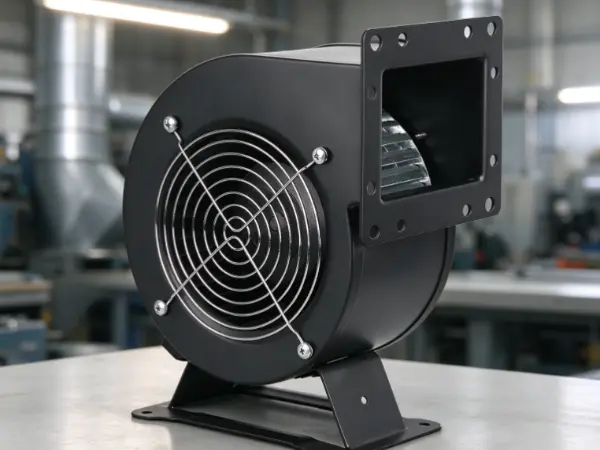
You'll run into these fans in furnaces, drying systems, heat treatment facilities, manufacturing plants, and waste processing operations, among other places. Knowing where they typically show up helps facility operators, equipment planners, and buyers spot the right application and plan installation properly.
Why Are High Temperature Centrifugal Fans Used in Industrial Facilities?
Heat is just part of the deal in a lot of industrial processes. Furnaces heat materials up, dryers pull moisture out, thermal treatment changes product properties entirely. None of that works without controlled airflow — moving heat where it needs to go, carrying exhaust away, keeping conditions where they need to be.
A high temperature centrifugal fan handles this by pulling air or gas into its housing and pushing it out toward an outlet. That pattern works well for systems where air has to travel through ducts, chambers, equipment, or exhaust channels — not just circulate loosely around an open space.
That's really the point of the centrifugal design — it suits situations where airflow needs to follow a specific path. Most industrial facilities are full of enclosed equipment and connected ductwork, so the fan has to work with that structure rather than just stirring air around a room.
Where the fan actually goes depends on what it's doing. Maybe it's feeding heated air into a production chamber. Maybe it's pulling hot exhaust out of equipment. Maybe it's helping circulate air inside a thermal processing system. Plenty of facilities run several fans doing different jobs along the same line.
Heat exposure shapes installation planning too. The fan itself, the motor, bearings, seals, connected ductwork — all of it has to suit the environment it's sitting in. And the gas moving through the fan might run hotter or cooler than the air around the motor, which matters a lot when deciding where to put things and how to protect them.
Where Are High Temperature Centrifugal Fans Installed in Industrial Furnaces?
Furnaces are one of the most common places you'll find these fans. They heat metals, ceramics, glass, and other materials during production, and that heating process usually needs air circulation, exhaust removal, or gas movement between connected equipment.
Inside a furnace, airflow directly affects how heat reaches whatever's being processed. Get the air movement wrong, and temperature differences crop up across the chamber. That's why fans often get installed as part of a circulation setup meant to spread heat evenly across the processing area.
Exactly how it's arranged comes down to the furnace design itself. Some systems use fans purely to circulate heated air inside a chamber. Others move combustion gases around or pull hot air out through dedicated exhaust paths. Either way, the fan's actual function needs to be nailed down before deciding where to put it.
These fans often end up near furnace exhaust outlets too — spots that expose equipment to hot gases, dust, and whatever byproducts the process generates. Everything there, fan included, needs to hold up under those gas conditions and whatever duty cycle the furnace runs.
Access matters just as much. Furnaces usually sit inside a bigger production line, so maintenance has to fit around production schedules rather than disrupt them. A good installation lets technicians inspect what they need to without tearing apart everything nearby.
How Are These Fans Used in Industrial Drying Systems?
Drying systems use heat to pull moisture or other unwanted substances out of materials — wood, paper, textiles, food ingredients, chemicals, manufactured parts, you name it. High temperature centrifugal fans move heated air through the drying chamber or push humid exhaust out of the production space.
How that hot air gets distributed changes everything about the drying result. Uneven airflow means some parts of a batch dry faster than others, which throws off product consistency and stretches out cycle times.
A fan here might feed air into a heating chamber, circulate it around the product, or pull moisture-laden air back out. Bigger installations often route airflow through several ducts and processing zones, so the fan needs to handle the resistance and conditions of that whole connected system.
Different materials bring different headaches. Wood processing kicks up dust and small particles; chemical drying can produce vapors; food processing often has strict cleanliness rules attached. All of that shapes fan selection, access setup, and whatever filtering gets added on.
Where the fan sits should also make cleaning and inspection practical. Residue builds up in ductwork and nearby components over time, which messes with airflow and bumps up maintenance needs. Planning for cleaning access from the start cuts down on disruptions later.
Where Are High Temperature Centrifugal Fans Used in Heat Treatment Facilities?
Heat treatment changes material properties through controlled heating and cooling — metalworking relies on this to adjust hardness, strength, and other characteristics. Depending on how the equipment's built, high temperature centrifugal fans may circulate hot air or pull heated gases out of the treatment zone.
Inside a heat treatment furnace, how heat distributes affects consistency across the treated material. A circulation fan pushes the atmosphere along the right path so heat actually reaches every part of the chamber evenly. The fan setup has to match both the furnace structure and whatever material's being treated.
Some heat treatment systems run on protective atmospheres or process gases, which means the fan has to handle that specific gas composition and temperature, plus whatever's happening around it. Material compatibility and sealing often become important parts of the install.
Fans also show up in cooling or exhaust setups connected to the process — pulling air away from heated components, or directing exhaust toward treatment equipment. Each stage of the line really needs its own look rather than assuming one fan setup works everywhere.
Maintenance access stays important here too. Heat treatment gear often sits surrounded by insulated chambers, ducts, and other machinery. Put the fan somewhere technicians can actually reach safely, and routine servicing gets a lot easier.
Which Manufacturing Industries Commonly Install High Temperature Centrifugal Fans?
These fans turn up across a wide range of manufacturing sectors — the application changes with the material being processed, how much heat production generates, and what needs to happen with exhaust or circulation.
| Industry | Common Installation Area | Main Airflow Purpose |
|---|---|---|
| Metalworking | Furnaces and heat treatment lines | Circulating hot air, moving process gases |
| Glass manufacturing | Melting and thermal processing systems | Managing heated air and exhaust |
| Ceramics | Kilns and drying equipment | Supporting heat distribution and gas movement |
| Wood processing | Industrial dryers and thermal equipment | Moving hot air, removing moisture |
| Paper production | Drying sections and exhaust systems | Supporting drying and heat removal |
| Chemical manufacturing | Heating, drying, exhaust equipment | Moving heated process gases |
| Textile processing | Heat-setting and drying machinery | Circulating heated air |
| Building materials | Curing ovens and production furnaces | Distributing heat, extracting exhaust |
Glass manufacturing exposes ventilation systems to hot air and gases coming off melting and forming processes. Fans here typically sit within exhaust systems or other connected airflow setups.
Ceramic production leans heavily on drying and firing — airflow controls how heat moves through kilns and drying equipment. The right fan location really depends on kiln design, which direction the gas needs to go, and what the production process actually requires.
Textile manufacturing uses heated air for drying, curing, and heat-setting work. Fans move that air through processing equipment, but installation has to account for lint, dust, and whatever conditions the material itself creates.
Chemical and building material production often deals with heated gases, moisture, fumes, or suspended particles all at once. A fan might be part of a closed process system or a straight exhaust setup — either way, gas composition and exposure to corrosive or combustible substances need checking before equipment gets picked.
These industries share similar equipment types, sure, but their operating environments aren't interchangeable. A fan that works fine on one line might not suit another without checking temperature exposure, gas characteristics, airflow needs, and maintenance demands first.
Where Are High Temperature Centrifugal Fans Installed in Exhaust and Emission Control Systems?
Industrial exhaust systems pull hot gases away from production equipment and route them toward discharge or treatment points. High temperature centrifugal fans go into these lines whenever the gas moving through stays hot enough to demand heat-resistant equipment.
Typical spots include exhaust lines off furnaces, ovens, boilers, kilns, and thermal processing machinery. The fan pushes gases through ductwork toward whatever comes next — filtration, scrubbing, other treatment systems, depending on what the process requires.
Where exactly the fan sits in that exhaust line changes its operating environment. Closer to the heat source means higher gas temperatures to deal with. Farther downstream, the gas might've already cooled or passed through earlier treatment stages. Actual conditions need checking directly — distance alone doesn't tell the whole story.
Exhaust composition matters just as much. Some processes kick up dust or fine particles; others release moisture, fumes, or chemically reactive gases. All of that can wear on the fan housing, impeller, seals, and connected ducts. Where particles are a factor, the design needs to account for buildup and cleaning from the start.
Good installation also keeps exhaust handling safe. Duct connections need to match the system layout, and the fan has to work with whatever airflow direction the system requires. Vibration, leaks, restricted passages — any of these can hurt performance and add to maintenance load.
Worth remembering: a fan doesn't replace proper emission control equipment. It just provides the airflow the system needs — filtration and gas treatment handle the actual contaminants.
Can High Temperature Centrifugal Fans Be Installed in Waste Treatment and Energy Systems?
Waste treatment and energy facilities often run combustion, thermal decomposition, drying, and other heat-generating processes — all of which may need equipment moving hot air or exhaust through chambers, ducts, and treatment units.
In waste incineration setups, fans might sit in combustion air supply lines or exhaust arrangements, keeping gases moving the way the process intends. Since waste composition varies, exhaust conditions can shift too — fan selection needs to account for actual temperature, gas makeup, and potential particle content rather than assumptions.
Thermal treatment systems for industrial waste often need air movement through enclosed chambers. Fans here might supply air, maintain circulation, or push exhaust toward gas treatment equipment, depending on the process. It's worth thinking of the fan's role as part of the whole system rather than a standalone piece.
Energy facilities use these fans in boiler systems, heated gas channels, and heat recovery setups too — supporting combustion airflow, gas extraction, or moving heated air between process stages. What exactly it does depends entirely on how the facility's built.
Waste and energy applications tend to be rough on fan components. Dust, ash, moisture, chemically active substances — all of it chips away at service life. Access, cleaning routines, and inspection schedules all need thought during installation planning.
The fan also has to fit the broader system. Change the duct routing, block a passage, or use an unsuitable connection, and airflow shifts in ways that add load to the equipment. Coordinating the fan with the surrounding process upfront avoids problems that get a lot harder to fix once the line's already running.
What Should Be Considered When Choosing an Installation Location?
Finding the right spot for a high temperature centrifugal fan isn't just about finding open space near a heat source. The fan has to meet the process's airflow needs while staying within what its materials and components can actually handle.
A handful of factors deserve a close look before installation:
- Gas temperature – Figure out what temperature the fan will see during normal running, startup, shutdown, and any other relevant phase. Conditions can shift throughout the process.
- Gas composition – Check whether the moving gas carries dust, moisture, corrosive substances, or anything else that could affect the fan over time.
- Airflow path – Look at the connected ducts, bends, inlets, outlets, and treatment equipment. The layout needs to support the air or gas movement actually intended.
- Installation environment – Factor in surrounding heat, humidity, dust, vibration, and how much space is actually available.
- Maintenance access – Leave room for inspection, cleaning, and part replacement. Don't box the fan in somewhere that forces technicians to dismantle nearby machinery just for routine service.
- Motor and component protection – Make sure the motor, bearings, seals, and other parts suit their own specific operating conditions.
- System coordination – Check how the fan works alongside heating equipment, dampers, filters, exhaust treatment units, and other connected gear.
The gap between gas temperature and ambient temperature deserves real attention here. Sometimes a fan handles hot gas while its motor sits outside the hottest zone entirely. Other times, heat affects both the gas and the surrounding installation area at once. Each situation calls for its own layout decisions.
How the fan gets installed matters too — a stable support structure, compatible duct connections, and proper vibration control all help keep operation steady. Poor alignment or a mismatched connection just adds unnecessary stress to the equipment.
It's also worth thinking ahead to how production might change down the road. New materials, different heating processes, altered exhaust routing — any of these can shift airflow and operating conditions. Thinking through these possibilities during planning helps confirm whether a chosen location still makes sense as the process evolves.
At the end of the day, high temperature centrifugal fans end up wherever industrial operations need controlled movement of heated air or hot gases — furnaces, drying systems, heat treatment equipment, manufacturing lines, exhaust systems, waste treatment facilities, all of it. Getting the installation right comes down to the process itself, the characteristics of the gas moving through, the surrounding environment, and what the facility actually needs for ongoing maintenance.