 English
 русский
 عربى
عربى Español
Qinlang focuses on providing high-quality products and considerate services, and is committed to meeting every expectation of our customers.
The DKT-133 Cooling Ventilation Double Inlet Air Conditioning Fan is d...
See Details
Square axial fan systems are widely used in ventilation, cooling, and air movement projects across different industries. They appear in workshops, equipment rooms, agricultural buildings, and many other environments where airflow needs to be controlled in a stable way.
Even though the product structure looks simple from the outside, installation is not just a mechanical step. It involves understanding airflow direction, system matching, working environment, and long term operation behavior.
Many performance issues that appear later are not caused by the fan itself, but by how the system was planned and installed at the beginning.
Before installation planning, it is important to understand what this type of fan actually does in a working system.
A square axial fan is designed to move air in a straight direction while fitting into a square frame structure. This design makes it easier to install in walls, panels, or equipment structures where space alignment is important.
Unlike complex air handling systems, this type of fan focuses on direct airflow movement. That means its performance is closely related to installation position, surrounding space, and air path design.
In simple terms, the fan does not work alone. It works as part of a system.
Why airflow direction matters
Airflow direction is one of the most important factors in system performance. If air moves without clear direction, circulation becomes uneven, and efficiency drops.
In real projects, airflow design usually includes:
Even small changes in layout can affect how air moves through the system.
Common installation mistake
One common issue is placing the fan without considering where air should go after it exits the system.
When airflow meets obstacles too early, circulation becomes unstable, and the system may not perform as expected.
Choosing a stable installation point
The installation surface must support continuous operation. If the structure is not stable, vibration may increase over time.
In industrial environments, square axial fans are often mounted on:
Each location has different requirements for stability and airflow clearance.
Space around the fan
Air needs space to move freely. If the surrounding area is too closed, airflow resistance increases.
A proper installation plan always considers:
Different environments have different needs
Square axial fan systems are used in a variety of settings, such as:
Each environment has different airflow requirements.
Understanding workload conditions
Before installation, it is important to consider how often the system will run.
Some systems operate continuously, while others run intermittently. This affects how the fan is selected and installed.
Basic connection planning
Although the fan structure is mechanical, it depends on proper electrical setup to operate correctly.
Installation planning should include:
Control method considerations
Different systems may use different control methods depending on project design. Some are manual, while others are integrated into automated systems.
The key point is ensuring the fan operation matches the actual airflow demand of the system.
Why resistance matters
Air does not move freely without resistance. In every ventilation system, air meets resistance from ducts, filters, openings, or structural design.
If resistance is not considered, airflow may become weaker than expected.
Balancing airflow in real systems
A stable system needs balance between:
If one part is not balanced, overall performance is affected.
What affects noise in real use
Noise is not only related to the fan itself. It is also influenced by:
Reducing vibration impact
In many installations, vibration control is handled by:
Even small vibration issues can become noticeable during long operation.
Temperature and air quality
Square axial fans are often used in environments where air conditions are not always stable.
Before installation, it is important to understand:
Why environment affects performance
Air conditions directly influence airflow efficiency and long term stability. Dirty or heavy air conditions may require more frequent maintenance.
Planning for long term use
Installation is not only about initial setup. It should also consider future maintenance.
If access to the fan is difficult, maintenance becomes more complicated over time.
Simple planning checklist
Good installation planning usually ensures:
Integration with existing systems
In many projects, square axial fans are added to existing ventilation structures rather than building a system from zero.
This means compatibility is important.
What should be checked
Before installation, it is useful to confirm:
Installation Checklist
| Area to Check | Why It Matters |
|---|---|
| Airflow direction | Ensures stable circulation |
| Installation surface | Supports long term operation |
| Space around fan | Allows smooth air movement |
| Electrical setup | Keeps system stable |
| Resistance level | Affects airflow efficiency |
| Noise and vibration | Impacts working environment |
| Environment conditions | Influences durability |
| Maintenance access | Simplifies future service |
Ignoring airflow path
One of the most common mistakes is focusing only on mounting the fan without designing airflow direction.
Overlooking space limitations
Limited space around the fan can reduce airflow efficiency and create resistance.
Skipping system balance check
If intake and output are not balanced, the system may not operate smoothly.
Instead of thinking about the fan as a single device, it is more practical to think of it as part of a larger airflow system.
A simple way to approach installation is:
This approach reduces unexpected issues later.
Installing a square axial fan system is not only a mechanical task. It is a planning process that involves airflow design, structural conditions, and system coordination.
When these factors are considered carefully before installation, the system is more likely to run in a stable and predictable way.
The goal is not only to install the fan, but to make sure it works well within the entire ventilation system over time.
A well planned installation usually leads to smoother airflow, more stable operation, and easier long term maintenance.
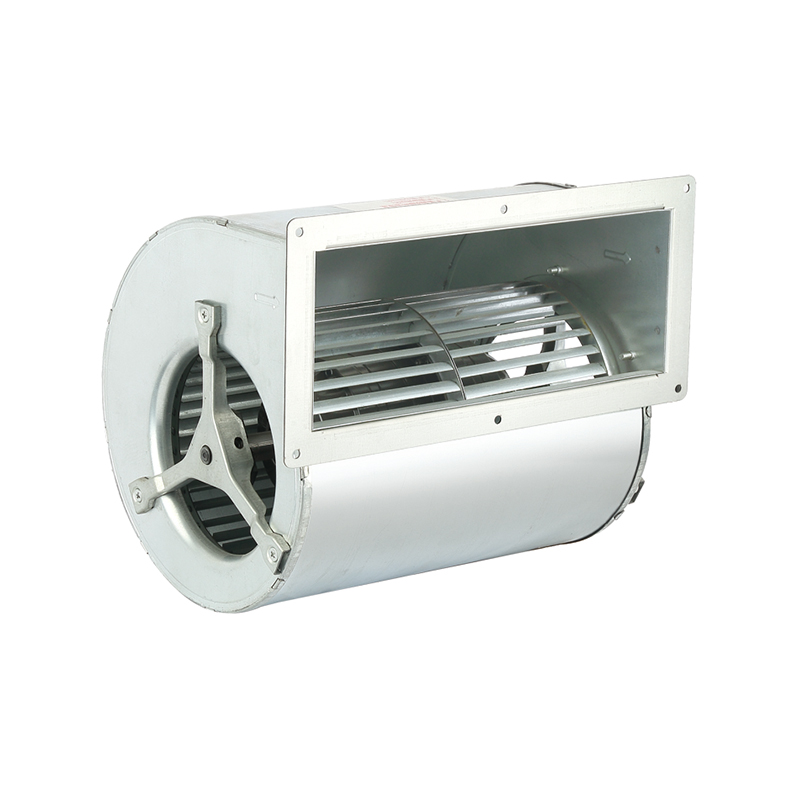
The DKT-133 Cooling Ventilation Double Inlet Air Conditioning Fan is d...
See Details
The DKT-146 Multi-Function Variable Frequency Double Inlet Air Conditi...
See Details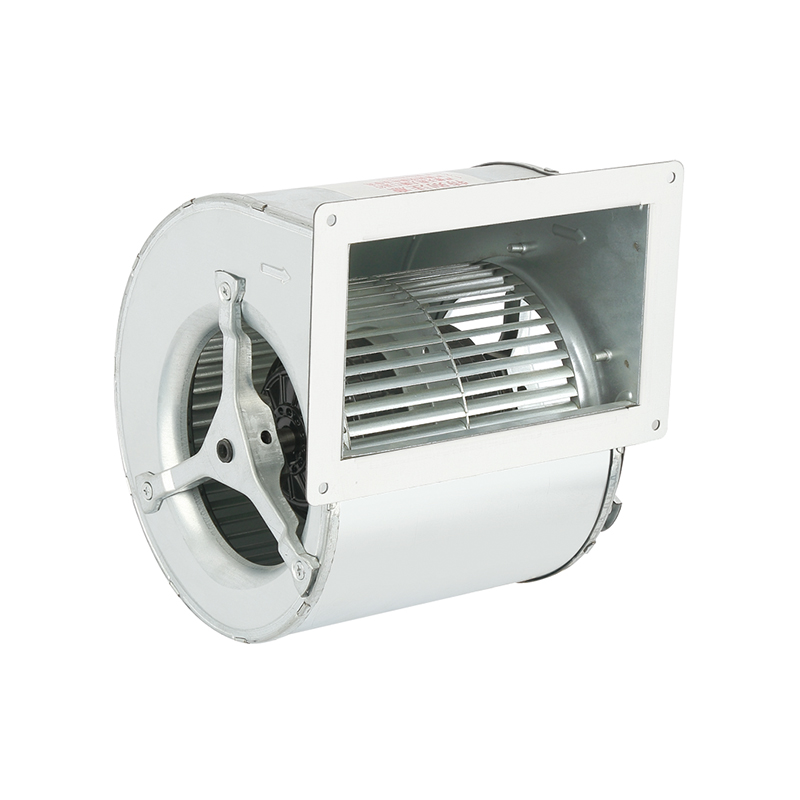
The DKT-160 Heat Dissipation Exhaust Double Inlet Air Conditioning Fan...
See Details
The DKT-180 Tilt Back Cool Down Double Inlet Air Conditioning Fan, a s...
See Details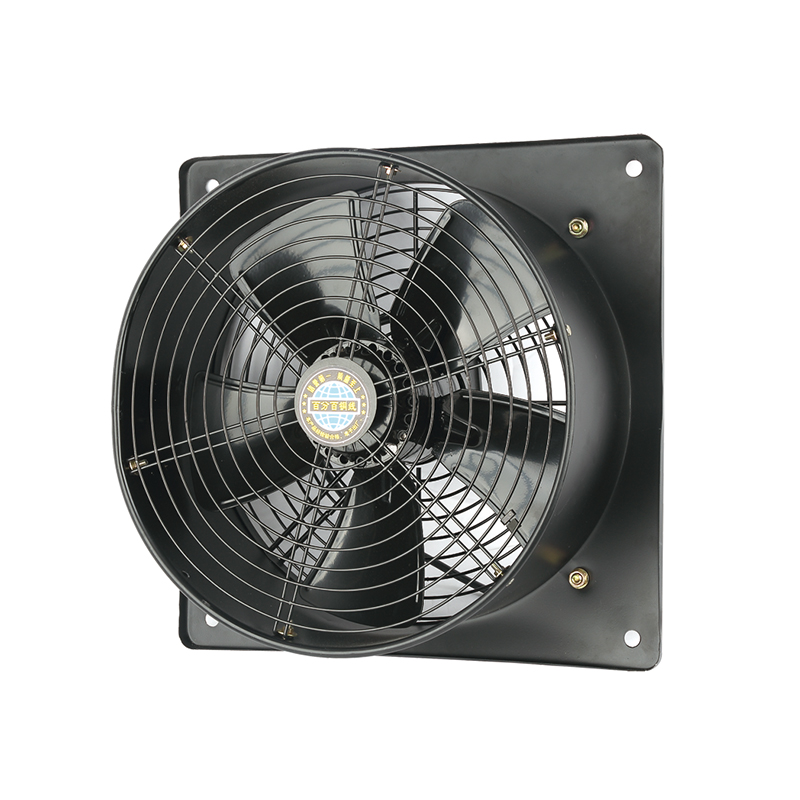
The YWF-400-2D2E Efficient Square form Axial fan is designed with a fo...
See Details
The YWF-350-2D2E Low noise Square form Axial Fan is designed with a co...
See Details
The YWF-350-4D4E Low vibration Square form Axial Fan is a outstanding ...
See Details
The YWF-400-4D4E Durable Square form Axial Fan is designed with advanc...
See Details
Qinlang focuses on providing high-quality products and considerate services, and is committed to meeting every expectation of our customers.
© Zhejiang Qinlang Electromechanical Co., Ltd.
Fans And Air-Cooling Equipment Factory
