 English
 русский
 عربى
عربى Español
Qinlang focuses on providing high-quality products and considerate services, and is committed to meeting every expectation of our customers.
The DKT-133 Cooling Ventilation Double Inlet Air Conditioning Fan is d...
See Details
Typical Applications of Variable Speed Duct Fan
A Variable Speed Duct Fan is often used in commercial HVAC systems like offices, malls, hotels, and schools. These buildings usually rely on long duct networks that cover multiple zones, and air demand changes throughout the day depending on how many people are inside and how much heat is generated. Instead of running at a fixed output all the time, variable speed operation lets the system adjust more naturally to what the space actually needs.
In industrial spaces, a Variable Speed Duct Fan is commonly installed in workshops, warehouses, and production areas. These environments deal with heat, fumes, or dust from daily operations. Since production levels are not always stable, ventilation demand changes as well. The fan can run faster during busy periods and slow down when activity drops. In many cases, ducts also include filters or collection units that increase airflow resistance.
In laboratories and controlled environments, airflow stability matters more than volume. Research labs, clean rooms, and hospital zones often need steady pressure balance and controlled air changes. A Variable Speed Duct Fan helps fine-tune airflow without constant manual adjustment.
Data centers also depend heavily on stable cooling. As computing load changes, heat output changes with it. Variable speed control helps match airflow to real-time demand, delivering air through raised floors or duct systems and keeping conditions more stable throughout the day.
In greenhouses and agricultural spaces, airflow affects temperature, humidity, and plant conditions. Since these factors can shift quickly with weather and sunlight, adjusting fan speed helps reduce condensation in the morning and avoid heat buildup later in the day. Duct distribution also helps keep airflow more even across larger areas.
You'll also see these fans in food drying rooms, storage facilities with controlled climate conditions, and retrofit projects in older ventilation systems. The common point across all these uses is simple: airflow demand is not constant, so the system needs to adjust instead of running at one fixed level.
Selection Guide for Variable Speed Duct Fan
Choosing a Variable Speed Duct Fan usually starts with the basics: space, airflow demand, and how the duct system is built. The fan has to physically fit the installation area and still cover the required airflow range.
A quick look at the duct layout helps a lot. Things like duct length, number of bends, filters, dampers, and grilles all affect resistance. Once these are clear, it becomes easier to estimate how much airflow is actually needed during normal and peak operation.
Static pressure is another key point. Even if the fan can adjust speed, the system still needs enough capacity to push air through the full duct network under real conditions. Long or narrow ducts usually mean higher resistance, which should be considered early.
Control compatibility is also something to check before selection. Many buildings already use centralized control systems. The fan should be able to work with existing control signals without complicated conversion or extra hardware.
Environmental conditions also matter. Temperature changes, humidity, and dust levels all affect long-term performance. A unit used in a clean office won't face the same conditions as one installed in a humid or dusty industrial space, so matching the equipment to the environment is important.
Key Selection Factors
| Factor | What to Check | Why It Matters |
|---|---|---|
| Size & airflow | Duct size and airflow range | Makes sure airflow matches actual demand |
| Static pressure | System resistance from ducts and components | Keeps airflow stable in real operation |
| Control compatibility | Signal type from building system | Ensures smooth integration |
| Environment | Temperature, humidity, dust | Impacts durability and service life |
Noise and vibration should not be ignored, especially in occupied areas. A well-balanced Variable Speed Duct Fan with proper isolation usually runs more quietly, especially at lower speeds. Power supply requirements also need to match the site conditions, and if a drive is included, space and ventilation around it should be checked as well.
Installation Tips for Variable Speed Duct Fan
Installation quality has a direct impact on performance. The first step is making sure the fan position matches the design layout and still leaves enough room for maintenance later.
Airflow conditions around the fan should be as smooth as possible. Straight duct sections before and after the unit help reduce turbulence. Installing the fan right after a bend or sudden duct size change can disturb airflow and affect performance.
Flexible connectors are often used to reduce vibration and allow small alignment adjustments. All joints should be properly sealed to prevent air leakage, which can reduce system efficiency.
Installation Checklist
Vibration control is especially important in occupied buildings. Isolation mounts or flexible supports help reduce noise transfer into the structure. In quieter spaces, acoustic lining inside nearby ducts can also help.
Electrical work should be done only after mechanical installation is finished. Power must be disconnected before wiring. Control cables should be kept separate from power lines to avoid interference. After everything is connected, a low-speed test run is usually enough to confirm stable operation before full startup.
Maintenance and Troubleshooting
Maintenance for a Variable Speed Duct Fan doesn't need to be complicated, but it should be consistent. A simple routine divided into monthly, quarterly, and yearly checks usually works well.
Monthly checks are mainly visual—cleaning surfaces and looking for dust buildup. Quarterly checks may include lubrication (if needed), checking belts, and confirming that speed changes respond correctly.
Yearly maintenance goes deeper. That usually means internal cleaning, checking electrical terminals, and tightening any loose mounting parts. Keeping basic records helps track how the system changes over time.
Cleaning depends on the environment. Dry dust can be removed with a brush or vacuum. In more demanding environments, mild cleaning agents may be needed, followed by proper drying. High-pressure cleaning should only be used if the equipment is designed for it.
Routine Inspection Points
Lubrication should always follow the correct specification. Too much or too little can both lead to problems over time.
Troubleshooting Guide
| Issue | Possible Cause | What to Check First |
|---|---|---|
| Fan not starting | No power or missing signal | Check power supply and control input |
| Low airflow | Blocked duct or filter | Inspect airflow path |
| Noise or vibration | Loose mounting or imbalance | Check supports and impeller |
| Speed not changing | Control issue | Verify wiring and settings |
| Overheating | Poor ventilation | Improve airflow around drive |
| Intermittent operation | Loose connection | Check terminals and sensors |
Tracking current at different speeds can help spot rising resistance early. Vibration checks during downtime can also help detect wear before it becomes serious. Seasonal changes may affect performance, so it's worth keeping an eye on conditions throughout the year.
Having a few spare parts like belts or fuses on hand can reduce downtime when something goes wrong. Often, small changes in sound or airflow are the earliest warning signs.
A Variable Speed Duct Fan is used in many different environments because airflow demand is rarely steady. When selected properly, installed correctly, and maintained regularly, it can adjust to changing conditions without constant manual control.
When it runs quietly in the background and simply does its job without drawing attention, the system is usually in a good working state.
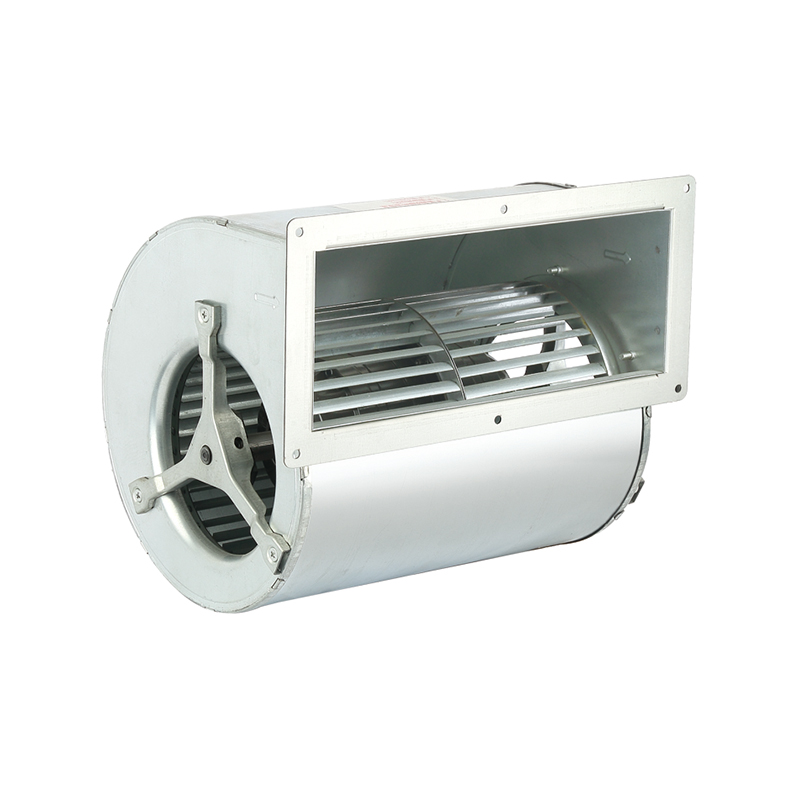
The DKT-133 Cooling Ventilation Double Inlet Air Conditioning Fan is d...
See Details
The DKT-146 Multi-Function Variable Frequency Double Inlet Air Conditi...
See Details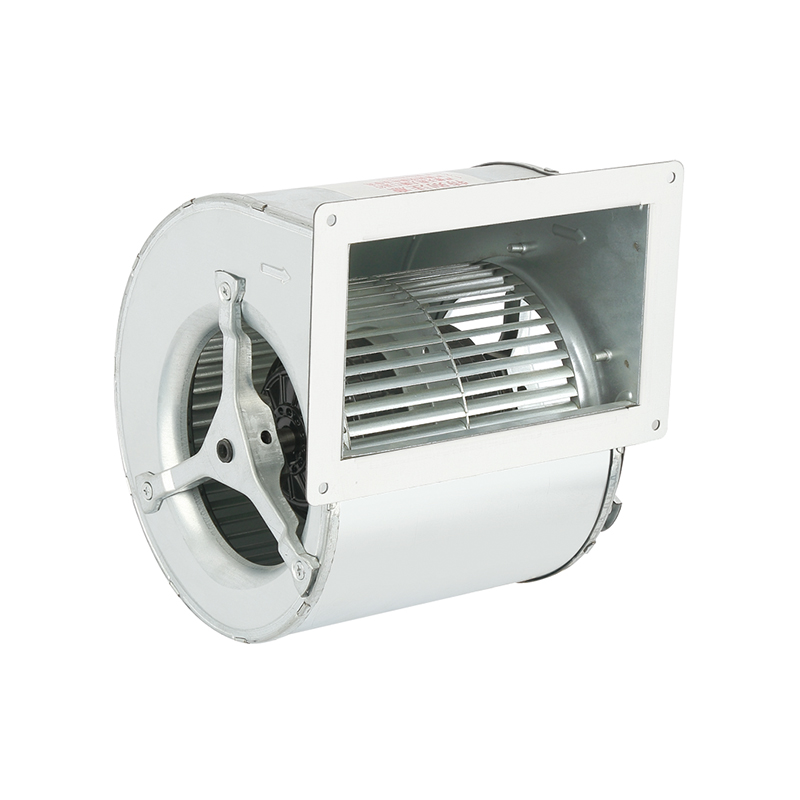
The DKT-160 Heat Dissipation Exhaust Double Inlet Air Conditioning Fan...
See Details
The DKT-180 Tilt Back Cool Down Double Inlet Air Conditioning Fan, a s...
See Details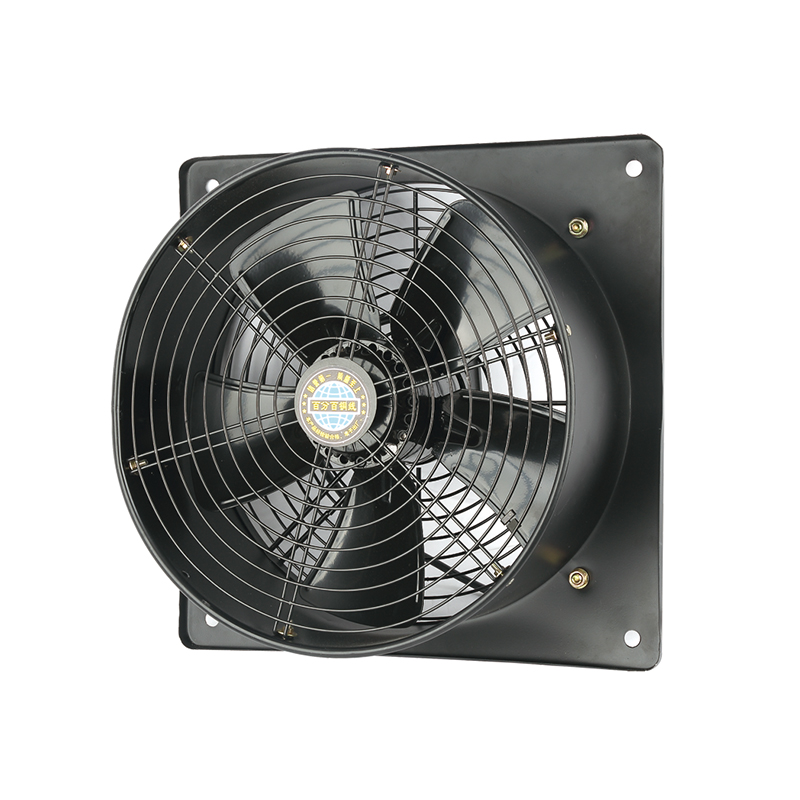
The YWF-400-2D2E Efficient Square form Axial fan is designed with a fo...
See Details
The YWF-350-2D2E Low noise Square form Axial Fan is designed with a co...
See Details
The YWF-350-4D4E Low vibration Square form Axial Fan is a outstanding ...
See Details
The YWF-400-4D4E Durable Square form Axial Fan is designed with advanc...
See Details
Qinlang focuses on providing high-quality products and considerate services, and is committed to meeting every expectation of our customers.
© Zhejiang Qinlang Electromechanical Co., Ltd.
Fans And Air-Cooling Equipment Factory
