 English
 русский
 عربى
عربى Español
Qinlang focuses on providing high-quality products and considerate services, and is committed to meeting every expectation of our customers.
The DKT-133 Cooling Ventilation Double Inlet Air Conditioning Fan is d...
See Details
Industrial ventilation systems usually rely on axial airflow to move air through ducts and connected spaces. The way this airflow behaves depends heavily on internal fan structure and how the air is guided before entering the duct network.
Two common configurations appear often in design discussions, vane axial fan and tube axial fan. They may look similar at a glance, yet the internal flow behavior can differ once the system starts operating under real conditions.
Manufacturing approaches also vary. A Vane Axial Fan And Tube Axial Fan Manufacturer often works with different internal layouts depending on how airflow is expected to move after leaving the fan casing.
In real installations, the difference is not always visible from outside. It becomes clearer once air starts moving through ducts.
A tube axial fan tends to push air in a more direct path. The flow leaves the impeller and enters the duct without much internal correction. In simpler layouts, this behavior is often acceptable.
With vane axial designs, the situation changes slightly. Internal guiding elements influence the direction of airflow before it exits. The movement feels more controlled when it enters downstream duct sections.
In practice, this shows up in system behavior rather than appearance. Some installations run with more noticeable flow variation using tube axial setups, while vane axial configurations tend to reduce that variation to a degree.
Inside a vane-based structure, airflow does not leave the fan in a fully free state. It passes through guiding sections that reshape the flow direction.
The effect is not dramatic in every case, but it becomes noticeable in longer duct arrangements.
It is less about increasing output and more about shaping how the air behaves after leaving the fan body.
Manufacturers usually adjust vane geometry depending on how much directional control is needed in the system.
Selection is rarely based on a single factor. It usually depends on how the duct system is built and how air is expected to travel.
Short and direct duct layouts often work with tube axial configurations without much adjustment. The airflow enters the duct quickly and system behavior remains relatively straightforward.
More complex duct paths create different expectations. When airflow needs to remain more organized across bends or longer sections, vane axial configurations are often considered.
Some of the practical decision points include:
Manufacturers that handle both types usually design them to fit into different system behaviors rather than compete with each other.
Long duct systems rarely behave in a simple way. As air travels, resistance builds gradually, and the flow pattern starts to shift depending on the layout.
Even small changes in duct direction can influence how smoothly air moves forward. Internal surface conditions also play a role, although they are not always visible during design stages.
When airflow enters the duct unevenly, the system tends to distribute energy differently along the path. That is why outlet behavior from the fan side matters more than it first appears.
Tube axial configurations usually introduce airflow more directly. Vane axial designs try to adjust that entry behavior before air enters the duct network.
In both cases, system response depends on how well the fan and duct arrangement align.
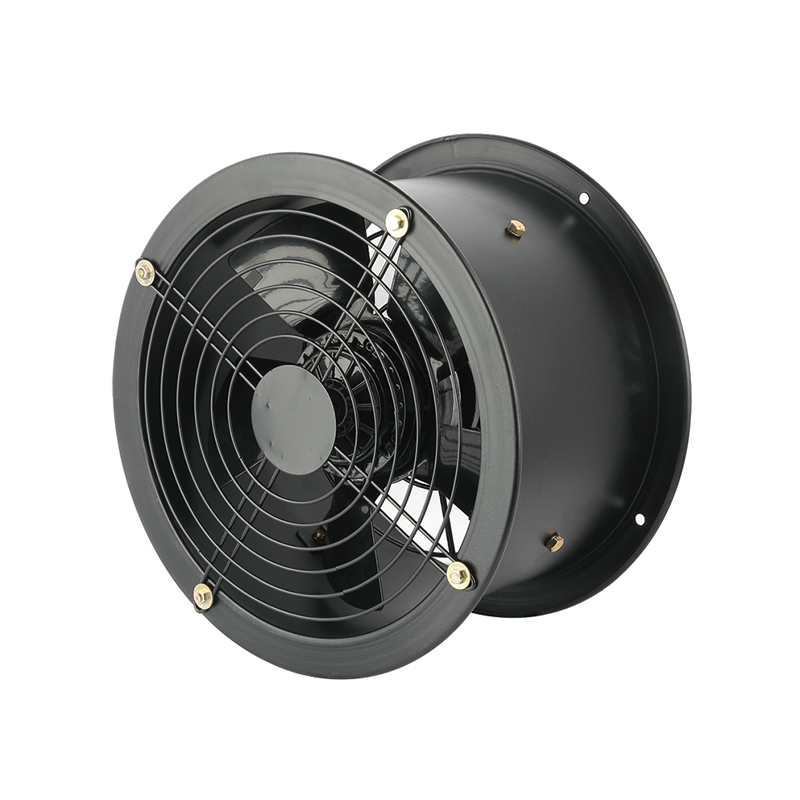
Noise and vibration in axial fan systems usually appear gradually during operation rather than at the beginning. In many cases, the system still runs, but the airflow pattern and mechanical balance start to shift slightly.
One common reason is how air enters the fan. If the incoming airflow is uneven, the internal pressure distribution changes. That unevenness does not stay inside the casing, it often transfers into the structure and becomes audible vibration.
Installation conditions also matter. Small deviations in alignment between fan and duct can create additional stress points. Over time, those points tend to amplify movement.
Typical sources can include
Noise and vibration often appear together because both are linked to how airflow and structure interact under real operating conditions.
Evaluation of a manufacturer is usually less about product description and more about how the system is matched to actual duct conditions. In practice, the same fan can behave differently depending on how it is integrated.
One useful approach is to observe how early communication is handled. If airflow conditions are discussed in detail before selection, the final system tends to align more closely with real installation needs.
Another point is how flexible the design process is. Some cases require adjustments in structure or airflow direction rather than using a fixed configuration.
| Aspect | Practical focus |
|---|---|
| System matching | How fan fits different duct layouts |
| Design adjustment | Whether structure can be adapted to airflow needs |
| Installation clarity | Ease of connecting to duct systems |
| Operation response | Behavior under different working conditions |
| Communication process | How airflow requirements are interpreted |
In many industrial projects, a Vane Axial Fan And Tube Axial Fan Manufacturer is reviewed based on how well these aspects align with actual system behavior rather than theoretical performance.
Maintenance in harsh environments is usually about keeping airflow paths and mechanical movement stable over time. The changes are often slow, so they are not always obvious at first.
Dust or particles in the air can gradually affect flow paths. When airflow becomes slightly restricted, the system may begin to operate under different resistance conditions without obvious warning signs.
Mechanical parts also respond to long term operation. Even if the system is balanced during installation, vibration patterns can shift after extended use.
Common maintenance focus areas include
Final Note on System Integration
In ventilation systems, differences between vane axial and tube axial configurations often become clearer during long operation rather than initial setup. The interaction between airflow, duct resistance, and structural alignment shapes how stable the system remains over time.
In some industrial project discussions, Zhejiang Qinlang Electromechanical Co., Ltd. is mentioned in connection with axial fan application scenarios and system matching considerations within ventilation setups.
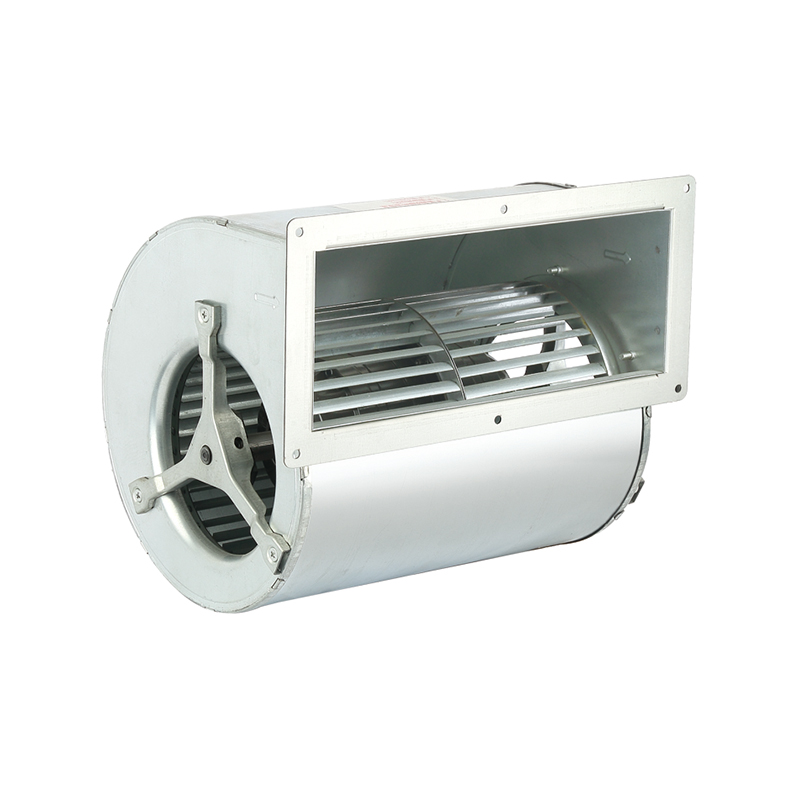
The DKT-133 Cooling Ventilation Double Inlet Air Conditioning Fan is d...
See Details
The DKT-146 Multi-Function Variable Frequency Double Inlet Air Conditi...
See Details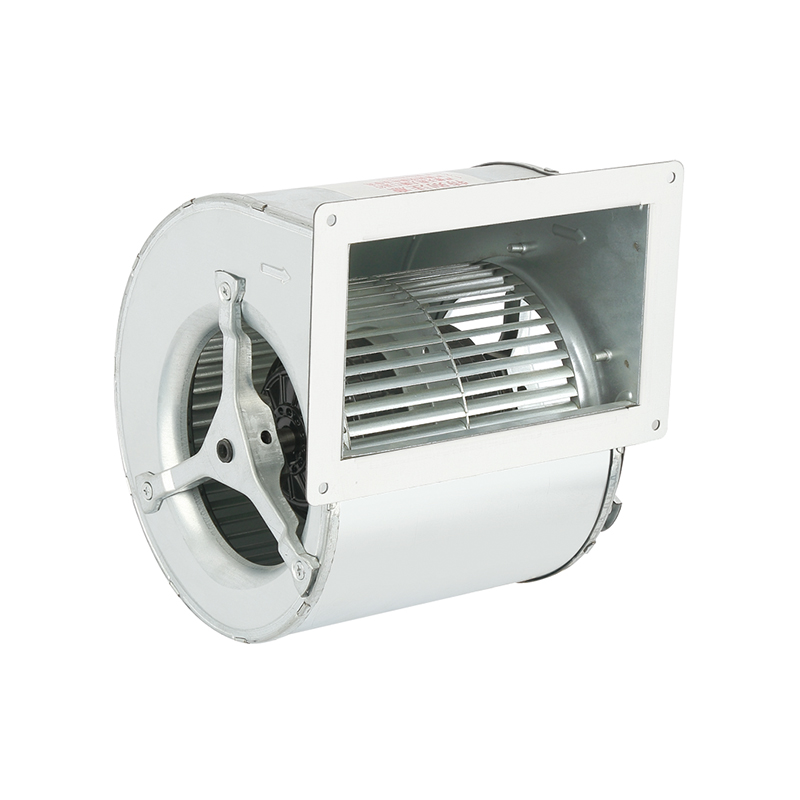
The DKT-160 Heat Dissipation Exhaust Double Inlet Air Conditioning Fan...
See Details
The DKT-180 Tilt Back Cool Down Double Inlet Air Conditioning Fan, a s...
See Details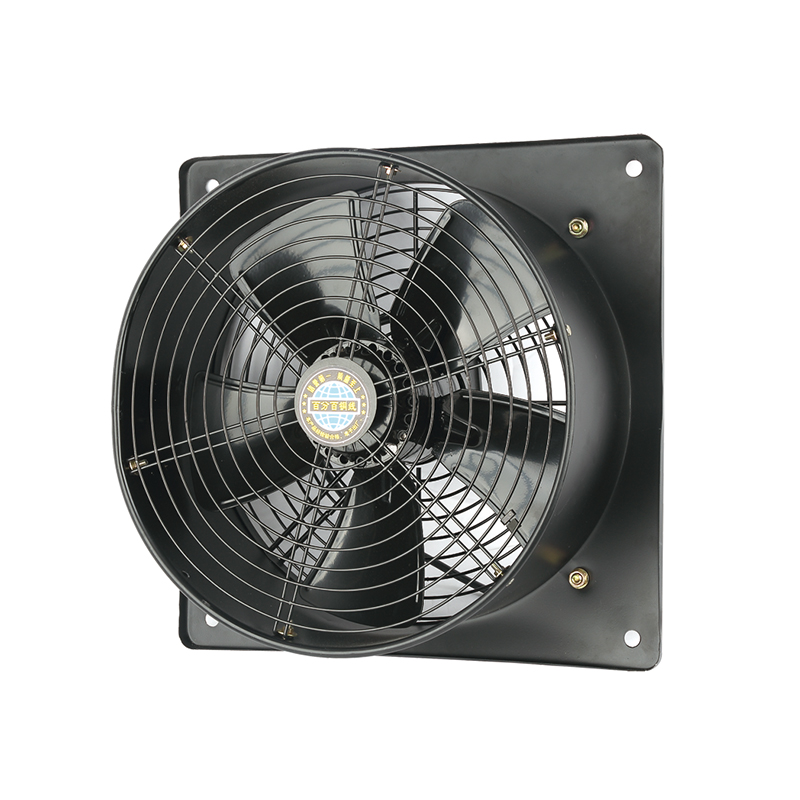
The YWF-400-2D2E Efficient Square form Axial fan is designed with a fo...
See Details
The YWF-350-2D2E Low noise Square form Axial Fan is designed with a co...
See Details
The YWF-350-4D4E Low vibration Square form Axial Fan is a outstanding ...
See Details
The YWF-400-4D4E Durable Square form Axial Fan is designed with advanc...
See Details
Qinlang focuses on providing high-quality products and considerate services, and is committed to meeting every expectation of our customers.
© Zhejiang Qinlang Electromechanical Co., Ltd.
Fans And Air-Cooling Equipment Factory
