 English
 русский
 عربى
عربى Español
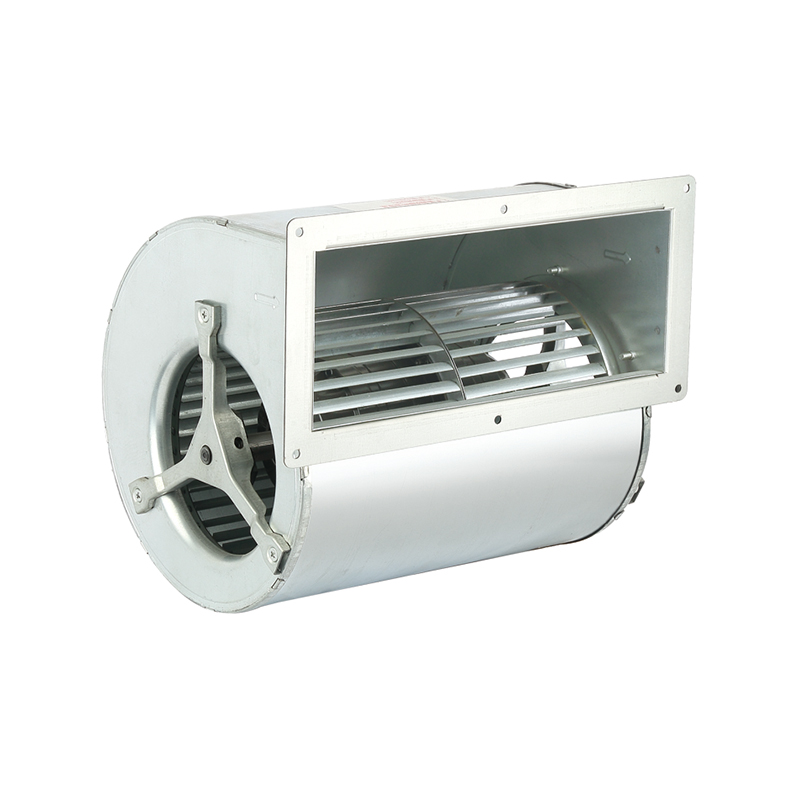
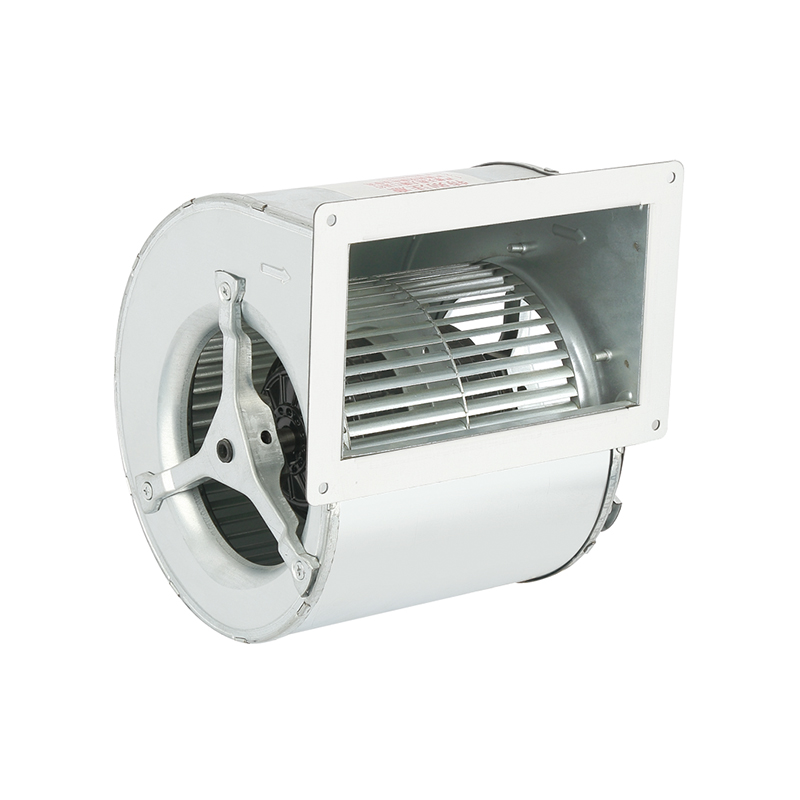
This is where a High Pressure Centrifugal Fan can become part of the system design. It is built around a rotating fan assembly and a motor that provides the driving force. As the fan rotates, it draws air into the fan and changes the direction of that air before pushing it toward the outlet.
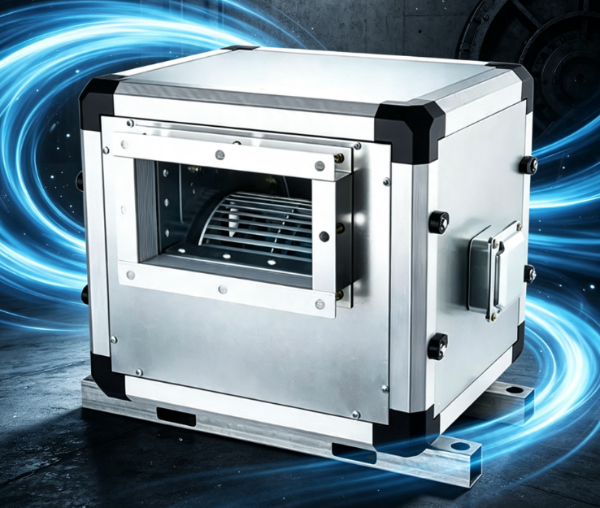
The process may sound simple, but several parts work together. The shape of the fan, the movement of the air, the surrounding housing, and the design of the ventilation system all affect how the fan performs its role.
Understanding this process can help buyers, engineers, and equipment planners choose a fan that matches the needs of an air movement system.
What Happens When a High Pressure Centrifugal Fan Starts Moving Air?
The movement begins when the fan starts rotating. The rotating assembly creates a change in the air around it. Air is drawn toward the center of the fan and then moved outward as the assembly continues to turn.
The fan does not simply push air in a straight line. Instead, air enters through the inlet and travels through the rotating fan area. The movement changes as the air travels outward. The fan housing then helps guide the air toward the discharge side.
This creates a continuous flow path.
A simple way to understand the process is to divide it into several stages:
| Stage | Air Movement |
|---|---|
| Air entry | Air enters through the fan inlet |
| Fan rotation | The rotating assembly moves the air outward |
| Direction change | Air changes direction inside the fan |
| Air collection | The housing gathers and guides the moving air |
| Discharge | Air leaves through the outlet and enters the system |
The motor supplies the energy needed to keep the fan rotating. The fan assembly transfers that movement to the air. The housing helps manage the path that the air follows.
Because these parts work together, fan selection cannot be based only on the motor or fan assembly. The complete system needs to be considered.
Why Does a High Pressure Centrifugal Fan Use a Different Airflow Path?
A centrifugal fan moves air differently from a fan that sends air mainly along the same direction as its rotating axis.
With a centrifugal design, air enters the central area of the fan. It then moves outward through the rotating assembly. After leaving this area, the air is guided toward the outlet.
This change in direction is an important part of the fan's operation.
The design can be useful when air needs to travel through a system that creates resistance. Ducts, filters, bends, air treatment equipment, and other components can affect how easily air moves. The fan needs to continue moving air through this path.
The housing has an important role here. It surrounds the rotating fan assembly and provides a controlled route for the air. The shape of the housing helps collect the air after it leaves the rotating area.
This makes the fan more than a rotating component. It is part of a complete air movement path.
The relationship between the fan and the surrounding system also matters. A fan may work differently when connected to a short, simple air path than when connected to a more complex ventilation network.
For this reason, the intended air route should be considered when selecting a High Pressure Centrifugal Fan.
How Does the Fan Assembly Affect Air Movement?
The rotating fan assembly is at the center of the air movement process. Its shape influences how air enters, travels, and leaves the fan.
Different fan designs can create different airflow characteristics. A High Pressure Centrifugal Fan is commonly designed for applications where the air must continue moving through a system with resistance.
The fan assembly needs to work with the housing. The two parts form a path for the moving air.
The rotation also needs to remain stable during normal operation. When the fan rotates, it transfers energy to the air. The air then moves from the central area toward the outside of the fan.
The design of the fan assembly can also influence how smoothly air passes through the system. A suitable design helps the fan work with the intended air path rather than against it.
This is why buyers should look beyond the general name of a fan. Two centrifugal fans may look similar from a distance but may be intended for different applications.
When selecting a fan, it is useful to consider:
- The type of air movement required.
- The shape of the ventilation system.
- The resistance created by connected equipment.
- The space available for installation.
- The type of air being moved.
- The expected pattern of daily operation.
These factors connect the fan design with the actual application.
How Does the Housing Help a High Pressure Centrifugal Fan Move Air?
The housing is easy to overlook because the rotating fan receives most of the attention. Yet the housing plays a major role in controlling airflow.
After air leaves the rotating assembly, it needs to move toward the outlet. Without a suitable enclosure, the air would not follow the intended path as effectively.
The housing collects the moving air and guides it toward the discharge opening. Its shape is therefore closely related to the direction of airflow.
The connection between the inlet and outlet also matters. The system needs a clear route for air to enter and leave the fan. Poor coordination between the fan and connected ductwork can affect the overall airflow path.
This becomes more important in industrial applications. Air may need to pass through several sections of a ventilation system. The fan is only one part of that route.
A properly considered housing can help the air move in a controlled direction after it leaves the rotating assembly.
The housing also protects the internal fan components and provides a defined structure for installation. Depending on the application, it may need to fit into a larger ventilation unit, exhaust system, or industrial machine.
This shows why fan design and system design should be considered together rather than separately.
Where Can High Pressure Centrifugal Fans Be Used?
High pressure centrifugal fans can be used in many systems where controlled air movement is required.
Industrial ventilation is one common area. Factories and production facilities may need to move air away from working areas or supply air to specific parts of a building.
Equipment ventilation is another application. Machinery can generate heat, dust, or unwanted air conditions. A fan can form part of a system that moves air around or away from the equipment.
Commercial buildings may also use centrifugal fans in ventilation and air handling systems. The fan can help move air through connected ductwork and different areas of a building.
Exhaust systems can require similar air movement. Air may need to travel from an indoor area through ducts before being released outside.
Common application areas include:
| Application | Role of Air Movement |
|---|---|
| Industrial ventilation | Moves air through working areas |
| Factory exhaust | Carries unwanted air away from production spaces |
| Equipment ventilation | Moves air around or away from machinery |
| Commercial buildings | Supports building ventilation |
| Air handling systems | Moves air between system sections |
| Workshop ventilation | Helps manage air movement in working spaces |
The actual application determines how the fan should be selected. A fan used for equipment ventilation may have different requirements from one connected to a large industrial exhaust system.
The air itself also matters. Clean air, warm air, dusty air, and other conditions can place different demands on the fan and surrounding components.
How Does System Resistance Affect Air Movement?
Air does not move through every ventilation system with the same level of ease.
A simple air path may have limited resistance. A more complicated system can include long duct runs, bends, filters, grilles, dampers, and other components. Each part can influence the way air travels.
This is one reason high pressure fan designs are considered for systems where air needs to move against greater resistance.
The fan must work with the complete air path. If the system changes, the airflow conditions can change as well.
For example, adding another section of ductwork can change the path the air needs to follow. A filter can also affect how easily air passes through the system. A change in outlet arrangement can alter the way the fan interacts with the rest of the ventilation network.
These changes do not mean that the fan itself has failed. They show that fan operation is connected to the wider system.
For B2B buyers, this is an important part of the selection process. Looking only at the fan without understanding the connected system can lead to an unsuitable choice.
A more useful approach is to examine the complete airflow route. Where does the air enter? Where does it need to go? What equipment sits between these points? How much resistance does the air path create?
These questions provide a clearer basis for fan selection.
What Should Buyers Consider When Choosing a High Pressure Centrifugal Fan?
Choosing a fan starts with understanding the application.
The required airflow path should be clearly identified. Buyers should know whether the fan will be used for supply air, exhaust, equipment ventilation, or another purpose.
The installation environment also matters. Indoor and outdoor applications can create different requirements. The surrounding temperature, air condition, available space, and maintenance access should all be considered.
The type of air being moved is another important factor. Some applications involve relatively clean air. Others may involve dust, moisture, heat, or other conditions that can affect fan components.
The connected system should also be reviewed. A fan that works with one ventilation layout may not be suitable for another. Duct arrangement, outlet position, filters, and other system components can change the airflow conditions.
Buyers can use the following checklist during discussions with a manufacturer or supplier:
| Selection Area | Questions to Ask |
|---|---|
| Application | What type of air movement is required? |
| Air condition | What kind of air will the fan move? |
| System layout | What equipment and ductwork are connected? |
| Installation | Where will the fan be installed? |
| Operation | How will the fan be used during normal work? |
| Maintenance | How will inspection and servicing be handled? |
| Customization | Does the fan need to fit a specific system design? |
Communication is also important for customized applications. A manufacturer may need information about the installation area, airflow route, connected equipment, and operating conditions before recommending a suitable design.
This exchange helps connect the product with the actual project instead of treating the fan as an isolated piece of equipment.
How Can a High Pressure Centrifugal Fan Fit Into a Complete Airflow System?
A High Pressure Centrifugal Fan is rarely used alone. It normally works as one part of a wider system.
Air may enter through an intake area and travel into the fan. The fan moves the air toward the discharge side. From there, the air can pass through ducts, filters, processing equipment, or other system sections.
The fan therefore acts as a driving part of the airflow route.
The surrounding equipment needs to be considered during system planning. The fan outlet should connect naturally with the next section of the system. The inlet should also provide an appropriate path for incoming air.
Maintenance access is another practical consideration. Fans contain moving parts, so inspection and servicing need to be considered when planning the installation.
Noise, surrounding equipment, working space, and access routes can also affect where a fan is placed.
A well-planned system treats the fan, ductwork, equipment, and installation area as connected parts. This approach makes it easier to understand how air will move before the system is installed.
For manufacturers and suppliers, understanding these application details can also support better communication with industrial buyers. Instead of focusing only on the fan itself, discussions can cover the complete air movement requirement.
That makes the selection process more closely connected to the actual needs of the ventilation system.