 English
 русский
 عربى
 Español

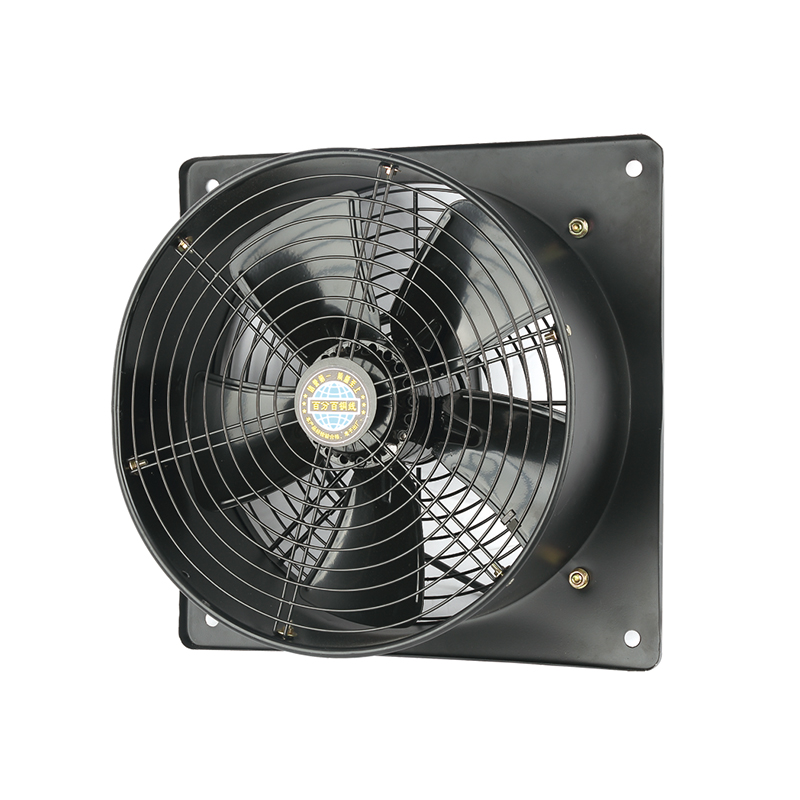
Low noise axial fans give steady air movement with operating noise under control. Air travels along the axis of the rotating blades, which suits many cooling and ventilation tasks. You find them in electronic equipment, office devices, commercial buildings, industrial machinery and other places where airflow and sound level both matter.
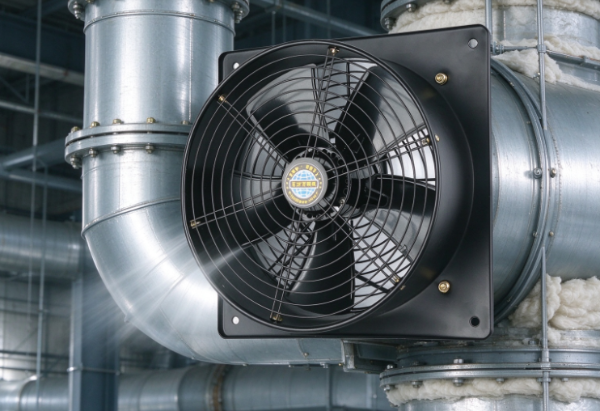
The right application depends on several factors: equipment layout, installation space, airflow requirements, surrounding conditions and the source of unwanted noise. Knowing where low noise axial fans fit helps equipment manufacturers and facility managers choose well.
What Makes Low Noise Axial Fans Suitable for Different Applications?
An axial fan moves air in a direction that follows the axis of its blades. That makes it useful when air has to pass through an enclosure, across a heat-producing component or along a ventilation passage.
Axial fans are built to manage the sound that comes with this airflow. Blade shape, motor operation, housing design and installation conditions all affect the noise made in use. A good design delivers the airflow the equipment needs without needless disturbance.
The benefit counts most where people work close to running machinery. Offices, laboratories, retail spaces and residential equipment rooms all need ventilation without loud background noise.
These fans also suit compact products. Many electronic devices leave little room for cooling components. An axial fan moves air along a fairly direct path, so designers arrange cooling around internal parts without a complicated airflow route.
Low noise doesn't automatically mean a fan fits every application, though. The fan still has to meet the equipment's cooling and ventilation needs. If the surrounding system restricts airflow, the fan struggles. Choosing a model on noise alone leads to poor results.
The most useful approach treats noise control as part of the wider equipment design. It isn't an isolated product feature.
Which Electronic Devices Benefit From Low Noise Axial Fans?
Electronic equipment makes heat in normal operation. Without enough airflow, internal temperatures climb and hurt component stability, service life and overall performance. Meanwhile, many electronic products sit in spaces where people expect quiet.
Axial fans address both concerns.
Computers and office equipment
Desktop computers, workstations and related devices use fans to move warm air away from internal components. In shared offices, libraries and home workspaces, constant fan noise becomes distracting. A suitable axial fan cools the internals while keeping background sound down.
The fan still has to deliver enough airflow for the device's workload. Equipment running demanding computing tasks makes more heat than a basic office computer. The cooling design must reflect that difference.
Networking and communication equipment
Routers, network switches, communication cabinets and similar devices often run for long periods. Their internal components need suitable thermal conditions, especially when several devices share a space.
Fans support air circulation inside equipment enclosures. Suitability depends on the enclosure layout, heat generation, dust exposure and available ventilation openings. In tightly packed cabinets, designers also need to check that warm air escapes instead of circulating inside the enclosure again and again.
Consumer electronics
Entertainment systems, home networking products and other household electronics often sit in living rooms or bedrooms. There, a cooling fan is noticeable even when the device works normally.
A fan chosen for quiet operation reduces that disturbance. The overall result also depends on the enclosure, the mounting method and the fan's condition in use.
For electronics, the goal is suitable cooling without a noisy device. Account for both requirements from the start of fan selection.
How Do Low Noise Axial Fans Support HVAC and Building Ventilation?
Heating, ventilation and air conditioning systems serve offices, shops, schools, residential buildings and public facilities. These spaces need air movement for comfort and indoor air management, yet constant mechanical noise bothers the people who use them.
Fans suit ventilation arrangements where air moves along a fairly direct path. They appear in air circulation equipment, ventilation openings, cooling assemblies and selected HVAC products.
Office buildings and meeting rooms
In offices, ventilation equipment runs all through the working day. Excess fan noise interferes with conversations, concentration and online meetings. A fan with suitable acoustic characteristics cuts the sound of routine air movement.
Installation still matters. Even a quiet fan makes noticeable noise when it's mounted on a vibrating panel or connected to poorly arranged ductwork. Designers should assess the complete ventilation assembly, not the fan alone.
Retail and hospitality spaces
Shops, hotels, restaurants and reception areas depend on a comfortable indoor environment. Ventilation supports air circulation and handles heat from people, lighting, appliances and other equipment.
Axial fans fit suitable ventilation and equipment cooling applications in these spaces. Base their use on the airflow path, the equipment location and what occupants expect.
Residential ventilation
Homes contain many air-moving devices: ventilation units, cooling equipment and selected appliance systems. When these run near bedrooms or living areas, noise shapes the user experience.
A suitable axial fan limits unwanted sound while supporting air movement. It must match the equipment's operating conditions and ventilation requirements.
Axial fans don't suit every HVAC system. Applications with substantial airflow resistance or complex duct arrangements need another fan design. Choose based on the complete system, not on a noise description alone.
Can Low Noise Axial Fans Improve Cooling in Industrial Equipment?
Industrial environments hold motors, electrical assemblies, control systems and other components that release heat as they work. Effective cooling keeps these systems in suitable conditions and lowers the risk of heat-related interruptions.
Axial fans help where equipment needs direct airflow and needless sound is unwelcome.
Electrical control cabinets
Control cabinets house electrical components that need cooling during continuous operation. A fan moves air through suitable inlet and outlet openings and carries off accumulated heat.
Consider low noise models in facilities where workers spend long periods near the equipment. The enclosure must still provide a suitable airflow route, and the fan has to fit the surrounding dust, moisture and temperature conditions.
Where airborne contaminants are present, filtration and enclosure protection are often necessary. A fan that pulls dirty air into sensitive equipment creates maintenance problems, however quietly it runs.
Industrial machinery
Manufacturing equipment uses fans to cool motors, electrical housings, power assemblies and other heat-producing parts. In workshops and production areas, less needless noise makes for a more comfortable working environment.
The right fan design depends on the machinery. Some applications need air to pass directly across a component, while others involve narrow passages or more airflow resistance. A fan fits only when its airflow characteristics match the equipment's needs.
Testing and inspection equipment
Certain industrial testing devices work in controlled areas where stable equipment conditions and low background noise are wanted. Fans remove heat from electrical components and support continuous operation.
Designers must weigh the effect of airflow on the testing process. Moving air disturbs lightweight materials, carries dust toward sensitive surfaces or influences measurements in some environments. Assess these concerns before choosing a fan.
Industrial use takes more than picking a quiet product. Mechanical compatibility, environmental protection, airflow direction and maintenance access all affect the installation.
Where Are Low Noise Axial Fans Used in Medical and Laboratory Equipment?
Medical and laboratory environments hold equipment that runs for long stretches. Staff work close to the devices, so avoidable mechanical noise becomes a problem.
Low noise axial fans serve selected equipment cooling and ventilation applications, as long as the fan meets the requirements of the specific device.
Laboratory instruments
Laboratory equipment includes analytical devices, sample preparation systems, electronic instruments and supporting enclosures. Some of these give off heat that has to be removed during operation.
A suitable fan helps maintain the intended internal environment. In quiet work areas, less fan noise also supports concentration and communication.
The design must account for the instrument's internal layout. Airflow must not carry contaminants toward sensitive samples or interfere with equipment that needs controlled environmental conditions.
Medical equipment housings
Certain medical devices contain electronic assemblies that need cooling. A low noise axial fan supports heat removal in equipment designed for this type of airflow.
Select the fan according to the device's safety, cleaning, reliability and environmental requirements. A quiet operating sound doesn't prove a fan is suitable for medical use. It also doesn't replace the equipment manufacturer's validation process.
Clean and controlled environments
Some controlled workspaces manage airborne particles and air movement with great care. There, the fan's materials, installation, filtration arrangement and ease of maintenance matter as much as its acoustic behavior.
A fan that suits a general laboratory may not suit a cleanroom or another tightly controlled environment. Let application requirements guide the choice, and have qualified design personnel confirm compatibility.
What Other Applications Can Benefit From Low Noise Axial Fans?
Beyond electronics, HVAC and industrial equipment, axial fans support many products that need cooling or ventilation without loud operating sound.
| Application | Purpose of Air Movement | Why Noise Matters |
|---|---|---|
| Home appliances | Remove heat from internal components | Appliances often operate near people |
| Retail display equipment | Support cooling and air circulation | Customers and staff remain close to the equipment |
| Battery enclosures | Help manage heat around selected components | Equipment may operate in occupied areas |
| Lighting systems | Remove heat from enclosed electrical assemblies | Fans may be located near offices or public spaces |
| Charging equipment | Support cooling of internal electronics | Charging stations may be installed in shared environments |
| Laboratory devices | Help manage internal temperatures | Quiet surroundings can support focused work |
| Compact machinery | Move air through limited installation spaces | Noise can add to the sound of nearby equipment |
These applications share one requirement: air must move effectively, and fan noise must fit the setting.
Actual suitability depends on the device's design. A battery enclosure has its own ventilation and environmental requirements. A lighting assembly leaves limited room for air passages. A household appliance balances noise, appearance, cleaning access and cooling.
Manufacturers should examine the whole operating environment before choosing a fan. That avoids a model that sounds quiet in isolation but gives poor airflow once installed.
How Should You Choose a Low Noise Axial Fan for a Specific Application?
The right fan depends on how the equipment is used. A model built for a small electronic enclosure won't suit a large ventilation assembly. A fan meant for a clean indoor space also falls short in a dusty workshop.
Several practical considerations guide the selection.
Airflow requirements
Work out how much air the equipment must move and where that air has to travel. Consider the heat the device produces, the location of warm components and the route available for incoming and outgoing air.
A fan that can't deliver enough airflow under real operating conditions leaves equipment poorly cooled. Base the selection on the complete airflow path, not on an isolated fan specification.
Noise expectations
Think about how close people will be to the equipment and whether it runs continuously. A fan inside a remote machinery enclosure has different acoustic requirements from one beside an office desk.
Separate fan noise from noise caused by vibration, loose panels, turbulent airflow or surrounding equipment. Tackle the wrong source and the improvement never comes.
Installation space
Axial fans work well where air moves along a fairly direct path. The available space still has to hold the fan, protective components, electrical connections and maintenance access.
Obstructions near the inlet or outlet affect airflow and noise. Leave enough clearance for air to enter and leave the fan without interference.
Operating environment
Temperature, humidity, dust, grease and corrosive substances influence fan selection. Some environments call for protective features or materials suited to the conditions.
Think about the cleaning process too. Equipment that collects dust needs accessible fan components and a practical maintenance plan.
Maintenance and service access
Even a well-chosen fan needs inspection. Dirt buildup, loose mounting hardware, damaged blades and worn components change airflow and noise over time.
Choose an arrangement that lets authorized personnel inspect and clean the equipment safely. Isolate the electrical supply and follow proper safety procedures before any internal maintenance begins.
System compatibility
A fan has to match the surrounding equipment and ventilation design. Review the fan's operating requirements, mounting arrangement, electrical compatibility and intended airflow direction.
Where the system creates substantial resistance, an axial fan may not fit. A different fan arrangement gives a better match.
These considerations let manufacturers and facility managers evaluate low noise axial fans in context. The goal is a fan that supports the equipment's real cooling or ventilation needs while keeping noise suited to its working environment.