 English
 русский
 عربى
 Español

Knowing what drives performance helps manufacturers, equipment designers and buyers choose better. The motor and impeller are only part of the story. Fan structure, blade design, air resistance, installation, materials and maintenance all matter.
For a manufacturer, these influences shape product development and quality control. Each design choice changes how the fan moves air, copes with load, controls noise and stays stable. Looking at them together shows what really determines performance in practice.
How Does Motor Performance Affect an AC Centrifugal Fan?
The motor is the power source. It turns the impeller and keeps air moving. If it can't supply suitable power for the application, the fan will struggle to hold its expected operating condition.
Motor performance covers power delivery, running stability, electrical characteristics and heat management. These work together every day.
A poorly chosen motor causes trouble. If its power doesn't match the fan's needs, the unit may carry unnecessary load or fall short on airflow. A motor that runs too hot can also undermine stability over time.

The motor should therefore suit the fan structure and the working environment. Manufacturers need to think about how long the fan will run, what equipment it serves and the conditions it faces.
Cooling matters as well. Electrical components give off heat while running. If that heat can't escape, internal temperatures climb, which affects component condition and raises the risk of faults.
So motor selection can't be a stand-alone decision. It has to work with the impeller, housing and overall design. A well-matched motor keeps the fan stable without straining its parts.
Why Does Impeller and Blade Design Matter?
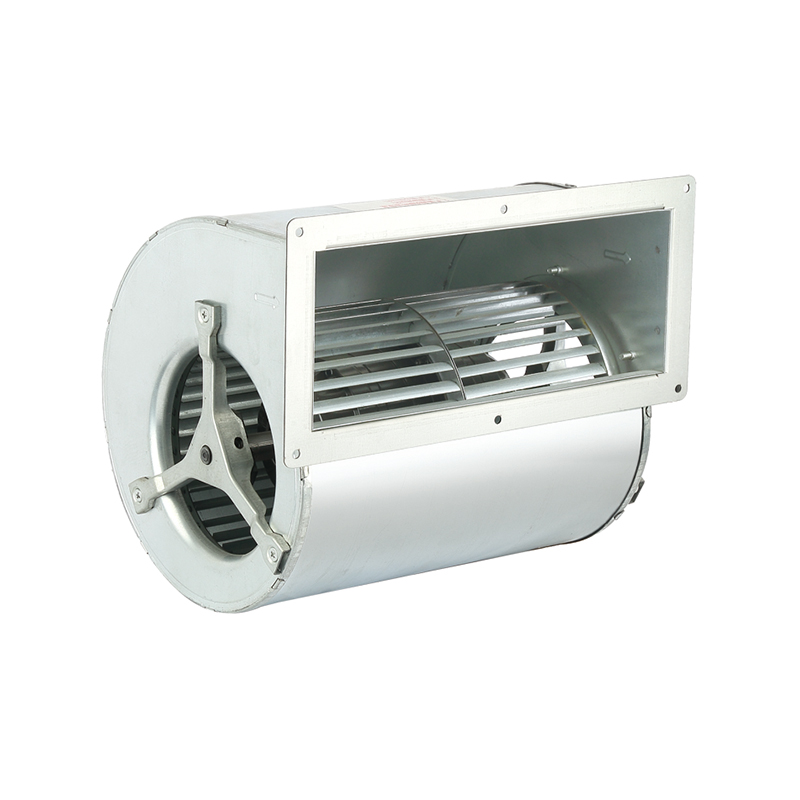
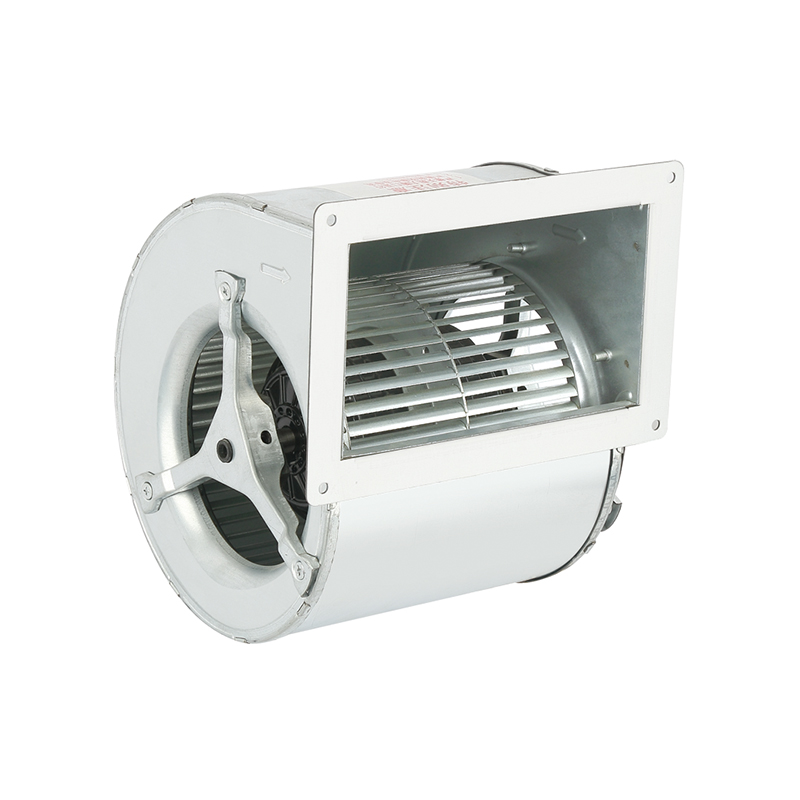
The impeller does most of the air-moving work. As it spins, air enters at the center and flows outward by centrifugal force. The housing then directs it to the outlet.
Blade shape, arrangement and surface condition all affect this process. Small differences in design can change how air enters, travels through and leaves the impeller.
Blade structure shapes airflow direction and movement. Some arrangements suit systems with low resistance, while others are built for tougher airflow conditions.
Blade angle is another factor. It determines how the impeller meets incoming air and how well it passes energy to the flow. A poor angle can add turbulence or reduce the airflow the fan delivers.
Blade count and spacing play a part too. The arrangement should keep air moving smoothly without letting air streams interfere with one another.
Impeller balance deserves attention. An uneven impeller vibrates as it turns, which stresses the motor, bearings and supporting structure. It can also add noise and hurt long-term stability.
During design, manufacturers weigh blade geometry, balance, material strength and production consistency. These details decide how the fan behaves once installed, not just how it looks.
How Do Airflow Resistance and Duct Design Influence Fan Performance?
A fan rarely works alone. In most applications it's part of a larger ventilation or air-handling system, and that system directly affects the airflow delivered.
Air passes through ducts, filters, grilles, bends and other components. Each adds resistance, and the fan has to overcome all of it.
A clear airflow path lets air through with little obstruction. Narrow ducts, sharp bends, clogged filters and badly placed outlets make movement harder.
This creates a gap between potential and actual performance. A fan may be able to move a certain volume under good conditions, but the connected system can limit the result.
Duct design is closely tied to fan selection. Duct size and layout should match the airflow requirement. Abrupt direction changes or needless restrictions create turbulence and pressure loss.
The link between fan outlet and duct is important too. Mismatched connections can disturb airflow and add noise. Sometimes the surrounding structure makes air circulate unevenly before it enters the duct.
Filters need watching. They trap dust and particles, and if cleaning or replacement is delayed they gradually restrict airflow. A fan's performance can shift as the system gets dirty.
When evaluating a fan, look at the whole airflow path. Judging the fan alone can hide problems that develop elsewhere.
Can Installation Conditions Change the Performance of an AC Centrifugal Fan?
A well-designed fan can still underperform if it's installed badly. Installation affects airflow, vibration, noise and the mechanical load on different parts.
The mounting surface comes first. A stable support keeps the fan in place. An uneven or loose base makes vibration more noticeable.
Space around the fan matters. Air needs a clear path in and out. Nearby walls, equipment or structures that block the inlet or outlet restrict airflow.
Orientation should match the design. Some fans are made for particular mounting arrangements or airflow directions. The wrong configuration can hurt air movement and stress certain components.
Connection quality counts as well. Loose fittings, misaligned ducts and unsuitable mounting accessories cause unwanted movement or airflow disturbance. These may not show up at first but can become obvious after extended running.
The surroundings play a role. Industrial spaces may hold dust, moisture, oil particles or other airborne material. These can build up on the impeller and in the housing, upsetting balance and restricting airflow.
A good location allows adequate ventilation around the motor and access for inspection and maintenance. It should also shield the unit from conditions its design can't handle.
Installation is more than hooking up power and fixing the fan in place. It's part of achieving stable, consistent operation.
How Do Materials and Manufacturing Quality Affect Fan Performance?
Materials influence a fan's strength, weight, resistance to its environment and ability to run continuously.
Applications place different demands. A fan in a clean indoor space faces different conditions from one in a humid workshop or an industrial ventilation system. Material choice should reflect that.
The housing needs enough strength to hold its shape in operation. A poorly made or easily deformed structure can throw off alignment and airflow. Surface protection may be needed where moisture or corrosive substances are present.
Impeller materials call for the same care. The impeller turns constantly, so it must keep its shape and balance under load. Strength, durability and suitability for the environment all count.
Manufacturing quality ties these choices to the final product. Even good materials can't guarantee consistent performance if parts are poorly processed or assembled.
Several manufacturing details deserve attention:
- Component accuracy: Correct dimensions help parts fit together as intended.
- Impeller balance: Balanced rotating parts reduce vibration.
- Assembly quality: Correct positioning and secure connections support stable mechanical operation.
- Surface condition: Smooth, well-finished surfaces reduce airflow disturbance.
- Electrical connections: Reliable wiring supports consistent motor operation.
Inspection should cover both individual components and the assembled fan. Checking the motor, impeller, housing and connections catches problems that could affect the finished product.
Consistent production matters because differences between units lead to different behavior. Careful inspection keeps products uniform and stops defects reaching installation.
Why Are Temperature, Humidity, and Dust Important?
The operating environment has a large effect. A fan in a clean, dry room works under very different conditions from one in a factory, kitchen or equipment room.
Temperature is one factor. High ambient heat can hurt motor cooling and the condition of internal parts. In an enclosed space with poor ventilation, heat can build up around the motor and housing.
Low temperatures bring their own problems. Moisture may collect on surfaces when conditions change, which can affect electrical components and metal parts.
Humidity needs particular care. In damp settings, unsuitable materials or weak surface protection corrode more easily. Moisture getting into areas that should stay dry can also compromise electrical safety and reliability.
Dust is a common concern. Particles settle on blades, motor surfaces and internal parts. As deposits grow, they can unbalance the impeller, narrow the airflow path and make heat harder to shed.
Some industrial sites have oil mist or other sticky particles. These deposits are harder to remove than ordinary dust and may need more frequent inspection.
Manufacturers should know where their products will be used. That helps decide whether extra protection, specific materials or a particular housing arrangement is appropriate.
Users should check environmental compatibility before installation. Ignoring temperature, humidity and airborne contaminants can lead to maintenance headaches and early wear.
What Role Do Noise and Vibration Play in Fan Performance?
Noise and vibration are often seen as comfort issues, but they also reveal how the fan is running.
Some noise is normal when an impeller spins and moves air. Unusual or rising noise, though, may point to an underlying problem: loose components, uneven rotation, bearing wear or turbulence in the airflow path.
Airflow noise usually relates to how air moves through the fan and ductwork. Sharp bends, restricted openings and poorly arranged connections cause turbulence and unwanted sound, even when the mechanics are fine.
Mechanical noise has other causes. Loose fasteners, worn bearings or contact between moving and fixed parts produce odd sounds. These should be inspected, not dismissed as normal.
Vibration is tied to mechanical balance and installation quality. An unbalanced impeller makes the fan shake, and an unstable mounting surface makes it worse.
Excessive vibration affects the surrounding structure and stresses the motor and supporting parts. Left alone, it leads to wear and maintenance trouble.
Manufacturers reduce these risks with good impeller design, careful assembly and pre-delivery inspection. Users can help by checking mounting, fasteners and rotating parts during routine maintenance.
Read noise and vibration alongside airflow and motor behavior. Together they give a good picture of the fan's overall condition.
How Can Maintenance Help Keep an AC Centrifugal Fan Operating Properly?
A fan's performance changes over its service life. Dust buildup, wear, loose connections and changes in the ventilation system can all gradually affect operation.
Regular maintenance spots these changes before they become serious and keeps the fan in good working order.
Cleaning is a core task. Dust on the impeller can upset balance and airflow. The housing and inlet should also be checked for buildup or obstructions.
The motor needs attention too. Check its ventilation openings and surroundings so heat can escape. Unusual temperatures, sounds or behavior call for closer inspection.
Bearings and other moving parts should be checked according to the product's maintenance requirements. Wear increases friction and vibration, which affects the fan's condition.
Qualified personnel should inspect electrical connections. Loose connections, damaged wiring or signs of overheating create operating and safety concerns.
A practical routine may include:
- Cleaning the impeller, housing and air inlet.
- Checking the fan for unusual noise and vibration.
- Inspecting mounting points and connecting components.
- Examining the motor's ventilation and cooling condition.
- Checking electrical connections and protective components.
- Inspecting filters and connected ductwork for restrictions.
How often to maintain depends on the environment and the manufacturer's instructions. Fans in dusty or humid places need closer attention than those in clean spaces.
Keeping records helps too. If airflow weakens or noise grows over time, earlier inspection notes can show when the problem started.
An AC centrifugal fan's performance depends on more than its original design. Motor operation, impeller structure, airflow resistance, installation, materials, environment, noise, vibration and maintenance all shape how the unit works day to day. Treating them as parts of one connected system helps AC Centrifugal Fan Manufacturer and users understand fan behavior and make sound decisions across the product's life.