 English
 русский
 عربى
عربى Español
Qinlang focuses on providing high-quality products and considerate services, and is committed to meeting every expectation of our customers.
The DKT-133 Cooling Ventilation Double Inlet Air Conditioning Fan is d...
See Details
AC axial flow fan are one of straightforward and widely used ways to move air in a straight path. They pull air in from the intake side, push it parallel to the spinning axis, and send it out the discharge side. Because they run on standard alternating current, they remain a common choice in homes, offices, workshops, factories, and equipment rooms of all kinds.
Deciding Whether an Axial Fan Fits Your Situation and Putting It to Work
The starting point is almost always the actual space and the job the fan needs to do.
Once you know roughly how much air needs to move and in what direction, other questions follow naturally:
After those answers become clear, installation choices start to make sense.
Some people mount the fan directly in a round opening cut in a panel or wall. Others bolt it inside a square or rectangular housing that has inlet and outlet flanges. A third group hangs the unit from threaded rods or fastens it to a bracket system so it can be serviced without major disassembly.
Wiring tends to be uncomplicated—most units come with clearly marked leads or a terminal block—but local electrical rules always take priority. Adding a cord with plug is common for portable or test setups; hard-wiring is more typical for permanent locations.
A few practical habits show up again and again when people have used these fans for years:
Places and Purposes Where These Fans Show Up Frequently
You see AC axial fans doing quiet, unglamorous work in hundreds of different settings:
Smaller versions appear in many other spots as well: elevator machine rooms, ATM enclosures, ticket kiosks, medical equipment carts, food-prep warmers, and some camper van conversions.
The common thread is that the needed airflow path is mostly straight and the pressure required to move the air stays relatively modest.
Why People Often Turn to This Fan Style
Several characteristics explain why axial-flow designs keep getting specified:
Picking the Model That Actually Suits the Task
Matching a fan to the real-world need involves balancing several trade-offs rather than chasing one perfect number.
Air-delivery requirement comes first. Most manufacturers publish airflow figures at free air conditions and then show how output drops as static pressure rises. Reviewing the system curve of ducts, filters, grilles, and louvers helps estimate where the operating point will land.
Physical envelope matters next. Measure available depth, width, and height carefully. A fan that is slightly too thick or wide can turn an easy retrofit into a complicated fabrication project.
Noise rating deserves attention whenever the fan will run near occupied spaces for extended periods. Published sound levels provide a starting point, but real-world results also depend on mounting, ductwork, and nearby reflective surfaces.
Environmental protection is another variable. Units intended for dry indoor use differ from ones built with sealed motors, coated blades, or corrosion-resistant hardware.
Electrical details complete the picture:
A short checklist many people use:
Basic Mounting and Startup Practices
Good installation habits prevent many future issues.
After power-up:
For duct installations, flexible connectors on both sides help absorb vibration and simplify alignment.
Keeping the Fan Running Smoothly Over Time
Routine attention extends service life significantly.
Every three to six months, depending on the environment:
If grease fittings are present, lubricate according to the documentation schedule.
When performance drops:
Most common problems relate to dust buildup, loose hardware, or voltage inconsistencies rather than complex failures.
AC axial flow fan remain popular because they handle a wide range of everyday air-movement tasks without unnecessary complexity. They are not suitable for every ventilation challenge, especially where high pressure, hazardous atmospheres, or extremely low noise levels are required. However, when the application aligns with their natural operating strengths, they typically provide steady, reliable performance over many years.
Realistic sizing, careful mounting to control vibration, and routine cleaning based on environmental conditions are usually enough to keep them operating as intended. When these basics are handled properly, most axial fans continue doing their job quietly and consistently.
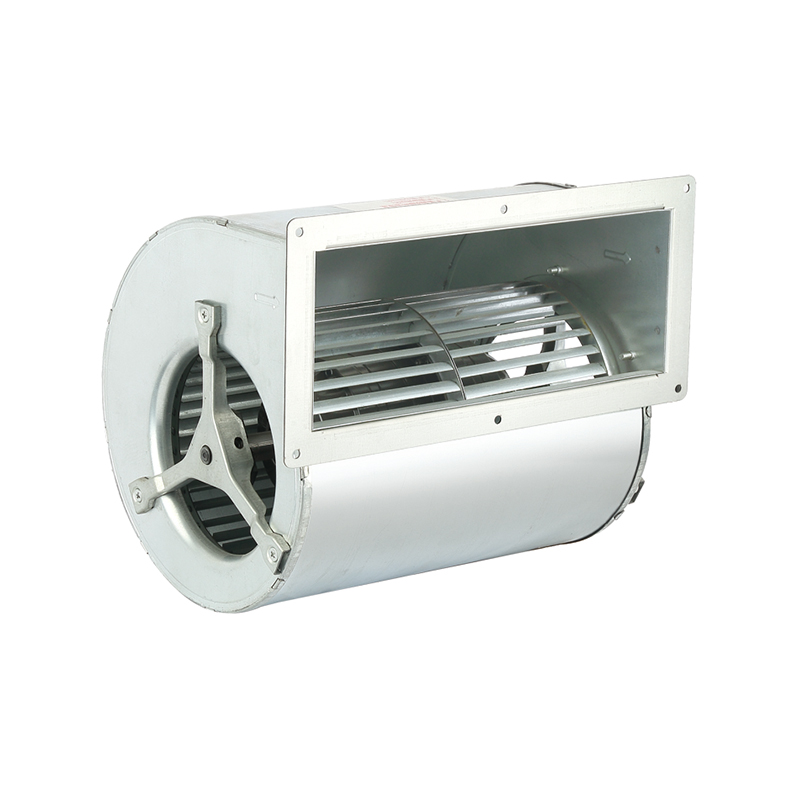
The DKT-133 Cooling Ventilation Double Inlet Air Conditioning Fan is d...
See Details
The DKT-146 Multi-Function Variable Frequency Double Inlet Air Conditi...
See Details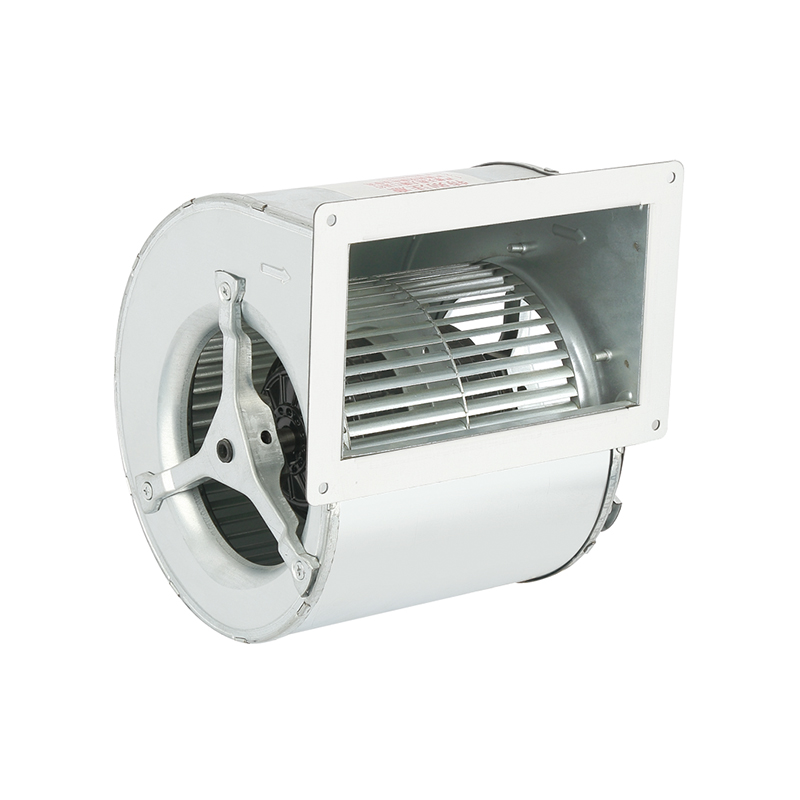
The DKT-160 Heat Dissipation Exhaust Double Inlet Air Conditioning Fan...
See Details
The DKT-180 Tilt Back Cool Down Double Inlet Air Conditioning Fan, a s...
See Details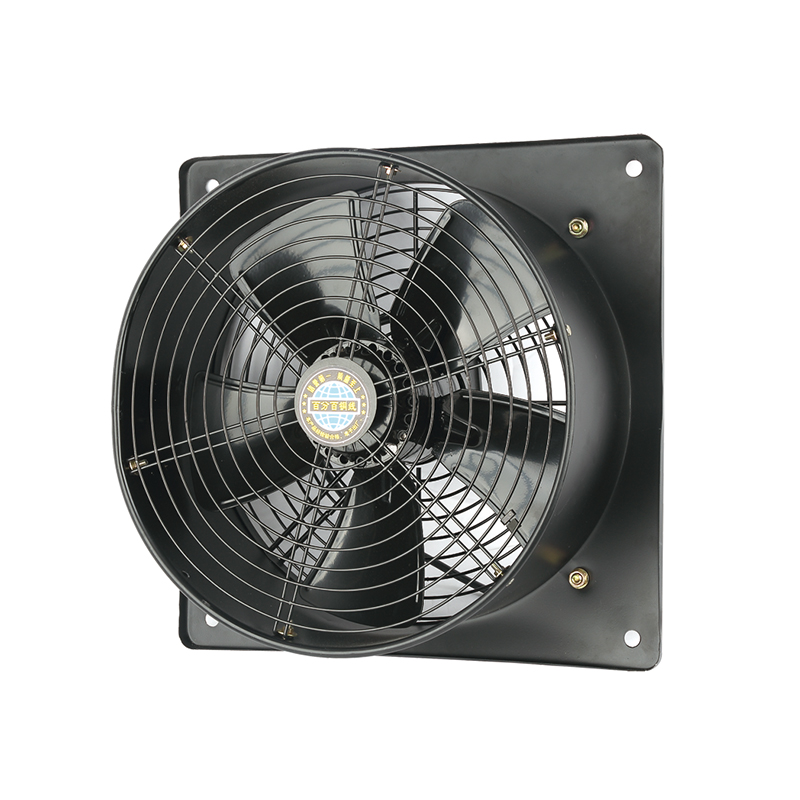
The YWF-400-2D2E Efficient Square form Axial fan is designed with a fo...
See Details
The YWF-350-2D2E Low noise Square form Axial Fan is designed with a co...
See Details
The YWF-350-4D4E Low vibration Square form Axial Fan is a outstanding ...
See Details
The YWF-400-4D4E Durable Square form Axial Fan is designed with advanc...
See Details
Qinlang focuses on providing high-quality products and considerate services, and is committed to meeting every expectation of our customers.
© Zhejiang Qinlang Electromechanical Co., Ltd.
Fans And Air-Cooling Equipment Factory
