 English
 русский
 عربى
عربى Español
Qinlang focuses on providing high-quality products and considerate services, and is committed to meeting every expectation of our customers.
The DKT-133 Cooling Ventilation Double Inlet Air Conditioning Fan is d...
See Details
Walk into a factory during summer and you can immediately feel whether the air is moving or standing still. In large production halls, storage areas, agricultural buildings, or equipment rooms, airflow is not just about comfort. It directly affects temperature balance, equipment performance, and overall environmental stability. One commonly installed device that supports this air movement is the AC Axial Flow Fan.
Instead of thinking about it as just a piece of hardware, it is more useful to understand it as a mechanical airflow driver powered by alternating current electricity. The design is based on a simple concept: the forward movement of air in a straight line.
A Simple Way to Understand Its Function
Inside the unit, an electric motor rotates a set of blades. As the blades rotate, they interact with the surrounding air to create motion. The direction of the air in the casing does not change. It enters from one side and exits from the other, parallel to the axis of rotation.
This direct airflow path is a key characteristic of the apparatus. Due to the fact that the air is not redirected within the curved chamber, the internal structure remains relatively simple.
The Core Elements Inside the Unit
Although different manufacturers may adjust materials or dimensions depending on application, the internal layout usually includes the same essential elements.
| Component | Role in the System |
|---|---|
| Motor | Generates rotational force |
| Blade Set | Pushes air forward through aerodynamic motion |
| Central Hub | Connects blades to the rotating shaft |
| Structural Frame | Holds the assembly together |
| Protective Guard | Prevents accidental contact with moving parts |
The absence of complex internal airflow passages makes the mechanical layout easier to inspect and maintain.
How Air Is Set in Motion
When electricity powers the motor, the shaft begins to rotate. The blades attached to it are shaped in a way that produces pressure variation as they cut through the air. This pressure difference causes air to move from the intake side toward the discharge side.
In practical terms:
This direct movement is especially suitable for installations where air needs to be exchanged across open areas or short air passages.
Why Alternating Current Is Commonly Used
Most industrial plants operate on AC power systems. The use of alternating current motors enables the fan to be connected directly to the normal electric infrastructure without the need for an additional switching device. The motor keeps the same rotation speed under steady voltage.
This compatibility simplifies electrical integration in manufacturing plants, warehouses, and agricultural buildings.
Where This Type of Fan Is Commonly Found
Because of its airflow characteristics, this equipment is often installed in situations where large volumes of air must circulate continuously.
Examples include:
The common requirement across these environments is sustained airflow rather than overcoming high resistance duct systems.
How It Differs From Other Air Moving Devices
Ventilation equipment can be divided into various categories based on how air travels inside the unit. Some systems redirect air outward using curved internal chambers. Others rely on linear movement.
| Component | Role in the System |
|---|---|
| Motor | Generates rotational force |
| Blade Set | Pushes air forward through aerodynamic motion |
| Central Hub | Connects blades to the rotating shaft |
| Structural Frame | Holds the assembly together |
| Protective Guard | Prevents accidental contact with moving parts |
This difference explains why axial airflow devices are frequently selected for open space ventilation rather than long duct networks with multiple bends.
Design Factors That Influence Performance
Even though the overall structure is not complicated, several elements influence how the unit performs in practice.
Blade shape affects how efficiently air is pushed forward.
Material selection impacts resistance to humidity or dust exposure.
Mounting orientation influences vibration levels.
Motor configuration determines operational stability.
Engineers evaluate these factors to ensure compatibility with the intended environment.
Installation Considerations
Because the airflow direction is straight, installation often involves placing the unit directly into a wall opening, panel cutout, or short duct section. Proper alignment ensures balanced rotation and reduces mechanical stress.
Attention is usually given to:
Correct positioning supports steady long term operation.
Maintenance and Operational Care
Routine checks help to keep airflow efficient. The accumulation of dust on the blades reduces the flow of air over time, so it may be necessary to clean them in some circumstances. Checking the status of the motor and making sure it remains tight is also a routine maintenance job.
Since the design is not dependent on complex air passages or multiple moving assemblies, it is possible to manage the maintenance process in a standard industry maintenance schedule.
The Role It Plays in Ventilation Systems
In modern facilities, ventilation design must balance airflow volume, environmental control, and structural practicality. The AC Axial Flow Fan contributes by delivering continuous linear airflow through a relatively uncomplicated mechanism. It is not intended to replace high pressure systems designed for long duct networks. Instead, it provides consistent air exchange in spaces where resistance remains moderate.
When we think of moving the air in a building or an industrial environment, it may seem simple: turn on the fan, and the air will flow. In fact, ensuring efficient ventilation requires an understanding of the interaction between the equipment and its surroundings. AC axial fan is a kind of fan which moves the air in a straight path. It operates in combination with mechanical movement, electric power and careful design.
Turning Electricity into Motion
At the heart of an AC axial flow fan is a motor powered by alternating current. This motor rotates a central shaft, which in turn spins the attached blades. Unlike devices that force air through curved passages, axial fans push air forward along the same axis as the shaft. The movement is direct and continuous.
The blades themselves are angled and shaped so that they interact effectively with air. As each blade rotates, there is a slight difference in pressure between the front and rear surfaces of the blade.Air naturally moves from higher pressure areas to lower pressure areas, so this difference results in steady airflow from the intake side to the outlet side.
Even though the concept seems simple, achieving consistent performance requires attention to motor speed, blade design, and overall alignment. Small deviations in these elements can reduce airflow or increase noise.
How Blade Design Influences Airflow
The shape, angle, and dimensions of the blade determine the movement of the air and the efficiency of the movement. A wider blade, for example, will move more air at a lower velocity, whereas a steeper angle will increase the speed. The curvature of the blade also affects the turbulence and noise.
| Blade Feature | Effect on Airflow and Performance |
|---|---|
| Blade Angle | Controls the speed and volume of airflow |
| Blade Curvature | Reduces turbulence and improves consistency |
| Blade Size | Larger surface moves more air, affects noise |
| Material | Determines durability in humid or dusty conditions |
These adjustments allow manufacturers to tailor fans for specific applications, from open warehouses to enclosed machinery panels.
The Path of Air Through the Fan
Air enters the fan through the intake side, where it comes into contact with the spinning blades. The blades accelerate the air and direct it along the shaft. By the time the air reaches the discharge side, it has a steady, predictable flow.
Because the airflow is linear, the fan can be installed in walls, panels, or short ducts without worrying about complex internal redirection. This makes planning ventilation in large or compact spaces easier.
Interaction Between Motor and Blades
The motor and the blades work as a coordinated system. The motor has to provide consistent rotational energy, and the blades convert that rotation into forward air flow. If one of them is not aligned, the air flow efficiency will drop, the vibration will increase and the system will become more noisy.
AC motors are especially useful as they are directly connected to a standard power supply system. They maintain a relatively constant velocity at a typical industrial voltage, which enables a reliable operation of the fan over a long time.
Applications and Installation Considerations
AC axial flow fans are found in many types of spaces:
The simple air flow path of the fan makes it suitable for a variety of installation locations, including wall openings, ventilation panels, and short pipes. Properly installed to ensure smooth rotation of the fan, minimum vibration and stable air flow.
Factors That Affect Performance
While the fan's principle is straightforward, its efficiency depends on several factors:
Understanding these influences helps optimize performance in different environments.
Noise and Vibration Management
Rotating blades produce sound, and vibration can transmit through mounting points. Controlling these factors involves careful selection of blade design, rotation speed, and mounting methods. Properly secured units reduce vibration, while blade geometry can moderate airflow noise.
Even though the axial fan design is mechanically simple, attention to installation and environmental conditions ensures comfortable operation.
How Axial Fan Compare to Other Fan Types
| Aspect | Axial Flow Fan | Centrifugal Fan |
|---|---|---|
| Airflow Direction | Straight through | Redirected at an angle |
| Air Volume | Moves large amounts of air | Handles higher resistance |
| Mechanical Layout | Simple structure | More complex internal design |
| Installation Flexibility | Flexible placement | Requires more precise ducting |
This comparison illustrates why axial fans are widely used in spaces where linear airflow is sufficient and installation flexibility is needed.
Routine Maintenance and Longevity
To keep an AC axial flow fan performing effectively:
Because the design is not complex, maintenance tasks are generally manageable without specialized training.
In practice, an AC axial flow fan converts electrical power into forward air movement along a straight axis. The motor drives the blades, which are shaped to move air efficiently, while the housing supports the assembly and ensures safe operation. Although simple, the combination of motor performance, blade design, and proper installation results in consistent airflow suitable for a wide range of industrial, commercial, and agricultural applications.
By understanding how these fans work, engineers and facility managers can plan ventilation systems that maintain stable conditions, prevent equipment overheating, and support comfort and safety in occupied spaces.
Main Features and Technical Characteristics of AC Axial Flow Fan
Ventilation is not just about moving air; it is about creating a stable environment where heat, moisture, and airflow are carefully managed. AC axial flow fans are widely used because they provide steady, linear airflow with relatively simple construction. To fully appreciate their role, it is helpful to examine both the practical features and the underlying technical characteristics that influence performance.
Key Functional Features
The main purpose of an AC axial fan is to efficiently move the air along its rotational axis. This simple concept leads to a number of practical advantages:
These features make AC axial flow fans suitable for industrial workshops, warehouses, agricultural facilities, and equipment enclosures.
Understanding Airflow and Efficiency
The air flow in the axial fan is produced by the interaction of the electric motor and the blade. As the motor rotates, the blades push the air forward. The straight line movement ensures that the air leaves the room in a predictable manner, which is important in the case of an even circulation.
Key factors that influence airflow efficiency include:
Adjusting these factors allows the fan to deliver steady airflow tailored to specific environments.
Durability and Material Choices
For fans operating in industrial or agricultural settings, durability is essential. Components must withstand long hours of operation and exposure to dust or moisture. Materials are selected to ensure consistent performance while minimizing maintenance requirements.
| Component | Material and Durability Notes |
|---|---|
| Blades | Reinforced plastics or metal alloys; resist wear and environmental exposure |
| Motor Housing | Enclosed to protect against dust and moisture |
| Frame or Structure | Rigid to minimize vibration and deformation |
| Protective Guard | Durable material that shields moving parts |
Through the use of suitable materials, manufacturers can guarantee reliable operation of the fan for a long period of time, even under difficult conditions.
Operational Characteristics
AC axial flow fans are designed for continuous operation with minimal supervision. Important operational characteristics include:
These characteristics make axial fans effective in applications that require reliable airflow without complex ducting.
Adaptability in Applications
Because of their design, AC axial flow fans are versatile across different settings:
The ability to operate effectively in these diverse settings comes from their straightforward airflow path and flexible mounting options.
Factors Influencing Long-Term Performance
Although the design is simple, performance over time depends on careful attention to several factors:
Routine inspection and maintenance help preserve airflow and extend operational life.
Energy and Efficiency
One advantage of axial flow fans is that they provide airflow with relatively moderate energy use. Because air moves in a straight path without encountering high-resistance channels, the fan does not require excessive power. Proper alignment of blades and consistent motor operation contribute to energy-efficient performance.
Overview of Features and Characteristics
| Feature | Description |
|---|---|
| Airflow Direction | Linear, along the shaft axis |
| Motor Type | AC motor compatible with standard power supply |
| Blade Design | Angled and curved for smooth, stable airflow |
| Mounting Flexibility | Supports wall, panel, or short duct installations |
| Noise and Vibration Control | Blade and motor design reduce sound and vibration |
| Durability | Materials resist wear, moisture, and dust |
| Maintenance Accessibility | Simple internal layout allows easy inspection |
AC axial flow fan combine simplicity, reliability, and adaptability, making them suitable for a wide range of industrial, agricultural, and commercial applications. By moving air along a straight path with motor-driven blades, they provide consistent airflow while keeping noise and vibration at manageable levels. Their durable construction, flexible installation options, and ease of maintenance ensure long-term performance in diverse environments. Understanding how these fans operate and their key features allows facility managers and engineers to create ventilation solutions that maintain stable conditions, support equipment efficiency, and enhance comfort and safety.
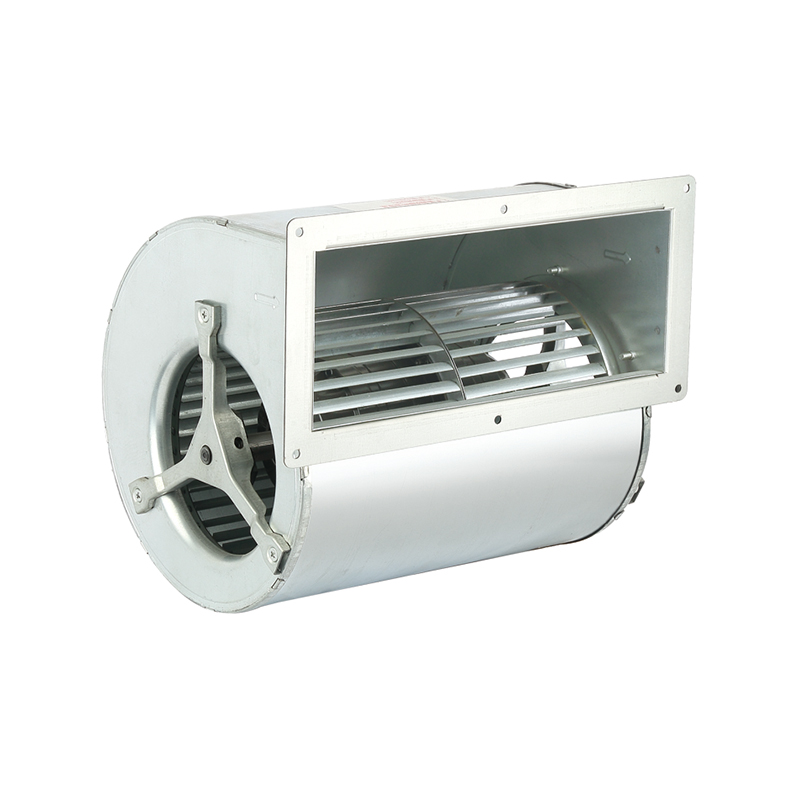
The DKT-133 Cooling Ventilation Double Inlet Air Conditioning Fan is d...
See Details
The DKT-146 Multi-Function Variable Frequency Double Inlet Air Conditi...
See Details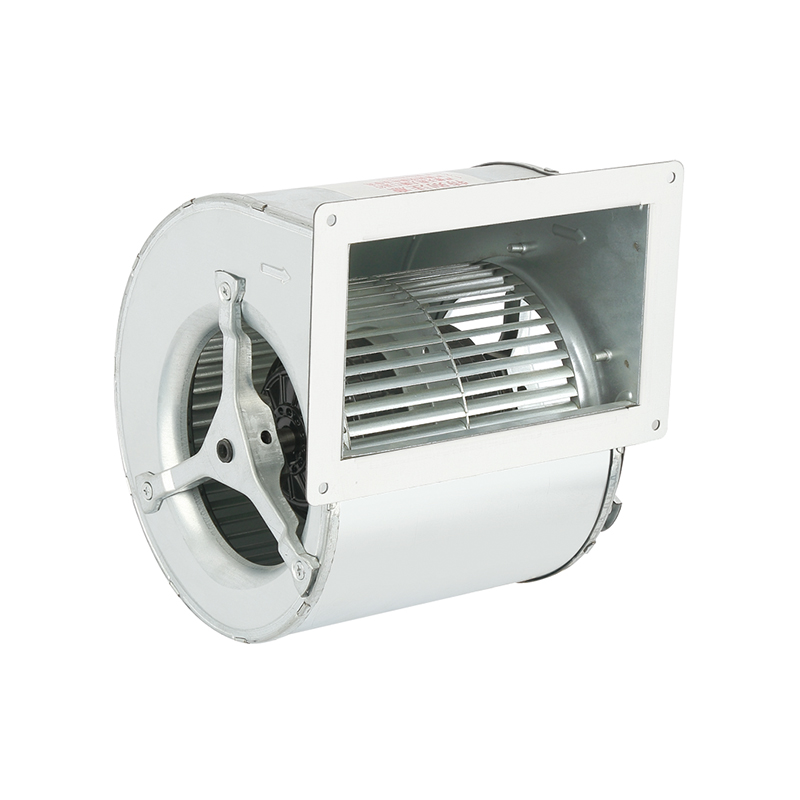
The DKT-160 Heat Dissipation Exhaust Double Inlet Air Conditioning Fan...
See Details
The DKT-180 Tilt Back Cool Down Double Inlet Air Conditioning Fan, a s...
See Details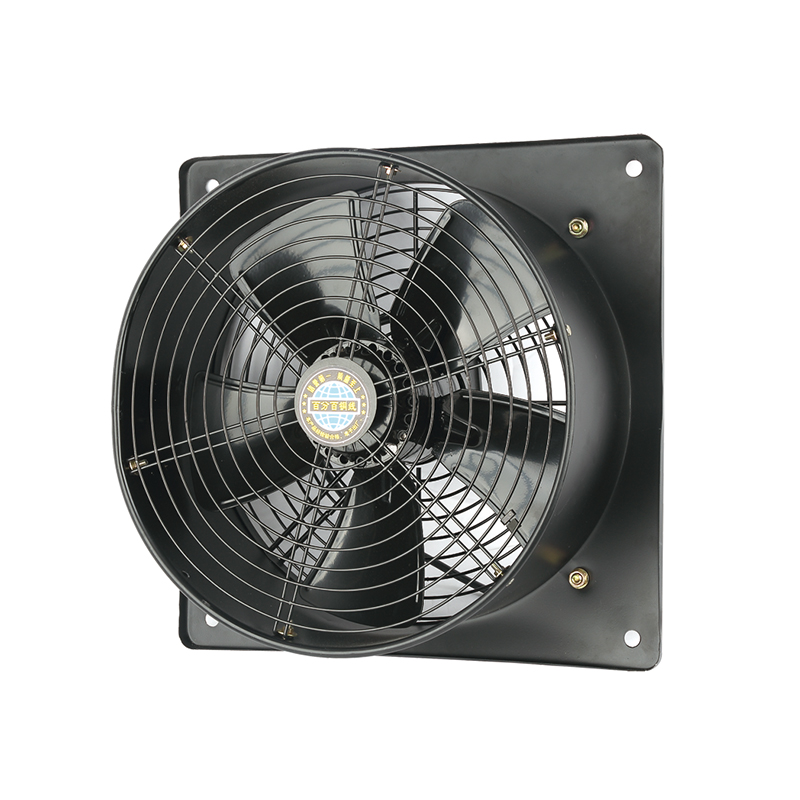
The YWF-400-2D2E Efficient Square form Axial fan is designed with a fo...
See Details
The YWF-350-2D2E Low noise Square form Axial Fan is designed with a co...
See Details
The YWF-350-4D4E Low vibration Square form Axial Fan is a outstanding ...
See Details
The YWF-400-4D4E Durable Square form Axial Fan is designed with advanc...
See Details
Qinlang focuses on providing high-quality products and considerate services, and is committed to meeting every expectation of our customers.
© Zhejiang Qinlang Electromechanical Co., Ltd.
Fans And Air-Cooling Equipment Factory
