 English
 русский
 عربى
عربى Español
Qinlang focuses on providing high-quality products and considerate services, and is committed to meeting every expectation of our customers.
The DKT-133 Cooling Ventilation Double Inlet Air Conditioning Fan is d...
See Details
In many industrial environments, ventilation equipment plays an important role in maintaining air circulation. Among different ventilation devices, the Industrial Axial Flow Fan is commonly used in workshops, warehouses, tunnels, and large buildings. This type of fan is designed to move air in a straight direction, allowing large spaces to maintain steady airflow without complicated structures.
An Industrial Axial Flow Fan works by pushing air along the same line as the rotating shaft. When the motor drives the blades to rotate, air enters from one side and exits from the other side in the same direction. Because the airflow does not need to change direction inside the fan, the internal structure remains relatively simple. This design is often suitable for situations where a continuous stream of air is required across a wide area.
From a structural point of view, the design of this ventilation device focuses on moving air through open space or duct systems. The airflow pattern follows the axis of the fan, which is the reason for the name axial flow. Many ventilation projects select this type of equipment when the goal is to move air across long distances or through large indoor environments.
Basic Components of an Industrial Axial Flow Fan
Although different manufacturers may use various designs, the basic structure usually includes several core parts that work together to create airflow.
| Component | Function |
|---|---|
| Fan blades | Rotate to push air forward and create airflow |
| Motor | Provides the power needed to rotate the blades |
| Hub | Connects the blades to the rotating shaft |
| Housing or casing | Supports the internal structure and guides airflow |
| Mounting structure | Allows the fan to be installed in walls, ducts, or frames |
Each component contributes to stable operation. The blades interact with surrounding air, while the motor provides continuous rotation. The housing helps guide airflow and protects internal parts.
How the Air Moves Through the Fan
The airflow process inside an axial fan follows a straightforward path.
Because the airflow direction remains mostly straight, the design allows ventilation across large areas without complicated air redirection. This is one reason why axial fans are widely used in large industrial spaces.
Common Installation Forms
Industrial ventilation projects may install axial fans in different ways depending on building structure or airflow requirements. Several common installation forms include:
Each installation style focuses on improving airflow circulation in specific environments.
Typical Situations Where Axial Fans Are Used
Industrial facilities often require continuous air movement. Axial fans help support this requirement in many situations.
Examples include:
In these scenarios, the goal is usually to move air steadily rather than create high pressure. Axial fans can help maintain airflow in these conditions.
Why This Fan Design Is Common in Industrial Ventilation
Several characteristics contribute to the wide use of axial flow fans in industrial projects.
First, the airflow direction is straightforward, which simplifies the internal structure. Second, the fan can move a large amount of air across wide areas. Third, installation methods can adapt to different building layouts. These characteristics make axial fans suitable for many ventilation systems in industrial environments.
Another reason for their popularity is flexibility. The same type of fan may be used in wall ventilation, duct systems, or large mechanical rooms. Engineers often select equipment based on airflow needs, installation conditions, and system layout.
A Simple Comparison of Fan Airflow Direction
Understanding airflow direction can help explain how axial fans differ from other fan types.
| Fan Type | Airflow Direction | Typical Use |
|---|---|---|
| Axial flow fan | Air moves parallel to the shaft | Large space ventilation |
| Centrifugal fan | Air changes direction inside the fan | Systems with higher pressure resistance |
This difference in airflow direction influences how each fan type is used in ventilation systems.
Although axial fans share the same airflow principle, their designs vary depending on installation environment, airflow path, and operating conditions. Industrial facilities often select a specific structure based on building layout, air circulation needs, and system design.
Several common configurations appear in industrial ventilation projects. Each type uses the same axial airflow concept, yet the construction and installation method create different airflow characteristics. The sections below introduce widely used types and explain how they fit different working environments.
Propeller Axial Flow Fan
Propeller style units represent one of the simplest structures within axial ventilation equipment. The design resembles the shape of a propeller, where several blades connect to a central hub and rotate inside an open frame or wall mounted structure.
Air enters from the rear side and travels forward along the axis when the blades rotate. Because the air path remains open and unobstructed, this configuration is frequently used in buildings where fresh air exchange is the main goal.
Common situations where propeller axial fans appear include:
These fans often operate in locations where air does not pass through long duct systems. Instead, they allow air to move directly between indoor and outdoor environments.
Typical characteristics include:
Although the design is simple, it can support steady airflow in large indoor environments when resistance inside the ventilation path remains limited.
Tube Axial Flow Fan
Tube axial fans are designed for situations where air must travel through a cylindrical duct or enclosed passage. Unlike open propeller units, this configuration places the rotating blades inside a tube shaped housing. The casing helps guide the airflow along the duct and prevents air from dispersing sideways.
In many industrial facilities, ventilation systems include pipelines or ducts connecting different areas of a building. Tube axial fans are often installed within these pipelines to keep air moving through the system.
Typical applications may include:
The cylindrical structure supports more controlled airflow compared with open wall mounted units. The casing also helps maintain directional air movement inside ventilation pipelines.
| Feature | Propeller Axial Fan | Tube Axial Fan |
|---|---|---|
| Installation location | Wall openings or open structures | Inside ventilation ducts |
| Housing structure | Open or partial frame | Cylindrical casing |
| Airflow path | Direct airflow between spaces | Guided airflow through duct |
| Typical environments | Warehouses, workshops | Industrial ventilation systems |
These structural differences influence where each design is commonly installed.
Vane Axial Flow Fan
Another type used in industrial ventilation systems is the vane axial configuration. This design introduces stationary guide vanes positioned either before or after the rotating blades. These components help control airflow direction and influence how air exits the fan.
The guide vanes adjust the swirl created by rotating blades. By redirecting airflow, the system can produce a more organized air stream. This type of design may appear in ventilation systems where airflow direction needs additional control.
Typical environments where vane axial fans may be installed include:
In this configuration, the airflow path includes several stages. Air first moves through the rotating blades, then passes across stationary guide vanes that adjust the airflow pattern.
This structure can support airflow stability in longer ventilation systems. Because of the additional internal components, the housing is often more structured than open propeller designs.
Reversible Axial Flow Fan
Some industrial ventilation projects require airflow to change direction depending on operating conditions. Reversible axial fans address this requirement. The design allows the fan to operate in two directions by adjusting blade orientation or reversing motor rotation.
These units may appear in ventilation systems where air needs to move in different directions during various stages of operation.
Situations where reversible airflow may be useful include:
Instead of installing separate intake and exhaust equipment, one reversible unit can perform both functions depending on system control.
Roof Mounted Axial Ventilation Units
Roof mounted axial fans represent another installation form used in industrial buildings. These units are positioned on the roof structure and allow air to move vertically through ventilation openings.
In many manufacturing buildings, warm air tends to rise toward the upper sections of the structure. Roof mounted axial ventilation units help release accumulated warm air and support overall air circulation inside the building.
Typical installation environments include:
The equipment is usually integrated into roof ventilation systems and connected to protective housings designed for outdoor conditions.
Comparing Different Axial Fan Structures
Propeller axial fans
Used for open space ventilation and wall installation.
Tube axial fans
Designed for air movement through ducts or enclosed passages.
Vane axial fans
Include guide vanes that help shape airflow direction.
Reversible axial fans
Allow airflow direction to change when system conditions require it.
Roof mounted axial ventilation units
Installed on building roofs to support vertical airflow and warm air removal.
Each configuration addresses a particular type of ventilation environment. Engineers usually select equipment based on building design, airflow path, and operational requirements.
Factors Influencing Type Selection
Although the airflow principle remains similar, the decision between different axial fan types often depends on several practical considerations.
Important aspects include:
By examining these factors, ventilation designers can determine which fan configuration fits the overall system.
Role of Axial Fan Types in Industrial Ventilation Design
Large industrial facilities rarely rely on a single ventilation device. Instead, a complete ventilation system may combine several equipment types working together. For example, a factory may use wall mounted propeller fans for fresh air exchange, while tube axial units move air through internal ventilation pipelines.
Similarly, a tunnel ventilation system might include vane axial fans placed along the airflow path to support controlled air movement throughout the tunnel length.
Because different areas of a facility may have different ventilation needs, selecting the right fan structure becomes part of the overall system planning process.
Practical Considerations for Long Term Operation
When selecting among axial fan types, engineers often consider how the equipment will perform over long operating periods. Industrial ventilation systems typically operate for extended hours, which means structural design and installation conditions play a role in long term reliability.
Some practical considerations may include:
By addressing these factors during system planning, facilities can maintain steady airflow while supporting long term equipment operation.
Why are axial flow fans widely used in industrial environments, and what practical role do they serve inside ventilation systems. The answer relates to how air circulation supports production spaces, equipment operation, and indoor environmental balance.
The purpose of an axial flow fan is to move air in a controlled direction so that fresh air can enter a space while warm air, dust, or other airborne elements can be carried away. Because the airflow travels along the axis of the rotating blades, this type of fan is able to push a continuous stream of air through open areas or ventilation channels. Many industries rely on this movement of air to maintain stable working conditions.
Air movement inside large buildings does not happen naturally in many cases. Walls, machinery, stored materials, and structural partitions can block natural circulation. A mechanical ventilation device helps overcome this limitation by actively moving air through different sections of a building.
Supporting Air Circulation in Industrial Spaces
One of the primary purposes of axial flow fans is maintaining air circulation in large indoor environments. Factories, warehouses, and workshops often contain large volumes of air that remain stagnant without mechanical assistance.
When air does not circulate effectively, several issues may appear:
Axial fans create a steady flow of air that moves through the building, helping distribute air more evenly. This circulation can help prevent the formation of stagnant zones where air becomes trapped.
In many facilities, several fans operate together to support airflow patterns that move across the building from one side to another. This coordinated airflow encourages continuous ventilation rather than isolated pockets of moving air.
Assisting Temperature Balance
Industrial processes often generate heat. Equipment such as motors, production lines, furnaces, or electrical systems release thermal energy into the surrounding environment. Without airflow, this heat may accumulate inside the building.
Axial ventilation equipment helps transport warm air away from its source and encourages cooler air to replace it. The fan itself does not reduce temperature directly, yet the movement of air helps distribute heat more evenly throughout the space.
This process supports temperature balance inside buildings that operate machinery for long periods. When air continues to circulate, warm zones are less likely to remain concentrated in one location.
Improving Fresh Air Exchange
Another important purpose of axial fans is assisting fresh air exchange. Many industrial buildings require a constant supply of outdoor air to replace indoor air that may contain dust, moisture, or process related gases.
Fresh air exchange generally follows a simple airflow cycle:
Axial fans support this cycle by pushing air through the ventilation path. When the airflow path remains stable, fresh air exchange can occur more consistently throughout the facility.
| Ventilation Objective | How Airflow Helps |
|---|---|
| Fresh air supply | Encourages outdoor air to enter indoor spaces |
| Heat removal | Moves warm air away from machinery or production areas |
| Air circulation | Reduces stagnant air zones inside large buildings |
| Dust dispersion | Prevents particles from remaining suspended in one location |
| Equipment cooling | Supports airflow around mechanical components |
Each of these objectives depends on consistent air movement across the facility.
Supporting Equipment Cooling
Industrial machinery often relies on surrounding airflow to prevent excessive heat buildup. Electrical panels, motors, compressors, and processing equipment release heat during operation.
If surrounding air remains still, heat can accumulate around these components. Over time, this may influence equipment performance or shorten service intervals for certain parts.
Axial fans help move air across the surfaces of machinery and electrical installations. When air continues to flow across equipment surfaces, the surrounding environment becomes less likely to trap heat.
This type of cooling support is often used in:
Airflow produced by axial fans helps maintain a more balanced temperature around these systems.
Maintaining Air Movement in Long Spaces
Certain industrial environments contain long corridors or tunnels where natural airflow remains limited. In these situations, axial fans support the movement of air across extended distances.
Examples include:
Because axial fans push air forward in a straight direction, they are suitable for ventilation systems where air must travel through extended spaces.
Several units may be positioned along the airflow path to maintain continuous circulation from one section of the passage to another.
Assisting Dust and Fume Removal
Production environments sometimes release dust particles, smoke, or light fumes during processing activities. These airborne materials may accumulate in the surrounding air if ventilation remains insufficient.
Axial ventilation equipment helps move these airborne elements toward extraction points or filtration systems. Instead of remaining suspended near workers or machinery, the particles are carried away by the moving air stream.
The airflow created by fans supports ventilation systems designed to guide air toward filters, ducts, or exhaust openings.
In facilities that manage particulate materials, airflow movement often plays an important role in maintaining a cleaner environment.
Improving Air Distribution in Large Buildings
Large buildings often contain areas where airflow becomes uneven. Certain zones may receive steady air movement, while other sections remain still due to structural obstacles or equipment layout.
Axial fans help redistribute air across these uneven areas. When multiple fans operate at different locations, airflow patterns can spread throughout the building more evenly.
Engineers often evaluate building layout when planning ventilation equipment placement. The goal is to create airflow pathways that connect different sections of the structure.
A simplified airflow distribution process may include:
Axial fans assist in maintaining movement between these points.
Role in Integrated Ventilation Systems
In many industrial facilities, axial fans operate as part of a larger ventilation network. The system may include ductwork, ventilation openings, filtration units, and monitoring devices.
Within this network, the fan performs the role of moving air through the system. Without airflow movement, the rest of the ventilation components cannot function effectively.
For example, a filtration system depends on air being pushed through filters. Similarly, ventilation ducts require airflow to transport air between different sections of the building.
By providing consistent air movement, axial fans help these systems operate as intended.
Their design focuses on moving air in a direct path, which allows them to support airflow circulation in a wide variety of environments. Many industrial facilities use axial fans as part of their ventilation layout because the design provides practical benefits for large spaces.
The advantages of industrial axial flow fans are closely related to their airflow direction, structural arrangement, and installation flexibility. Instead of using complicated airflow paths, these fans move air along the same direction as the rotating shaft. This simple principle allows them to support steady air movement in many ventilation situations.
Effective Air Movement Across Large Spaces
One important advantage of axial flow fans is their ability to move air across large open areas. Industrial buildings often contain wide floor spaces with high ceilings. Natural airflow inside such structures may remain limited because walls, machinery, and storage racks interrupt air circulation.
When axial fans operate inside these environments, they help push air across the building interior. The airflow can travel through working areas, equipment zones, and storage sections. This continuous movement encourages air exchange between different parts of the building.
Typical spaces that benefit from this airflow movement include:
Because air flows in a straight direction, the fan can support ventilation across long distances without complicated airflow changes.
Simple Mechanical Structure
Another advantage is the relatively straightforward mechanical design. Axial fans generally contain fewer internal airflow redirection components compared with some other fan structures.
A typical configuration may include the following parts:
This structural arrangement allows air to pass directly through the fan while the blades rotate. Because the airflow path remains clear, maintenance procedures often focus on a small number of components.
In many industrial settings, equipment with a simpler structure may reduce the complexity of routine inspection. Maintenance teams can access motors, blades, and mounting structures without disassembling complicated airflow channels.
Flexible Installation Options
Industrial facilities vary widely in building design. Some spaces contain large wall openings, while others rely on ventilation ducts or roof mounted airflow systems. Axial fans adapt to these different structures through several installation methods.
Common installation positions include:
Because the fan moves air in a straight direction, it can integrate into both open space ventilation and enclosed duct systems. This flexibility allows engineers to place fans at locations where airflow movement is required.
In many ventilation projects, several fans operate at different positions to guide air through the entire building.
Support for Continuous Ventilation
Industrial operations often run for extended periods during the day. During these periods, ventilation systems may need to operate continuously in order to maintain air circulation.
Axial flow fans are commonly used in situations where airflow must remain steady for long durations. The rotating blades maintain consistent movement of air through the ventilation path.
Continuous airflow helps support several ventilation goals:
When airflow remains stable, indoor environments become more predictable for both workers and equipment.
Adaptability to Different Industrial Environments
Industrial ventilation conditions vary depending on the type of facility. Some buildings contain machinery that produces heat, while others store materials that require steady air circulation.
Axial fans can operate in different environments because their design focuses primarily on airflow movement rather than complex pressure changes.
Examples of environments where axial fans may appear include:
Each of these environments requires airflow movement for different reasons. The axial fan design provides a practical way to maintain air circulation in such conditions.
Support for Ventilation System Layout
In many facilities, ventilation does not rely on a single fan. Instead, multiple units work together to guide airflow across different sections of a building.
Axial fans can operate as part of a larger ventilation layout that includes intake openings, airflow channels, and exhaust points. Their role within the system is to maintain movement between these points.
A simplified ventilation arrangement may include:
By pushing air through the ventilation pathway, axial fans help maintain circulation throughout the entire structure.
Reduced Airflow Resistance in Open Environments
Another advantage appears in environments where airflow resistance remains relatively low. Because axial fans push air forward in a straight direction, they are often suitable for spaces where the airflow path does not contain many obstacles.
Examples include:
Large open halls
Warehouses with wide floor areas
Agricultural buildings with ventilation openings
In these environments, the fan does not need to force air through complex turns or narrow passages. Instead, air travels directly across the space.
| Feature | Practical Benefit |
|---|---|
| Straight airflow direction | Supports air movement across large spaces |
| Simple structural layout | Maintenance procedures remain relatively clear |
| Flexible installation methods | Suitable for wall, roof, or duct systems |
| Continuous airflow capability | Supports ventilation during long operating periods |
| Adaptability to different buildings | Applicable in various industrial environments |
Balanced Air Distribution
Air movement inside large buildings can sometimes become uneven. Certain areas may receive strong airflow while other sections remain still. This situation may occur when obstacles interrupt the natural movement of air.
Axial fans help distribute air more evenly across these areas. When placed strategically throughout a facility, they create airflow paths that connect different sections of the building.
Engineers often study airflow patterns when designing ventilation layouts. By adjusting the position of fans, they can guide air from intake areas toward exhaust points in a controlled manner.
Balanced airflow distribution contributes to a more stable indoor environment.
Compatibility with Various Ventilation Systems
Industrial ventilation networks often include additional components beyond fans themselves. These may include ducts, filtration systems, airflow monitoring devices, and control equipment.
Axial fans can operate within these systems because their primary role is to move air through the network. For example:
Because of this compatibility, axial fans are often integrated into broader ventilation systems rather than operating independently.
Practical Role in Modern Industrial Facilities
Modern industrial buildings often contain complex equipment layouts and multiple working zones. Maintaining steady air circulation throughout such facilities requires ventilation equipment that can support airflow movement across different sections of the structure.
Axial flow fans provide one method of maintaining this circulation. Their ability to push air along a straight path allows them to move air across wide areas or through ventilation channels.
In combination with other ventilation components, these fans help support environmental control within industrial facilities.
Industrial spaces require steady airflow to maintain safe and stable conditions for both equipment and personnel. Axial flow fans are widely applied to move air efficiently in workshops, warehouses, tunnels, and mechanical rooms. Selecting the right equipment can simplify ventilation planning and ensure consistent circulation.
QinLang Industrial Axial Flow Fans offer practical solutions that meet the demands of diverse industrial environments. The advantages can be summarized in several aspects:
Key Benefits
Fans help maintain airflow in open spaces or duct systems, supporting fresh air exchange and reducing stagnant zones.
Suitable for wall openings, roof ventilation, or duct systems, adapting to different building layouts without complex modifications.
Components are accessible for routine inspection, allowing teams to monitor motor and blade conditions easily.
Air circulation helps manage heat, guide airborne particles toward exhaust points, and maintain even airflow distribution.
Compatible with pipelines, filtration units, and exhaust arrangements, supporting coordinated airflow throughout the facility.
| Feature | Practical Advantage |
|---|---|
| Airflow stability | Reduces stagnant zones and maintains consistent circulation |
| Installation adaptability | Fits wall, roof, or duct-based systems |
| Accessible maintenance | Simplifies inspection and cleaning procedures |
| Versatile application | Suitable for workshops, warehouses, tunnels, and mechanical rooms |
| System integration | Supports larger ventilation networks and air management solutions |
By considering airflow patterns, building structure, and operational needs, this type of axial fan provides a balanced solution for industrial ventilation without introducing unnecessary complexity. Its design allows consistent air movement across large areas, while installation flexibility ensures that different spaces can be served efficiently.
Choosing QinLang Industrial Axial Flow Fan ensures that industrial ventilation systems operate effectively, with manageable maintenance and adaptable solutions for various indoor environments.
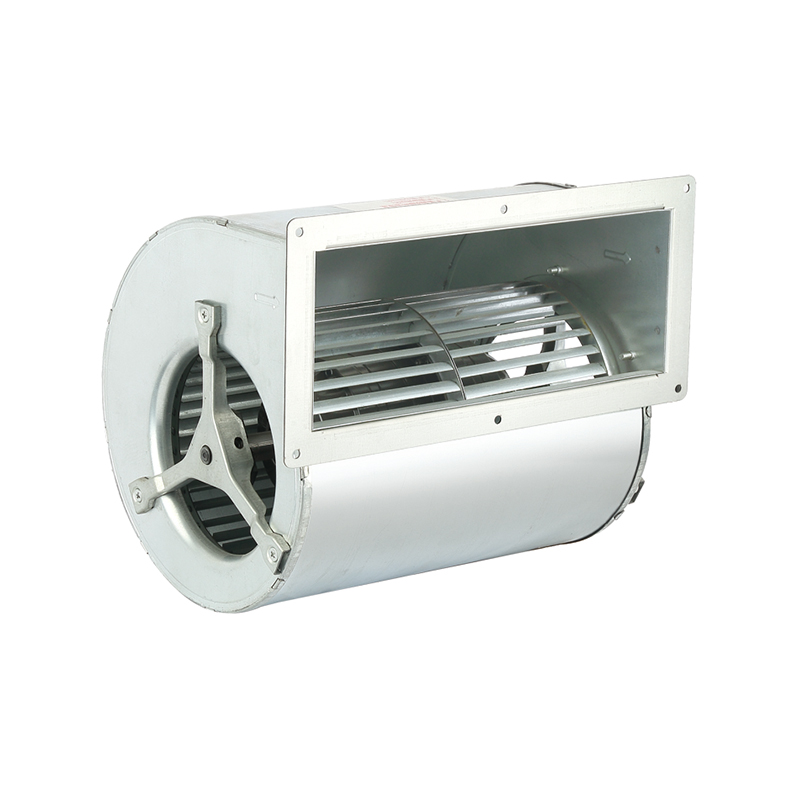
The DKT-133 Cooling Ventilation Double Inlet Air Conditioning Fan is d...
See Details
The DKT-146 Multi-Function Variable Frequency Double Inlet Air Conditi...
See Details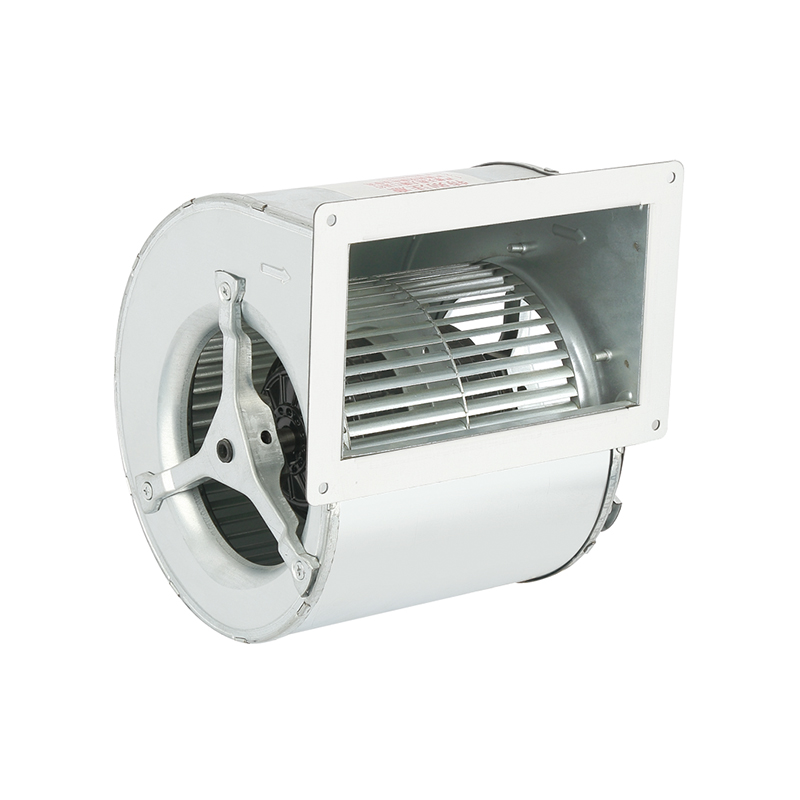
The DKT-160 Heat Dissipation Exhaust Double Inlet Air Conditioning Fan...
See Details
The DKT-180 Tilt Back Cool Down Double Inlet Air Conditioning Fan, a s...
See Details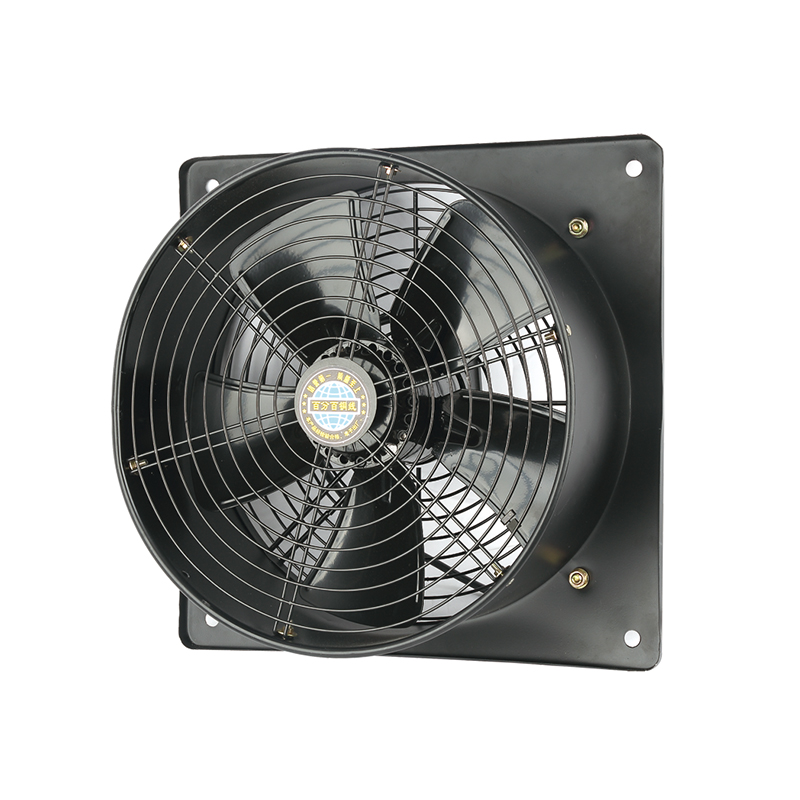
The YWF-400-2D2E Efficient Square form Axial fan is designed with a fo...
See Details
The YWF-350-2D2E Low noise Square form Axial Fan is designed with a co...
See Details
The YWF-350-4D4E Low vibration Square form Axial Fan is a outstanding ...
See Details
The YWF-400-4D4E Durable Square form Axial Fan is designed with advanc...
See Details
Qinlang focuses on providing high-quality products and considerate services, and is committed to meeting every expectation of our customers.
© Zhejiang Qinlang Electromechanical Co., Ltd.
Fans And Air-Cooling Equipment Factory
