 English
 русский
 عربى
عربى Español
Qinlang focuses on providing high-quality products and considerate services, and is committed to meeting every expectation of our customers.
The DKT-133 Cooling Ventilation Double Inlet Air Conditioning Fan is d...
See Details
Temporary ventilation is common in places where fixed airflow systems are not practical. Workshops, storage areas, farms, repair spaces, and outdoor work zones may need movable air circulation during certain tasks. A Portable Duct Fan can provide a flexible way to move air from one location to another, although outdoor conditions bring additional concerns.
Humidity and dust affect equipment in different ways. Moisture can reach exposed surfaces, cables, or electrical connections, while airborne dust may enter through intake openings and settle around internal passages. A combination of moisture and dirt can make cleaning more difficult and may affect routine inspection.
Outdoor use therefore depends on the actual surroundings rather than the word outdoor alone. A sheltered work area with limited humidity creates a different situation from an open location exposed to rain, water spray, mud, or heavy airborne particles.
Placement, electrical protection, airflow, cleaning, and storage all have a role. Looking at each condition before operation can help reduce avoidable problems and make temporary ventilation work easier to manage.
Humidity can affect exposed metal surfaces and electrical sections, especially when moisture remains around connections for extended periods. Damp surroundings may also create condensation when temperature conditions change.
Dust creates another type of concern. Fine particles can enter through air intake openings, while larger pieces of dirt or plant material may collect around screens and accessible passages. Once dust builds up, airflow may become less consistent.
Mixed dirt can be harder to handle. Moisture may cause loose dust to stick to surfaces, creating a layer that is more difficult to remove with a simple dry cloth. Mud or wet soil can also collect around the base when equipment is placed close to unpaved ground.
Several areas deserve regular attention:
Not every outdoor environment creates the same level of exposure. A fan working beneath a roof in a dry workshop yard has different needs from one placed beside a dusty road during damp weather.
Temporary exposure may also be easier to control than continuous outdoor placement. Moving equipment indoors after work, cleaning accessible surfaces, and allowing suitable parts to dry can reduce the amount of environmental exposure over time.
Light humidity does not necessarily create the same concern as direct contact with rain. A damp atmosphere, morning moisture, mist, and water spray should therefore be considered separately.
Rain deserves particular attention because electrical equipment is generally not intended to remain exposed to direct water unless its instructions specifically allow such use. A covered area can provide a different working environment, although airflow and moisture still need to be considered.
Dust also varies from one location to another. Dry soil may produce loose particles that quickly enter an intake, while larger debris may collect around the exterior. Wind can make matters harder by carrying dust directly toward the air inlet.
A simple environmental check can include:
| Outdoor Condition | Main Point to Check |
|---|---|
| Light humidity | Keep sensitive areas reasonably dry |
| Damp ground | Prevent contact with standing water or mud |
| Mist | Check exposure around electrical sections |
| Rain | Use only where permitted by equipment instructions |
| Dry dust | Keep intake areas clear |
| Heavy airborne debris | Consider whether the location is suitable |
Wind direction deserves attention during placement. When an intake faces a dusty activity, particles can enter continuously even when the surrounding area appears relatively clean.
Work activities also influence air quality. Cutting, drilling, sweeping, moving dry soil, or handling loose materials can release more particles than ordinary outdoor movement. Positioning equipment away from the direct source may reduce unnecessary exposure.
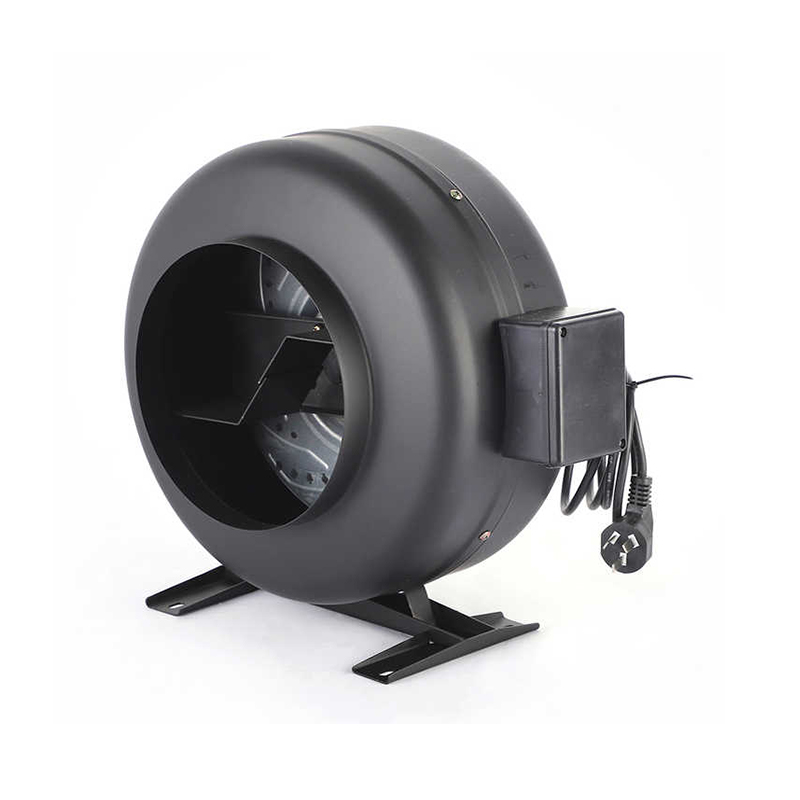
A stable surface is a useful starting point. Uneven ground can cause movement, while soft soil may allow the unit to shift during operation. A firm, level location makes positioning and inspection easier.
Standing water should be avoided around the base. Even when water does not directly reach electrical sections, repeated exposure can increase moisture around the housing, cables, and lower surfaces.
Air intake placement deserves equal attention. An inlet facing a dusty work process may collect particles quickly, reducing the time between cleaning tasks. Turning the intake away from the dust source or moving the unit farther from the activity can sometimes make a noticeable difference.
Duct positioning also affects practical use. Sharp bends, crushed sections, or blocked openings can restrict air movement. A duct should remain properly supported and free from unnecessary folds.
Before operation, check:
Clearance around air openings should not be overlooked. A fan needs enough open space to draw and discharge air properly. Placing the inlet directly against a wall, pile of materials, or dusty surface can interfere with normal airflow.
Dust can affect airflow gradually rather than causing an obvious problem immediately. A thin layer around an intake may seem harmless, while repeated exposure can create thicker buildup that restricts air movement.
Cleaning intake areas regularly helps keep airflow paths open. Care should be taken during cleaning because pushing dust deeper into the housing can create another issue.
Duct arrangement also matters. Long runs, repeated bends, compressed sections, and blocked ends can make air movement less effective. A High Efficiency Duct Fan may be selected for applications where controlled air movement is important, although installation conditions still influence actual performance.
Airflow should be considered as a complete path:
Air intake → fan → duct → outlet
A restriction at any point can affect the overall result. Checking only the fan housing may therefore miss a problem farther along the duct.
Changes in airflow can provide a useful reason for inspection. A weaker air stream, unusual sound, or visible dust buildup may indicate that cleaning or repositioning is needed.
Rather than relying on the fan alone, users should also consider the surrounding setup. A clean intake, suitable duct route, open outlet, and appropriate placement all contribute to practical ventilation during dusty outdoor work.
Moisture requires extra care around electrical equipment, especially when a fan is moved between indoor and outdoor work areas. A damp floor, wet cable, rain splash, or condensation near a connection can create a different situation from ordinary dry operation.
Before starting work, inspect the power cable, plug, switch, and visible connections. Cracks, exposed sections, loose parts, or signs of moisture should not be ignored. Power connections should remain away from puddles, wet soil, and places where water may collect.
A Portable Duct Fan should not be treated as weatherproof simply because it is designed to move around. Outdoor mobility and resistance to direct water exposure are separate considerations. Equipment instructions should always determine whether a particular environment is suitable.
During humid conditions, several habits can make handling easier:
Condensation deserves attention as well. Moving equipment from a cooler area into warm, humid surroundings can leave moisture on surfaces. Giving equipment enough time to reach suitable conditions before operation may help reduce unnecessary moisture exposure.
Cleaning should never be used as a reason to introduce water into electrical sections. A damp cloth may be suitable for some exterior surfaces, while sensitive areas may require a dry cleaning method. Applicable instructions should guide each step.
Dust removal works better when loose particles are dealt with before they become wet or compacted. Once power has been switched off according to the operating instructions, accessible dust can be removed from exterior surfaces with a suitable cloth or soft brush.
Intake areas deserve particular attention because dust naturally gathers where air enters. A blocked or dirty screen can reduce airflow, while accumulated material may make later cleaning more difficult.
Duct connections should be checked as well. Dirt may collect around joints, folds, and outlet areas, especially when equipment is used close to soil or loose materials.
A practical cleaning order can be:
Power off → remove loose dust → clean intake and outlet → inspect ducting → check cables → allow suitable areas to dry
Strong air pressure should be used only where the equipment instructions permit it. A forceful stream can push dust deeper into narrow openings, making an external cleaning job less effective.
Water also needs careful control. Exterior parts may have different cleaning requirements from electrical sections, so using one method across the entire unit is not advisable.
After cleaning, inspect for remaining moisture, particularly around plugs, switches, cable connections, and other areas where water may settle. Equipment should return to service only according to the applicable operating instructions.
Regular cleaning becomes more important when a fan works around dry soil, wood particles, construction dust, or other airborne material. A simple cleaning routine after use can prevent layers of dirt from building up.
A quick inspection before operation can reveal conditions that are easy to miss during setup. Check the housing, cable, plug, switch, duct connection, intake, and outlet before connecting power.
After operation, look again at areas exposed to dust or moisture. Changes in sound or airflow may provide a reason to stop and inspect rather than continuing to operate without checking the cause.
Useful signs to watch include:
A High Efficiency Duct Fan still depends on a clear airflow route and suitable working conditions. A clean fan connected to a restricted duct may not provide the expected air movement, while a clear duct cannot solve an intake blocked by dust.
Before use, attention can focus on safety and setup. After use, inspection can focus on dirt, moisture, wear, and changes in operating behavior.
Repeated outdoor exposure calls for more regular checks. Equipment used occasionally beneath a covered area may require a different cleaning routine from a unit that works beside dusty materials every day.
Outdoor ventilation becomes easier to manage when the location is considered before the equipment is switched on. A sheltered position can reduce exposure to rain and direct sunlight, while keeping the fan away from loose soil can limit dust entering the intake.
Ground conditions matter too. A firm, dry surface is easier to maintain than soft ground covered with mud. Where possible, placing equipment on a suitable raised or protected surface can reduce contact with moisture and dirt.
Ducts should have a clear route with minimal unnecessary bends. Keeping the path organized makes later inspection easier and reduces the chance of crushed or disconnected sections.
Storage should receive attention after outdoor work. A suitable dry area can protect the unit from unnecessary humidity and airborne particles between uses. Dust should be removed before storage rather than allowing several layers to collect.
A simple routine may look like this:
| Stage | Practical Task |
|---|---|
| Before work | Check cables, intake, outlet, and placement |
| During use | Watch for airflow or operating changes |
| After work | Remove loose dust and inspect exposed areas |
| Before storage | Allow suitable parts to dry |
| Next use | Check condition again before connecting power |
Environmental conditions can change during a work period, so placement may need adjustment. A location that was dry in the morning could become damp later, while a nearby activity may create a larger amount of airborne dust.
For outdoor use, flexibility should not mean ignoring environmental limits. A Portable Duct Fan can be useful in temporary work areas when its placement, electrical protection, airflow path, and cleaning routine are suited to actual conditions.
Careful handling also helps keep maintenance practical. Removing dust before it becomes compacted, keeping moisture away from sensitive areas, checking cables regularly, and storing equipment in a suitable place can make routine care easier without adding unnecessary steps.
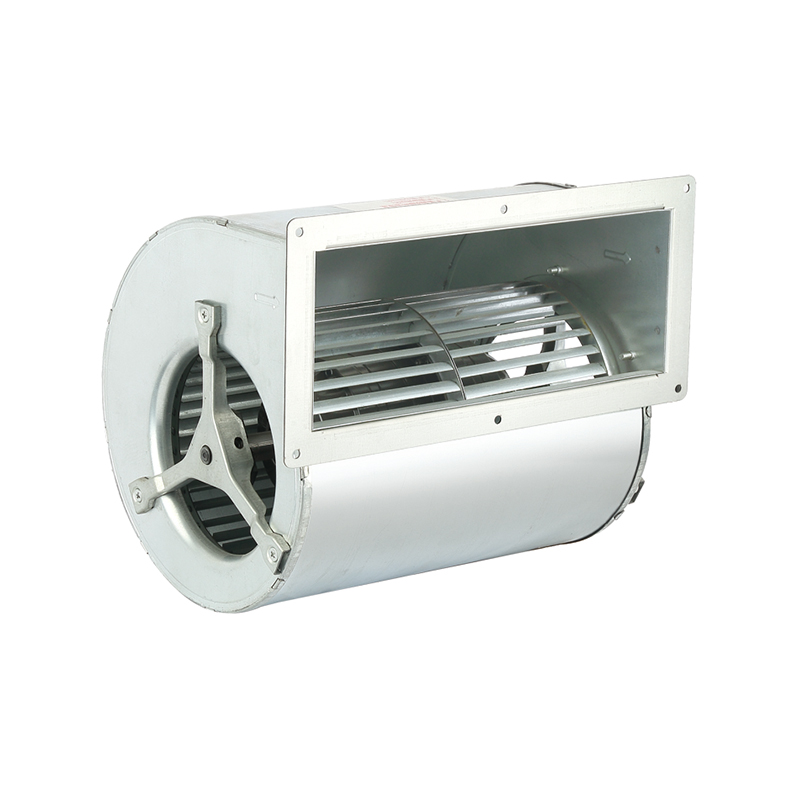
The DKT-133 Cooling Ventilation Double Inlet Air Conditioning Fan is d...
See Details
The DKT-146 Multi-Function Variable Frequency Double Inlet Air Conditi...
See Details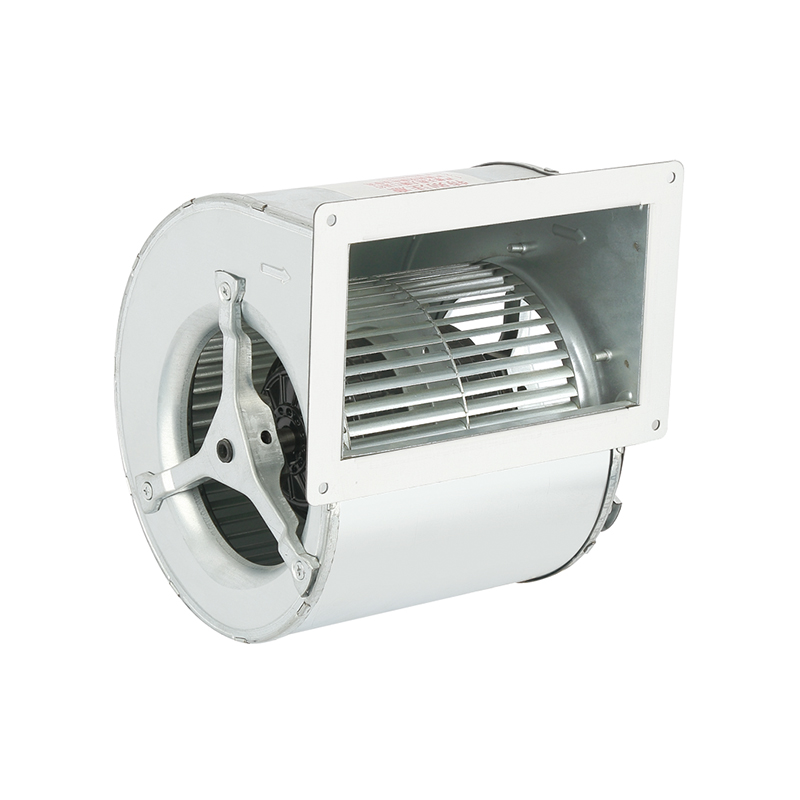
The DKT-160 Heat Dissipation Exhaust Double Inlet Air Conditioning Fan...
See Details
The DKT-180 Tilt Back Cool Down Double Inlet Air Conditioning Fan, a s...
See Details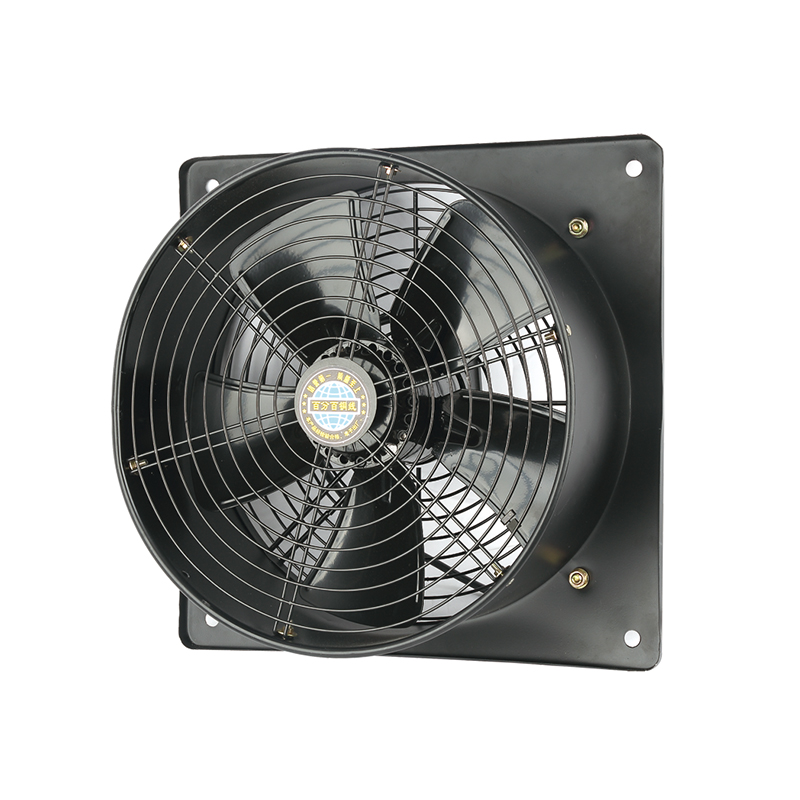
The YWF-400-2D2E Efficient Square form Axial fan is designed with a fo...
See Details
The YWF-350-2D2E Low noise Square form Axial Fan is designed with a co...
See Details
The YWF-350-4D4E Low vibration Square form Axial Fan is a outstanding ...
See Details
The YWF-400-4D4E Durable Square form Axial Fan is designed with advanc...
See Details
Qinlang focuses on providing high-quality products and considerate services, and is committed to meeting every expectation of our customers.
© Zhejiang Qinlang Electromechanical Co., Ltd.
Fans And Air-Cooling Equipment Factory
