 English
 русский
 عربى
عربى Español
Qinlang focuses on providing high-quality products and considerate services, and is committed to meeting every expectation of our customers.
The DKT-133 Cooling Ventilation Double Inlet Air Conditioning Fan is d...
See Details
Air can become surprisingly still inside a busy workshop. Machinery, shelves, stored materials, partitions, and workers all take up space, leaving fewer open routes for air to travel. Opening a door may improve conditions near the entrance, while a corner farther inside can remain warm or stuffy.
Heat is often one of the first noticeable problems. Equipment running for long periods releases heat into nearby areas, and warm air may stay around a machine rather than moving toward an opening. Workers may also notice that some parts of a room feel comfortable while another section feels noticeably warmer.
Dust presents another concern. Cutting, sanding, drilling, grinding, and material handling can disturb particles around a work area. General air movement can help carry stale air toward an outlet, although ordinary circulation should not replace equipment designed to collect dust close to its source.
A workshop does not need complicated airflow planning to improve circulation. A good starting point is simply to look at how air can enter, cross the room, and leave. When a clear route exists, a fan has a better chance of influencing a wider area.
CFM indicates how much air a fan can move over a period of time. For workshop use, that figure gives a useful starting point when comparing different airflow capacities. It does not tell the whole story, since room layout and fan position can change how moving air behaves.
Imagine a fan placed in a wide, open section. Air has plenty of room to travel, so movement can extend across a larger part of the workspace. Place the same fan beside a wall or behind a large machine, and much of that movement may be interrupted.
For that reason, airflow capacity should be considered together with the space available around the fan. A High CFM Axial Fan may suit an open workshop where a large volume of air needs to move across the room, especially when there is a clear route toward an entrance, window, or other opening.
| Workshop Situation | Airflow Concern | Practical Approach |
|---|---|---|
| Open work area | Air can spread across the room | Keep the airflow path clear |
| Crowded machinery area | Equipment interrupts movement | Aim air through an open route |
| Shelving along walls | Air may collect around blocked sections | Avoid placing the fan directly against obstacles |
| Warm work zone | Heated air may remain nearby | Guide moving air toward an available outlet |
| Enclosed corner | Natural movement may be weak | Consider airflow from a more open position |
CFM should therefore be viewed as part of the selection process rather than the only factor. A fan with substantial airflow capacity still needs a sensible position to make that capacity useful.
Open workshops are often easier to ventilate because fewer structures stand in the way. A fan can be positioned near one side of the room and directed toward an open section, helping air travel across a working area.
Entrance areas can also provide a practical starting point. Air brought in from an open door can be pushed farther into the room rather than remaining close to the doorway. In another arrangement, a fan can guide warm or stale air toward an existing opening.
Heat-producing equipment may need special attention. Rather than pointing airflow randomly at machinery, it can be more useful to create a route that carries warm air away from occupied areas.
Storage sections deserve similar consideration. Stacked materials and shelving can create small pockets where air movement is limited. Moving the fan slightly away from such obstacles may provide a wider path and reduce stagnant areas.
A few simple points are worth checking before installation:
A High CFM Axial Fan can be useful in a workshop when its airflow direction matches the way the room is arranged. Capacity provides the ability to move air, while placement determines where that movement actually goes.
Workshop layouts often change as equipment is moved, new materials arrive, or temporary work areas are created. A fan position that works well in an open area may become less useful after a large machine or stack of materials is placed in its path.
Looking at the room from several positions can reveal weak airflow areas. Pay attention to corners, narrow passages, spaces behind equipment, and sections separated by partitions. Such locations often need a different airflow direction rather than simply more air movement in the same place.
Good circulation usually comes from a clear route. Air needs room to travel rather than repeatedly meeting walls, equipment, or stored goods. For that reason, arranging the fan around the workshop layout can sometimes make a noticeable difference without changing the rest of the workspace.
Air circulation has a practical role in keeping a workshop more comfortable during regular work. Warm air does not always move toward an opening on its own, especially around large equipment or in areas with limited natural airflow. Moving air through such spaces can help carry heat away from occupied areas and toward a suitable exit.
Dust needs a different approach. General airflow can move suspended particles from one part of a room to another, so simply increasing air movement is not a substitute for collecting dust near where it is produced. In a workshop where dusty tasks are carried out, airflow direction needs to be considered carefully.
A fan can still support cleaner air movement by helping replace stale air with fresher air from an available opening. Proper placement matters more than simply directing air toward the work area.
Several situations may benefit from planned airflow:
A sensible airflow path gives warm or stale air somewhere to go. Without an outlet or another route for air to leave, circulation may simply push air around the same room.
Fan selection should begin with the space rather than the product name. A workshop with a wide open floor has different needs from one divided into several work areas. Room size, obstacles, openings, operating conditions, and intended airflow direction all affect the choice.
Airflow capacity is one useful point to consider. A High CFM Axial Fan can move a considerable volume of air across an open area, making airflow capacity relevant for larger spaces or locations where air needs to travel across a broad working zone.
Physical size also deserves attention. A fan needs enough surrounding space for air to enter freely. Installing equipment too close to a wall, shelf, or machine can restrict airflow before it has a chance to move through the room.
Noise may also matter in a working environment. A workshop already contains equipment and activity, so adding unnecessary noise can affect communication and general comfort. Placement, operating conditions, and fan construction can all influence how noticeable a fan becomes during use.
Another consideration is the environment where the fan will operate. Dust, moisture, heat, and frequent handling can place different demands on equipment. A suitable choice should match the conditions around its intended installation area rather than relying on airflow capacity alone.
Position has a direct effect on how air travels. Even a capable fan can have limited influence when its outlet faces a wall or a large piece of equipment. Creating an unobstructed route gives moving air more room to travel.
One useful approach is to think of airflow as a path rather than a single point. Air should have somewhere to enter, move through the workspace, and leave. Placing a fan near one opening and directing airflow toward another can create a more natural route.
Height can also change the result. Warm air tends to behave differently from cooler air, while machinery and shelving may block movement close to the floor. A suitable mounting or standing position depends on the room and the location of heat sources.
For workshops with changing layouts, a movable fan can be easier to adjust. Once equipment or stored materials are moved, the airflow route may need to change as well.
Before settling on a position, check:
A small change in direction can sometimes make a larger difference than moving the fan a long distance.
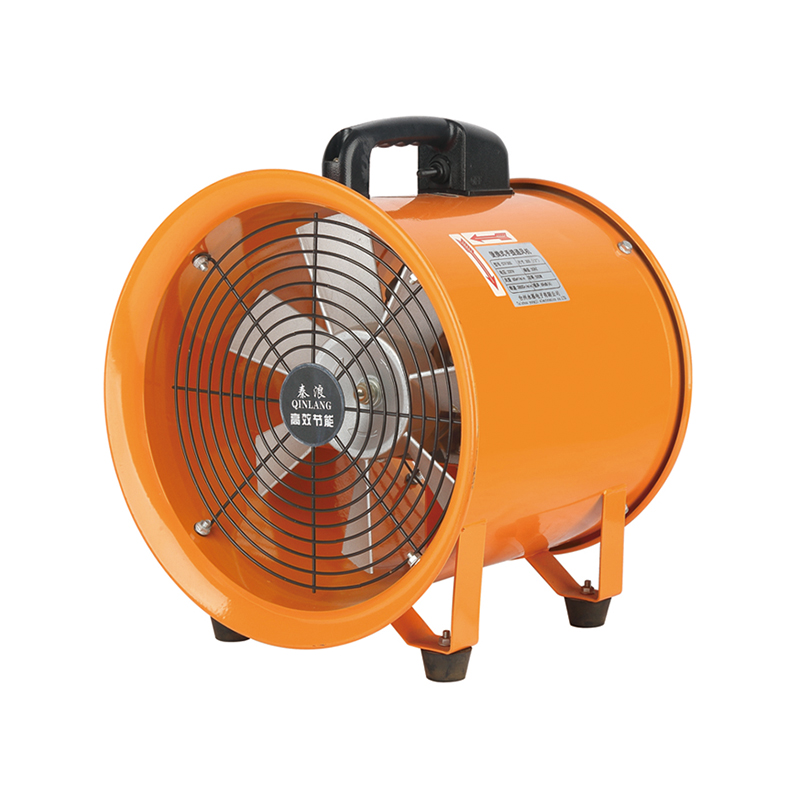
Dust and debris gradually collect around equipment used in busy workshops. Fan guards, blades, openings, and surrounding surfaces can become dirty, which may affect airflow and create additional cleaning work.
Regular inspection helps identify problems before they become difficult to manage. Cleaning should follow the equipment instructions and workplace safety procedures, with power disconnected before any hands-on cleaning or inspection.
Pay attention to unusual vibration, changes in operating sound, loose parts, or visible buildup. A fan that begins to operate differently may need attention rather than continued use without inspection.
The surrounding area matters as well. Boxes, materials, tools, or temporary structures can slowly move into the airflow path. Keeping the intake and outlet areas reasonably clear helps maintain the intended route.
A simple maintenance routine can include:
Workshop air circulation is closely connected to everyday layout and working habits. A High CFM Axial Fan can move a large volume of air, yet useful circulation still depends on where the equipment is placed, how air enters the room, and where moving air can go.
For that reason, airflow planning works better when treated as part of the workshop arrangement rather than as a separate equipment decision. A clear route, suitable placement, regular cleaning, and attention to changing work conditions can help keep air moving through the areas where circulation is needed.
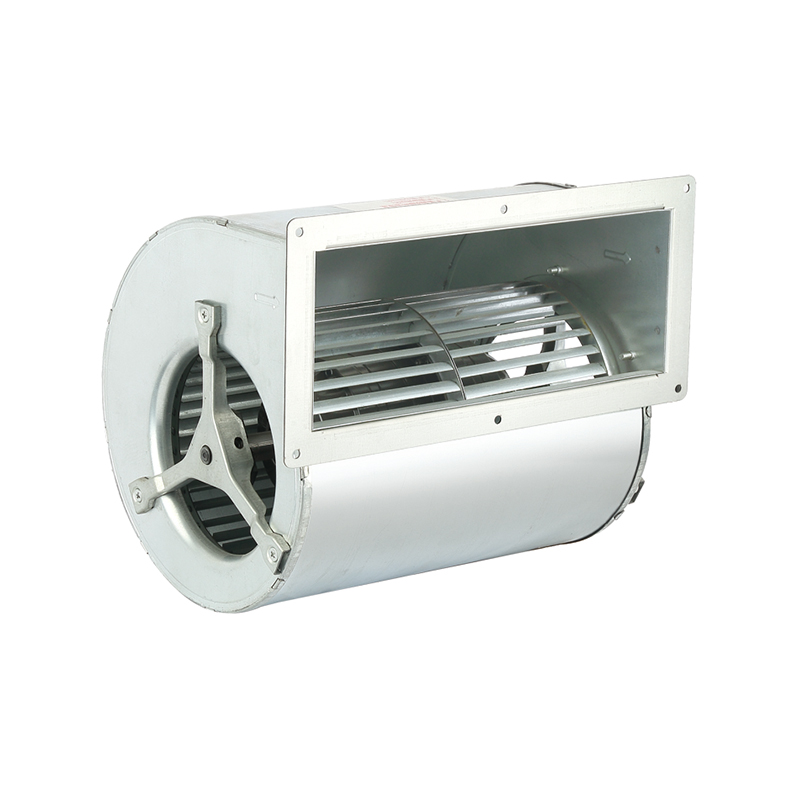
The DKT-133 Cooling Ventilation Double Inlet Air Conditioning Fan is d...
See Details
The DKT-146 Multi-Function Variable Frequency Double Inlet Air Conditi...
See Details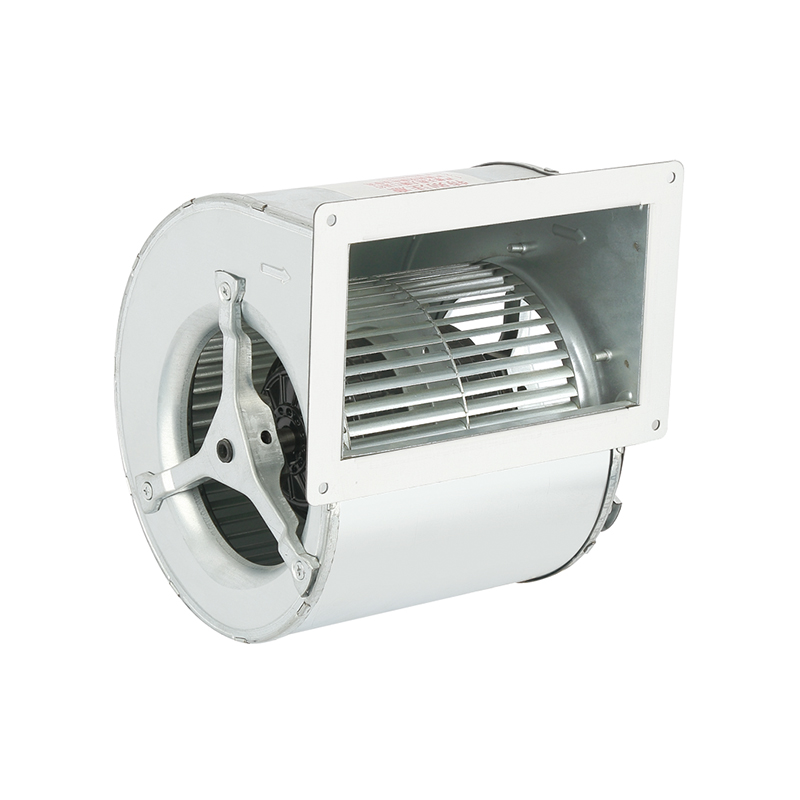
The DKT-160 Heat Dissipation Exhaust Double Inlet Air Conditioning Fan...
See Details
The DKT-180 Tilt Back Cool Down Double Inlet Air Conditioning Fan, a s...
See Details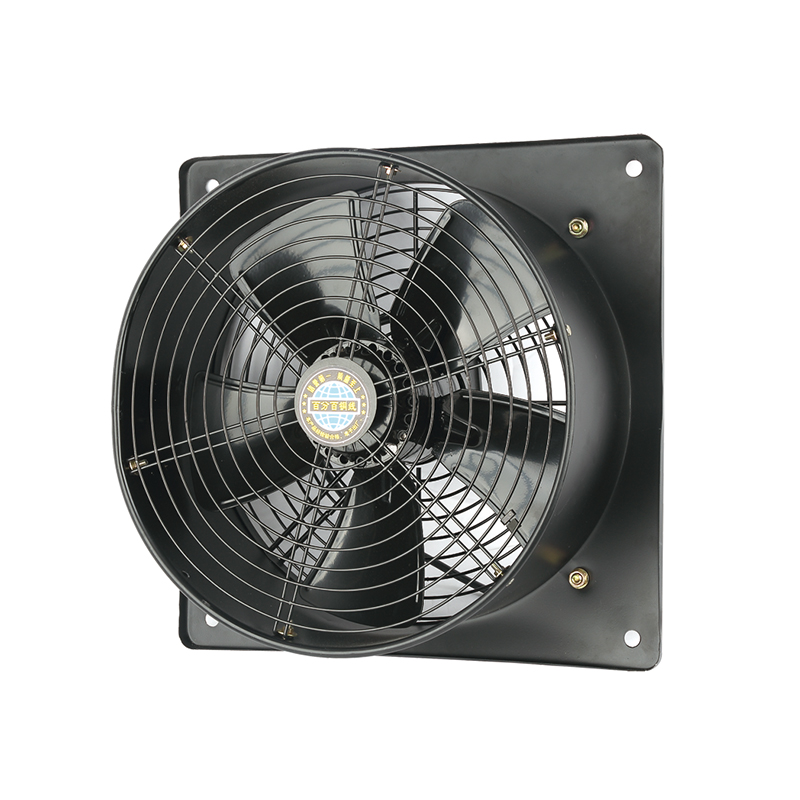
The YWF-400-2D2E Efficient Square form Axial fan is designed with a fo...
See Details
The YWF-350-2D2E Low noise Square form Axial Fan is designed with a co...
See Details
The YWF-350-4D4E Low vibration Square form Axial Fan is a outstanding ...
See Details
The YWF-400-4D4E Durable Square form Axial Fan is designed with advanc...
See Details
Qinlang focuses on providing high-quality products and considerate services, and is committed to meeting every expectation of our customers.
© Zhejiang Qinlang Electromechanical Co., Ltd.
Fans And Air-Cooling Equipment Factory
