 English
 русский
 عربى
عربى Español
Qinlang focuses on providing high-quality products and considerate services, and is committed to meeting every expectation of our customers.
The DKT-133 Cooling Ventilation Double Inlet Air Conditioning Fan is d...
See Details
Fan diameter affects how a ventilation unit is built and how air moves through its working area. A larger rotating section can move air across a broader opening, while a smaller unit can fit into locations where installation space is limited. Diameter alone, however, does not describe the full operating condition.
A 250mm Axial Fan and a 400mm unit may both be used for ventilation, cooling or air exchange, yet their practical roles can differ because physical size changes the installation requirements and available air path.
Air movement depends on several connected factors. Blade shape, motor arrangement, rotation speed, housing design and surrounding resistance can all affect actual operation. A larger housing placed in a restricted passage may not provide the expected result, while a smaller unit installed close to the area requiring ventilation can serve a local air movement task effectively.
Installation conditions also influence selection. A unit mounted on a wall needs a suitable opening, while equipment cooling may require a compact fan that fits within an existing enclosure. Available space around the intake and outlet matters as well, since blocked air paths can affect how freely air enters or leaves.
For that reason, fan diameter is better viewed as one part of a wider selection process.
Several basic questions can help establish the role of each size:
A clear answer to those questions can prevent size from becoming the only selection factor.
A smaller axial fan can be useful where available mounting space is restricted. Equipment cabinets, compact rooms, wall panels and local ventilation points may not provide enough room for a larger housing. A 250mm Axial Fan can fit within a smaller opening while still providing direct air movement through the installation area.
Physical dimensions influence more than the opening itself. Space around a fan affects maintenance access, electrical connections and airflow. A tightly surrounded unit may have difficulty drawing air freely, even when the fan itself has been selected according to the required size.
Wall installation provides a simple example. A circular opening needs to match the fan housing, while nearby structures should not block the intake. On the outlet side, objects placed too close to the grille can interfere with air discharge.
Equipment cooling creates another situation. Internal components may generate heat within a confined enclosure, making local air movement useful. A compact unit can be positioned near a suitable ventilation opening, helping move warmer air away from the equipment or bringing cooler surrounding air inward.
Small spaces still require careful planning. A compact fan does not automatically suit every restricted area because the actual air requirement may exceed what a smaller unit can provide.
Installation planning can focus on:
Opening size → surrounding clearance → air intake → air discharge → maintenance access
Keeping each part of the path reasonably clear helps the selected unit work under conditions closer to those expected during design.
Noise and vibration may also become noticeable when a fan is installed near occupied areas or sensitive equipment. Mounting structure, balance and surrounding materials can influence how mechanical movement is transferred into nearby surfaces.
A 400mm Axial Fan requires a larger installation opening and more surrounding space. Physical size becomes an important part of planning, especially when a unit is mounted on a wall, panel or ventilation opening.
A larger rotating area can support air movement across a wider opening, making such equipment relevant to larger ventilation locations. Warehouse areas, workshop spaces and open equipment zones may have different air requirements from a compact enclosure.
Larger size does not automatically mean a suitable choice. Air demand, system resistance and available mounting space still need to match the intended application. Installing a larger unit where only limited air movement is required can create unnecessary changes to the installation arrangement.
Structural support also deserves attention. A larger housing may require a suitable mounting surface and adequate fixing points. Surrounding panels need to remain stable during operation, while maintenance personnel need enough room to access the unit.
Air intake conditions can become particularly important with a larger opening. Nearby walls, stored materials or other equipment can disturb the air path. A clear intake area helps reduce unnecessary restriction.
Different installation environments may therefore create different priorities:
| Installation Factor | 250mm Axial Fan | 400mm Axial Fan |
|---|---|---|
| Available Space | Compact mounting area | Larger mounting area |
| Air Movement | More localized | Wider air movement area |
| Installation Opening | Smaller opening | Larger opening |
| Typical Placement | Compact equipment or limited spaces | Larger rooms or open areas |
| Main Selection Focus | Space and local ventilation | Air demand and mounting conditions |
Airflow requirements should be considered before choosing a fan diameter. A room with a large air volume may require a different arrangement from a small equipment enclosure, while a long duct can create resistance that changes the expected operating condition.
A fan operating in an open passage generally faces less restriction than one connected to a complicated air path. Filters, grilles, bends and narrow ducts can all reduce the amount of air moving through a system.
For a 250mm Axial Fan, local ventilation may be an important consideration. Air can be moved directly through a wall opening, enclosure or compact equipment area. Placement becomes especially relevant because the distance between the fan and the area requiring cooling or ventilation can influence the practical effect.
A 400mm unit can suit a larger air passage, although surrounding conditions remain important. A large opening does not guarantee suitable ventilation across an entire room. Air may move strongly near the discharge area while leaving less active zones elsewhere.
Room layout also affects air distribution. Walls, shelves, machines and partitions can change the direction of moving air. A ventilation plan therefore needs to consider where air enters, where it leaves and how it travels between those points.
Selecting between the two sizes can be approached through several connected questions:
Such factors make diameter only one part of the decision. A smaller unit may fit a compact installation more naturally, while a larger unit may be appropriate where a wider air passage is available. Actual selection needs to follow the conditions surrounding the installation rather than relying on size alone.
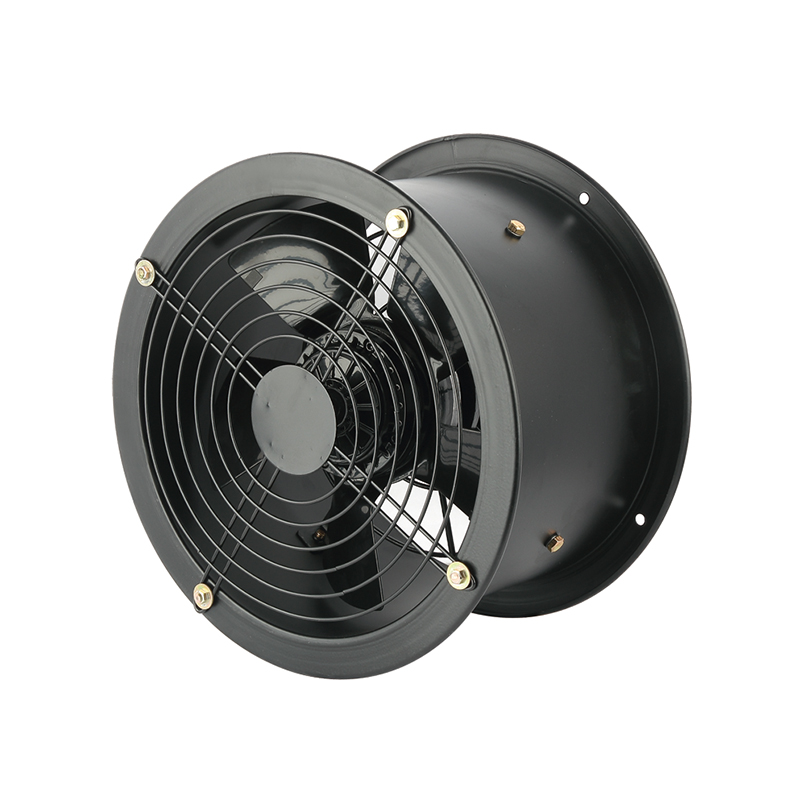
Air does not move through every ventilation setup with the same ease. A fan placed in an open wall opening faces a different condition from one connected to a passage containing filters, grilles or bends. Resistance along the air path can change how much air actually moves during operation.
For that reason, selecting between a 250mm Axial Fan and a 400mm Axial Fan should involve more than comparing physical diameter. Air passage design has a direct connection with the working condition of the equipment.
A simple open installation may allow air to enter and leave with relatively little obstruction. Once additional components are introduced, the situation changes. A filter can collect dust over time, a grille can restrict the opening, and a narrow passage can make air movement less direct.
Several parts deserve attention:
Maintenance also affects ventilation conditions. A clean filter and unobstructed grille provide a different air path from a neglected installation. Regular inspection can therefore be part of maintaining expected operating conditions.
Fan selection needs to consider the entire path from air intake to discharge. A larger fan installed into a restrictive system may not produce the expected improvement simply because its physical diameter is larger. Likewise, a compact fan placed in a clear, direct passage may work appropriately for a localized ventilation task.
Working conditions vary considerably between equipment rooms, workshops, storage areas and compact enclosures. Each location creates different requirements for installation space, air circulation and environmental protection.
A 250mm Axial Fan may be easier to integrate into a compact enclosure or limited wall opening. Local equipment cooling can benefit from a small installation footprint where surrounding components leave little room for a larger housing.
Compact ventilation points may include:
Such applications often place greater attention on available space and direct air movement.
A 400mm Axial Fan generally needs a larger opening and a more spacious mounting area. Larger rooms, workshops and open ventilation sections may provide suitable conditions for a bigger unit.
Possible applications can include:
Environmental conditions can influence both sizes. Dust, moisture and heat may affect the choice of housing, motor protection and maintenance approach. A dusty location may require more frequent cleaning, while a damp environment calls for suitable protection around electrical parts.
Air circulation should also be considered alongside room layout. Shelving, machinery and partitions can interrupt a direct airflow path. Positioning a fan near an obstruction may reduce its practical effect even when the unit itself operates normally.
A practical selection process begins with the installation rather than the product name. Available space, required air movement and environmental conditions provide a clearer basis for comparison.
For a 250mm Axial Fan, checking the mounting opening and surrounding clearance can help confirm whether a compact installation is realistic. Air intake and discharge areas should remain reasonably open, while maintenance access needs to be considered before installation.
For a 400mm Axial Fan, mounting structure becomes more important because the larger housing requires more room. Wall panels, support frames and nearby equipment should not interfere with installation or maintenance.
A short inspection list can help organize the decision:
Check the Installation Area
Measure the available opening and inspect nearby structures. A suitable installation needs enough room for mounting, connection and future maintenance.
Check the Air Path
Identify where air enters and where it leaves. Filters, grilles and passages should be included in the planning rather than added after the fan has been selected.
Check Environmental Conditions
Look for heat, moisture, dust and other conditions that may influence housing or electrical protection requirements.
Check Operating Needs
Determine whether ventilation is intended for local cooling, room air exchange, exhaust or another purpose. Different tasks can require different airflow arrangements.
Check Maintenance Access
A fan that cannot be cleaned or inspected conveniently may become harder to maintain during regular operation. Access around the housing should therefore form part of the installation plan.
Choosing between a 250mm Axial Fan and a 400mm Axial Fan becomes clearer when physical size is connected with the actual ventilation task.
Smaller installations tend to place greater attention on compact mounting, local cooling and limited openings. Larger ventilation areas require consideration of available space, air distribution and structural support. Neither situation can be judged by diameter alone.
Airflow requirements also need to be viewed together with system resistance. An open wall installation and a ducted arrangement can create very different operating conditions, even when the same fan is used.
A useful way to approach selection is to move through the installation from beginning to end:
Required air movement → Available opening → Air path → System resistance → Working environment → Maintenance access
Such a sequence keeps the decision connected to the real installation. Product size becomes a result of the application rather than the starting point.
For compact equipment or restricted mounting locations, a smaller axial fan may provide a practical fit. For larger openings and wider ventilation areas, a larger unit may be more appropriate. Actual suitability still depends on air requirements, installation conditions and the surrounding environment.
A comparison between a 250mm Axial Fan and a 400mm Axial Fan therefore involves more than diameter. Physical dimensions influence installation, while blade design, motor arrangement, air resistance and environmental conditions influence operation. Considering all of those factors together provides a clearer basis for selecting equipment for a particular ventilation task.
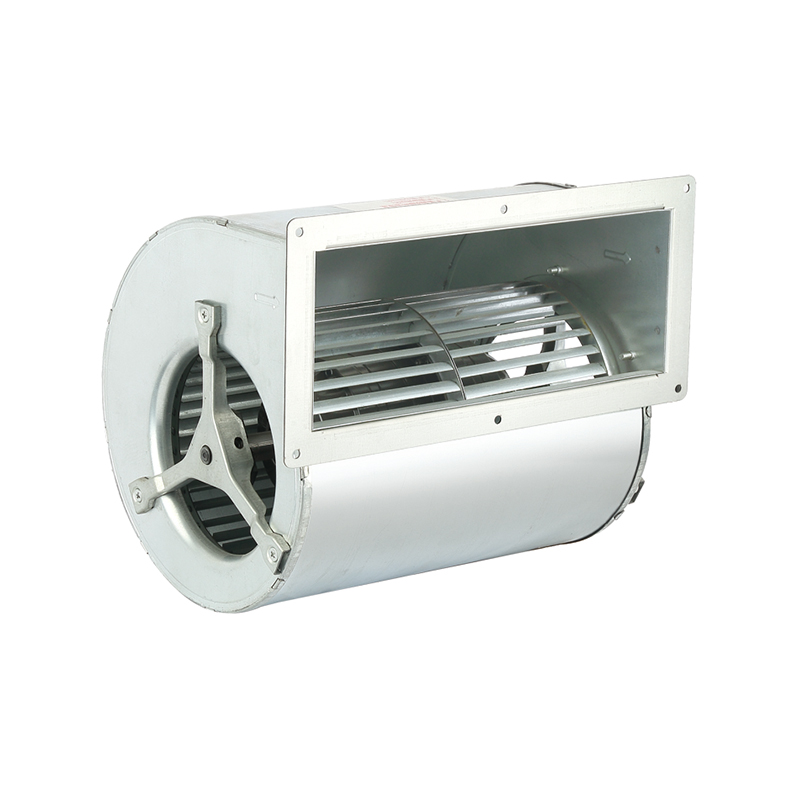
The DKT-133 Cooling Ventilation Double Inlet Air Conditioning Fan is d...
See Details
The DKT-146 Multi-Function Variable Frequency Double Inlet Air Conditi...
See Details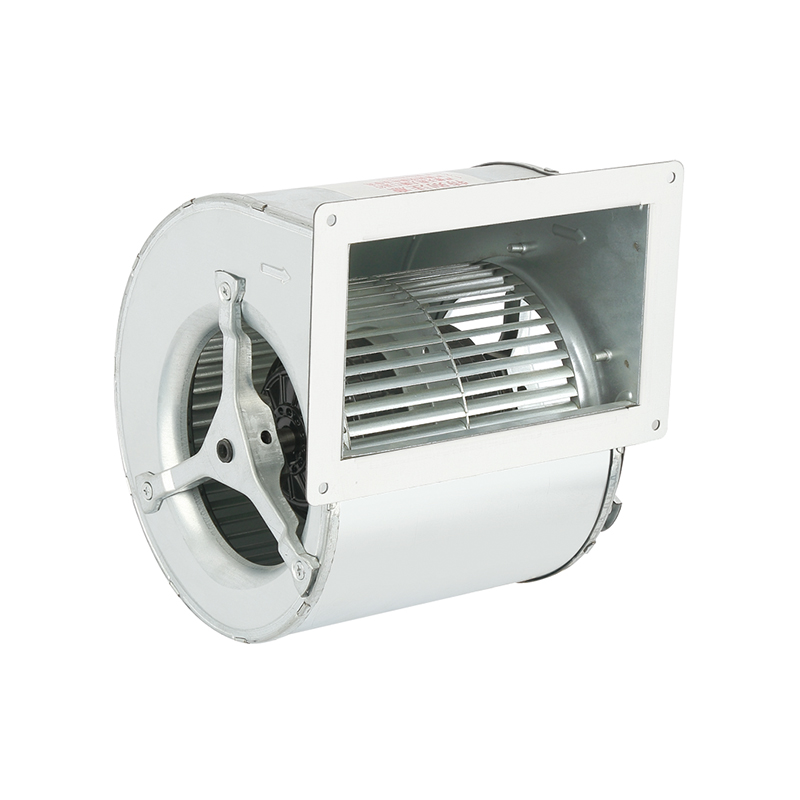
The DKT-160 Heat Dissipation Exhaust Double Inlet Air Conditioning Fan...
See Details
The DKT-180 Tilt Back Cool Down Double Inlet Air Conditioning Fan, a s...
See Details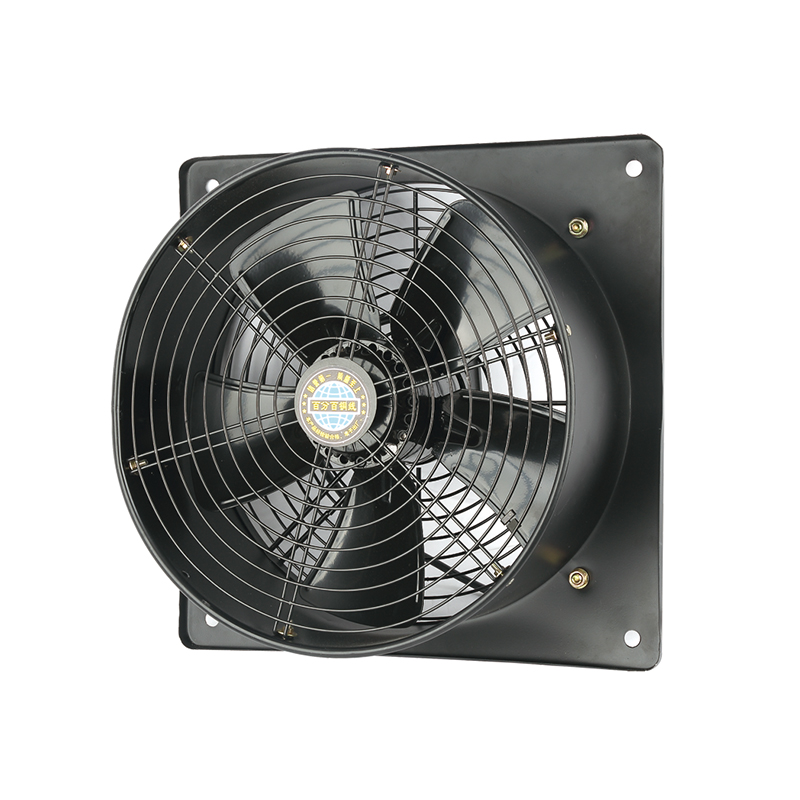
The YWF-400-2D2E Efficient Square form Axial fan is designed with a fo...
See Details
The YWF-350-2D2E Low noise Square form Axial Fan is designed with a co...
See Details
The YWF-350-4D4E Low vibration Square form Axial Fan is a outstanding ...
See Details
The YWF-400-4D4E Durable Square form Axial Fan is designed with advanc...
See Details
Qinlang focuses on providing high-quality products and considerate services, and is committed to meeting every expectation of our customers.
© Zhejiang Qinlang Electromechanical Co., Ltd.
Fans And Air-Cooling Equipment Factory
