 English
 русский
 عربى
عربى Español
Qinlang focuses on providing high-quality products and considerate services, and is committed to meeting every expectation of our customers.
The DKT-133 Cooling Ventilation Double Inlet Air Conditioning Fan is d...
See Details
A workshop needs air movement for several reasons. Heat builds up from equipment and processes. Fumes, dust, and airborne particles accumulate where work happens. Without some way to move that air out and bring fresh air in, the space becomes uncomfortable and, in some cases, unsafe.
Fixed ventilation systems have handled this job for a long time. Ductwork runs through the building, fans sit at walls or roofs, and air moves continuously through the space. The system is part of the building, and it operates whether or not anyone thinks about it.
Portable options have changed the picture. A self‑contained unit with flexible ducting can be moved to wherever the work is happening. It plugs into a standard outlet, routes air through a hose, and can be repositioned as needs change. The question that follows is practical: can a Portable Duct Fan take the place of a fixed installation?
The answer depends on what the workspace actually requires. Air volume, duty cycle, layout, and the nature of the work all influence whether a portable unit can serve the same role or only part of it.
A fixed system is built into the structure of the building. Ductwork connects intake and exhaust points to a central fan or a set of fans. The routing is planned during construction or fit‑out, and the capacity is matched to the volume of the space.
Mounted fans sit at walls, roofs, or windows, moving air through the building envelope. Operation is tied to the building's power and control system, which means the system can run continuously without anyone adjusting it. In some installations, make‑up air provisions bring replacement air in as exhaust air leaves, keeping the space balanced.
Filtration may be part of the design, particularly where the exhaust air contains particles or contaminants that need to be captured before release. Controls may link the ventilation system to other building functions, such as heating or cooling, so that air exchange happens without working against temperature management.
This approach suits spaces with consistent requirements. The system is designed around the volume of the room and the type of work performed there. Once installed, it operates as part of the building rather than as a separate piece of equipment.
A portable unit takes a different approach. The fan and its housing are self‑contained, and flexible ducting connects the unit to the point where air needs to be moved. The entire assembly can be relocated, stored, or repositioned as conditions change.
Setup requires no permanent wiring or structural modification. The unit plugs into an available outlet, the duct is routed to the work area, and operation begins. When the task is finished, the unit can be moved elsewhere or stored until needed again.
This flexibility suits situations where requirements shift. A work station that generates fumes during one task may not need exhaust during another. A portable unit can be placed where the work is happening rather than where the building's ductwork happens to reach.
The trade‑off appears in scope. A portable unit serves the area where it is placed. It does not distribute air movement across an entire workshop or provide the baseline ventilation that a fixed system delivers. Its strength lies in localized control rather than whole‑space coverage.
Both move air from one point to another. Both can exhaust fumes, dust, or heat from a work area. Both rely on duct routing of some kind to reach the source of the contaminant or the area that needs ventilation.
Both require attention to airflow balance. If air is exhausted from a space without replacement air entering, negative pressure develops, and the exhaust becomes less effective. Fixed systems address this through make‑up air provisions. Portable units require the operator to consider where replacement air will come from.
Both need power and maintenance. Filters require cleaning or replacement. Fans and motors need occasional inspection. Ducting needs to be kept clear and in good condition. Neither approach eliminates the need for upkeep.
The overlap creates the conditions where substitution becomes possible. For certain tasks, a portable unit can perform the same function as a fixed system — at least within the area it serves. Understanding where that overlap ends is part of determining whether replacement makes sense.
Continuous duty is one of them. A fixed system runs for as long as the building is in use, moving air without interruption. A portable unit can run for extended periods, but it is one piece of equipment serving one area rather than a building‑wide installation.
Coverage of large volumes depends on distributed ductwork. A fixed system reaches multiple points across a workshop through a network of ducts. A portable unit reaches the area where its duct is placed. Covering the same volume with portable equipment would require multiple units, each with its own duct routing and power supply.
Integration with building controls allows a fixed system to operate alongside heating, cooling, and safety systems. It responds to conditions in the space without manual adjustment. Portable units operate independently and require attention to placement and operation.
Consistent performance regardless of operator attention is another characteristic of fixed installations. The system does not depend on someone remembering to turn it on or position it correctly. It runs as part of the building's normal operation.
Regulatory or process requirements may specify fixed installation. Certain types of work, certain materials, or certain building codes call for permanent ventilation that meets defined standards. In those cases, a portable unit serves as a supplement rather than a replacement.
| Factor | Fixed Workshop Ventilation | Portable Duct Fan |
|---|---|---|
| Installation | Built into the structure | Plug‑in, no permanent mounting |
| Coverage | Whole space through ductwork | Localized to placed area |
| Operation | Continuous, tied to building controls | Manual placement and operation |
| Flexibility | Fixed routing and capacity | Repositioned as needs change |
| Make‑up air | Often integrated into design | Requires separate consideration |
| Duty cycle | Suited to continuous operation | Suited to intermittent or localized tasks |
| Floor space | Ductwork and fans integrated | Unit and hose occupy floor area |
| Maintenance | Centralized access | Per‑unit upkeep |
Portable equipment earns its place in situations where fixed ductwork cannot reach or where requirements change from one task to another.
Localized exhaust at a specific work station is where a portable unit works as intended. A welding bench, a painting area, or a sanding station generates contaminants at a defined point. A portable unit placed nearby captures those contaminants before they spread through the space. The short distance between source and intake improves capture efficiency compared with a fixed exhaust point located elsewhere.
Temporary tasks that generate fumes or dust suit portable equipment. A one‑time repair, a short production run, or a job that appears without warning can be handled without modifying the building's ventilation system. When the task ends, the unit moves on.
Areas where fixed ductwork does not extend are common in older buildings or in spaces that have been repurposed. A corner of a workshop, a room added later, or an outdoor work pad may not connect to the central system. A portable unit fills that gap without requiring new ductwork.
Seasonal or intermittent needs appear in workshops that do not operate continuously. A space used heavily during one part of the year and lightly during another may not justify a fixed system running year‑round. Portable equipment can be brought in when needed and stored when not.
Supplementing an existing system is another role. During peak conditions — a large project, a hot day, a process that generates more contaminants than usual — a portable unit adds capacity where it is needed. The fixed system continues its baseline function while the portable unit addresses the temporary spike.
Situations where fixed installation is not practical include rented spaces, temporary structures, and locations where structural modifications are not permitted. A portable unit provides ventilation without altering the building.
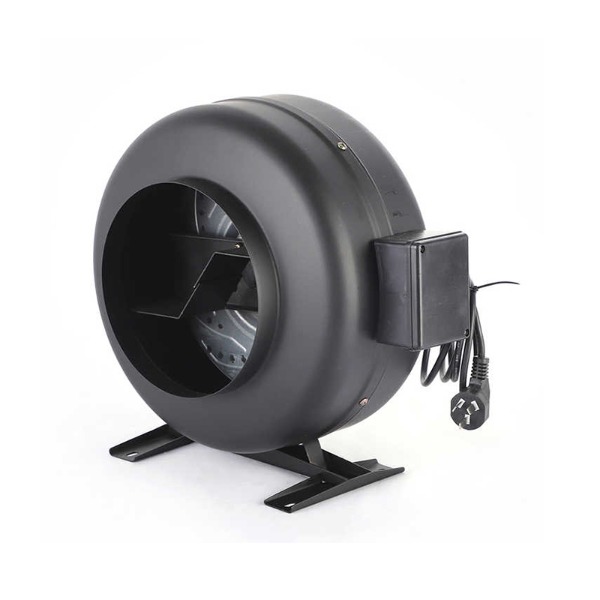
Whether a portable unit can stand in for a fixed system depends on several conditions.
These factors interact. A small workspace with a single contaminant source may be served well by one portable unit. A larger space with multiple sources and continuous operation may need a fixed system, with portable units used as supplements rather than replacements.
The duct routing deserves particular attention. Flexible hose is convenient but introduces more resistance than smooth, rigid duct. Longer runs reduce airflow at the intake. A portable unit rated for a certain air volume may deliver less at the point of capture if the duct is long or bends sharply.
Several limitations shape how portable equipment performs in practice.
Flexible ducting adds resistance. A smooth, straight run allows air to move freely. Bends, corrugations, and length all reduce the volume that reaches the intake. The effect is cumulative, and a unit that performs well with a short duct may lose capacity with a longer one.
Floor space and clearance are required around the unit and along the duct route. In a crowded workshop, the hose becomes an obstacle, and the unit occupies a spot that could be used for other purposes. Careful routing reduces the problem but does not eliminate it.
Mobility means the unit is only where it is placed. A portable fan serves the area it faces. If the work moves, the unit must move with it. If the operator forgets to reposition it, the area that needs ventilation may not receive it.
Capacity limits relate to the volume of the space. A portable unit works well for localized capture. It does not exchange the air in a large workshop the way a fixed system does. The rest of the space may remain without general ventilation.
Exhaust routing must still reach a safe discharge point. Whether the unit exhausts through a window, a door, or a dedicated opening, the air leaving the space must go somewhere that does not create a new problem. Recirculating units with filtration address this differently, but they require filter maintenance and do not remove all contaminant types.
Reliance on operator attention is a practical consideration. Fixed systems run automatically. Portable units require someone to position them, turn them on, and adjust them as conditions change. In busy environments, that attention may not always be available.
Long‑term cost across multiple units can exceed the cost of a single fixed installation. One portable unit may be affordable. Several units needed to cover a space, each requiring maintenance and replacement over time, present a different calculation.
Noise from high‑speed operation affects the workspace. A unit running at high output produces sound that may interfere with communication or add to existing noise levels. Placement away from work stations helps, though it also increases duct length.
Local exhaust leaves the rest of the workshop without general air exchange. Heat, humidity, and airborne particles that are not captured at the source remain in the space. A fixed system addresses the whole volume rather than a single point.
The choice between fixed and portable is not always either‑or. Many workshops use both, with each handling the role it performs well.
Portable units alongside fixed systems provide localized capture where the fixed ductwork does not reach. A welding station in a corner of the shop, a paint booth added later, or a temporary work area can each have a portable unit while the fixed system handles general ventilation.
Baseline ventilation with portable support is a common arrangement. The fixed system runs continuously at a level that maintains general air quality. When a task generates more contaminants than usual, a portable unit adds capacity at that location. The fixed system does not need to be sized for peak conditions, and the portable unit does not need to run continuously.
Portable units where fixed ductwork does not extend fill gaps in the building's coverage. Older buildings, additions, and repurposed spaces often have areas that the original ventilation design did not address. Portable equipment serves those areas without requiring new ductwork.
Seasonal use matches equipment to demand. A workshop that operates at high capacity during one period and lightly during another can use portable units during peak times and rely on the fixed system at other times.
Adjusting the balance as needs change keeps the arrangement practical. A workshop that adds a new process may need additional local exhaust. One that reduces operations may not need the same capacity. Reviewing the mix of fixed and portable equipment periodically keeps the ventilation strategy matched to actual conditions.
A Portable Duct Fan can serve in some roles that a fixed system fills. For localized exhaust at a specific work station, temporary tasks, and areas where fixed ductwork does not reach, a portable unit provides ventilation without the installation work that a fixed system requires.
Replacement of a full fixed system depends on conditions. Air volume, duty cycle, layout, power availability, and regulatory requirements all influence whether a portable unit can take over. Where continuous whole‑space ventilation is needed, a fixed installation remains the appropriate approach.
A Workshop Ventilation Fan installation offers continuous coverage, integration with building systems, and consistent performance without operator attention. Portable equipment offers flexibility, localized control, and the ability to adapt as conditions change. Each has a role.
Matching the approach to the actual demands of the workspace is the practical path. Localized tasks suit portable equipment. Whole‑space ventilation suits a fixed system. Many workshops find that a combination of both covers more situations than either approach alone.
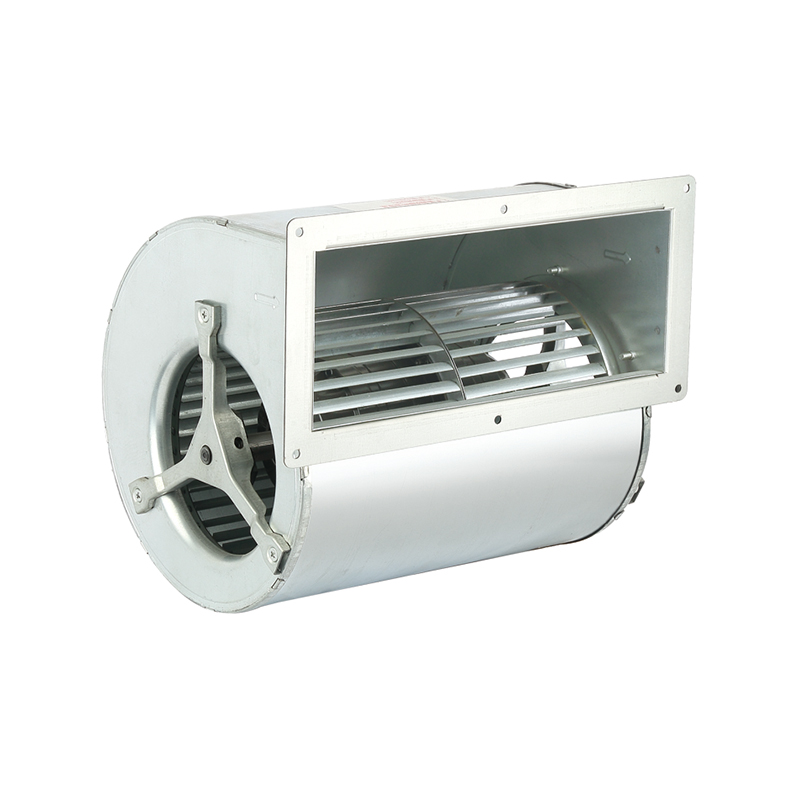
The DKT-133 Cooling Ventilation Double Inlet Air Conditioning Fan is d...
See Details
The DKT-146 Multi-Function Variable Frequency Double Inlet Air Conditi...
See Details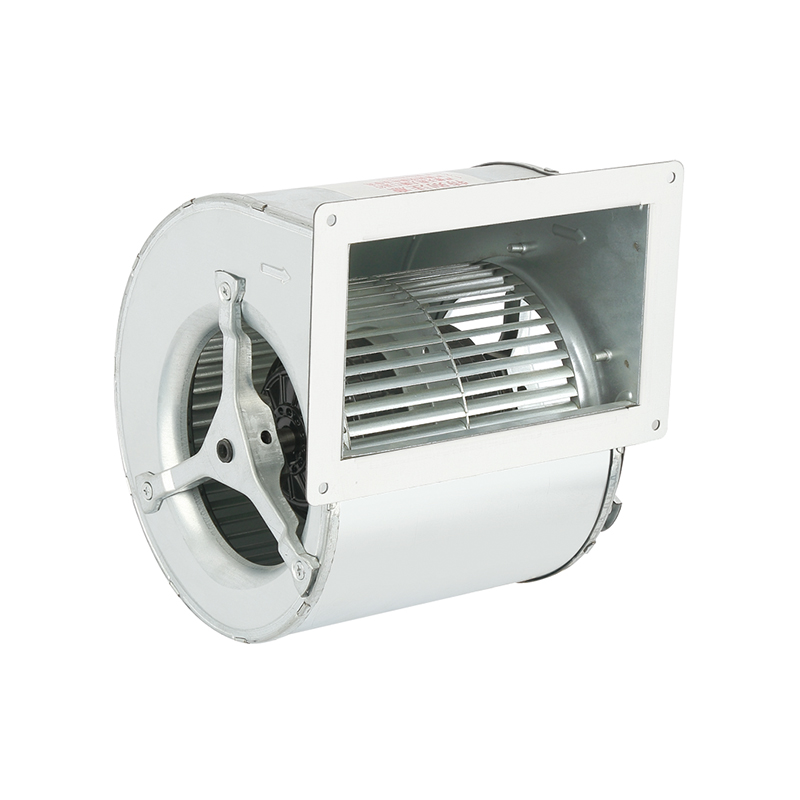
The DKT-160 Heat Dissipation Exhaust Double Inlet Air Conditioning Fan...
See Details
The DKT-180 Tilt Back Cool Down Double Inlet Air Conditioning Fan, a s...
See Details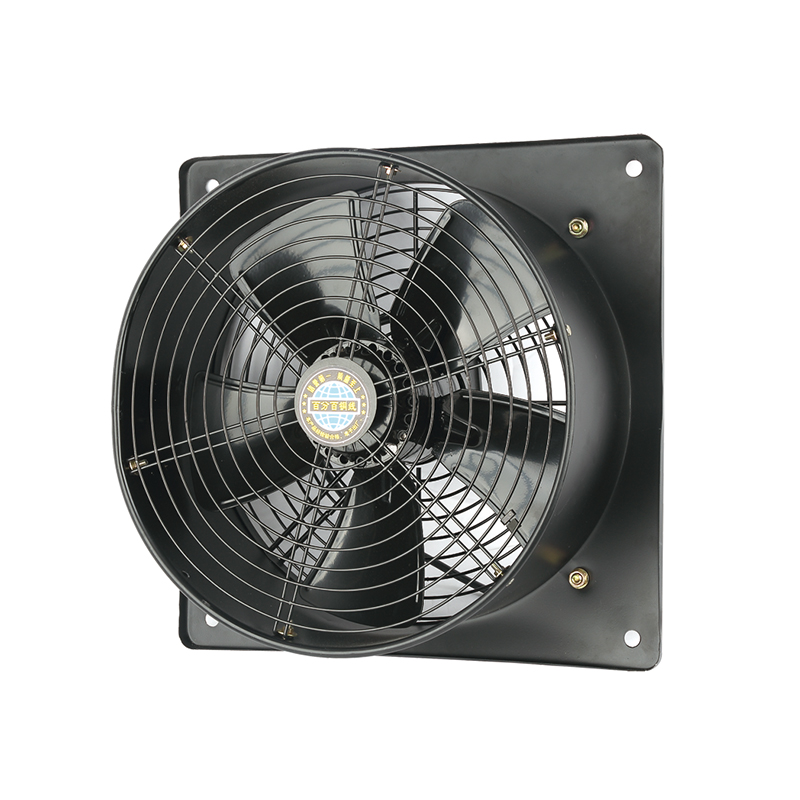
The YWF-400-2D2E Efficient Square form Axial fan is designed with a fo...
See Details
The YWF-350-2D2E Low noise Square form Axial Fan is designed with a co...
See Details
The YWF-350-4D4E Low vibration Square form Axial Fan is a outstanding ...
See Details
The YWF-400-4D4E Durable Square form Axial Fan is designed with advanc...
See Details
Qinlang focuses on providing high-quality products and considerate services, and is committed to meeting every expectation of our customers.
© Zhejiang Qinlang Electromechanical Co., Ltd.
Fans And Air-Cooling Equipment Factory
