 English
 русский
 عربى
عربى Español
Qinlang focuses on providing high-quality products and considerate services, and is committed to meeting every expectation of our customers.
The DKT-133 Cooling Ventilation Double Inlet Air Conditioning Fan is d...
See Details
A box fan mounted on a wall and a blower unit tucked inside a furnace closet handle airflow in completely different ways, and that difference traces back to fan structure. Axial and centrifugal fans both push air, but the path that air takes through each design changes how well they handle ductwork, filters, and tight equipment spaces.
A simple attic vent moving fresh air across an open space faces different demands than a fan pulling air through a filter bank, several duct bends, and a grille before it reaches a room. Resistance along that path — narrow openings, filter mesh, sharp turns — changes how a fan actually performs once installed, even if it tested well on a spec sheet.
Physical space plays into this too. Some jobs call for a fan mounted flush against a wall or roof opening, moving air in a straight shot. Others need the airflow to bend into a duct run that snakes through a mechanical room or ceiling cavity. Where the fan sits, which way it faces, and how much room a technician needs for servicing all factor into the layout.
Planning usually comes down to weighing several things together:
A fan that slots neatly into an available wall opening might still struggle if it's paired with the wrong kind of airflow path. Matching fan structure to the actual air route matters more than picking based on size or how it looks in a catalog.
A window‑mounted box fan illustrates the basic idea behind axial fans — air comes in one side, passes straight through the spinning blades, and exits the other side along roughly the same line. That structure shows up often in garage ventilation, warehouse cooling, and equipment rooms where air needs to move across open space.
A High CFM Axial Fan gets used where shifting a large volume of air quickly matters more than pushing through tight resistance — a barn needing fresh air circulation, or server racks that need heat pulled away fast are common examples. The straightforward path works well as long as air has room to move without much obstruction.
Once ductwork, filters, or sharp bends enter the picture, conditions shift. An axial fan pushing against that kind of resistance won't move air the same way it does in open space — output can drop noticeably once the path narrows.
Placement still matters even in open settings:
For jobs where air travels a fairly direct route — attic vents, cooling fans mounted on equipment, open‑space ventilation — axial fans tend to fit naturally. Resistance becomes the deciding factor once the setup involves more enclosed routing.
The blower behind a car's dashboard vents offers a useful comparison for how a centrifugal fan works — air gets pulled in toward the center of a spinning wheel, then flung outward and redirected through the housing before it exits. That turn in direction is what lets these fans push air through ductwork, filters, and bends that would slow an axial fan down considerably.
This structure fits naturally into furnace systems, dust collection setups, and any layout where air has to travel through a maze of ducts before reaching its destination. The housing itself does a lot of the work, guiding air toward a specific discharge point rather than letting it shoot straight through.
Equipment room layout often depends on this discharge direction. A furnace tucked into a small mechanical closet might need the outlet angled a particular way to connect with existing ductwork, while a larger mechanical room offers more room to adjust the fan's orientation.
A few practical distinctions stand out:
Airflow numbers on a spec sheet only tell part of the story — what happens once that fan gets connected to real ductwork, filters, and bends tells the rest. A fan that seems to move plenty of air in an open test setup can behave quite differently once bolted into a furnace system with three duct turns and a filter in the way.
| Comparison Area | Axial Fan | Centrifugal Fan |
|---|---|---|
| Airflow Direction | Follows the shaft line | Redirected inside the housing |
| Typical Air Path | Fairly direct | Guided through housing curves |
| Open Ventilation | Common fit | Depends on the setup |
| Duct Resistance | Needs close attention | Generally handles it better |
| Installation Layout | Straight‑line path | Outlet direction needs planning |
Resistance builds up from several places at once — a narrow duct section, a dusty filter overdue for replacement, a sharp 90‑degree bend, even equipment sitting too close to the fan's inlet. Each one chips away at how much air actually reaches its destination.
Choosing between these two fan types means looking past the airflow number alone. The route that air has to travel — ducts, filters, bends, open space — shapes which structure actually holds up in day‑to‑day use.
A wall opening leading straight outside gives an axial fan a fairly uncomplicated path to work with. Ductwork changes that equation — a centrifugal fan connected to a duct run needs its outlet positioned and angled correctly before anything else about performance matters.
Surrounding hardware limits things further. Panels, filters, brackets, and protective grilles all take up space around a fan, and a tight mechanical closet can leave barely enough room to reach the unit for a quick inspection, even if the fan itself slides into the opening without trouble.
Airflow direction ties directly into physical layout. Axial fans work along a straight line, so inlet and outlet need to line up without obstruction on either side. Centrifugal fans bend the airflow inside the housing, which means the discharge point has to be planned as part of the layout rather than treated as an afterthought.
A few things worth checking before mounting anything:
Service access matters just as much once the fan is running. Dust builds up, debris gets pulled in, and moving parts wear down over time. A fan wedged into a spot with no room to open a panel or reach a filter turns routine maintenance into a bigger job than it needs to be.
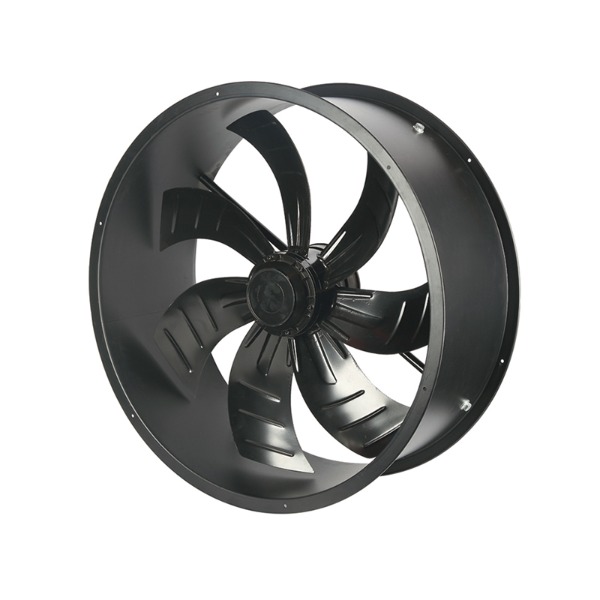
Looking at how air actually needs to move in a given space tells you more than comparing spec sheets side by side. A warehouse floor, a barn, or a server room with open airflow across a wide area tends to work well with a straightforward axial setup, provided nothing downstream adds much resistance.
A High CFM Axial Fan fits situations where air needs to move across an open area or straight through a wall opening — cooling a workshop, ventilating a poultry barn, or exhausting heat from equipment racks are common examples. These setups share one trait: air isn't fighting its way through much besides open space.
Centrifugal fans handle a different kind of job. Furnace systems, dust collection lines, and any setup where air travels through several duct sections before reaching its destination tend to favor this design, since the housing is built to push through that added resistance.
| Application Condition | Axial Fan Consideration | Centrifugal Fan Consideration |
|---|---|---|
| Open Area Ventilation | Fits a direct airflow layout | Depends on how the system is built |
| Equipment Cooling | Works well for direct airflow | Better suited when ducting is involved |
| Ducted Exhaust | Resistance needs a closer look | Fits many ducted setups |
| Air Exchange | Handles broad movement well | Depends on pressure and duct layout |
| Restricted Installation | A straight path can help here | Outlet direction needs planning |
Sound and power draw shift depending on what a fan is working against. Spinning blades, motor load, turbulence in the airstream, and resistance from the surrounding system all play into how a fan sounds and how hard it works during normal operation.
An axial fan pushing air across an open room runs under different conditions than a centrifugal unit forcing air through several duct bends. As resistance climbs, the motor works harder, which tends to show up in both energy use and the sound coming off the unit.
Environment shapes maintenance needs more than the fan type does on its own. A woodworking shop generates fine dust that settles fast; a coastal installation deals with moisture that a dry inland space never sees. Both situations call for different attention, regardless of whether the fan is axial or centrifugal.
A maintenance routine worth following on a regular basis:
A blocked inlet or a filter overdue for cleaning changes how a fan performs even when every mechanical part is working fine. For a High CFM Axial Fan, keeping that airflow path clear carries extra weight since the whole design depends on air moving through with little interruption. Centrifugal setups need the same attention paid to ducts, filters, and discharge points along the way.
Picking a fan starts with tracing the actual air path rather than reading a product description. How much air needs to move, what resistance sits along the way, where the fan physically goes, and what conditions it operates in — these factors narrow the choice before brand or price ever comes up.
The job itself narrows things further. Moving air straight through a wall opening calls for a different setup than pushing air through a network of ducts feeding several rooms. Cooling a piece of equipment sitting in open air is a different challenge than exhausting fumes through a filtered duct system.
A working process for narrowing down the choice:
The gap between axial and centrifugal designs comes down to airflow direction, resistance handling, and how each fits into a physical layout. A High CFM Axial Fan suits setups built around direct, relatively open airflow, while centrifugal units handle situations where air has to change direction and push through added resistance along the way.
Taking the time to walk through these points before installation cuts down on mismatches later — a fan that looks right on paper but fights the system it's connected to tends to cause more problems than it solves.
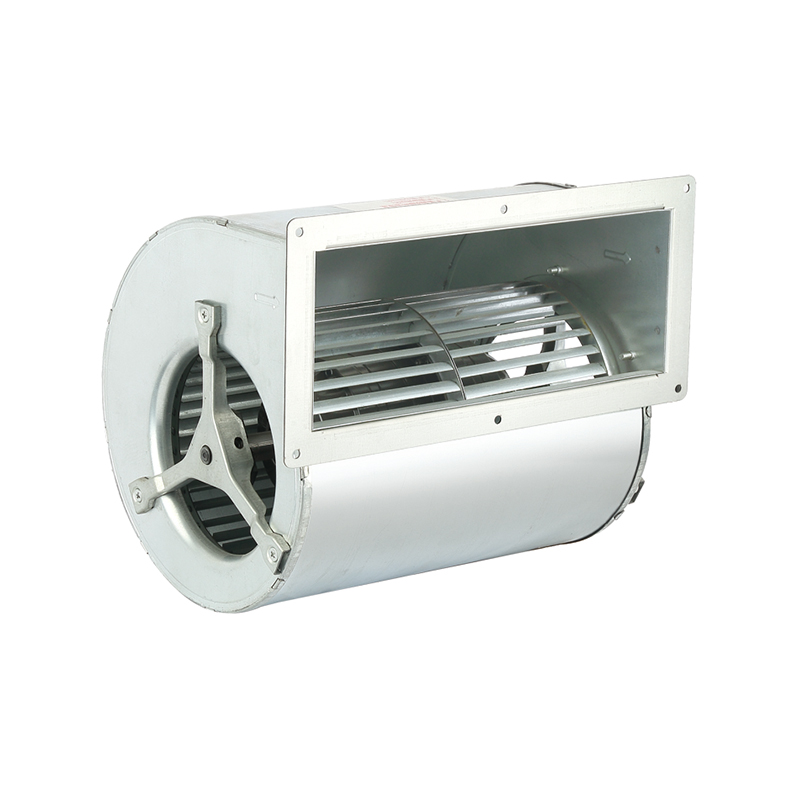
The DKT-133 Cooling Ventilation Double Inlet Air Conditioning Fan is d...
See Details
The DKT-146 Multi-Function Variable Frequency Double Inlet Air Conditi...
See Details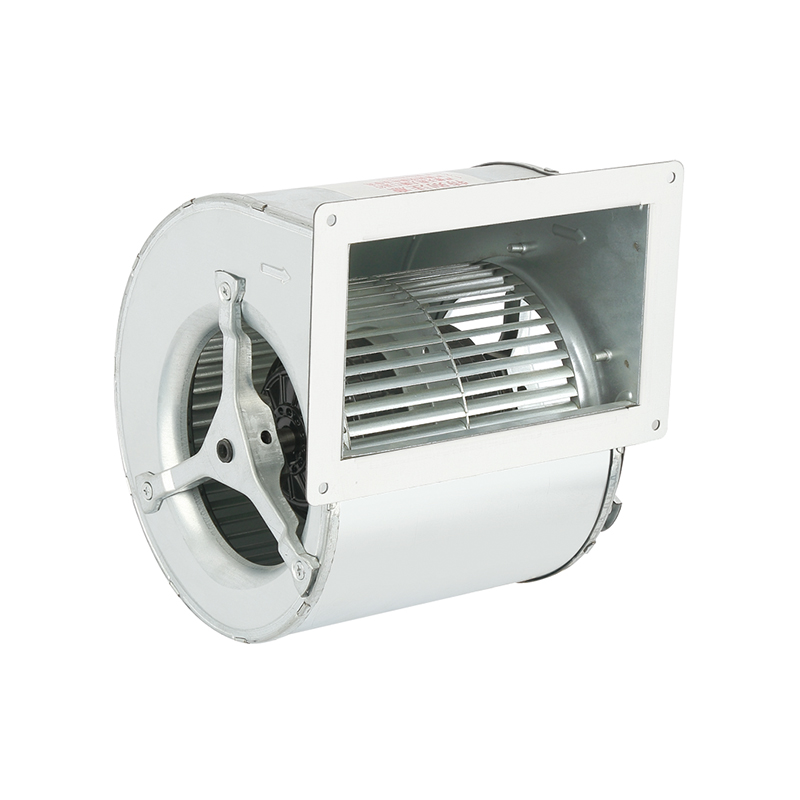
The DKT-160 Heat Dissipation Exhaust Double Inlet Air Conditioning Fan...
See Details
The DKT-180 Tilt Back Cool Down Double Inlet Air Conditioning Fan, a s...
See Details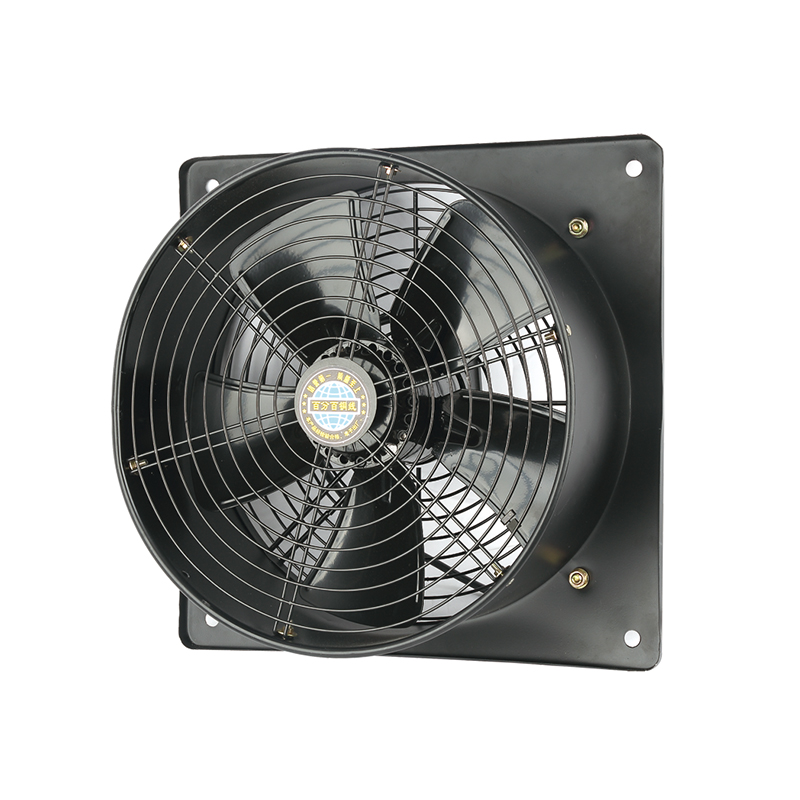
The YWF-400-2D2E Efficient Square form Axial fan is designed with a fo...
See Details
The YWF-350-2D2E Low noise Square form Axial Fan is designed with a co...
See Details
The YWF-350-4D4E Low vibration Square form Axial Fan is a outstanding ...
See Details
The YWF-400-4D4E Durable Square form Axial Fan is designed with advanc...
See Details
Qinlang focuses on providing high-quality products and considerate services, and is committed to meeting every expectation of our customers.
© Zhejiang Qinlang Electromechanical Co., Ltd.
Fans And Air-Cooling Equipment Factory
