 English
 русский
 عربى
عربى Español
Qinlang focuses on providing high-quality products and considerate services, and is committed to meeting every expectation of our customers.
The DKT-133 Cooling Ventilation Double Inlet Air Conditioning Fan is d...
See Details
Air movement inside a workshop can look simple from the outside. A fan runs, air begins to move, and the room feels less stuffy. In an actual production space, however, moving air is only part of the job. What matters just as much is where that air comes from, which areas it passes through, and where it finally leaves the building.
Production activities can release heat, moisture, dust, odors, and other unwanted substances into the surrounding air. Without a clear path toward an exhaust point, those substances may remain around the work area or travel into other parts of the building. A fan may create noticeable air movement while still failing to move contaminated air out of the space.
Airflow direction therefore becomes an important part of ventilation planning. A suitable path brings cleaner air toward occupied areas and moves used air toward an appropriate outlet. Equipment position, openings, internal structures, and work processes all affect how that path works in practice.
A workshop rarely contains air with the same condition everywhere. One area may contain a heat‑producing machine, another may handle dusty materials, while a separate section may be used for assembly or storage. Workers can also move between these areas throughout the working day.
Air should not simply circulate around all of them without a clear purpose. A useful ventilation arrangement gives incoming air a direction and provides an exit route for air that has already passed through the working space.
Consider a production area where a process creates an unpleasant odor. Placing an air‑moving device nearby does not automatically solve the problem. The direction of movement matters. Air pushed toward a nearby workbench could carry the odor toward another worker rather than toward an exhaust opening.
A practical ventilation path usually has three parts:
Problems can arise when one part of that path is missing. An exhaust opening with no suitable replacement air may struggle to draw air through the intended area. An inlet placed too close to an outlet may allow incoming air to leave before reaching the parts of the workshop that need air exchange.
For a Workshop Ventilation Fan, location and direction therefore need to be considered together. Fan operation cannot be separated from the route taken by the air around it.
Air direction becomes particularly important when different workshop areas have different levels of dust, odor, heat, or moisture. Allowing air from a relatively clean area to move toward a more contaminated work zone can help limit unwanted substances from traveling in the opposite direction.
Imagine a workshop containing a material preparation area next to a cleaner assembly space. Air moving from the preparation area toward the assembly area could carry dust across a larger part of the building. A better arrangement would guide cleaner air toward the work process and then move used air toward an exhaust point.
The same principle applies to odors and heat. A cooking‑related production process, chemical cleaning task, or heated manufacturing operation can create a local source of unwanted air conditions. Air entering from a cleaner side and moving toward that source gives the contamination a defined direction of travel.
Such an arrangement also makes it easier to separate work areas according to their air conditions. Areas where people spend longer periods can be protected from air coming directly from a dusty or odorous process.
The key point is not that every workshop needs one fixed airflow pattern. Production methods and building layouts vary. The useful question is whether air leaving a cleaner area is being directed toward a place where contamination is generated, rather than carrying contamination into another occupied area.
Mechanical equipment is not the only factor controlling air movement. Temperature differences inside a workshop can change how air behaves as well.
Heat‑producing machines, heated surfaces, and warm production processes can cause surrounding air to rise. When warm air collects near the upper part of a building, an exhaust opening placed along a suitable path can help remove it. An opening in an unrelated location may leave part of the heated air circulating within the space.
Moisture follows another important path. Washing, cleaning, drying, and some production processes release water vapor into indoor air. Once moisture remains in an enclosed area, it can reach cooler surfaces and contribute to condensation.
Airflow direction can help move moist air away from its source before it spreads through the building. A washing area, for example, may need a clear route toward an exhaust point rather than a fan that simply pushes humid air toward a storage section.
Several conditions can change the actual direction of movement:
A ventilation plan that ignores these conditions may work differently once the workshop is occupied and production equipment begins operating.
Removing air from a workshop does not end with choosing an exhaust location. The destination of that air matters because contaminated air should not easily return through another opening.
An exhaust outlet placed close to an incoming air opening can create a short route between the two. Fresh air may enter and leave again without passing through the intended working area. Meanwhile, another part of the workshop may receive little air exchange.
Pollution sources also need attention. When dust or odor is produced at a particular work station, an exhaust route near that source can reduce the distance that unwanted substances travel through the room. Waiting until contaminated air has spread across the whole space places a greater burden on general ventilation.
For example, a dusty cutting area located beside a clean assembly zone creates a clear reason to consider airflow direction. Air arriving from the assembly side can move toward the dusty process, while exhaust near the process provides a route out. Reversing that movement could carry dust toward workers handling finished components.
A suitable exhaust path should consider:
Good airflow planning is therefore less about placing an outlet wherever wall space is available and more about giving used air a sensible way out.
A workshop may look open on a floor plan while behaving very differently once machines, shelves, worktables, partitions, and stored materials are placed inside. Each object can redirect air or create an area where movement becomes weak.
Large machinery can block air moving across a room. Tall storage racks may split one open space into several smaller air zones. A temporary stack of materials can also change a route that previously worked as expected.
Such changes are easy to overlook because a fan may continue operating normally. Workers may still feel air movement near the equipment, while areas behind machinery receive little circulation.
Placement of a Workshop Ventilation Fan should therefore follow the actual workshop arrangement rather than an empty‑room layout. A position that appears suitable before machinery is installed may create a poor airflow route once production begins.
Work activities also change throughout a day. Equipment may start or stop, doors may open for material handling, and temporary storage may appear near workstations. Each change can affect the movement of air.
A useful layout review asks practical questions:
Fan placement needs to follow the way unwanted air is produced. Dust, heat, moisture, and odors do not all behave in the same manner, so one fixed airflow arrangement cannot suit every workshop.
A heat‑producing machine, for example, may send warm air upward. An exhaust point placed along that natural path can help remove heat before it spreads across the room. Dust from a cutting or grinding process may travel in another direction, especially when machinery or workers create additional air movement around the source.
For work that produces dust or strong odors, air should not be pushed across the source toward occupied areas. A poorly placed fan can make the problem wider by carrying unwanted material away from its original location.
A useful approach is to look at the source before deciding where the fan should go:
A Workshop Ventilation Fan can support general air movement, while local conditions still need attention. A fan positioned in the wrong part of a room may move a large volume of air without moving the unwanted air toward an appropriate exit.
Fan direction also needs to work with incoming air. Exhaust cannot keep drawing air through a room without some way for replacement air to enter. When supply and exhaust paths are poorly matched, part of the room may receive little air exchange even though the fan is operating.
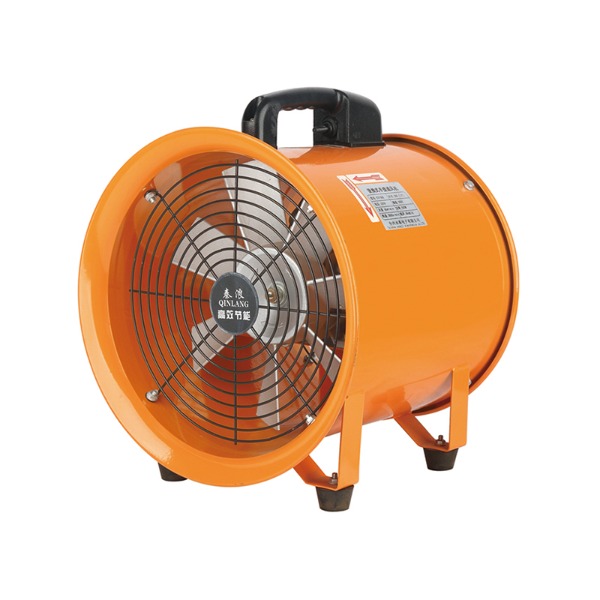
Energy use is also connected with airflow paths. Air that moves through the wrong part of a workshop does not provide the intended air exchange, even when equipment continues to operate.
One common problem is a short airflow route. Incoming air enters through an opening and moves directly toward an exhaust point without reaching the work area. The system is exchanging air, yet part of the workshop receives little benefit from that movement.
Obstructions create another problem. Air passing through a narrow route around machinery or storage may lose part of its intended path. Changes in resistance can alter where air moves and leave some areas poorly ventilated.
Heating and cooling add another layer. When conditioned air leaves a building before reaching the intended occupied area, energy has been spent on air that did not serve its planned purpose. A well‑planned route can reduce unnecessary air movement and help the ventilation and temperature‑control systems work together.
Several practical checks can help identify inefficient airflow:
Efficient ventilation is therefore not simply a question of running equipment for longer. Air needs to travel through the space in a useful direction.
Moisture can become a problem when humid air remains inside a workshop for a long period. Washing areas, cleaning operations, drying processes, and other activities can release moisture into surrounding air.
Once humid air reaches a cooler surface, condensation may occur. Repeated moisture exposure can affect walls, ceilings, stored materials, and equipment. Poor air movement can also leave damp areas behind machinery or inside partially enclosed spaces.
Direction matters because humid air needs a route away from its source. A fan located near a wet process can help move moisture toward an exhaust opening, provided replacement air can enter from a suitable location.
The route should also avoid sending humid air toward storage or cooler parts of the building. Moving moisture from one area to another does not solve the underlying problem.
For a workshop with several production zones, separating moisture‑producing areas from dry storage or assembly areas can make airflow planning easier. Doors, partitions, and exhaust openings can then be considered as parts of one air path rather than separate building features.
A simple moisture‑control approach involves three questions:
Answering those questions can reveal problems that are difficult to notice from fan operation alone.
A ventilation system should be evaluated in the environment where it actually operates. An empty workshop may have a different airflow pattern from a working space filled with machines, materials, people, and open doors.
Visible movement can provide useful clues. Light materials, dust‑free visual indicators, or simple observations around workstations can show whether air is moving in the expected direction. Any testing method used in a workplace should suit the environment and avoid introducing new hazards.
| What to Check | What It Can Reveal |
|---|---|
| Direction from cleaner areas | Whether incoming air reaches occupied zones |
| Movement near pollution sources | Whether unwanted air is being guided toward exhaust |
| Space behind equipment | Possible areas of weak circulation |
| Position of exhaust outlets | Risk of contaminated air returning indoors |
| Worker positions | Possible direct drafts or exposure to unwanted air |
| Moisture‑producing areas | Whether humid air has a clear exit route |
| Doors and windows | Changes caused by uncontrolled openings |
Changes in production layout also deserve attention. Moving a machine, adding a storage rack, closing a partition, or changing a doorway can alter the path that air previously followed.
A Workshop Ventilation Fan may continue to operate normally after such changes, while the airflow around it becomes less suitable. Regular observation of the actual air path can help identify these changes before they become a persistent ventilation problem.
For workshop ventilation, air direction is closely tied to the purpose of the system. Cleaner air needs a sensible route toward occupied areas, while air carrying heat, moisture, dust, or odors needs a route away from people and toward an appropriate exhaust point.
Good ventilation planning therefore begins with the question of movement rather than equipment alone: where should air enter, which area should it pass through, and where should it leave? Once that route is clear, fan placement, openings, workshop layout, and operating conditions can be considered as parts of the same system.
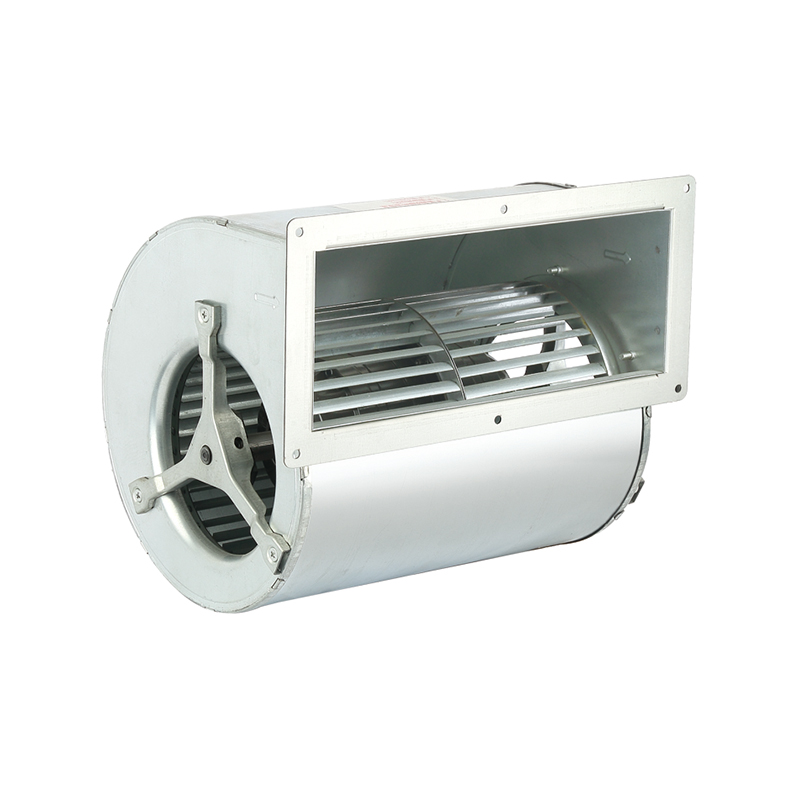
The DKT-133 Cooling Ventilation Double Inlet Air Conditioning Fan is d...
See Details
The DKT-146 Multi-Function Variable Frequency Double Inlet Air Conditi...
See Details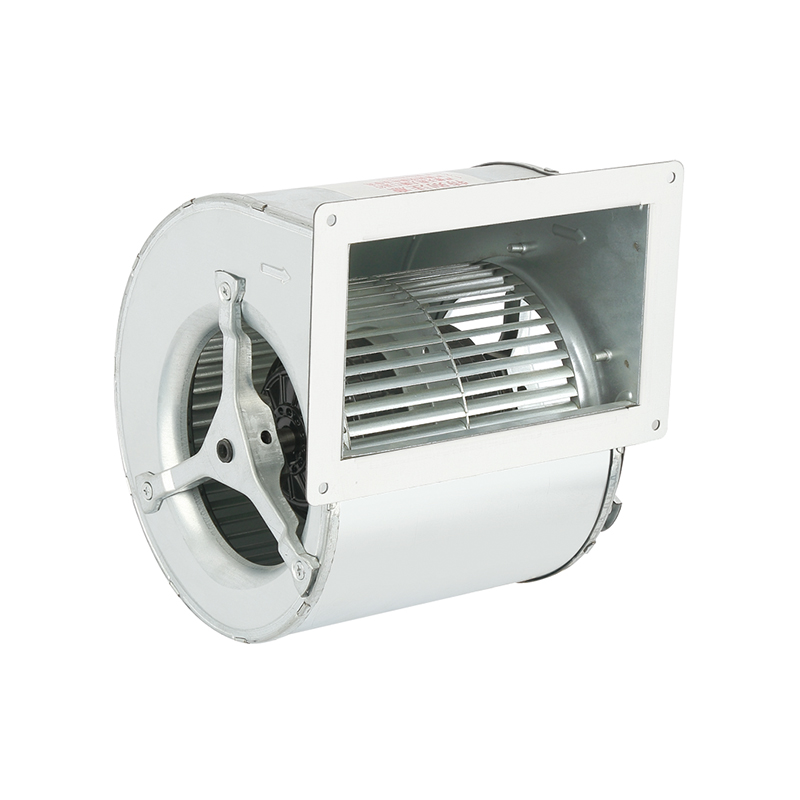
The DKT-160 Heat Dissipation Exhaust Double Inlet Air Conditioning Fan...
See Details
The DKT-180 Tilt Back Cool Down Double Inlet Air Conditioning Fan, a s...
See Details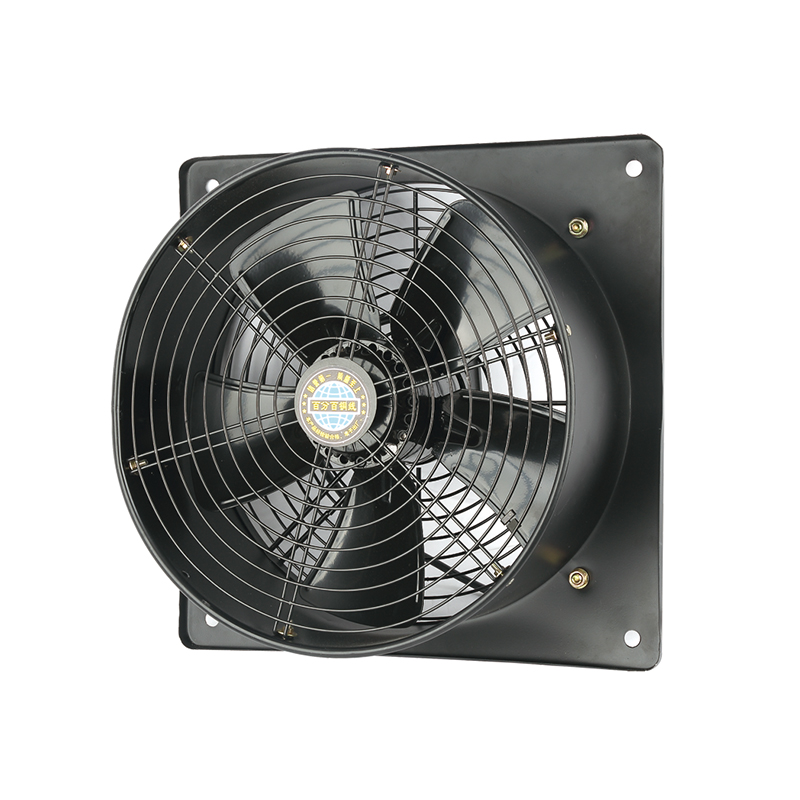
The YWF-400-2D2E Efficient Square form Axial fan is designed with a fo...
See Details
The YWF-350-2D2E Low noise Square form Axial Fan is designed with a co...
See Details
The YWF-350-4D4E Low vibration Square form Axial Fan is a outstanding ...
See Details
The YWF-400-4D4E Durable Square form Axial Fan is designed with advanc...
See Details
Qinlang focuses on providing high-quality products and considerate services, and is committed to meeting every expectation of our customers.
© Zhejiang Qinlang Electromechanical Co., Ltd.
Fans And Air-Cooling Equipment Factory
