 English
 русский
 عربى
عربى Español
Qinlang focuses on providing high-quality products and considerate services, and is committed to meeting every expectation of our customers.
The DKT-133 Cooling Ventilation Double Inlet Air Conditioning Fan is d...
See Details
In today's ventilation planning, the type of fan selected can influence far more than airflow alone. It can shape how efficiently a system runs, how much energy it consumes over the years, and even how pleasant or distracting the indoor environment feels to the people using it. Because of this, engineers, facility supervisors, and building designers repeatedly return to two key questions. One is whether mixed-flow fans genuinely deliver a better combination of low noise and steady efficiency than the familiar axial designs. The other is whether the newer "silent fan" models are capable of holding up in places exposed to constant humidity or harsh industrial conditions. To make sense of these questions, it isn't enough to compare performance numbers. You have to look closely at how each type of fan is constructed, how the airflow path differs from one design to another, and how these mechanical differences play out once the fans are placed in real buildings—buildings with duct bends, temperature swings, dust, moisture, and all the unpredictability that comes with daily operation.
Before comparing the pros and cons of various fan choices, it helps to understand the basic differences between axial and mixed-flow fans—two of the most widely used designs in ventilation systems, and common reference points for products made by a Duct Silent Fan Factory.
| Feature | Axial Fans | Mixed-Flow Fans |
|---|---|---|
| Airflow Direction | Parallel to shaft | Axial entry + angled radial discharge |
| Best Use Case | Low-resistance, simple ducts | Medium–high resistance, complex ducts |
| Noise Level | Higher under pressure | Generally quieter, less turbulence |
| Static Pressure Handling | Limited | Strong performance, more stable |
| Efficiency Range | Narrow; drops quickly | Wider and more consistent |
| Space Requirements | More compact | Slightly larger |
| Installation Cost | Lower | Higher depending on model |
Axial fans are essentially the everyday workhorses of ventilation. You can spot them in home HVAC units, warehouses, and industrial exhaust setups. They move air in a straightforward manner—pushing it parallel to the fan shaft—making them good at delivering high airflow without heavy energy use. Their compact form also makes installation easier in tight mechanical spaces, and they generally require minimal maintenance, which adds to their convenience in routine operations.
However, their simplicity becomes a limitation when the duct design creates higher static pressure or when airflow demands climb beyond the optimal range. Noise levels spike, turbulence increases, and efficiency drops off quickly. A duct system filled with bends, restrictions, or thick filters can turn an otherwise effective axial fan into a loud and inefficient component, sometimes even requiring additional support to maintain consistent airflow and prevent long-term strain on the motor.
Mixed-flow fans take a slightly different approach. They combine features of both axial and centrifugal fans. Air enters along the fan axis but exits at an angled path, picking up some radial motion along the way. This hybrid layout allows them to maintain steady, reliable airflow while handling higher pressures, which makes them a practical middle ground between traditional axial and centrifugal designs. The angled discharge also smooths the air, reducing turbulence and minimizing operational noise, which is particularly helpful in spaces where quiet operation is important.
Many modern ventilation units, including some quieter models made by specialized manufacturers and often developed with insights from a Duct Silent Fan Factory, adopt this design for consistent, low-noise performance. Additionally, these fans usually come with reinforced housings, carefully shaped blades, and precise manufacturing tolerances. These features improve durability, help maintain stable performance even when airflow or pressure conditions fluctuate, and make mixed-flow fans well suited for long or complex duct networks, multi-story buildings, or industrial systems with changing environmental conditions.
Noise and energy efficiency are two qualities that can't be overlooked. A fan that moves plenty of air is of little value if it's uncomfortably loud or wastes electricity.
Still, mixed-flow fans aren't the universal answer. In a simple short duct with minimal resistance, a properly sized axial fan can offer nearly the same efficiency at a lower cost. Mixed-flow models truly shine when static pressure is higher and noise control matters—such as in multi-story buildings or industrial systems with long and complicated duct networks.
Engineers have to consider several practical realities when deciding between axial and mixed-flow fans.
Ultimately, choosing the "right" fan isn't about finding a universally superior model. It's about matching the equipment to the system's specific requirements. This approach is central to how manufacturers tailor products to meet the performance expectations of different building projects.
Industrial spaces pose challenges far beyond humidity—dust, chemical exposure, high temperatures, and constant vibration. Silent fans can be used in these harsh settings, but only when they meet strict durability standards.
Using a generic quiet-rated fan in an industrial zone almost always leads to premature wear, declining performance, and frequent repairs. Any fan intended for factory environments must pair noise-reducing design with genuine industrial-grade toughness—something specialized manufacturers focus on heavily when developing their product lines.
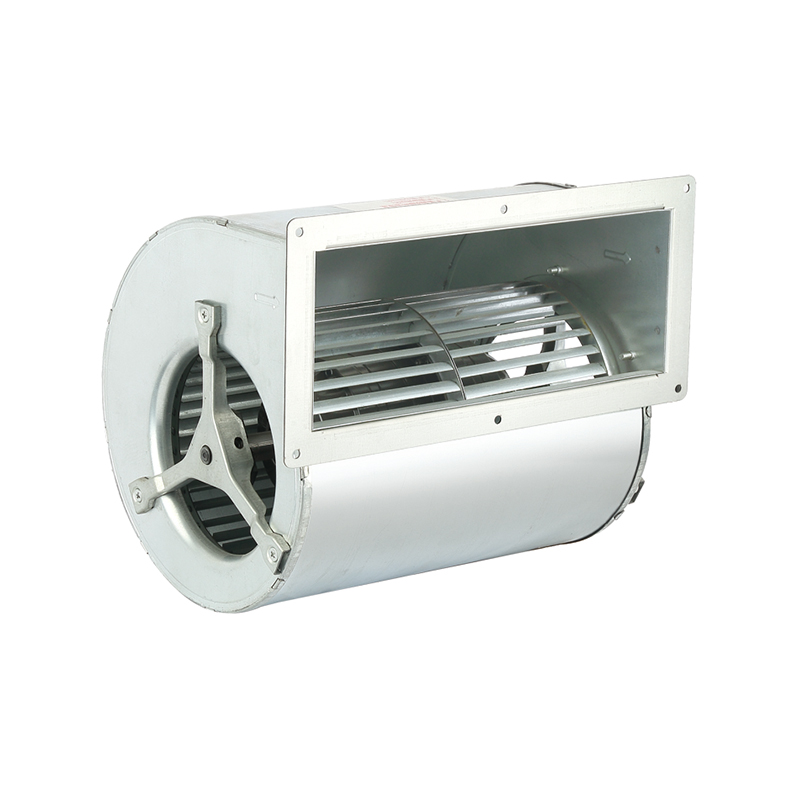
The DKT-133 Cooling Ventilation Double Inlet Air Conditioning Fan is d...
See Details
The DKT-146 Multi-Function Variable Frequency Double Inlet Air Conditi...
See Details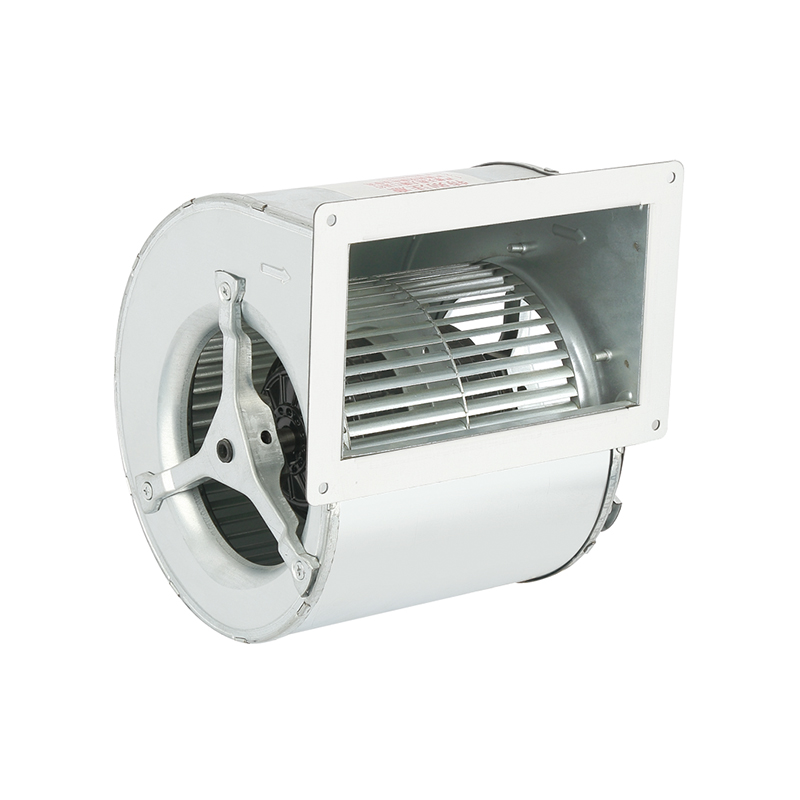
The DKT-160 Heat Dissipation Exhaust Double Inlet Air Conditioning Fan...
See Details
The DKT-180 Tilt Back Cool Down Double Inlet Air Conditioning Fan, a s...
See Details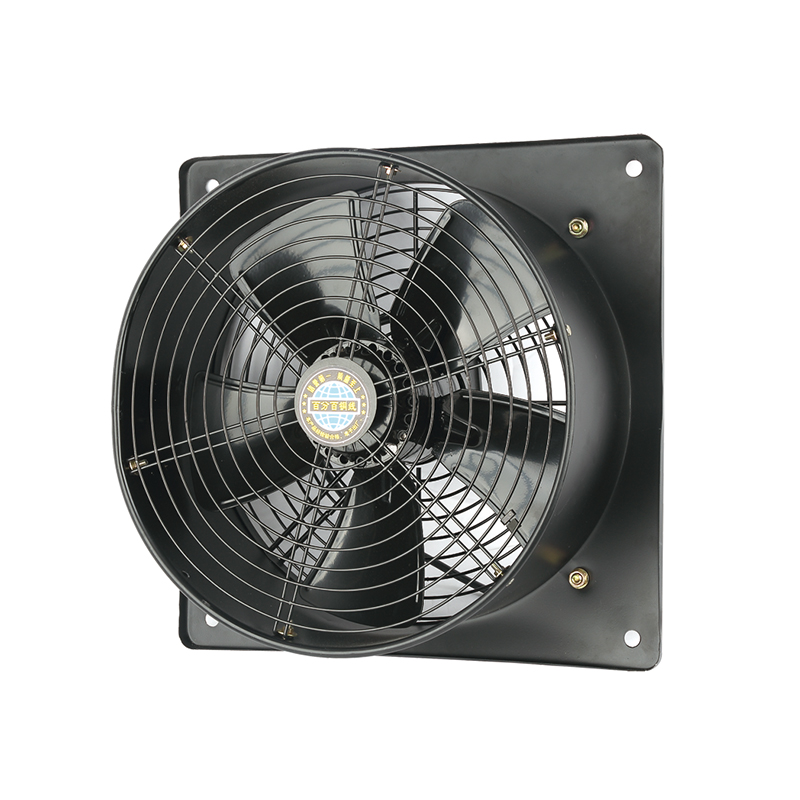
The YWF-400-2D2E Efficient Square form Axial fan is designed with a fo...
See Details
The YWF-350-2D2E Low noise Square form Axial Fan is designed with a co...
See Details
The YWF-350-4D4E Low vibration Square form Axial Fan is a outstanding ...
See Details
The YWF-400-4D4E Durable Square form Axial Fan is designed with advanc...
See Details
Qinlang focuses on providing high-quality products and considerate services, and is committed to meeting every expectation of our customers.
© Zhejiang Qinlang Electromechanical Co., Ltd.
Fans And Air-Cooling Equipment Factory
