 English
 русский
 عربى
عربى Español
Qinlang focuses on providing high-quality products and considerate services, and is committed to meeting every expectation of our customers.
The DKT-133 Cooling Ventilation Double Inlet Air Conditioning Fan is d...
See Details
Portable axial fans don't come from random assembly—they're the product of careful, step-by-step engineering, where every single part is picked out, put through tests, and tweaked to the max to make sure it performs steadily and holds up for years. Motors get a full once-over for torque, how steady they spin, energy efficiency, and how well they handle heat. Engineers calibrate each motor by hand to pump out consistent airflow while keeping noise and power use down. This work involves adjusting spin speed, balancing the motor to cut wobble, and adding heat controls so it runs smoothly even when left on for hours on end. At the Portable Axial Fan Factory, every calibration is written down in detail, so no matter which fan leaves the line, it hits the tough performance marks the team sets.
Quality control is baked into every step of production. Motors, blades, and housings go through wear tests, repeated heating and cooling cycles, and mechanical stress checks. If something's off by more than the acceptable range, the team tweaks the process to keep all fans the same. Mixing precise engineering, good materials, and tough testing makes sure every fan meets its technical specs and works dependably for as long as it's supposed to.
On top of that, tracking performance closely boosts product reliability. Engineers use vibration analysis, noise profiling, and airflow measurement at multiple points in production. The data they collect shows how the fan actually works in real use, guiding small tweaks to design and production over time. This way, every fan doesn't just meet the technical rules—it runs efficiently and consistently for its whole lifespan. Constant checking and small improvements keep quality steady across every single unit.
Manufacturers build production lines to be flexible, so they can meet the unique needs of different markets while keeping quality high. The processes are set up to be adjustable, letting them change motor performance, blade shape, or materials without slowing down overall output. This means fans can be tailored for industrial, home, and specialized uses while staying consistent and reliable no matter the type.
Fans for industrial use are all about moving tons of air, lasting a long time, and staying stable during nonstop operation. Motors are built to run continuously while still being energy-efficient. Housings get reinforced to handle bumps, shakes, and rough use, so the fan holds its shape even in tough factory or construction yard conditions. Parts are designed to keep dust and debris from building up and to stay aligned over time. Vibration-damping mounts and heat management tricks protect the mechanical systems, and tight assembly standards make sure every fan pushes consistent airflow. These design calls guarantee industrial fans work well in hard, messy environments.
Home and outdoor fans focus on being easy to carry, simple to use, and quiet. Materials are chosen to balance strength and lightness, so anyone can move the fan without straining while still knowing it's tough enough to last. Controls are straightforward—no confusing menus—so users can adjust airflow without hassle, and extras like adjustable tilt and modular design make the fan more flexible. Production zeroes in on cutting noise, making the motor run smoothly, and keeping material quality consistent. Ergonomic touches, like where handles are placed and how weight is spread out, make the fan more comfortable to move, so every unit gives a convenient, reliable experience.
Fans for specialized or emergency jobs need to be set up fast, easy to operate, and structurally stable. Modular parts let users put them together or take them apart quickly, and wide, sturdy bases stop them from tipping over. Motors are calibrated to push consistent airflow right away, and every unit goes through strict quality checks to make sure it's mechanically solid and works well. Tests cover airflow consistency, structural strength, and operational reliability, so the fan can be counted on when it matters most—even in chaotic, high-stress situations.
Flexible production systems let the Portable Axial Fan Factory react quickly to changing market needs. Assembly lines are set up to handle changes to motor specs, blade shape, and materials without slowing down output. This adaptability means the team can roll out energy-efficient models, try out different materials, or change product sizes while keeping quality consistent.
Sustainability is now a big part of modern manufacturing. Using recycled plastics, cutting down on excess metal use, and running energy-efficient equipment lowers the factory's environmental footprint without hurting product quality. Production workflows are set up to waste less and work smarter, weaving eco-friendly practices into daily operations. This proves that top-tier engineering and environmental responsibility can go hand in hand.
Quality control processes keep performance steady. Automated inspection tools check motor alignment, blade balance, and airflow throughout production. Data from these checks guides ongoing tweaks, making fans more energy-efficient, quieter, and more reliable. By using real-time feedback to make small improvements, the team keeps standards high and keeps refining their products.
Mixing technical know-how with flexible production lets the factory adapt fast to new performance needs. Engineers can change motor output, blade angles, or materials to meet new standards or market demands while keeping the fan durable and efficient. This approach makes sure fans stay useful and competitive over time.
Portable axial fans are built to work reliably no matter where they're used. Industrial units focus on moving lots of air, being structurally strong, and saving energy. Home and outdoor units prioritize quiet operation, portability, and being easy to use. Specialized units are made for fast setup, mechanical stability, and dependable performance.
| Market Segment | Key Considerations | Design Focus |
|---|---|---|
| Industrial / Construction | High airflow, durability, dust resistance | Reinforced structures, robust materials, stable airflow |
| Residential / Outdoor | Portability, quiet operation, usability | Lightweight materials, ergonomic handles, compact design |
| Specialized / Emergency | Rapid deployment, reliability, simplicity | Modular components, stable framework, easy assembly |
| All Applications | Reliability, adaptability, efficiency | Consistent quality, user-friendly operation, versatile design |
Sticking to consistent design and production rules means all fans keep air flowing steadily, hold up mechanically, and run efficiently. Reinforced structures, precise motor calibration, and careful material choices make performance uniform, while still letting the team tweak designs to meet new technical needs.
Long-term success for fan manufacturers comes down to keeping engineering precise, production efficient, and eyes on market trends. Motors, blades, and structural parts are constantly checked and refined to work better, be quieter, and last longer. Real-time monitoring and quality checks during production make sure every fan hits strict standards. Teams at the Portable Axial Fan Factory oversee these steps, guaranteeing consistency and that fans meet internal and regulatory rules for safety, energy use, and noise.
Today's users care about saving energy, easy maintenance, and simple operation. Fans are built with modular parts so repairs are fast, controls that are easy to understand for convenience, and airflow that's optimized to use less power. Production keeps adding sustainable practices, so the factory stays eco-friendly while making top-performing products.
By mixing engineering skill, adaptable production, and strict quality control, manufacturers make portable axial fans that are reliable, efficient, and versatile. These fans work for industrial, home, and specialized markets, offering steady airflow, structural stability, and user-friendly design.
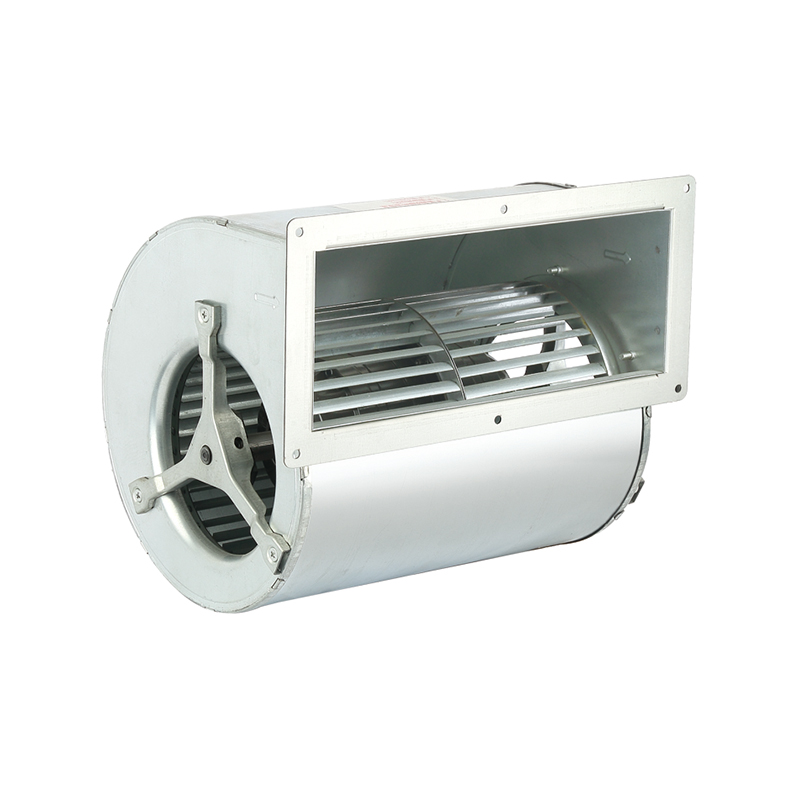
The DKT-133 Cooling Ventilation Double Inlet Air Conditioning Fan is d...
See Details
The DKT-146 Multi-Function Variable Frequency Double Inlet Air Conditi...
See Details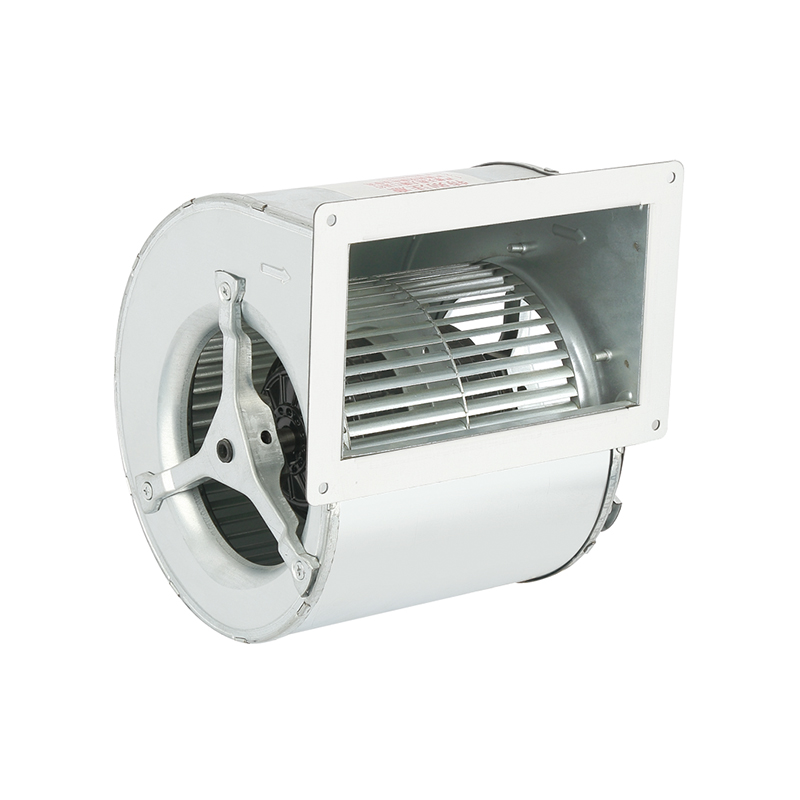
The DKT-160 Heat Dissipation Exhaust Double Inlet Air Conditioning Fan...
See Details
The DKT-180 Tilt Back Cool Down Double Inlet Air Conditioning Fan, a s...
See Details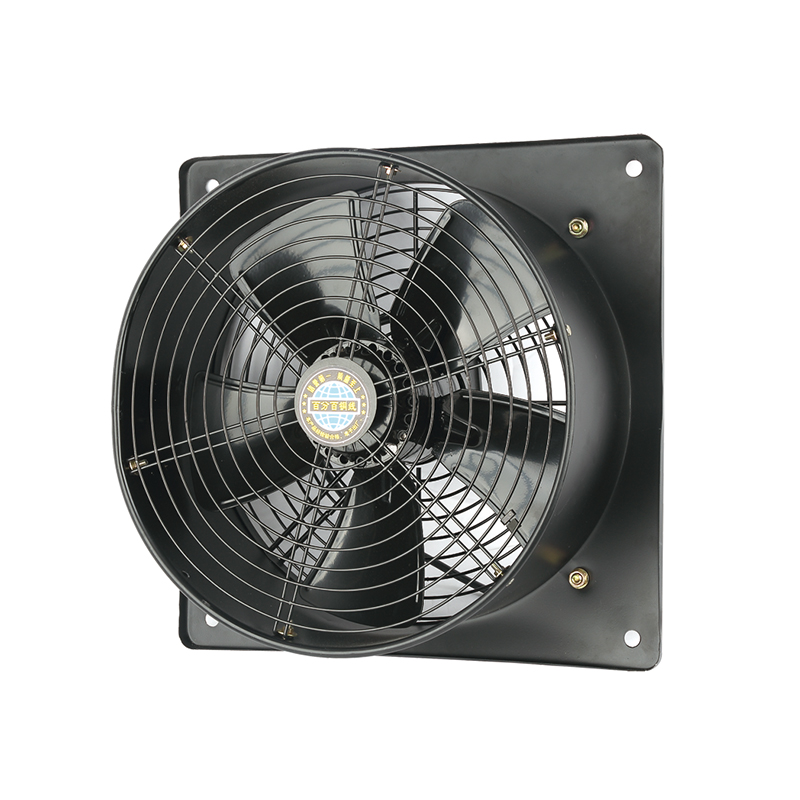
The YWF-400-2D2E Efficient Square form Axial fan is designed with a fo...
See Details
The YWF-350-2D2E Low noise Square form Axial Fan is designed with a co...
See Details
The YWF-350-4D4E Low vibration Square form Axial Fan is a outstanding ...
See Details
The YWF-400-4D4E Durable Square form Axial Fan is designed with advanc...
See Details
Qinlang focuses on providing high-quality products and considerate services, and is committed to meeting every expectation of our customers.
© Zhejiang Qinlang Electromechanical Co., Ltd.
Fans And Air-Cooling Equipment Factory
