 English
 русский
 عربى
عربى Español
Qinlang focuses on providing high-quality products and considerate services, and is committed to meeting every expectation of our customers.
The DKT-133 Cooling Ventilation Double Inlet Air Conditioning Fan is d...
See Details
Square axial fans show up in all kinds of ventilation systems—industrial plants, commercial buildings, and public spaces. They're not just there to move air—they directly affect how steady the system runs, how much energy it uses, how noisy it gets, and how long it lasts. If a fan underperforms or wears out too quickly, you'll notice airflow swings, higher power bills, more noise, and extra maintenance headaches. That's why knowing what to look for in a fan and its supplier is so important. Fans don't work in isolation—they interact with ducts, controls, and other equipment. Getting everything right can make a real difference in efficiency and reliability.
When choosing Square Axial Fan Suppliers, start with quality. A solid supplier isn't just selling fans—they're selling confidence that the fan will keep working. There are four main things to watch: how the fan is built, whether performance is consistent, how vibration and noise are managed, and the supplier's quality control practices.
The construction matters a lot. Blade precision, impeller balance, bearing installation, and casing assembly all affect how smooth the fan runs under heavy loads. Well-made fans spin evenly, reduce vibration and noise, and extend the life of bearings and other parts. Suppliers who invest in good machinery, keep up with new production techniques, and control their process carefully usually deliver better results. Even small improvements, like tighter tolerances on blades or better assembly, make a noticeable difference in airflow stability and energy efficiency, especially when the fan isn't running at full speed.
Performance consistency is key. A reliable fan delivers stable airflow and pressure across its rated range. Suppliers should provide performance curves verified by testing, not just theoretical numbers. If performance varies between units, you could see airflow swings, increased noise, and wasted energy. Check how a supplier tests fans and whether they have repeatable, documented methods. This tells you how much you can trust the fan to perform as expected.
Vibration and noise tell you a lot about build quality. Too much vibration wears out bearings quickly and can cause early failure. Noise often points to imbalance or airflow inefficiencies. Top-quality fans address this with well-shaped blades, precise balancing, and optimized airflow paths. Even small tweaks—like the gap between blades and casing or the angle of the blades—can noticeably reduce noise and vibration while keeping efficiency high.
A supplier's quality system says a lot about reliability. Companies following recognized standards like ISO track production closely, inspect products, and follow up after shipment. They have process checks, end-of-line tests, and periodic audits. A strong system reduces mistakes in production, shipping, and installation, so the fan performs reliably once it's installed.
| Indicator | What to Check | Why It Matters |
|---|---|---|
| Blade alignment | Blade angle tolerance | Keeps airflow stable and reduces vibration |
| Impeller balance | Balanced during production | Protects bearings and reduces noise |
| Material durability | Corrosion and wear resistance | Extends lifespan |
| Testing | Airflow and pressure tests | Ensures consistent performance |
Energy efficiency isn't just about cost—it affects how well your system runs and how green it is. To compare fans, consider design, system matching, and motor efficiency.
A fan only runs efficiently if it suits the system. Each fan has a performance curve showing airflow vs. pressure. Matching the curve to the system ensures the fan mostly operates where it's efficient. Running at partial load too often wastes energy and can cause uneven airflow. Don't forget the whole system—ducts, bends, and branches all impact fan load and efficiency.
Most energy is used by the motor. High-efficiency motors use less power and produce less heat, helping bearings last longer. Some suppliers offer variable frequency drives (VFDs) or smart motor controls that adjust fan speed based on demand. This saves energy, reduces mechanical stress, and extends fan life. Picking a motor that suits the load also prevents wasted energy.
How air flows through the fan matters. Blade shape, angle, and casing design affect smoothness. Optimized designs reduce turbulence and backflow, letting the fan move more air for the same energy. Many suppliers now use CFD or other design tools to improve airflow. Good airflow design also cuts noise and vibration, making the system more comfortable and stable.
| Factor | What to Look For | Benefit |
|---|---|---|
| Motor | High efficiency | Saves energy and money |
| Aerodynamics | Optimized blades and flow paths | Moves more air, less noise |
| Load matching | Correct sizing | Avoids energy waste at partial load |
Materials are critical. Fans spin fast and may face harsh conditions, so the right materials reduce maintenance and last longer.
Impellers handle centrifugal forces, friction, and sometimes heat or corrosion. Strong steel, wear-resistant alloys, or corrosion-resistant materials improve durability. Lightweight materials reduce stress on bearings, helping the fan stay balanced and smooth. Material choice impacts durability, airflow stability, and efficiency.
Casing and support frames must handle vibration, corrosion, and long-term stress. Reinforced structures and good coatings reduce maintenance and increase lifespan. Proper casing design also prevents vibration from spreading to ducts or buildings, keeping the system quieter and more stable.
Bearings and shafts are key to reliability. Wear-resistant materials, proper lubrication, and precision manufacturing prevent early failure. Suppliers who focus on these parts reduce downtime, lower risk, and keep fans running longer.
Cost matters, but the cheapest option isn't always the best. Think about upfront price versus long-term value.
Total cost includes purchase price, installation, energy, maintenance, and lifespan. Spending a bit more on quality often saves money over time—lower bills, less downtime, fewer repairs.
Some suppliers may offer low prices but cut corners on materials, precision, or guarantees. Reviewing specs, materials, and certifications helps you balance initial cost with reliability.
Suppliers who provide spare parts, technical support, and guidance reduce risk. Easy maintenance and quick response are important for long-term stability. A supplier that stands by their products helps ensure smooth operation for years.
| Cost Factor | What to Check | Long-Term Benefit |
|---|---|---|
| Purchase | Materials and build quality | Slightly higher upfront, lower risk |
| Energy | Motor and controls | Saves electricity |
| Maintenance | Spare parts and support | Less downtime, fewer repairs |
| Lifespan | Bearings, casing, impellers | Maximizes value over time |
Choosing a fan isn't just about the price tag. Look at quality, efficiency, materials, and total cost of ownership. By understanding these factors and choosing reputable Square Axial Fan Suppliers, you can select fans that deliver steady airflow, save energy, require less maintenance, and last longer. With the right selection, your system will stay reliable under all kinds of conditions, giving you peace of mind and long-term value.
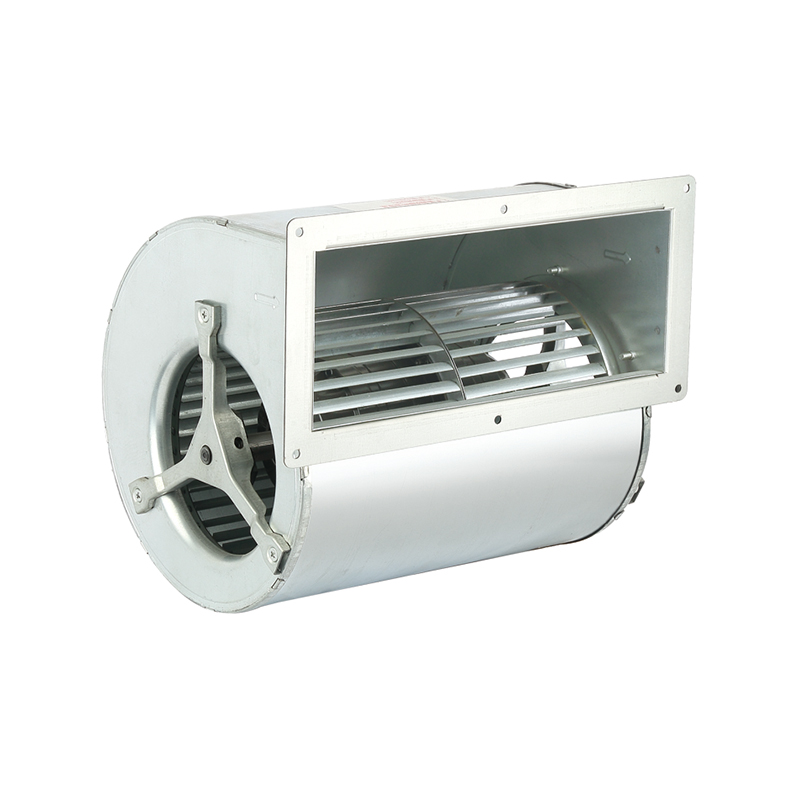
The DKT-133 Cooling Ventilation Double Inlet Air Conditioning Fan is d...
See Details
The DKT-146 Multi-Function Variable Frequency Double Inlet Air Conditi...
See Details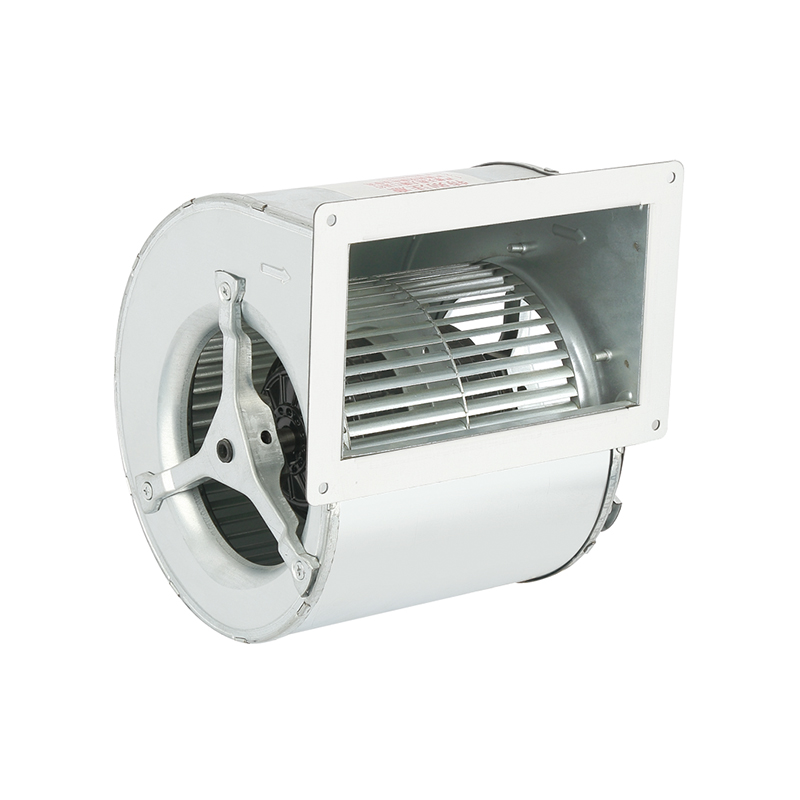
The DKT-160 Heat Dissipation Exhaust Double Inlet Air Conditioning Fan...
See Details
The DKT-180 Tilt Back Cool Down Double Inlet Air Conditioning Fan, a s...
See Details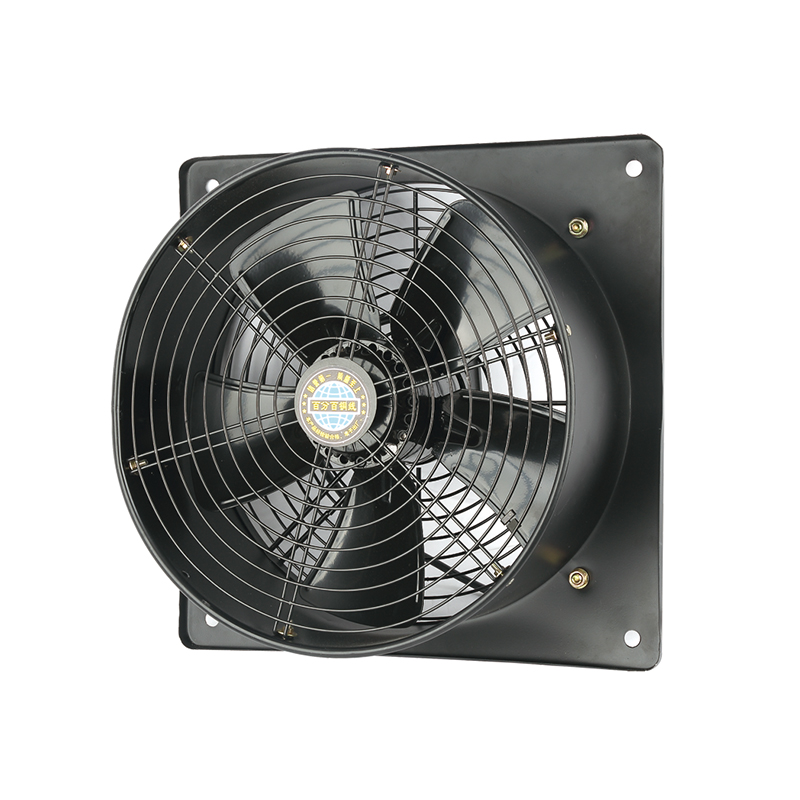
The YWF-400-2D2E Efficient Square form Axial fan is designed with a fo...
See Details
The YWF-350-2D2E Low noise Square form Axial Fan is designed with a co...
See Details
The YWF-350-4D4E Low vibration Square form Axial Fan is a outstanding ...
See Details
The YWF-400-4D4E Durable Square form Axial Fan is designed with advanc...
See Details
Qinlang focuses on providing high-quality products and considerate services, and is committed to meeting every expectation of our customers.
© Zhejiang Qinlang Electromechanical Co., Ltd.
Fans And Air-Cooling Equipment Factory
