 English
 русский
 عربى
عربى Español
Qinlang focuses on providing high-quality products and considerate services, and is committed to meeting every expectation of our customers.
The DKT-133 Cooling Ventilation Double Inlet Air Conditioning Fan is d...
See Details
In many industrial buildings, air does not simply move on its own. Production lines release heat, dust can collect in certain areas, and some processes require controlled ventilation. Because of this, many companies eventually start looking for equipment that can guide air through ducts or ventilation channels. During this search, buyers often begin by contacting a Centrifugal Fan Factory to learn how this type of equipment may fit their system.
However, the first conversation between a buyer and a manufacturer rarely begins with an order. Instead, it usually starts with questions. Engineers, purchasing teams, and project planners want to understand how the fan works, how it is produced, and whether it can operate in their working environment. These questions are not complicated, but they help buyers build a clearer picture before making a decision.
Why centrifugal fans are widely used in factories
Before discussing buyer questions, it is useful to understand why centrifugal fan appear so frequently in industrial facilities.
In many production workshops, air movement plays an important role. Machines generate heat, certain processes release particles, and some environments require continuous airflow to maintain working conditions. Without ventilation equipment, air can remain stagnant in certain areas, which may affect comfort and production stability.
Centrifugal fans are often chosen because their structure allows air to move through systems that include ducts, filters, or dust collection equipment. Instead of simply pushing air forward, the fan draws air inward and then redirects it outward through a rotating impeller.
This design allows the fan to maintain stable airflow while guiding air through connected ventilation systems.
Typical environments where centrifugal fans are used include:
Although each environment has different requirements, the basic purpose remains the same: maintaining controlled air movement inside industrial spaces.
The first thing buyers usually ask about
When buyers visit a manufacturer website or contact a factory, the first question is often quite simple. They want to know what type of fan is suitable for their environment.
Instead of asking about specific technical values, many buyers begin by describing their situation. For example, they might explain that their workshop produces dust during cutting or grinding processes. Another company may mention that warm air accumulates near certain machines.
From there, the discussion turns toward whether a centrifugal fan can guide that air through ducts or ventilation channels.
Manufacturers usually respond by asking a few basic questions about the working environment. These conversations help determine whether the equipment can be integrated into the existing system.
Questions about the structure of the fan
Another topic buyers often bring up is the structure of the equipment itself. Even people who are not engineers usually want to understand what the fan looks like internally.
A centrifugal fan normally includes several key components.
| Main part | General purpose |
|---|---|
| Impeller | Rotates to move air outward |
| Casing | Directs airflow through the fan |
| Inlet section | Allows air to enter the fan |
| Outlet section | Guides air toward ducts or open areas |
| Drive assembly | Transfers motion from the motor to the impeller |
By understanding these parts, buyers can better imagine how the equipment fits into their ventilation system.
This basic knowledge also helps when discussing installation or maintenance later.
Questions about fan design and shape
Visitors sometimes notice that centrifugal fan do not all look the same. Some models have different casing shapes or outlet directions.
Buyers often ask why these differences exist.
In reality, the design of a fan may change depending on the environment where it will be installed. Certain structures guide airflow more effectively through ducts, while others adapt better to limited installation space.
Manufacturers usually explain these design differences in simple terms so that buyers can understand how the fan connects with their ventilation layout.
Rather than focusing only on appearance, the goal is to ensure that the airflow path remains stable within the entire system.
Questions about materials used in the fan
Industrial environments can vary widely. Some workshops handle dry materials, while others deal with moisture, heat, or airborne particles. Because of this, buyers often ask about the materials used to manufacture the fan.
Material selection may depend on the surrounding environment.
For example, a workshop producing fine dust may require surfaces that resist wear. A facility dealing with moisture may need additional surface protection. In certain processing environments, corrosion resistance may also become an important factor.
Manufacturers typically consider these environmental conditions during the design and fabrication stages. Discussing the working environment early helps ensure that the chosen structure can operate steadily in that setting.
Questions about how airflow moves through the system
Another common topic involves airflow direction and movement.
Buyers often want to understand how air enters the fan, where it exits, and how it connects to the surrounding ventilation system. These questions become especially important when the fan must work together with ducts or filtration units.
Instead of viewing the fan as an isolated machine, manufacturers usually discuss how it works as part of a larger airflow system. The design of ducts, the position of filters, and the layout of the workshop can all influence how air travels.
Because of this, airflow discussions usually involve the entire ventilation structure rather than only the fan itself.
Questions about installation
Space planning is another important issue for industrial equipment. Buyers frequently ask whether the fan can be installed within the available area in their facility.
Typical installation questions may include:
These discussions help avoid complications during installation.
When both sides understand the installation environment clearly, planning becomes easier for engineers and project managers.
Questions about maintenance and inspection
Since ventilation equipment often operates for extended periods, buyers naturally think about maintenance as well.
During early discussions, they may ask how internal parts can be inspected and whether routine cleaning is easy to perform.
Dust collection systems, for example, may require periodic cleaning to keep airflow channels clear. Access points within the fan structure can make this process easier for maintenance teams.
Manufacturers usually design the equipment with these practical considerations in mind so that inspection can be carried out without complicated procedures.
Questions about how fans are manufactured
Visitors to a factory website are often curious about the manufacturing process. They want to understand how raw materials eventually become a finished fan.
Although every manufacturer organizes production slightly differently, the general process may involve several stages.
Each stage contributes to the final structure of the fan. Explaining the production flow helps buyers gain confidence that the equipment is built within an organized manufacturing environment.
Questions about quality inspection
Quality inspection is closely related to manufacturing. Buyers often ask how the factory confirms that each fan is ready for use before shipment.
Factories usually conduct inspections at different stages of production. These checks help confirm that components align correctly and that the assembled structure operates smoothly.
Instead of relying on a single inspection step, many manufacturers examine the equipment throughout the production process. This approach allows potential issues to be identified earlier.
Questions about transportation and packaging
Once manufacturing is complete, buyers often turn their attention to delivery preparation.
Industrial fans may travel long distances before reaching the installation site. Because of this, packaging plays an important role in protecting equipment during transportation.
Manufacturers usually secure key components and protect exposed areas so that the fan arrives in suitable condition for installation.
Clear communication about shipment preparation helps avoid unexpected problems when the equipment reaches its destination.
Questions about real factory applications
Another topic buyers frequently raise is how centrifugal fans are used in real industrial settings.
Understanding practical applications helps them visualize how the equipment may operate in their own facility.
| Industrial environment | Purpose of airflow |
|---|---|
| Manufacturing workshops | Removing warm air or airborne particles |
| Dust collection systems | Transporting dust through ventilation channels |
| Storage facilities | Maintaining air circulation |
| Processing plants | Supporting exhaust airflow |
| Equipment areas | Improving air movement around machines |
Why these conversations help both sides
When buyers ask these questions, they are not simply gathering information about a product. They are also exploring how cooperation with the manufacturer may work.
These discussions allow the factory to understand the buyer's working environment and the challenges faced in that facility. At the same time, buyers gain a clearer picture of how the equipment is designed and produced.
This exchange of information helps both sides communicate more effectively during project planning.
A practical approach to selecting ventilation equipment
Choosing ventilation equipment for an industrial project often requires careful consideration. Airflow systems influence working conditions, equipment operation, and overall facility management.
By asking questions about structure, materials, manufacturing processes, and installation conditions, buyers can better evaluate whether a centrifugal fan suits their project.
Manufacturers also benefit from these conversations because they gain a clearer understanding of how their equipment will be used.
Industrial ventilation systems play an important role in many working environments. When companies begin searching for airflow solutions, they often start by contacting a Centrifugal Fan Factory to explore possible equipment options.
During these early conversations, buyers usually ask a series of practical questions about fan structure, manufacturing processes, installation conditions, and real world applications. These discussions help them understand how the equipment may operate within their facility.
By providing clear explanations about product design and industrial use, manufacturers can help visitors to their website gain a better understanding of centrifugal fans and the role they play in maintaining airflow across many industrial environments.
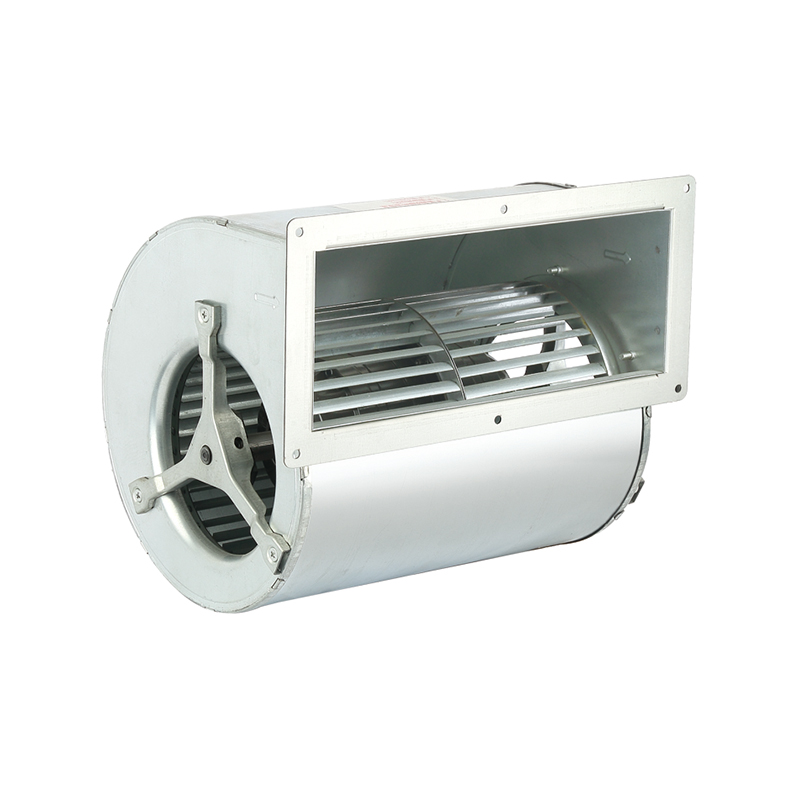
The DKT-133 Cooling Ventilation Double Inlet Air Conditioning Fan is d...
See Details
The DKT-146 Multi-Function Variable Frequency Double Inlet Air Conditi...
See Details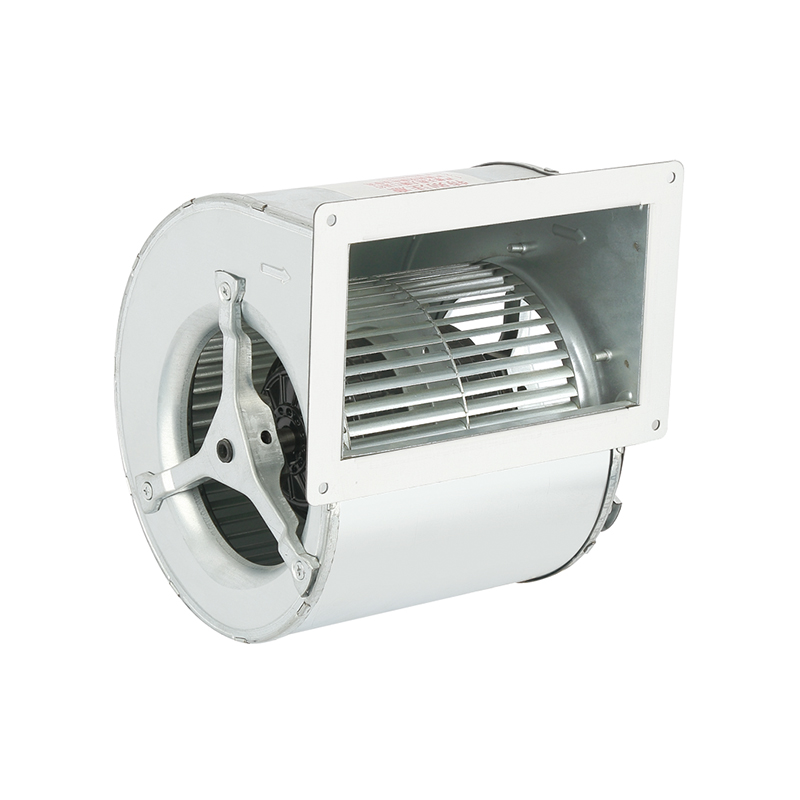
The DKT-160 Heat Dissipation Exhaust Double Inlet Air Conditioning Fan...
See Details
The DKT-180 Tilt Back Cool Down Double Inlet Air Conditioning Fan, a s...
See Details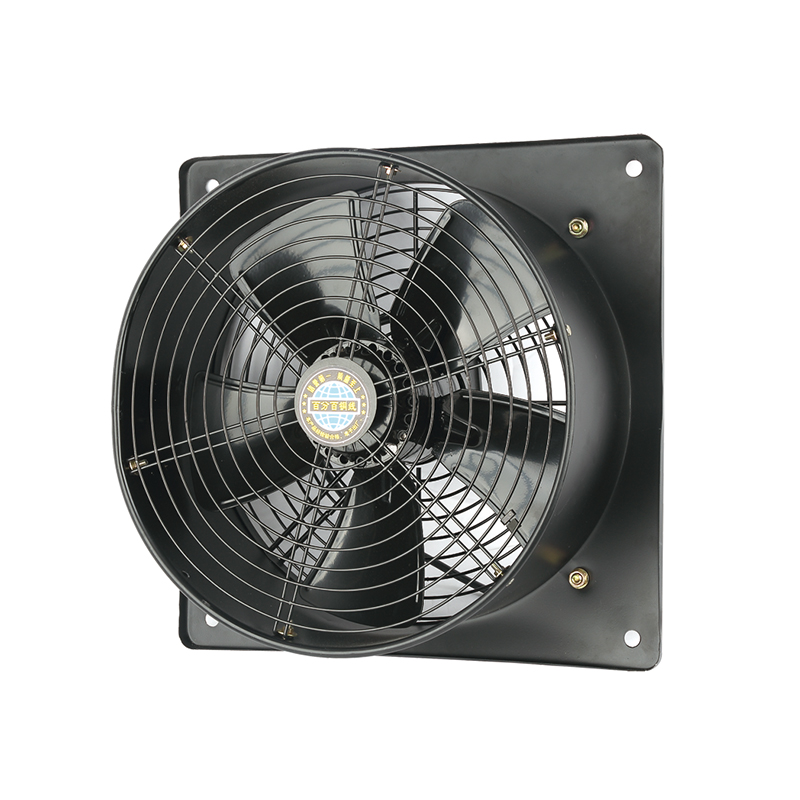
The YWF-400-2D2E Efficient Square form Axial fan is designed with a fo...
See Details
The YWF-350-2D2E Low noise Square form Axial Fan is designed with a co...
See Details
The YWF-350-4D4E Low vibration Square form Axial Fan is a outstanding ...
See Details
The YWF-400-4D4E Durable Square form Axial Fan is designed with advanc...
See Details
Qinlang focuses on providing high-quality products and considerate services, and is committed to meeting every expectation of our customers.
© Zhejiang Qinlang Electromechanical Co., Ltd.
Fans And Air-Cooling Equipment Factory
