 English
 русский
 عربى
عربى Español
Qinlang focuses on providing high-quality products and considerate services, and is committed to meeting every expectation of our customers.
The DKT-133 Cooling Ventilation Double Inlet Air Conditioning Fan is d...
See Details
Good ventilation in modern industrial settings goes way beyond keeping people comfortable. It's essential for protecting worker health, meeting safety regulations, preventing equipment from overheating or corroding prematurely, and keeping production lines running smoothly without interruptions. In practice, very few big ventilation setups rely on only one kind of fan. A common and effective approach is pairing vane axial fans with tube axial fans — their performance profiles complement each other very well. When facility engineers, plant operators, and maintenance teams understand exactly how and why these two types cooperate, they can achieve more consistent airflow, avoid wasting electricity, and maintain stable conditions even in large, complex buildings.
Breaking Down Vane Axial Fan
Vane axial fans (sometimes called guided-vane or vaned axial fans) feature a set of stationary guide vanes either upstream or (more commonly) downstream of the rotating impeller. These vanes straighten out the helical/swirling airflow that naturally comes off the blades, turning it into a more linear, directed stream. That straightening process is what allows vane axial fans to develop significantly higher static pressure than plain propeller-style axial fans without a major drop in overall efficiency.
They become the preferred option in any system that has noticeable resistance to overcome, such as:
You'll frequently spot them in heavy-duty environments like:
Practical advantages they deliver day-to-day:
In most installations, vane axial fans are positioned early in the system — near the fresh-air intake after pre-filters, right after main filter banks, or at mid-points where a significant pressure drop needs to be conquered — so they can deliver strong, controlled push into the rest of the duct network and keep things moving forward.
Breaking Down Tube Axial Fan
Tube axial fans (also called duct axial or cylindrical axial fans) are built inside a round, tubular housing that matches common duct diameters very closely. That snug fit minimizes clearance losses at the blade tips and greatly reduces turbulence compared to fans mounted in square plenums or oversized housings. As a result, they excel at moving air efficiently over medium-to-long straight duct runs with minimal pressure loss along the way.
Key strengths in actual use:
Tube axial fans are typically installed farther along the duct run — in long horizontal or vertical sections, through ceiling plenums or attic spaces, on roof curbs, or close to wall/roof exhaust/supply grilles — where the main job is to keep the air moving steadily without dropping off too much velocity or volume over distance.
How and Why They Complement Each Other So Well
The logic behind combining them is practical and straightforward:
Typical positioning summary:
| Fan Type | Usual Placement in System | Primary Responsibility | Key Benefits in That Role |
|---|---|---|---|
| Vane Axial | System inlet, after filters/coils, at major pressure drops | Overcome significant static resistance | Stable airflow delivery, quieter operation, better flow direction control |
| Tube Axial | Mid-to-end of long duct runs, near final outlets | Sustain efficient transport over distance | Low power use per volume moved, simple integration, easy upkeep |
This staged, complementary approach helps prevent common problems like:
Real-World Applications Where the Combo Shines
Manufacturing & Fabrication Shops
Machines generate heat, dust, welding fumes, or oil mist. Vane axials push air through collection hoods, cartridge filters, or oil-mist eliminators despite the pressure drop; tube axials then transport the treated air along extended roof ducts to high exhaust points or outdoor stacks.
Food Processing & Cold Storage Facilities
Temperature, humidity, and sanitation are tightly controlled. Vane axials handle the resistance of cooling/evaporator coils and final filtration stages; tube axials distribute the conditioned supply air evenly across production floors or pull exhaust from wash-down and packaging areas.
Chemical, Pharma & Hazardous Material Plants
Continuous fresh-air dilution or fume exhaust is mandatory for safety and compliance. Vane axials overcome scrubber media, carbon beds, safety dampers, and complex duct layouts; tube axials ensure steady movement to tall emission stacks or treatment units.
Large Warehouses, Logistics Centers & Distribution Hubs
Vast footprints with high racking and long travel distances. Vane axials establish main trunk lines with adequate pressure; multiple tube axials spaced along branches deliver fresh air to remote aisles or exhaust stale/polluted air from loading docks and receiving areas.
Installation and Maintenance Practices That Keep Things Running Smoothly
Optimization Tactics for Better Efficiency and Reliability
Tangible Benefits Seen in the Field
Illustrative example from a mid-sized metalworking facility: Previously suffered from hot zones near machines, dust buildup in far areas, and consistently high noise. After retrofit — 4 vane axial units at main filter stations + 7 tube axial units spaced along extended duct mains — air velocity became consistent at workstations, perceived noise dropped around 18–22%, power consumption decreased noticeably during normal operation, and routine maintenance windows extended because components were no longer chronically overstressed.
Quick Decision Guide for Specifying the Pair
Vane axial and tube axial fans aren't rivals — they're natural partners in well-designed industrial ventilation. Position vane axials where pressure is the main challenge and tube axials where sustained, efficient movement over distance is needed. Combine them thoughtfully, install them correctly, maintain them diligently, and tune the system over time — and most industrial facilities end up with quieter, more energy-efficient, more reliable ventilation that supports production instead of fighting it every day.
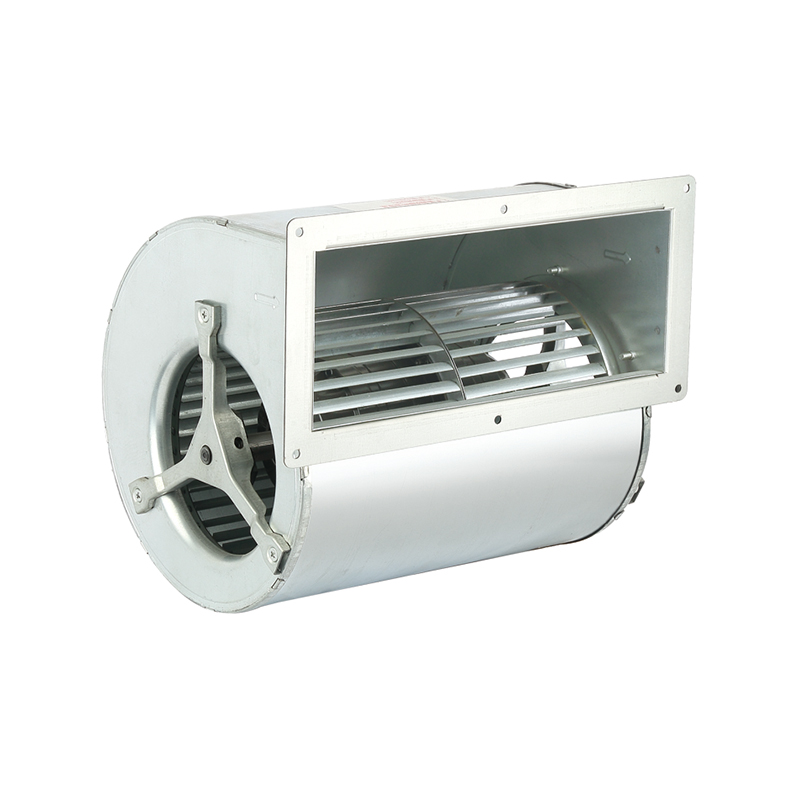
The DKT-133 Cooling Ventilation Double Inlet Air Conditioning Fan is d...
See Details
The DKT-146 Multi-Function Variable Frequency Double Inlet Air Conditi...
See Details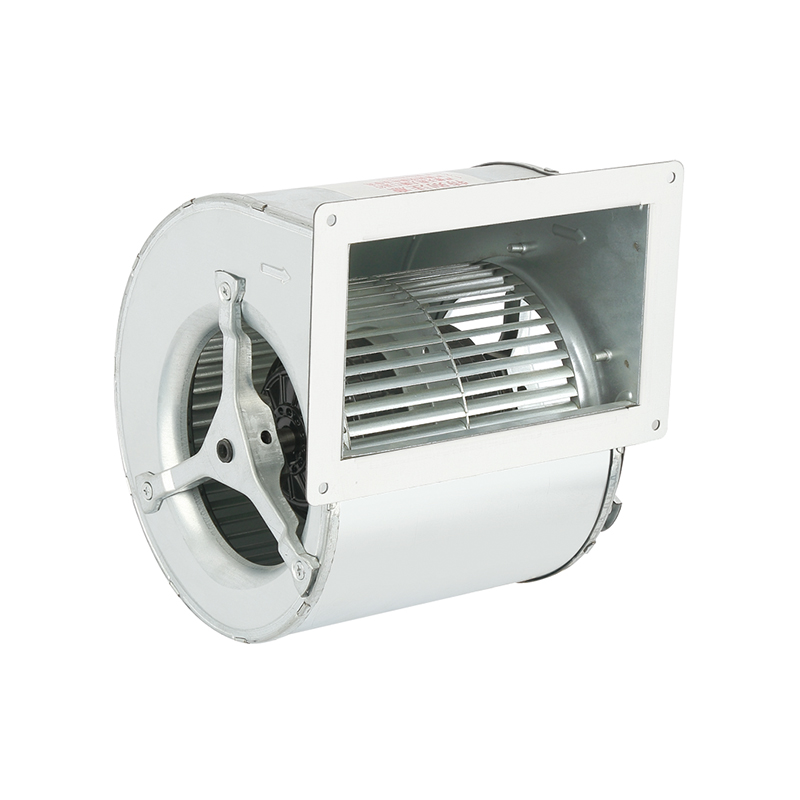
The DKT-160 Heat Dissipation Exhaust Double Inlet Air Conditioning Fan...
See Details
The DKT-180 Tilt Back Cool Down Double Inlet Air Conditioning Fan, a s...
See Details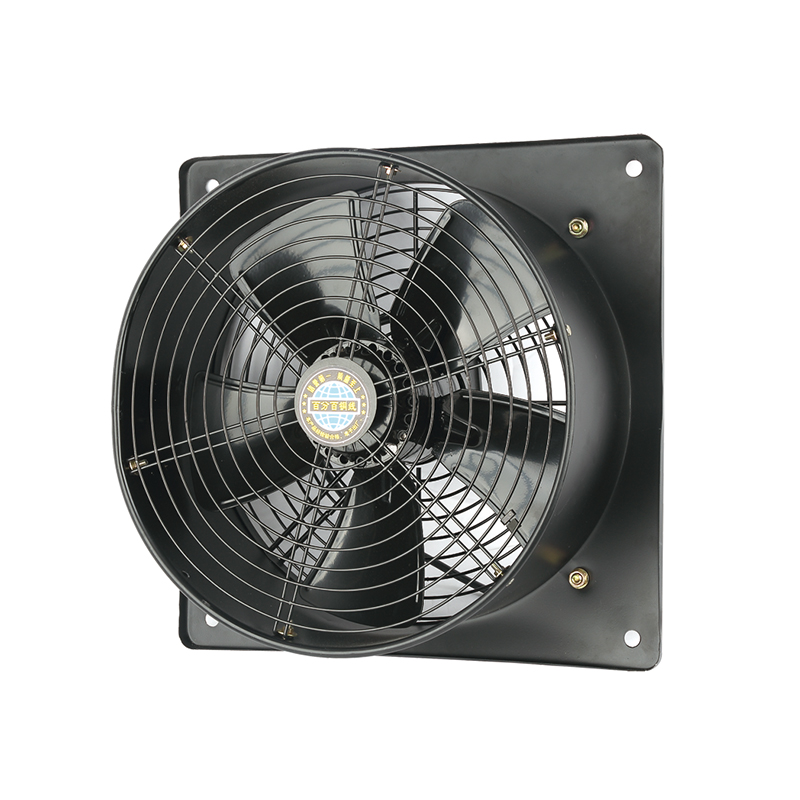
The YWF-400-2D2E Efficient Square form Axial fan is designed with a fo...
See Details
The YWF-350-2D2E Low noise Square form Axial Fan is designed with a co...
See Details
The YWF-350-4D4E Low vibration Square form Axial Fan is a outstanding ...
See Details
The YWF-400-4D4E Durable Square form Axial Fan is designed with advanc...
See Details
Qinlang focuses on providing high-quality products and considerate services, and is committed to meeting every expectation of our customers.
© Zhejiang Qinlang Electromechanical Co., Ltd.
Fans And Air-Cooling Equipment Factory
