 English
 русский
 عربى
عربى Español
Qinlang focuses on providing high-quality products and considerate services, and is committed to meeting every expectation of our customers.
The DKT-133 Cooling Ventilation Double Inlet Air Conditioning Fan is d...
See Details
As you walk across the factory floor, you can easily see how the uneven air flow can have an impact on humans and machines. The air around some of the machines is heavy and hot. In the vicinity of storage, it may feel cold or stagnant. Dust and fumes settle in corners that don't get enough circulation. Such an uneven environment is common in many industrial areas, and it can affect safety, comfort, and equipment performance. Multi stage centrifugal fans provide a practical solution, since they do not just move the air — they control it, step by step, until it reaches every corner.
These fans work differently from single-stage fans or axial fans. Rather than pushing air in one strong burst, a multi stage centrifugal fan uses several impellers mounted along a shaft. With each step, the air pressure is increased. When the air leaves the fan, it moves steadily with sufficient force to travel through long pipes, bends, and filters without losing speed. This method ensures that the air flow is uniform and steady over a large or complex industrial area.
Why Airflow Matters in Industrial Spaces
Bad air flow can lead to many problems. Uneven air can create hot spots around machines, cool air in warehouses, and stagnant areas where dust and smoke settle. Over time, these conditions affect:
Consistent airflow prevents these problems. Multi stage centrifugal fans are designed to provide that balance. They're not just pushing air — they're controlling how it moves through the pipes and around the equipment.
How Multi Stage Centrifugal Fans Work
Think of a multi stage centrifugal fan as a series of soft strokes. The first impeller gives a little boost to the air, the second adds a bit more, and each step goes on until it reaches the proper pressure.
Key features of these fans include:
This combination of control and stability makes them ideal for industrial spaces that require uniform and predictable air flow.
Selecting the Right Fan
Choosing the right fan is not just a matter of specifications — it's also a matter of knowing where the space is and what it needs.
Considerations when selecting a fan:
Based on experience, walking around in space and observing air flow patterns is just as important as reading technical data. You may find that a fan with extra stages is more effective in one corner than in the other.
Installation Tips from the Field
Even the best fan won't perform if installed poorly. Some lessons learned on-site include:
Routine inspections can avoid a lot of problems before they get serious. A build-up of dust on an impeller, a loose bearing, or a clogged pipe may result in a loss of efficiency at the beginning.
Real-Life Examples
Maintenance and Performance Monitoring
Periodic maintenance is essential for smooth operation. Practical steps include:
Monitoring performance can expose inefficiencies. For example, airflow reduction in one region may indicate a blocked pipe or fan stage that needs adjustment. Catching problems early prevents bigger issues.
Energy Efficiency Strategies
While multi stage centrifugal fan may have higher upfront costs than simple fans, they offer long-term energy benefits:
Maintaining adequate ventilation while reducing unnecessary energy consumption is possible. Even small changes in fan speed or airflow can significantly impact long-term power consumption.
Common Challenges and Solutions
Industrial spaces are rarely perfect rectangles. Obstacles such as machinery, storage racks, and uneven ceilings create challenges:
Proactive measures ensure fans operate efficiently for years.
Emerging Trends
Recent improvements in industrial ventilation focus on adaptability and smart controls:
These developments support safe, comfortable, and energy-efficient spaces with minimal manual adjustments.
The right airflow is not just comfortable — it influences safety, equipment lifespan, energy use, and productivity. Multi stage centrifugal fans provide stable pressure, smooth airflow, and adaptability to complex layouts.
By choosing the correct fan, installing it properly, performing routine maintenance, and monitoring performance, operators can improve work environments, protect equipment, and optimize energy use.
In real-world industrial settings, multi-stage centrifugal fans make a tangible difference in operating efficiency and employee satisfaction. They offer a practical, long-term solution for controlled, uniform airflow.
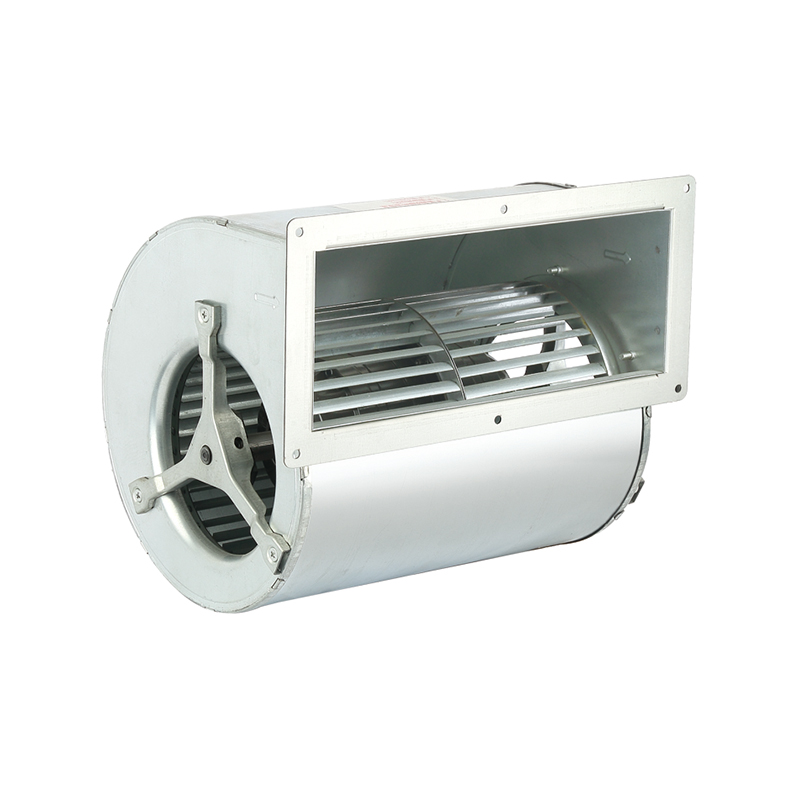
The DKT-133 Cooling Ventilation Double Inlet Air Conditioning Fan is d...
See Details
The DKT-146 Multi-Function Variable Frequency Double Inlet Air Conditi...
See Details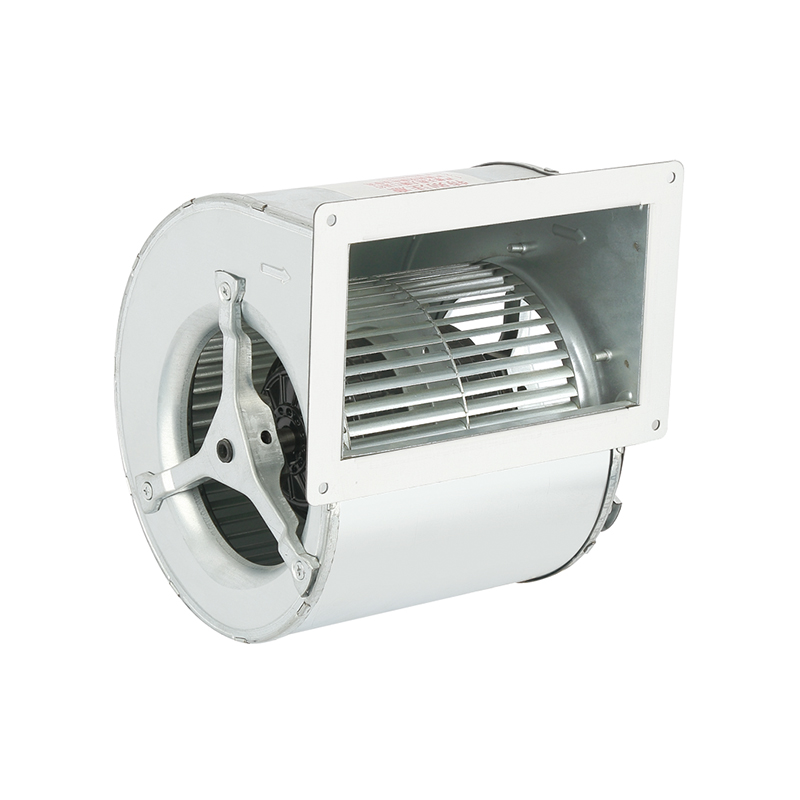
The DKT-160 Heat Dissipation Exhaust Double Inlet Air Conditioning Fan...
See Details
The DKT-180 Tilt Back Cool Down Double Inlet Air Conditioning Fan, a s...
See Details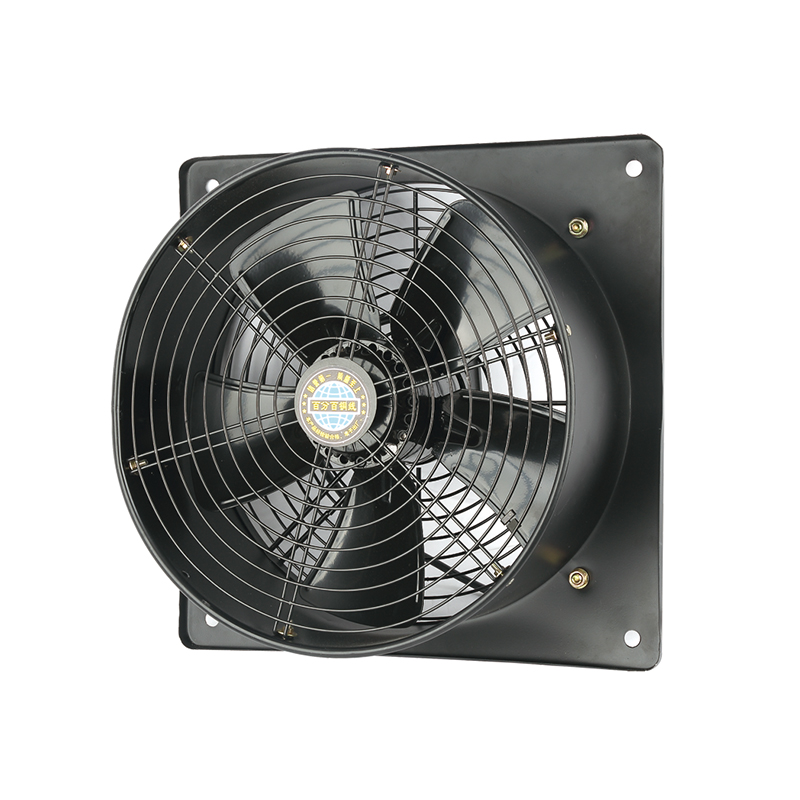
The YWF-400-2D2E Efficient Square form Axial fan is designed with a fo...
See Details
The YWF-350-2D2E Low noise Square form Axial Fan is designed with a co...
See Details
The YWF-350-4D4E Low vibration Square form Axial Fan is a outstanding ...
See Details
The YWF-400-4D4E Durable Square form Axial Fan is designed with advanc...
See Details
Qinlang focuses on providing high-quality products and considerate services, and is committed to meeting every expectation of our customers.
© Zhejiang Qinlang Electromechanical Co., Ltd.
Fans And Air-Cooling Equipment Factory
