 English
 русский
 عربى
عربى Español
Fans help create this movement. A motor provides the driving force that allows the fan to operate. In many ventilation applications, a Centrifugal Fan Motor works with a centrifugal fan to move air through a defined path.
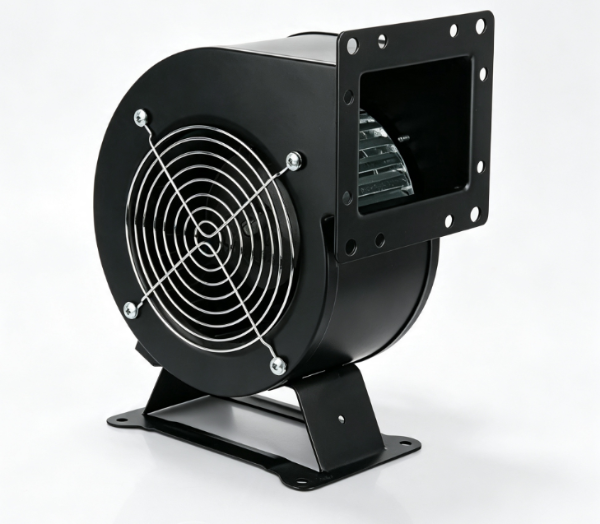

Fans help create this movement. A motor provides the driving force that allows the fan to operate. In many ventilation applications, a Centrifugal Fan Motor works with a centrifugal fan to move air through a defined path.
This arrangement can be found in commercial buildings, industrial facilities, warehouses, workshops, public spaces, and many other environments. The actual design varies according to the purpose of the ventilation system.
Modern ventilation is not simply about moving air from one place to another. The fan and motor need to work as part of a larger system. Ducts, filters, air outlets, dampers, and other equipment can all influence the way the system operates.
For this reason, choosing a Centrifugal Fan Motor requires attention to more than the motor itself. The application, fan design, installation environment, maintenance requirements, and overall system layout all have a role.
A Centrifugal Fan Motor supplies the driving force for the fan. When the motor operates, it allows the fan assembly to rotate and move air through the ventilation system.
The fan and motor therefore have a close relationship. The motor cannot be considered separately from the fan it drives.
In a typical air movement system, air enters the fan assembly and is directed toward the required outlet. The motor keeps the fan operating so that air can continue through the connected system.
The role of the motor can change depending on the application. In a supply ventilation system, it may support the movement of fresh or conditioned air into a building. In an exhaust system, it may drive the fan that removes unwanted air from an indoor space.
It can also be used in equipment that needs continuous air movement. Industrial machinery, air handling equipment, and other systems may depend on fans to move air around a working area.
The motor is therefore an important part of the overall air movement process.
A suitable installation needs the motor and fan to work together. If the motor is not properly matched with the fan, the complete system may not operate as intended. This is why ventilation planning normally considers the motor, fan, and connected equipment as one system.
A centrifugal fan uses a rotating impeller to move air. The motor provides the energy needed for this rotation.
When the motor starts, it drives the fan assembly. The rotating fan draws air into the system and directs it toward the outlet.
The relationship is simple in principle, but the actual application can be more complex. The fan may be connected to ducts, filters, grilles, air treatment equipment, or other components. These parts create the path through which air must travel.
The motor therefore needs to suit the fan and the system around it.
Different centrifugal fan designs may be used for different applications. Blade shape, housing design, airflow direction, and installation arrangement can vary. These differences can affect the way the motor needs to work with the fan.
For buyers, this means that selecting a motor based only on a general motor description may not be enough.
It is useful to understand:
This information helps manufacturers and system designers understand the complete application.
| System Area | Relationship With the Fan Motor |
|---|---|
| Centrifugal fan | Converts motor rotation into air movement |
| Duct system | Determines the path followed by moving air |
| Air filter | Can affect the air path and system load |
| Air outlet | Determines where air is delivered |
| Exhaust section | Allows unwanted air to leave the system |
| Control equipment | Manages how the motor and fan operate |
Looking at these parts together gives buyers a clearer picture of why motor selection matters.
Modern buildings often have more organized ventilation systems than simple natural air openings. Air may need to travel through specific areas before entering or leaving a building.
A centrifugal fan can move air through this type of system. The motor provides the continuous driving force needed to keep the fan running.
This arrangement is useful in systems where airflow needs to follow a defined route. Air may need to pass through ducts, filters, treatment equipment, or other sections before reaching its destination.
Commercial buildings are a common example. Offices, shopping areas, warehouses, hotels, and public buildings may use mechanical ventilation to manage indoor air movement.
Industrial buildings can have even more varied needs. Production areas may require general ventilation. Equipment rooms may need additional air movement. Exhaust systems may be used to remove unwanted air from selected areas.
The motor must be considered in relation to the intended use.
A system designed for occasional operation may have different requirements from one that operates for long periods. Indoor installations may also differ from equipment placed in more demanding environments.
Modern ventilation design also pays attention to maintenance. A fan motor may need inspection, cleaning, adjustment, or replacement during the service life of the system.
An accessible installation can make this work easier. The motor should not be selected without considering how technicians will reach it later.
Centrifugal Fan Motors can be found in many types of ventilation and air handling equipment.
Commercial spaces need air movement to support comfortable indoor conditions. Offices, stores, warehouses, and other facilities may use centrifugal fans as part of their ventilation systems.
The motor drives the fan that moves air through the building's planned air path.
Factories and workshops often have different ventilation requirements in different areas. A production space may need general air exchange, while another area may need exhaust or equipment ventilation.
A centrifugal fan motor can support these different applications when properly matched with the fan and system.
Heating, ventilation, and air conditioning systems use fans to move air. Centrifugal fans may be incorporated into air handling equipment or connected to duct systems.
The motor provides the driving force for this air movement.
Warehouses may require general ventilation across large indoor areas. Air movement can help support the overall ventilation arrangement and prevent air from remaining stagnant in selected areas.
Industrial and commercial equipment may require air movement around operating areas. A centrifugal fan can be used to move air through or around the equipment, while the motor drives the fan.
Some spaces need unwanted air to be removed rather than supplied. Exhaust fans can direct air away from a building or working area.
The motor plays a direct role in keeping this process running.
The application determines the type of motor and fan arrangement required. There is no need to treat every ventilation project as though it has the same operating conditions.
HVAC systems involve several stages of air movement. Air may enter a system, pass through filters or treatment equipment, and then be distributed to different indoor areas.
The fan motor supports this movement by driving the fan.
In an air supply system, the fan may move conditioned air through ductwork toward rooms or other indoor spaces. In a return system, it may help move air back toward the central equipment. Exhaust arrangements use fans to move unwanted air away from selected areas.
The position of the fan can vary. It may be inside an air handling unit or installed as part of a separate ventilation assembly.
The surrounding equipment affects motor selection. A motor used with one fan arrangement may not be suitable for another if the operating conditions are different.
Space planning is also important. The motor and fan assembly need enough room for installation and future service.
Noise can also be a consideration in some buildings. Offices, hotels, public areas, and other occupied spaces may have different expectations from industrial facilities. The fan and motor should therefore be considered as part of the overall environment.
Energy use can also be part of a building's equipment planning. The motor, fan, controls, and operating schedule all influence how the ventilation system is managed.
This is why HVAC projects often require cooperation between equipment manufacturers, engineers, installers, and buyers.
Industrial ventilation can involve a wide range of working conditions. Air may need to move through large spaces, equipment areas, production zones, storage locations, or exhaust routes.
A Centrifugal Fan Motor can support these systems when the motor and fan are selected for the intended application.
One common use is general factory ventilation. The fan moves air through a planned route to support regular air exchange.
Another use is equipment ventilation. Certain machines or enclosed areas may need additional air movement. The fan can become part of the ventilation arrangement around that equipment.
Exhaust applications are also common. Air can be directed away from a production area through a connected duct system.
The installation environment matters in industrial applications. Dust, moisture, heat, cleaning conditions, and other surroundings can affect the selection of the motor and fan.
Maintenance conditions should also be considered. Industrial equipment can be located in areas that are difficult to access. A practical installation should leave enough room for inspection and service.
The motor's connection with the fan is another consideration. Different fan structures can create different installation requirements. Buyers should provide manufacturers with information about the fan, mounting arrangement, operating environment, and intended use.
A manufacturer can then review the application rather than treating the motor as an isolated component.
The right motor depends on the fan and the ventilation system. Buyers should start by defining the application clearly.
The purpose of the fan is an important point. Is it intended for supply air, exhaust air, general ventilation, HVAC equipment, or another application?
The fan design should also be identified. Different centrifugal fan arrangements can have different motor requirements.
Installation conditions matter as well. Indoor and outdoor environments can create different concerns. The available space may also affect the motor mounting and maintenance arrangement.
The connected system should be reviewed. Ducts, filters, outlets, dampers, and other components can influence the operating conditions experienced by the fan and motor.
Maintenance should not be left until after installation. Buyers can consider how technicians will inspect the motor, clean nearby areas, access connections, and replace components when necessary.
Material and construction can also be discussed according to the environment. A motor installed in a clean indoor space may face different conditions from one used in an industrial ventilation area.
Useful questions for a purchasing discussion include:
Clear answers to these questions can make communication with a manufacturer more productive.
Manufacturers play an important role in helping buyers connect motor selection with actual ventilation needs.
A buyer may know the desired application but may not know which motor arrangement is suitable. A manufacturer can review the fan design, system layout, installation conditions, and operating requirements.
Customization may also be relevant. Some ventilation systems have limited installation space or unusual mounting arrangements. A standard motor configuration may not always fit the existing system.
Manufacturers can discuss possible options based on the application. They may also work with drawings, samples, photographs, and equipment information during the selection process.
Replacement projects create another type of demand. An existing centrifugal fan motor may need to be replaced while the fan, ductwork, and other surrounding equipment remain in place.
In this situation, the replacement motor needs to fit the existing arrangement. The buyer may need to provide information about the original installation so that the manufacturer can understand the application.
Long-term maintenance can also influence purchasing decisions. If a facility operates many similar ventilation systems, consistent component supply may help simplify future maintenance work.
Communication remains important throughout the process. A clear description of the ventilation system gives the manufacturer a better basis for discussing motor selection, installation, replacement, and customization.
As ventilation systems become part of more building and industrial environments, the relationship between the fan, motor, and air handling system becomes increasingly important. A Centrifugal Fan Motor is not simply a separate power component. It works as part of a larger air movement arrangement, with its application shaped by the fan design, system layout, installation environment, and maintenance requirements.
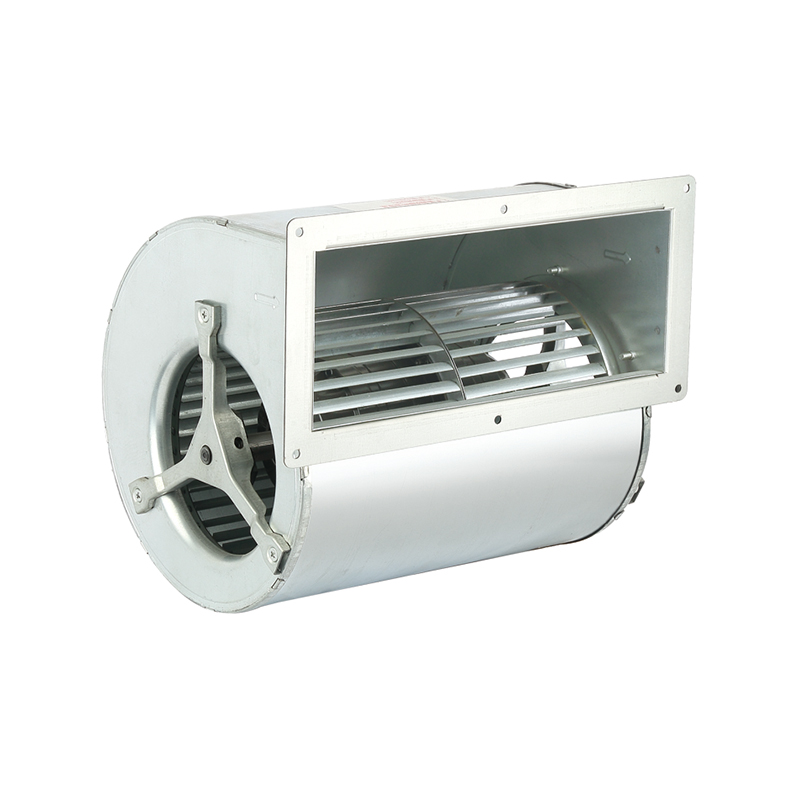
The DKT-133 Cooling Ventilation Double Inlet Air Conditioning Fan is d...
See Details
The DKT-146 Multi-Function Variable Frequency Double Inlet Air Conditi...
See Details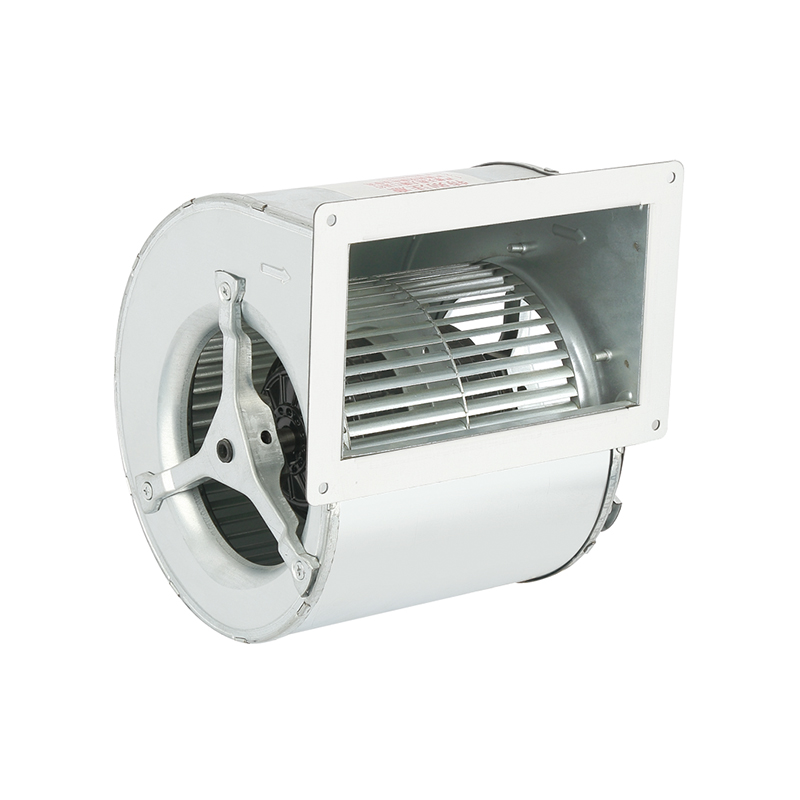
The DKT-160 Heat Dissipation Exhaust Double Inlet Air Conditioning Fan...
See Details
The DKT-180 Tilt Back Cool Down Double Inlet Air Conditioning Fan, a s...
See Details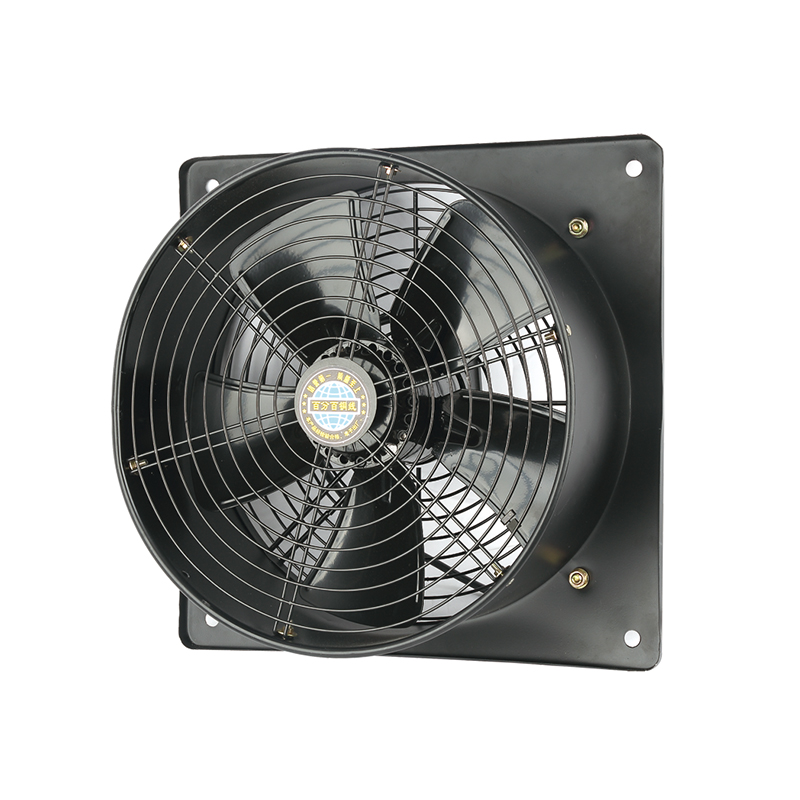
The YWF-400-2D2E Efficient Square form Axial fan is designed with a fo...
See Details
The YWF-350-2D2E Low noise Square form Axial Fan is designed with a co...
See Details
The YWF-350-4D4E Low vibration Square form Axial Fan is a outstanding ...
See Details
The YWF-400-4D4E Durable Square form Axial Fan is designed with advanc...
See Details
Qinlang focuses on providing high-quality products and considerate services, and is committed to meeting every expectation of our customers.
© Zhejiang Qinlang Electromechanical Co., Ltd.
Fans And Air-Cooling Equipment Factory
