 English
 русский
 عربى
عربى Español
Fans are at the center of this process. Different applications call for different fan designs. A system serving a small indoor space may have different requirements from one used in a factory or large commercial building.
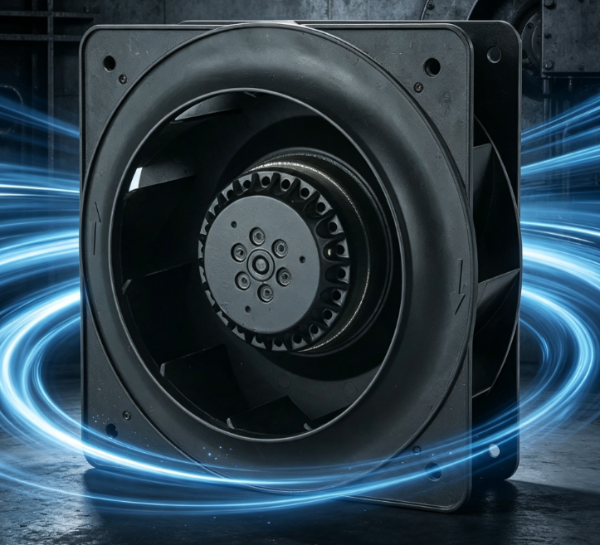
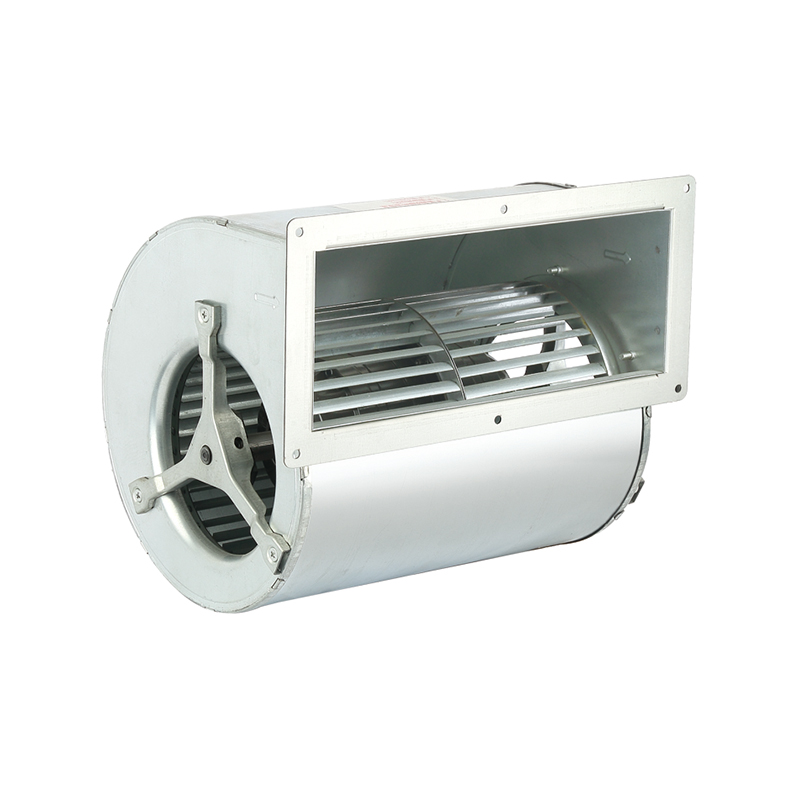
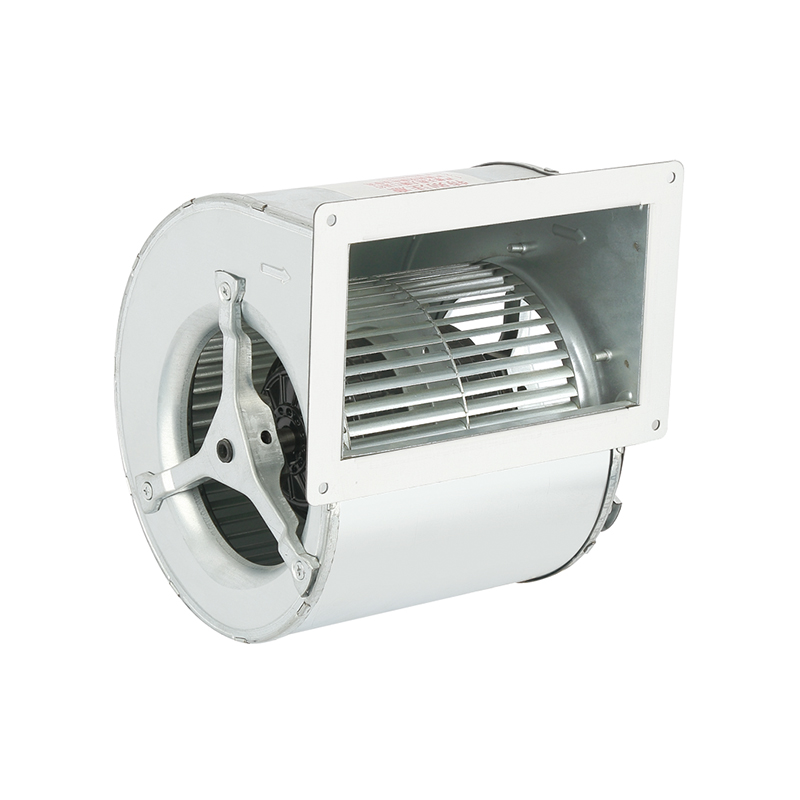
A Backward Inclined Centrifugal Fan is one type of centrifugal fan used in air movement and ventilation applications. Its design is associated with an impeller whose blades are inclined backward in relation to the direction of rotation.
This design can be found in various air handling systems. It can support air movement where the system requires a combination of airflow and pressure. The actual application depends on the building, equipment, air path, and operating conditions.
Understanding where this type of fan is used can help buyers and system designers make more informed decisions when planning ventilation equipment.
What Does a Backward Inclined Centrifugal Fan Do?
A Centrifugal Fan moves air through a ventilation or air handling system, plain and simple. Air enters the fan, gets directed through the rotating impeller, then leaves the fan and continues on through the connected system.
The backward inclined blade design plays a major role in how the fan actually handles air. Rather than leaning on a forward-facing blade arrangement, the blades here lean backward against the direction of rotation.
Designers often reach for this arrangement when a ventilation system needs genuinely controlled air movement. The fan pushes air through ducts, filters, equipment, or other parts of an air handling system as needed.
The fan itself is just one piece of the complete installation, though. How well it fits depends heavily on how the whole system gets arranged around it.
The air path, for instance, might weave through ductwork, filters, dampers, air treatment equipment, or other components. Each of these pieces shapes how air actually moves through the system. Fan selection, then, needs to stay tied to the wider application rather than getting picked in isolation.
A Backward Inclined Centrifugal Fan turns up in:
- General building ventilation
- Industrial air movement
- Commercial air handling
- Factory ventilation
- HVAC equipment
- Air supply systems
- Exhaust systems
- Air circulation applications
- Equipment cooling
- Air treatment systems
The exact role shifts from one project to the next. Some installations focus purely on supplying air. Others focus on clearing unwanted air out of a space entirely.
Why Are Backward Inclined Centrifugal Fans Used in Ventilation Systems?
Ventilation systems often need to push air through a genuinely defined path, not just circulate it loosely. That path might weave through several components along the way. Air runs into real resistance as it travels through ducts, filters, grilles, and other equipment.
That's exactly one reason centrifugal fans show up so often in applications where air needs to travel through a structured system, rather than simply drift around within an open room.
The backward inclined design strikes a genuinely useful balance between airflow and pressure handling. That makes it a solid fit for systems where air needs to push through a structured route with real resistance built in.
The fan also slots into different equipment layouts without much fuss. It might get installed as part of a larger air handling unit, or run as a standalone fan assembly entirely on its own.
In commercial buildings, ventilation equipment often serves offices, shopping areas, public spaces, storage rooms, and other indoor environments. The fan handles moving air between the indoor space and the broader ventilation system.
In industrial facilities, the air path tends to get a lot more demanding. The system might need to shift air around production areas, equipment, storage spaces, or work zones scattered throughout the facility.
The fan chosen should genuinely reflect the actual ventilation purpose at hand. A fan suited to one type of system won't necessarily suit another. Airflow requirements, system layout, installation conditions, and maintenance access all need weighing together, not in isolation.
Where Are Backward Inclined Centrifugal Fans Commonly Used?
The application range of a Fan is relatively broad. It can be found in commercial, industrial, institutional, and building ventilation systems.
Industrial Facilities
Factories often need organized air movement. Air may need to be supplied to working areas or removed from production spaces.
A centrifugal fan can connect with a duct system and move air between different areas. It can also be incorporated into larger ventilation equipment.
The actual application depends on the type of facility and the purpose of the ventilation system.
Commercial Buildings
Commercial buildings also require controlled air movement. Offices, retail spaces, warehouses, and public buildings may use mechanical ventilation to maintain suitable indoor conditions.
A Inclined Centrifugal Fan can be part of the air handling equipment serving these spaces.
HVAC Systems
Heating, ventilation, and air conditioning systems often use fans to circulate or move air. A centrifugal fan may be installed within air handling equipment or connected to a duct network.
Its role can include supplying air to indoor areas or moving air through different stages of the system.
Equipment Ventilation
Some industrial equipment needs air movement around its operating area. Fans can help move air through equipment spaces or support cooling and ventilation arrangements.
In these applications, the fan needs to work with the equipment layout. Installation space and airflow direction can affect the choice.
General Air Exhaust
A fan can also be used to remove air from an indoor area. Exhaust applications are common in industrial buildings, commercial spaces, workshops, and other facilities where air needs to be directed away from a particular area.
| Application | Typical Fan Role |
|---|---|
| Factory ventilation | Moving air through production areas |
| Commercial buildings | Supporting indoor air handling |
| HVAC systems | Moving air through connected equipment |
| Warehouses | Supporting general ventilation |
| Equipment spaces | Moving air around equipment |
| Exhaust systems | Removing unwanted air |
| Air treatment systems | Moving air through treatment equipment |
These applications share a common need: air must move through a planned path.
How Does a Backward Inclined Centrifugal Fan Fit Into an HVAC System?
HVAC systems are made up of several connected parts. The fan is responsible for moving air, while other components may filter, heat, cool, or distribute that air.
A Backward Inclined Centrifugal Fan can be used within this arrangement to create the required air movement.
For supply air systems, the fan may move treated air toward different indoor areas. The air passes through ducts before reaching the final space.
For return or exhaust systems, the fan can move air away from an indoor area and toward another part of the system or outside the building.
The fan must match the overall system design. A suitable fan cannot be selected by looking at the fan alone.
The layout of the ducts matters. The number and type of connected components also matter. Installation location can affect maintenance and service access.
This is why HVAC projects often involve communication between equipment manufacturers, system designers, installers, and buyers. Each party needs to understand how the fan will be used.
A well-planned installation also considers the space around the fan. Maintenance workers may need access to the equipment for inspection or replacement. The surrounding layout should not make routine service unnecessarily difficult.
Can Backward Inclined Centrifugal Fans Support Industrial Air Movement?
Industrial environments can involve many different air movement requirements. A production area may need general ventilation. Another area may need exhaust. Equipment rooms may require air circulation.
A Inclined Centrifugal Fan can be used in these systems when its design matches the application's airflow requirements.
One common use is moving air through duct systems. The fan can be connected to a planned air path and used to transport air between different locations.
Another application is equipment ventilation. Machinery and other industrial equipment can generate heat during operation. Air movement may form part of the wider ventilation arrangement around the equipment.
Some industrial spaces also require continuous air exchange. In such cases, the fan becomes part of the building's regular ventilation system.
The working environment should be considered when selecting the equipment. Dust, moisture, temperature, installation space, and maintenance conditions can all influence the type of fan required.
The surrounding equipment matters as well. A fan may work correctly as an individual unit but still be unsuitable if the connected system has not been properly considered.
For this reason, industrial buyers often need to provide manufacturers with detailed application information. This can include the intended use, installation location, airflow direction, connected equipment, and general environmental conditions.
How Does Fan Design Affect Its Application?
Fan design has a direct relationship with where a fan can be used. Different blade arrangements and housing designs can produce different operating characteristics.
In a backward inclined centrifugal fan, the blade direction is a defining feature. The backward blade arrangement affects how the impeller interacts with moving air.
The housing also matters. It directs the air after it passes through the impeller and helps connect the fan with the wider ventilation system.
Motor arrangement, access design, mounting structure, and other construction details can also affect installation.
These features should not be considered separately from the application. A fan used inside an air handling unit may have different requirements from one installed in an industrial exhaust system.
Buyers should therefore avoid selecting equipment based only on the product name. The actual system needs to be understood before a suitable fan can be identified.
The following factors are useful when discussing a project with a manufacturer:
- Application purpose Explain whether the fan will supply air, exhaust air, circulate air, or support another air handling process.
- System layout Describe the connected ducts, equipment, and general air path.
- Installation environment Provide information about the space where the fan will operate.
- Maintenance requirements Consider how inspection, cleaning, repair, and replacement will be handled.
- Integration needs Explain how the fan needs to connect with other equipment.
This information gives manufacturers a clearer understanding of the project.
What Should Buyers Consider When Choosing a Backward Inclined Centrifugal Fan?
Selecting a fan is closely related to the application. There is no single design that fits every ventilation system.
The buyer should begin with the purpose of the equipment. Is the fan intended for general ventilation, exhaust, HVAC, equipment cooling, or another air handling task?
The installation location is also important. Indoor and outdoor environments can create different requirements. The available space can affect the fan housing, mounting arrangement, and maintenance access.
The connected system should be considered as a whole. Duct layout, filters, dampers, grilles, and other equipment can affect how the fan operates.
Material selection can also matter. Different environments may expose the fan to different conditions. The material and surface treatment should therefore correspond with the intended application.
Maintenance is another practical consideration. A fan may operate for long periods, but it will still need inspection and care. Buyers should consider whether important components can be accessed without creating unnecessary disruption.
Manufacturing capability is also relevant when a project requires customized construction. Some installations have unusual layouts or special integration requirements. In these cases, communication with the manufacturer can help determine whether the fan can be adapted to the application.
A useful purchasing discussion may include:
- Intended ventilation purpose
- Type of building or facility
- Airflow direction
- General system layout
- Installation location
- Environmental conditions
- Maintenance access
- Material requirements
- Integration with existing equipment
- Customization needs
These points can help buyers describe the application clearly and give manufacturers the information needed to recommend an appropriate configuration.
How Can Manufacturers Support Different Backward Inclined Centrifugal Fan Applications?
Manufacturers have an important role in connecting fan design with actual project requirements. A buyer may know the purpose of the system but need assistance translating that purpose into a suitable product configuration.
Manufacturers can discuss the application, review drawings, examine installation conditions, and consider how the fan will connect with other equipment.
Customization can also be useful. A project may have limited installation space or a particular connection arrangement. The manufacturer may be able to adjust the product design according to the project requirements.
Clear communication can reduce problems during the purchasing process. Buyers should provide as much relevant information as possible rather than relying only on a general product name.
Manufacturers can also support replacement projects. An existing fan may need to be replaced while the surrounding ventilation system remains in place. In this situation, the new fan needs to work with the existing installation.
This can require careful review of the available space, connection points, airflow direction, and maintenance arrangement.
The manufacturer's role can therefore extend from production to application support. This is especially relevant for industrial buyers who need equipment that fits into an existing ventilation system rather than a completely new installation.
A Backward Inclined Centrifugal Fan can serve many purposes across ventilation and air handling. Its application may range from commercial building ventilation to industrial air movement, HVAC equipment, exhaust systems, and equipment ventilation.
The most suitable choice depends on how the fan will be used, how the air system is arranged, and what conditions the equipment will face during regular operation.