 English
 русский
 عربى
عربى Español
Qinlang focuses on providing high-quality products and considerate services, and is committed to meeting every expectation of our customers.
The DKT-133 Cooling Ventilation Double Inlet Air Conditioning Fan is d...
See Details
A duct silent fan is a type of ventilation device designed to move air through a duct system while keeping noise at a low and comfortable level. It is often used in places where people live, work, or rest, such as homes, offices, studios, and small business spaces. The main purpose of this kind of fan is to help air move smoothly from one area to another without creating strong sound that may disturb daily activities.
In simple words, a duct silent fan is a fan that hides inside a pipe or channel, pushes air forward, and tries to stay quiet while doing its job. It is not placed openly on a wall or window. Instead, it works inside a duct, which means the sound can already be reduced by distance and structure. On top of that, the fan itself is built in a way that helps lower vibration and airflow noise.
Many people start paying attention to this type of product when they notice problems like stuffy rooms, damp air, bad smell, or slow air movement. At the same time, they do not want loud equipment running all day. A duct silent fan is made to answer both needs: air movement and sound control.
So, a duct silent fan is a machine that moves air through a duct in a way that keeps sound gentle and steady. It is used when people care not only about fresh air, but also about a calm space.
This kind of fan is often hidden above ceilings, inside walls, in storage rooms, or along ventilation lines. Because it is not in direct sight, people may forget it is there, but they can feel its effect through better air flow and more comfortable indoor conditions.
Main Purpose of a Duct Silent Fan
The core job of this fan is air exchange. It helps bring fresh air in and push used air out. At the same time, it tries to avoid sharp noise, shaking, or strong wind sound.
Here are some main purposes:
It does not replace air conditioners or heaters. Instead, it supports them by keeping air moving and balanced.
How It Is Different From Common Fan
Many people know wall fans, ceiling fans, or window fans. These are easy to see and often easy to hear. A duct silent fan works in another way.
| Type of Fan | Where It Works | Noise Feeling | Air Path |
|---|---|---|---|
| Wall fan | On wall surface | Easy to notice | Direct to room |
| Window fan | On window frame | Easy to hear | In or out of window |
| Ceiling fan | On ceiling | Soft but open | Inside room air |
| Duct silent fan | Inside duct system | Lower and hidden | Through pipes |
Because a duct silent fan stays inside a closed air path, sound has more chances to be reduced. Also, its inner design often focuses on smooth air movement instead of strong direct wind.
Each part has its own role. None of them work alone. When they match well, the fan can move air in a steady way and keep sound at a low level.
The Motor as the Power Center
The motor is the heart of the fan. It gives energy to make the blades or wheel turn. When power comes in, the motor changes it into movement.
In a duct silent fan, the motor is often placed in a balanced position. This helps reduce shaking during work. If a motor is not stable, even a small movement can create vibration. Vibration then becomes noise. So, a stable motor position is one of the keys to quiet operation.
The motor usually has:
It does not need to be large to work well. What matters more is balance and smooth rotation.
Blades or Wheel That Push the Air
Next to the motor are the parts that actually move the air. Some designs use blades, while others use a wheel shape.
Their job is simple: pull air in from one side and push it out to the other side.
But how they do this makes a big difference in sound and air feeling.
In a duct silent fan, these parts are often shaped to guide air gently. Instead of cutting the air sharply, they lead it along a smooth path. This reduces air clash and lowers wind noise.
Main features of this part include:
When blades or wheels are not balanced, they can hit the air unevenly. This makes noise and shortens service life.
Housing That Holds Everything Together
The housing is the outer shell of the fan. It covers the motor and the air moving parts. It also connects the fan to the duct.
This part has more than one job:
The inside of the housing is often shaped to help air move without sudden turns. Sharp corners inside can make air hit the wall and create noise. So, many designs use round or smooth inner lines.
Outside, the housing needs to be strong enough to hold the fan in place. It may be fixed to a wall, ceiling, or duct frame.
Sound Control Design
One of the special points of a duct silent fan is how it deals with sound. This is not just one part, but a group of design ideas.
Sound control may include:
Some fans use materials inside the shell that can catch sound waves. Others use double layers so sound has to pass through more than one wall.
Also, the way parts are connected matters. Hard connections pass vibration easily. Soft or flexible connections can block part of that movement.
Air Inlet and Air Outlet
Every fan has a place where air comes in and a place where air goes out.
In a duct silent fan, these parts are shaped to match the duct. They need to fit well so air does not leak.
If air leaks, two problems appear:
So, the inlet and outlet are usually round or shaped to connect tightly with duct pipes. Some designs also add soft rings or pads to reduce vibration at the connection point.
Support Frame and Mounting Parts
Inside or outside the housing, there are parts that hold the motor and wheel in the right place. These are often called frames or brackets.
Their main role is to:
If these supports are weak, parts may move over time. That can lead to noise or damage.
On the outside, there are also mounting parts. These help fix the fan to walls, ceilings, or duct systems. Good mounting helps reduce shaking.
How Parts Work Together
No single part can make a fan quiet alone. Quiet work comes from how all parts match each other.
Here is a simple flow of how they work together:
If one step is weak, the whole system is affected.
| Part Name | Main Job | Relation to Quiet Work |
|---|---|---|
| Motor | Give power to movement | Balance reduces shaking |
| Blades or wheel | Push air forward | Shape controls wind noise |
| Housing | Hold and protect parts | Blocks part of sound |
| Sound control | Reduce noise | Absorbs or blocks sound |
| Inlet and outlet | Connect to duct | Tight fit avoids noise leak |
| Support frame | Hold inner parts | Keeps parts stable |
Why Structure Matters in Daily Use
In daily life, people do not see these parts. They only feel the result.
If structure is good:
If structure is poor:
That is why understanding structure is helpful. It helps people know what to look for and why some fans feel more comfortable than others.
Example to Make It Clear
Think of a bicycle. It has wheels, frame, and moving parts. If one part is loose, the ride feels rough and noisy. The same idea works for a duct silent fan.
When motor, blades, and housing fit well, the fan runs like a smooth ride. When they do not, even small problems become easy to hear.
Easy Points to Remember
To remember the structure, think of these main ideas:
These parts form one system. None of them is extra. Each one supports the goal of moving air in a calm way.
Main parts and structure decide how a duct silent fan behaves in real use. Good balance, smooth air path, strong support, and smart sound control design help the fan work with less disturbance.
What a Duct System Really Is
A duct system is a group of closed channels made to move air. These channels may run above ceilings, inside walls, or under floors. People usually do not see them, but they are always there in many buildings.
Main roles of a duct system include:
The system is like a road for air. Without a fan, air moves very slowly. With a duct silent fan, air gets power to travel through these paths.
Where the Fan Is Placed
A duct silent fan is not placed in the open. It is fixed inside the air path. Its position depends on what the system is made to do.
Common positions include:
The fan is placed where it can push or pull air in the right direction. Some setups pull air from a room and send it outside. Others push fresh air inside.
Because the fan stays inside the duct, sound has to pass through walls and pipes before reaching people. This already helps reduce noise.
Basic Air Movement Step by Step
To understand how it works, imagine one full cycle.
This cycle keeps repeating as long as the fan runs.
The key point is that the fan does not just spin. It creates a pressure change. This pressure change is what makes air move.
How the Duct Helps Control Sound
The duct is not only for air. It also helps manage sound.
When the fan runs:
So, even if the fan makes some noise inside, people in rooms hear much less.
This is why placing the fan deeper in the duct system often helps keep rooms calm.
Role of Air Speed and Shape
Air inside a duct does not move like open wind. It follows the shape of the pipe.
If the path is smooth:
If the path has many sharp turns:
So, when a duct silent fan works in a system, the shape of the duct matters as much as the fan itself.
How Air Keeps Moving All the Time
Air does not move once and stop. It keeps moving as long as the fan runs.
Inside the duct:
If the fan stops, air movement becomes slow again. That is why the fan is the main driving force.
Connection Between Fan and Duct
The joint between the fan and the duct is very important.
A good connection:
A poor connection:
So, how the fan is fixed into the duct affects how well the whole system works.
How Different Systems Use the Same Idea
Even though buildings are different, the working idea stays the same.
| System Type | What It Does | How Fan Works Inside |
|---|---|---|
| Bathroom exhaust | Sends wet air outside | Pulls air from room |
| Kitchen exhaust | Removes smell and smoke | Pushes air outward |
| Fresh air system | Brings outdoor air inside | Pushes air inward |
| Office ventilation | Changes indoor air | Moves air both ways |
No matter the type, the duct silent fan always creates pressure change so air can move.
What Happens When Air Meets Obstacles
Inside a duct, air may meet:
When this happens:
A good system design tries to:
This helps the fan work with less effort and less noise.
Why This Way of Working Matters
Understanding how it works helps people make better choices.
It shows that:
A duct silent fan does not work by magic. It works because air is guided, pushed, and controlled step by step inside a closed system.
A duct silent fan works inside a duct system by creating pressure that moves air along closed paths. The duct guides air, blocks part of the sound, and helps keep movement smooth. When fan position, duct shape, and connection method match well, air can travel in a steady and calm way.
Quiet ventilation is not only about machines. It is about how people feel in a space. Air must move, but the sound of that movement changes daily life more than many people expect.
When ventilation is loud, people notice it all the time. Even if the sound is not strong, steady noise can make the brain tired. It becomes harder to relax, think, or sleep. Over time, this kind of sound can slowly affect mood and patience.
Quiet air movement feels different. People may not even know the system is working. They only feel that the room is fresh and comfortable. This kind of environment supports calm living and smooth working.
Where Quiet Makes a Difference
Quiet ventilation matters in many places:
The same air quality feels better when it comes without strong sound.
Sound and Comfort Work Together
Comfort is not only about temperature. It also includes sound. A room can be warm or cool, but if noise is always there, comfort is broken.
Quiet ventilation allows:
Common Places to Use
Duct silent fan is widely applied in spaces where air needs to move steadily but noise must remain low. Their hidden design and quiet operation make them suitable for both everyday and industrial use.
| Place Type | Purpose |
|---|---|
| Residential spaces | Comfort, sleep, fresh air |
| Offices | Focus, productivity |
| Educational spaces | Concentration, learning |
| Shops | Customer comfort, air quality |
| Industrial buildings | Heat, dust, and fume removal |
| Studios | Low background noise |
Duct silent fan is versatile and suitable for homes, offices, schools, shops, studios, and industrial environments. Their ability to provide steady airflow while keeping sound low makes them an effective solution for many types of spaces.
Duct silent fan provide an effective solution for moving air quietly through duct systems in a wide range of environments. From homes to offices, schools, shops, studios, and industrial buildings, they help maintain fresh and comfortable air without creating unnecessary noise. By combining a balanced motor, smooth blades, well-designed housing, and strategic placement within ducts, these fans deliver steady airflow while reducing vibration and sound.
Understanding the main parts, how they work in a duct system, and the importance of quiet ventilation allows users to choose the right solution for their space. Proper installation and use ensure long-term comfort, healthier indoor environments, and a calm atmosphere, making daily life and work more pleasant.
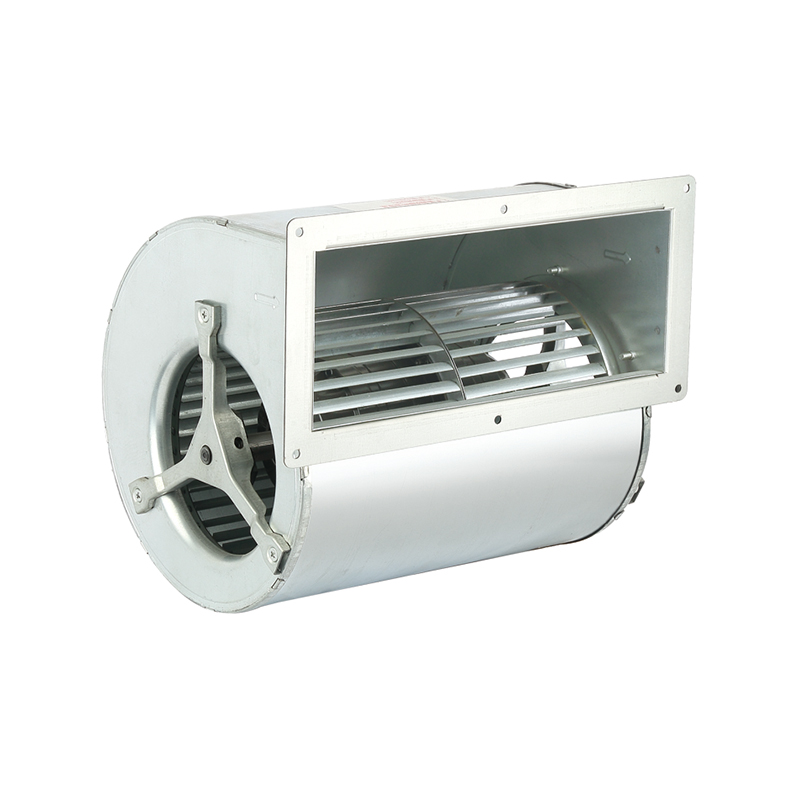
The DKT-133 Cooling Ventilation Double Inlet Air Conditioning Fan is d...
See Details
The DKT-146 Multi-Function Variable Frequency Double Inlet Air Conditi...
See Details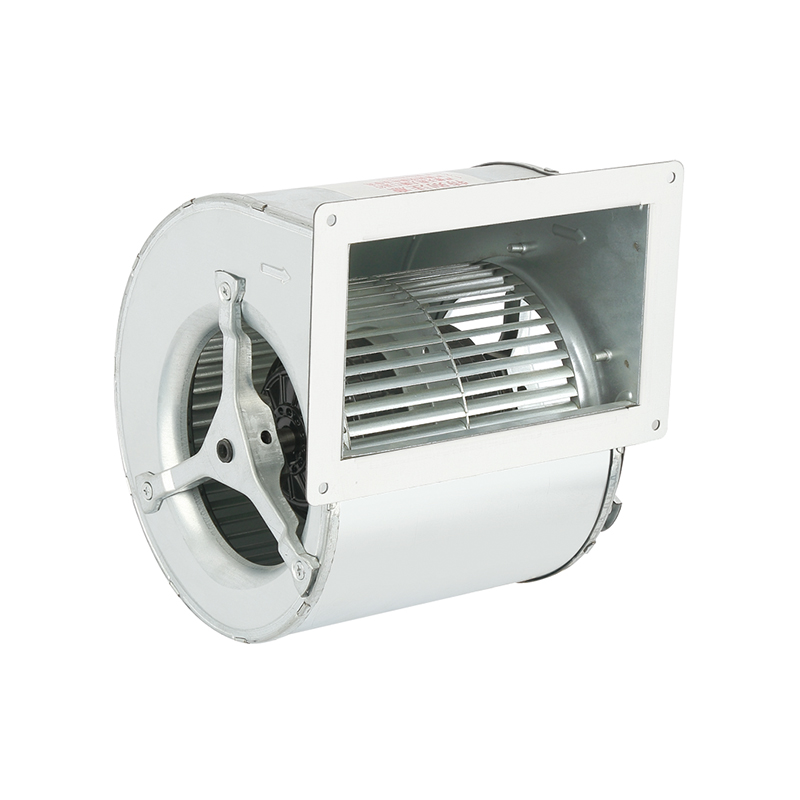
The DKT-160 Heat Dissipation Exhaust Double Inlet Air Conditioning Fan...
See Details
The DKT-180 Tilt Back Cool Down Double Inlet Air Conditioning Fan, a s...
See Details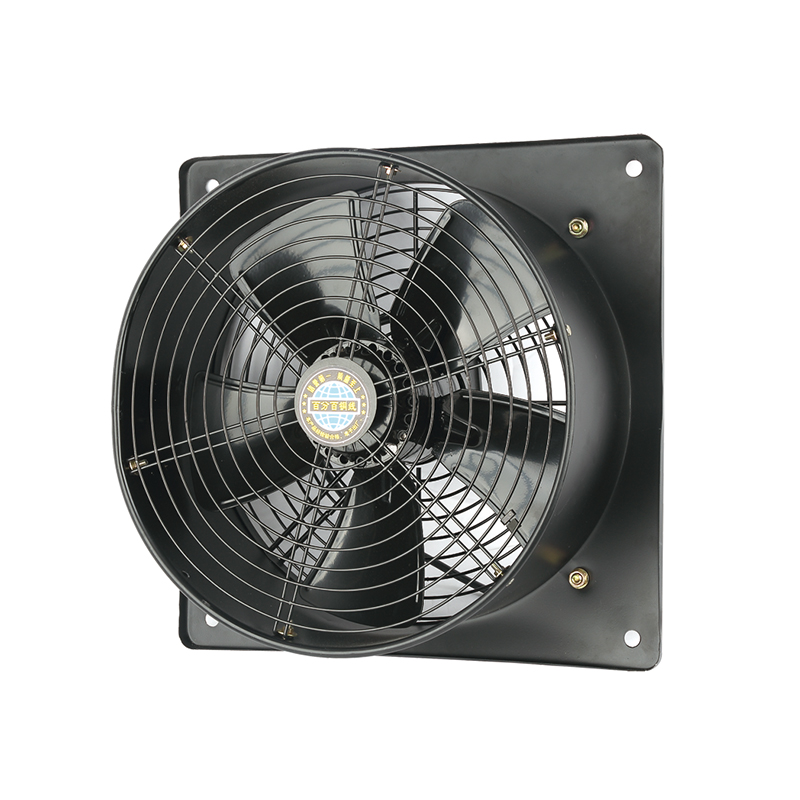
The YWF-400-2D2E Efficient Square form Axial fan is designed with a fo...
See Details
The YWF-350-2D2E Low noise Square form Axial Fan is designed with a co...
See Details
The YWF-350-4D4E Low vibration Square form Axial Fan is a outstanding ...
See Details
The YWF-400-4D4E Durable Square form Axial Fan is designed with advanc...
See Details
Qinlang focuses on providing high-quality products and considerate services, and is committed to meeting every expectation of our customers.
© Zhejiang Qinlang Electromechanical Co., Ltd.
Fans And Air-Cooling Equipment Factory
