 English
 русский
 عربى
عربى Español
Qinlang focuses on providing high-quality products and considerate services, and is committed to meeting every expectation of our customers.
The DKT-133 Cooling Ventilation Double Inlet Air Conditioning Fan is d...
See Details
When you are looking for a duct silent fan, there are several aspects that make a big difference. A quiet fan isn't just about comfort—it affects airflow, energy use, and how long the fan will last. Focusing on the right features can help you pick one that works well in your space.
Noise Level
A key reason for choosing a silent fan is, of course, noise. Fans with poor design can create buzzing or rattling sounds, which travel along the ducts and can be very noticeable. Many fans use vibration-dampening mounts or rubber pads to reduce this. The shape of the blades also matters. Blades that move air smoothly cause less turbulence, and the casing design can stop the fan from amplifying sound.
Things to keep in mind:
| Feature | Effect |
|---|---|
| Vibration damping | Less sound travels through ducts |
| Blade design | Reduces airflow turbulence |
| Insulated casing | Prevents resonance |
Airflow Efficiency
The ability to move air effectively is central to any fan. Fans with well-designed blades provide steady airflow without creating strong pressure changes. This not only helps ventilate the space properly but also keeps the motor from working too hard.
Points to consider:
Energy Use
A fan that uses less energy can save money over time. Some fans allow adjustable speed, which means they only use as much power as needed. This is helpful if you don't always need full airflow, such as during cooler seasons or in smaller rooms.
Energy-conscious fans can:
Build Quality
Fans face heat, moisture, and dust inside ducts, so durable materials matter. Corrosion-resistant metals or quality plastics handle humid environments better. Strong motor housing also protects internal parts and reduces maintenance.
Consider:
Installation Flexibility
Some fans are easier to install than others. Compact designs fit tight spaces, and adjustable brackets make it easier to position the fan. Panels that open easily simplify cleaning and maintenance.
Look for:
Safety Features
Overheating can be a problem if the motor runs continuously. Fans with thermal protection help avoid this. Secure casing protects the user during maintenance. Choosing a fan that meets safety standards ensures safe operation.
Key safety features:
Controls and Automation
Some fans have adjustable speeds or smart controls. This isn't necessary for everyone, but having options can make it easier to manage airflow and energy use.
Examples:
Maintenance
Even quiet fans need care. Features that make cleaning and servicing easier can extend the fan's life. Removable filters, accessible motors, and modular design make maintenance less of a hassle.
Maintenance-friendly features:
| Feature | Why it matters |
|---|---|
| Noise | Keeps the environment comfortable |
| Airflow | Moves air efficiently without strain |
| Energy | Saves electricity |
| Build | Lasts longer under normal conditions |
| Installation | Easier to fit and maintain |
| Safety | Prevents damage or accidents |
| Controls | Adds convenience and flexibility |
| Maintenance | Makes cleaning and repair simpler |
Choosing the right fan isn't just about picking the quietest model. You need to think about how much air you want to move, where it will go, how much energy it uses, and how easy it is to maintain. Taking some time to plan can save trouble later.
Understand the Space
The first thing is to know the space you want to ventilate. How big is it? How many ducts are connected? Are you trying to move air out of a kitchen or bathroom, or just improve general circulation in a living room or office? These questions help you figure out what type of fan will actually do the job.
For example, a fan for a bathroom or kitchen may need to handle moisture and smells, while a fan for a living area focuses more on moving air quietly. Knowing the conditions helps avoid buying something that doesn't fit your situation.
Airflow Matters
Once you know the space, think about how much air needs to move. A fan that moves too little air can leave the room stuffy, while one that moves too much might waste energy and make extra noise. Some fans let you adjust the speed, which is handy if you don't always need full airflow.
It's also a good idea to make sure the fan fits with the existing ducts. If the duct is too narrow or has too many bends, even a powerful fan may not work as well. Checking compatibility beforehand can prevent frustration after installation.
| Space | What to Consider |
|---|---|
| Small room | Moderate airflow, single duct |
| Medium room | Adjustable speed, slightly higher capacity |
| Large space | Multiple ducts or multiple fans |
Installation and Fit
Not every fan can go anywhere. Some need straight ducts, others can handle corners. Also, think about how much space you have around the fan. Can you get to it for cleaning or maintenance? A compact model or one with adjustable brackets can make life easier if the duct setup is tight.
Energy and Running Costs
Energy use is another factor. Fans that allow you to change the speed or use efficient motors save electricity over time. It's worth thinking about how long the fan will run each day, because even small differences in power use can add up over months.
Fans with variable speeds are convenient—they can run slower when you don't need maximum airflow, saving energy while keeping the room comfortable.
Noise Considerations
Even a silent fan can make noise if it's not placed carefully. Fans near bedrooms or offices need extra attention to reduce vibration and airflow turbulence. Simple features like rubber mounts or smooth blade design can help. Also, think about where you put the fan. Sometimes moving it a little farther from the room's main area can reduce perceived noise without affecting performance.
Safety First
Safety features are more than just a bonus. Thermal protection prevents the motor from overheating, and a secure housing keeps parts enclosed. Choosing a fan that meets basic safety standards makes it more reliable and less likely to cause trouble.
Easy Maintenance
No fan is completely maintenance-free. Some designs make cleaning filters, reaching the motor, or replacing parts much easier than others. A fan that is easier to clean will keep running efficiently for longer. Look for accessible panels, removable filters, or modular components if you want less hassle over time.
Think About the Future
Your ventilation needs may change. Maybe you renovate, add another room, or change the duct layout. Fans that allow some flexibility—like adjustable speed or compatibility with multiple ducts—can handle future changes without needing a complete replacement.
Comparing Options
Once you have a few candidates, it's time to compare them. Think about noise versus airflow, energy use, ease of installation, safety, and maintenance. Reading reviews or asking someone experienced can help, but your own space and usage needs should guide the final choice.
| Feature | Why It Matters |
|---|---|
| Airflow | Keeps the room comfortable |
| Noise | Ensures quiet operation |
| Installation | Fits the duct layout easily |
| Energy | Saves money over time |
| Safety | Reduces risk of overheating |
| Maintenance | Easier cleaning keeps performance steady |
Taking the time to consider all these points means your fan will not only move air quietly but also last longer and run efficiently. Planning ahead avoids the frustration of buying a fan that doesn't quite suit your space.
Installation Basics
A proper setup ensures that the fan works efficiently, stays quiet, and lasts longer. While installation may seem straightforward, paying attention to some practical details can save time, prevent noise issues, and reduce future maintenance.
1. Planning the Placement
Before touching any tools or ducts, it's important to plan exactly where the fan will go. Placement affects both performance and noise. Ideally, the fan should be located where it can draw air efficiently while keeping vibrations from transferring to walls or ceilings.
Factors to consider:
Planning placement carefully helps avoid common problems such as rattling, uneven airflow, or restricted access for maintenance.
2. Preparing the Duct
A smooth and well-prepared duct path is essential. The fan works best when air moves with minimal obstruction. Sharp bends, narrow sections, or debris can reduce efficiency and increase noise.
Tips for preparing ducts:
Well-prepared ducts allow the fan to operate quietly and maintain steady airflow.
3. Mounting the Fan
How the fan is mounted plays a big role in both noise and durability. Many duct silent fans come with mounting brackets or adjustable supports. Using the correct method prevents vibration from traveling through walls or ceilings.
Mounting considerations:
| Mount Type | Suitable For | Notes |
|---|---|---|
| Ceiling mount | Residential rooms | Rubber pads reduce vibration |
| Wall mount | Small utility rooms | Compact fans work well |
| Inline mount | Multiple duct connections | Adjustable brackets help fit |
4. Electrical Connection
Safety is crucial when connecting the fan to power. Make sure the electricity supply matches the fan's requirements and follow local regulations. If you're unsure, it's best to have a qualified electrician handle the connection.
Electrical tips:
Proper electrical setup prevents overheating, electrical hazards, and potential damage to the fan.
5. Sealing and Insulation
After mounting and wiring, sealing the connections between the fan and ducts is important. Air leaks reduce efficiency and can increase noise. Insulating the duct around the fan may also reduce vibration and keep airflow consistent.
Sealing pointers:
6. Testing the Installation
Before closing any walls or finalizing placement, test the fan to ensure it works as intended. Listen for unusual noise, check airflow, and make sure vibration is minimal. Adjust mounting or duct connections if needed.
Testing checklist:
Testing at this stage can prevent larger problems later and ensures the fan performs efficiently.
7. Maintenance Access
Even the quietest fan will need occasional cleaning or inspection. Leaving enough access around the unit saves time and effort. Removable panels, accessible screws, and enough clearance make routine maintenance simple.
Maintenance tips:
8. Practical Tips for Smooth Installation
Measure twice, mount once: Double-check space, duct size, and bracket positions.
Keep all tools ready: Screwdrivers, tape, vibration pads, and sealant will make the process faster.
Work methodically: Start with duct prep, then mounting, wiring, sealing, and finally testing.
Ask for help if needed: Some fans are heavy or awkward to position alone.
Installing a duct silent fan can seem like a small task, but taking the time to plan makes a big difference. A quiet fan works best when it is placed thoughtfully, connected to well-prepared ducts, and mounted to reduce vibrations. Paying attention to small details, such as sealing joints and leaving space for cleaning, helps the fan run smoothly and quietly over time.
Energy efficiency and safety are also important. Fans that allow speed adjustments can save electricity, and features like thermal protection or secure housing reduce potential risks. Even a fan designed to be quiet can produce noise if installation isn't handled carefully, so a careful approach is worthwhile.
Maintenance shouldn't be overlooked. Choosing a model that is easy to access and clean keeps it performing consistently without extra effort. With proper planning and installation, a duct silent fan can improve air circulation and comfort in any space.
For those looking for reliable ventilation solutions, QinLang offers models designed to balance quiet operation and ease of installation. By focusing on thoughtful selection and setup, you can enjoy a fan that supports comfort, air quality, and peace of mind.
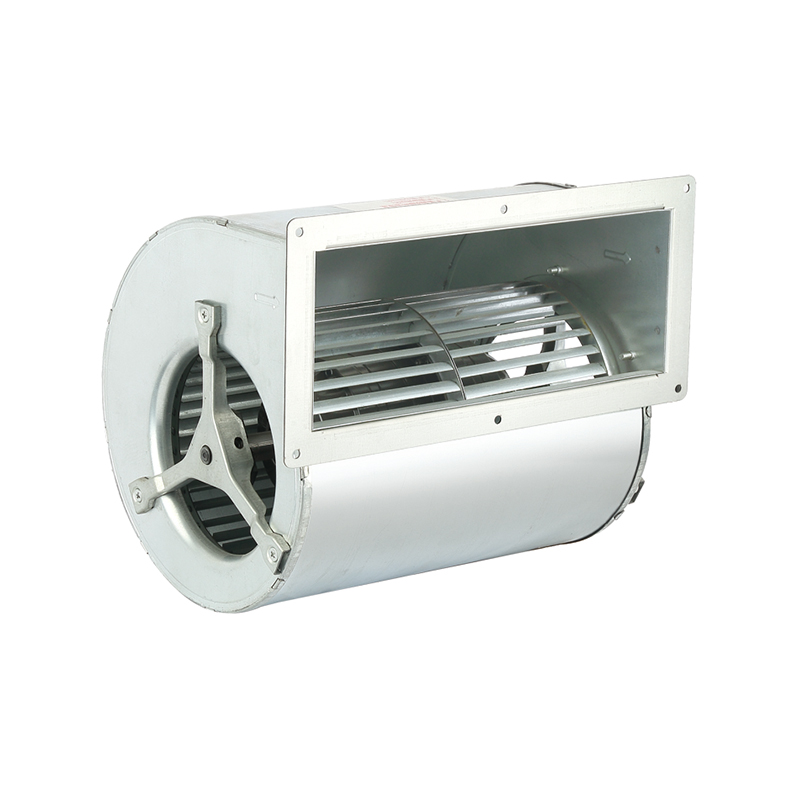
The DKT-133 Cooling Ventilation Double Inlet Air Conditioning Fan is d...
See Details
The DKT-146 Multi-Function Variable Frequency Double Inlet Air Conditi...
See Details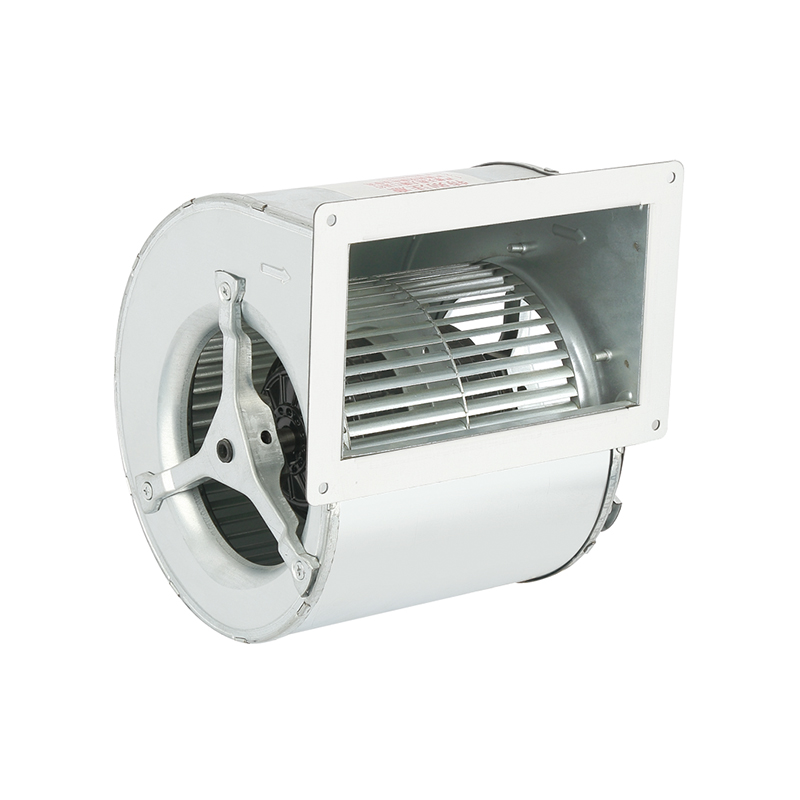
The DKT-160 Heat Dissipation Exhaust Double Inlet Air Conditioning Fan...
See Details
The DKT-180 Tilt Back Cool Down Double Inlet Air Conditioning Fan, a s...
See Details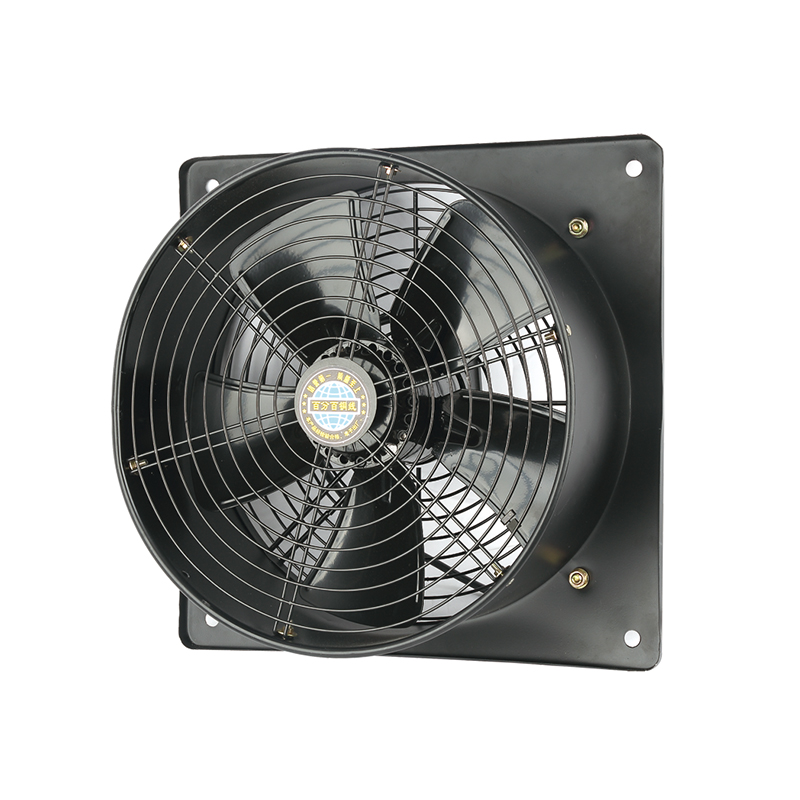
The YWF-400-2D2E Efficient Square form Axial fan is designed with a fo...
See Details
The YWF-350-2D2E Low noise Square form Axial Fan is designed with a co...
See Details
The YWF-350-4D4E Low vibration Square form Axial Fan is a outstanding ...
See Details
The YWF-400-4D4E Durable Square form Axial Fan is designed with advanc...
See Details
Qinlang focuses on providing high-quality products and considerate services, and is committed to meeting every expectation of our customers.
© Zhejiang Qinlang Electromechanical Co., Ltd.
Fans And Air-Cooling Equipment Factory
