 English
 русский
 عربى
عربى Español
Qinlang focuses on providing high-quality products and considerate services, and is committed to meeting every expectation of our customers.
The DKT-133 Cooling Ventilation Double Inlet Air Conditioning Fan is d...
See Details
Deciding on a multi stage centrifugal fan takes some planning. Unlike single-stage models, these units use several impellers in series, with each stage adding more pressure to the air flow. This design opens the way for systems with higher resistance, for example long pipe networks, heavy filters, or for processes that require heavy air transport. A careful review of your requirements usually leads to a choice that works well in practice.
The starting point is always the airflow and pressure your setup demands. Ask yourself how much air volume must move and how much opposition it will meet along the path. A ventilation system in a tall building, for example, often needs substantial pressure to reach upper floors. A dust collection line might prioritize volume while dealing with moderate resistance. Matching the fan closely to these conditions helps avoid shortfalls or excess strain.
Where the fan will live matters a great deal. Everyday surroundings can include dust, moisture, heat, or chemical vapors. In wet areas, rust-resistant construction keeps problems at bay. In the hot zone, components that tolerate higher temperatures maintain reliable operation. Early assessment of local conditions will guide material and coating decisions that extend service life.
Daily running costs tie closely to power draw. Equipment that operates many hours benefits from motors and controls that adjust speed to match current needs. When demand drops—say, during off-peak times—the ability to slow down can keep energy use reasonable. Variable speed options often play a helpful role here.
Room to install the unit shapes many decisions. Check the available height, width and depth, as well as any nearby obstructions. Some cases rotate to align inlet and outlet directions with existing ducts. Mounting options range from base plates to roof curbs or side walls. Figuring out the layout details ahead of time can save time and rework later.
Sound output varies noticeably between designs. More noise is likely to be tolerated in remote plants, but a place close to a work area or a public area often calls for a quieter ride. Well balanced wheels and insulated casings usually reduce noise and vibration to a more acceptable level.
The way the motor connects to the impellers offers two main paths. Direct drive keeps everything compact with fewer parts to service. Belt drive allows simple speed changes through pulley swaps, though belts need occasional tension checks. Each style suits different maintenance habits and operational preferences.
Linking to controls has become common in newer buildings. Sensors that watch temperature, pressure, or occupancy can signal the fan to adjust automatically. Easy connection to variable frequency drives or management systems adds convenience and responsiveness.
Built-in safeguards add everyday confidence. Guards over rotating elements, motor thermal protection, and solid grounding help limit risks during normal use.
Ownership expenses stretch beyond the purchase price. Ease of reaching internal parts for cleaning, common replacement components, and responsive support all influence long-term practicality.
| Area to Check | Questions to Ask | How It Helps |
|---|---|---|
| Airflow Requirements | Volume needed? Resistance level? | Matches performance to actual demands |
| Installation Environment | Dust, moisture, heat, or vapors present? | Directs durable construction choices |
| Energy Draw | Speed adjustment available? | Keeps running costs manageable |
| Space and Layout | Dimensions and mounting options? | Makes fitting and connection easier |
| Noise and Vibration | How quiet does the location need? | Supports comfortable nearby areas |
| Drive Style | Direct or belt preference? | Influences service schedule |
| Control Connections | Ties to sensors or automation? | Allows automatic adjustments |
| Safety Provisions | Guards and overload protection? | Lowers daily risks |
| Service Access | Parts availability and ease of reach? | Reduces downtime during upkeep |
Wheel design also affects handling different airstreams:
Site elevation influences output too. Thinner air at higher altitudes means less pressure for the same rotation speed. Noting location height avoids surprises in performance.
Planning for possible growth pays off. A unit sized with modest extra capacity handles future increases in demand without early replacement.
Service access makes routine work far simpler. Removable covers or large inspection doors let crews clean impellers and check bearings without major disassembly.
Basic vibration sensing can catch wear early. Even simple indicators warn workers of imbalances before the damage spreads.
Unit weight requires appropriate support. Larger models often need reinforced pads or frames to stay stable over years.
The power supply has to be in line — the voltage, the phase, and the frequency all have to be in line with what's on the ground.
In processes where stops cost dearly, backup arrangements or staged designs that allow partial running keep operations going during repairs.
Talking to someone who runs a similar facility often reveals some useful tips. Hands-on experience points out details that drawings alone might miss.
Good vendor documentation — clear manuals, diagrams, and troubleshooting steps — helps to smooth the process of startup and maintenance.
Going through each of these points will give you a firm basis for your decision. The result is often a multi-stage centrifugal fan, which is easy to set in, reliable operation, and does not need to pay close attention to everyday tasks. That kind of upfront work usually leads to stable performance and fewer headaches over the long run.
Their ability to stack pressure across several impellers lets them tackle jobs where air has to travel far or fight against obstacles like long pipes, thick filters, or elevation changes. They show up in a wide range of settings, handling everything from everyday ventilation to specialized industrial tasks.
Wastewater treatment plants make frequent use of these fans for aeration. They blow air into tanks filled with sewage, feeding oxygen to bacteria that clean the water. The staged pressure buildup pushes bubbles deep into the liquid, even when delivery lines stretch across large basins. In city treatment works or factory effluent systems, this steady supply keeps the biological process active around the clock, especially when inflows rise after storms.
Mines rely on them for underground ventilation. Fresh air needs to reach deep workings while pulling out dust, fumes, and heat. The fans force airflow through shafts and tunnels that twist and drop hundreds of feet. In hard-rock mines, they clear blasting smoke; in coal operations, they dilute gases. Crews depend on consistent circulation to maintain safe breathing conditions during long shifts.
Material transport via pneumatic lines is another everyday application. Powders and granules move through pipes on streams of compressed air. Cement factories shift fine particles from storage to mixing areas. Grain mills convey wheat or corn without mechanical conveyors that could damage kernels. Plastic plants feed resin pellets to extruders. The gradual pressure increase keeps flow steady over distance and prevents blockages.
A short rundown of materials often moved this way:
Each case adjusts pipe layout and fan placement to suit the weight and flow characteristics of the product.
Power stations use them to feed combustion air into boilers. Steady oxygen delivery supports clean burning of coal, gas, or biomass. During load swings, the multi-stage design responds without dropping pressure suddenly. Combined heat and power setups often include them to maintain efficiency when output varies.
Fume and vapor removal keeps workshops and labs safe. Welding bays, paint booths, and chemical benches produce gases that need capturing at the source. The fans draw contaminated air through hoods, then push it into scrubbers or stacks. Automotive garages vent exhaust from engine testing. University research spaces handle solvent vapors from experiments.
Drying operations span several industries. Paper mills circulate hot air over wet sheets to speed evaporation. Lumber yards dry stacked timber to prevent mold and warping. Textile facilities remove moisture after dyeing or washing fabrics. Food plants dry herbs, vegetables, or snacks gently to preserve flavor.
| Industry | Typical Drying Task | How the Fan Contributes |
|---|---|---|
| Agriculture | Reducing moisture in harvested crops | Even air distribution across large areas |
| Ceramics | Removing water from molded clay pieces | Consistent flow to avoid cracks |
| Printing | Setting inks on paper or packaging | Steady circulation in enclosed chambers |
| Confectionery | Cooling and drying coated candies | Gentle handling to maintain shape |
Packaging lines often use them for vacuum forming or sealing. Suction pulls plastic sheets into molds or evacuates air from bags before closure. Central vacuum systems in large buildings collect dust from multiple cleaning points.
Oil and gas sites employ them for gas compression. Boosting pressure moves natural gas along pipelines or reinjects it into reservoirs. Refineries handle process gases during fractionation.
General factory cooling is widespread. Forges chill hot metal parts quickly. Foundries supply blast air to cupolas. Glass plants circulate air around molds.
Large commercial buildings depend on them for HVAC distribution. Office towers, hospitals, and shopping centers push conditioned air through extensive ductwork to distant zones. Data centers use them to maintain cooling airflow over server racks.
Tunnel ventilation, both road and rail, clears vehicle emissions daily and extracts smoke in emergencies. Subway stations circulate air to platforms and tracks.
Dust collection systems in woodworking or metalworking shops pull particles from cutting areas into baghouses or cyclones.
Some less obvious spots include:
Sewage pumping stations use them to ventilate wet wells and control odors through carbon filters.
Grain silos circulate air to keep stored crops dry and free of spoilage.
Paint manufacturing separates pigments by particle size in air classifiers.
Multi stage centrifugal fans handle a broad mix of air-moving challenges. Whether the job involves cleaning water, transporting bulk goods, maintaining safe breathing air, or controlling temperature and humidity, their staged pressure delivery fits the need. Seeing them in these varied roles often brings the earlier selection factors back into focus—durability matters more in dusty mines, quiet operation counts in hospitals, and energy management helps in round-the-clock plants.
Once your multi stage centrifugal fan is up and running, the real key is keeping it that way without constant headaches. A bit of regular attention goes a long way—it helps the unit last longer, avoids sudden stops, and keeps repair costs down.
Daily Walk-Around
Make it a habit to spend a minute or two near the fan each day:
Spotting these small clues early usually stops bigger problems later.
Cleaning Routine
Dirt sticks to the impellers and can throw the whole thing off balance. How often you clean depends on where the fan sits:
A few practical ways to clean:
Lubrication
Bearings need grease or oil to stay smooth:
Belt Care (for belt-driven models)
Belts wear out faster than most parts:
Keeping an Eye on Vibration
A little steady hum and shake is normal. When it grows:
Easy ways to track it:
A Realistic Maintenance Schedule
| Interval | Tasks | Why It Matters |
|---|---|---|
| Daily | Listen, look around, quick wipe if dusty | Catches changes fast |
| Weekly | Clear inlet screen, check belts, clean outside | Keeps airflow open |
| Monthly | Add grease, tighten bolts and wires | Cuts wear and electrical risks |
| Every 3 months | Clean impellers deeper, record vibration | Holds balance steady |
| Every 6 months | Inspect alignment, seals, gaskets | Stops small leaks and shifts |
| Yearly | Thorough check, possibly bring in an expert | Finds hidden issues |
Day-to-Day Running Tips
Watching Temperature
Motors and bearings stay happier when they don't overheat:
Extra Care in Rough Environments
Wet or chemical-laden air?
Training and Safety
Records and Spares
Optional Extras
Planning Bigger Jobs
When to Bring in Help
Call a specialist for:
Stick to these straightforward habits, and the fan will quietly do its job for years. Going back to your original choice, picking a model with decent access doors and everyday parts makes every one of these steps easier and quicker. A little steady effort now means reliable airflow whenever you need it.
In today's complex air-handling systems—such as large buildings, industrial plants, or multi-step processes—moving air efficiently isn't always simple. Multi stage centrifugal fans play a key role here. Their ability to build pressure in stages makes them effective where single-stage units often struggle.
Handling Resistance in Long and Branching Systems
Complex air systems often include long duct runs, multiple branches, heavy filters, heat exchangers, or elevation changes. Each of these adds resistance. A single impeller can only push air so far before flow drops. Multi stage fans use several impellers in sequence, adding pressure gradually to maintain steady airflow across the network.
Overcoming Filtration and Treatment Resistance
Many systems include HEPA filters, scrubbers, carbon beds, or mist eliminators. Each adds backpressure. Multi stage designs compensate with added impeller stages without forcing the motor to overwork. Common applications include:
Even with these resistances, air flows effectively through all equipment.
Reliable Performance in Critical Applications
Some systems cannot tolerate interruptions, such as hospitals, data centers, tunnels, or emergency exhaust systems. Staged fans provide resilience:
Energy Management
Matching fan output to actual demand helps manage power use. Variable speed drives allow the fan to run slower when full pressure isn't needed. Staged impellers maintain efficiency across a wider operating range than alternatives, reducing energy loss compared to throttling valves or dampers.
| System Challenge | Single-Stage Response | Multi Stage Response |
|---|---|---|
| Long duct runs | Pressure drops, weak flow at ends | Maintains delivery over distance |
| Heavy filtration | Motor strains, reduced volume | Compensates with additional stages |
| Variable demand | Runs full or throttled inefficiently | Adjusts speed while keeping pressure |
| Multiple branches | Uneven distribution | Balances flow across zones |
| Elevation changes | Struggles uphill | Builds pressure to overcome height |
Integration with Modern Controls
Modern building management and process automation systems expect equipment to communicate. Multi stage fans can connect easily:
This integration helps the air system respond efficiently to changing conditions.
Supporting Air Quality and Expansion
Air quality requirements often involve multiple treatment stages—heating, cooling, humidifying, dehumidifying, and filtering. Each adds resistance, which staged fans can handle while keeping volume and velocity stable. Additionally, facilities grow over time. Fans with staged capability can manage modest expansions without immediate replacement.
Multi stage centrifugal fans matter because complex air systems face real-world resistance from distance, equipment, and variable conditions. Step-by-step pressure buildup maintains balance, efficiency, and reliability across the network. By addressing selection, application, and maintenance together, it's clear why these fans remain practical and dependable in demanding setups. They quietly solve challenges that would otherwise require oversized motors, energy-wasting dampers, or repeated system modifications.
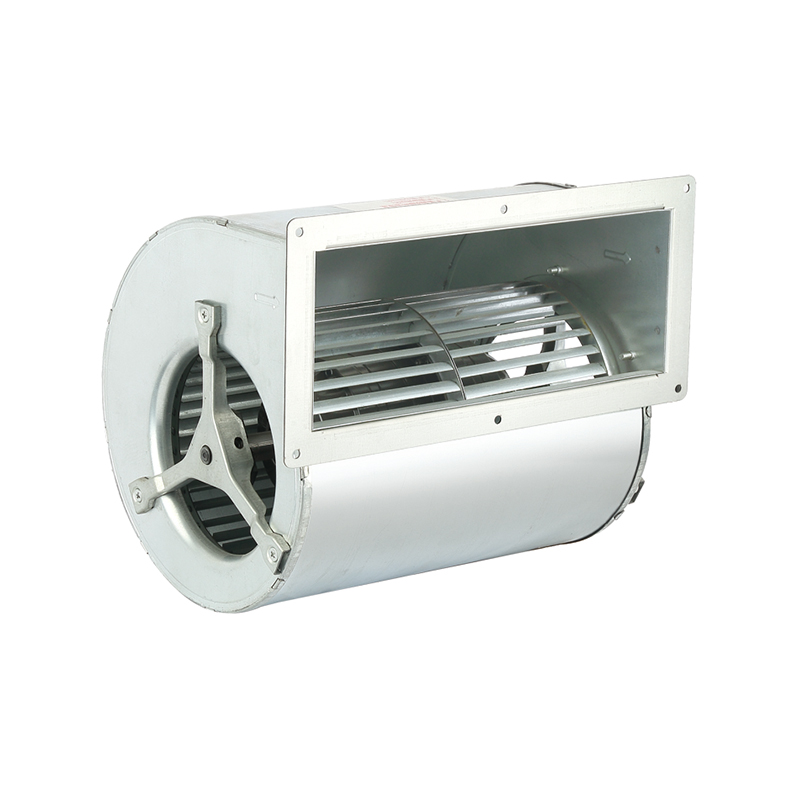
The DKT-133 Cooling Ventilation Double Inlet Air Conditioning Fan is d...
See Details
The DKT-146 Multi-Function Variable Frequency Double Inlet Air Conditi...
See Details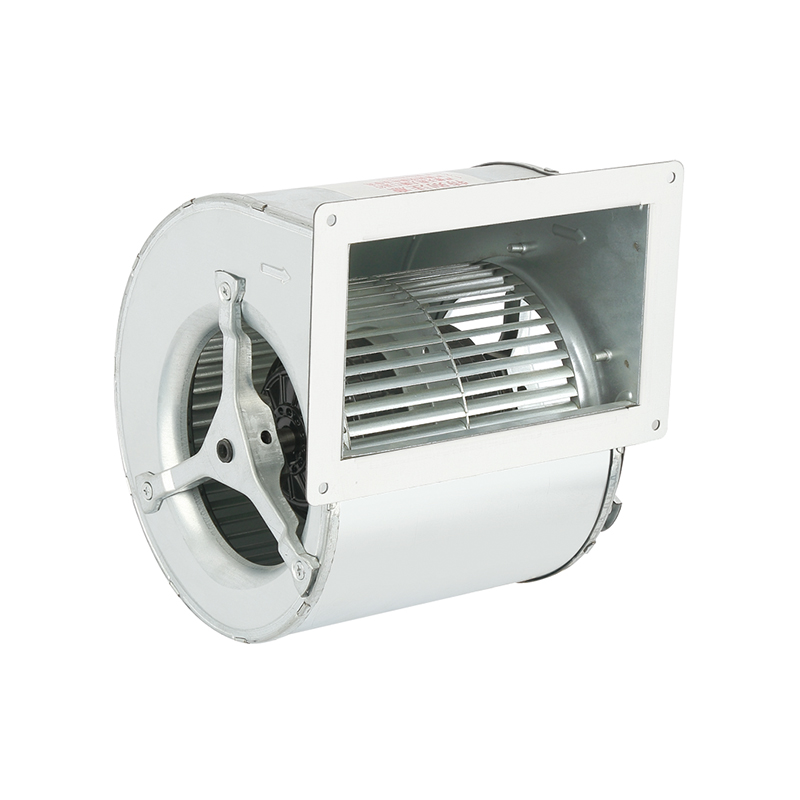
The DKT-160 Heat Dissipation Exhaust Double Inlet Air Conditioning Fan...
See Details
The DKT-180 Tilt Back Cool Down Double Inlet Air Conditioning Fan, a s...
See Details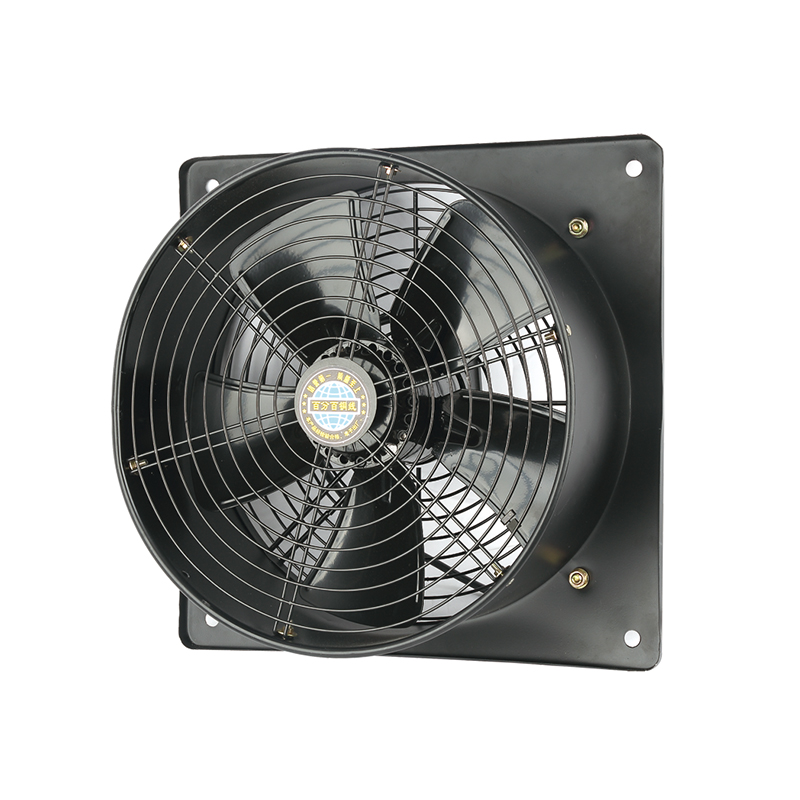
The YWF-400-2D2E Efficient Square form Axial fan is designed with a fo...
See Details
The YWF-350-2D2E Low noise Square form Axial Fan is designed with a co...
See Details
The YWF-350-4D4E Low vibration Square form Axial Fan is a outstanding ...
See Details
The YWF-400-4D4E Durable Square form Axial Fan is designed with advanc...
See Details
Qinlang focuses on providing high-quality products and considerate services, and is committed to meeting every expectation of our customers.
© Zhejiang Qinlang Electromechanical Co., Ltd.
Fans And Air-Cooling Equipment Factory
