 English
 русский
 عربى
عربى Español
Qinlang focuses on providing high-quality products and considerate services, and is committed to meeting every expectation of our customers.
The DKT-133 Cooling Ventilation Double Inlet Air Conditioning Fan is d...
See Details
Industrial operations depend heavily on reliable ventilation. Manufacturing plants, food processing facilities, warehouses, and chemical operations all rely on duct fans to move air through long networks of ducts. These fans remove heat, fumes, dust, and moisture while supplying fresh air where it is needed. Because this work continues around the clock, ventilation often ranks among the largest continuous users of electricity in industrial buildings.
Older duct fans have served reliably for many years, yet they typically consume much more power than necessary. Modern energy-efficient designs change that situation. They provide the same airflow—and frequently better overall performance—while using considerably less electricity. The outcome is lower monthly power bills, usually without any reduction in air quality or system reliability.
The main improvements appear in three areas. Modern Energy - Efficient Duct Fans often feature electronically commutated motors or high-efficiency permanent magnet motors. These motors turn electrical energy into mechanical power far more effectively than the standard induction motors used in older equipment. They generate less waste heat and operate at lower temperatures overall.
Another key advance is automatic speed adjustment. Instead of running at full power constantly, these fans slow down when less air movement is required and increase speed only when demand rises. This straightforward change creates a meaningful difference because the power needed to drive a fan rises sharply as speed increases.
The third major improvement involves blade shape and housing design. Engineers now rely on computer modeling to develop blades that move air with reduced resistance. The fan pushes air more smoothly through the duct system, so it does not need to fight as much turbulence or pressure loss.
The most noticeable saving shows up on the electricity meter. A ventilation system that once operated at constant high power can now run at lower average levels throughout the day and night. When production slows, when shifts end, or when outdoor conditions permit, the fan simply reduces its effort.
Additional benefits appear beyond the direct drop in electricity consumption. Fans that operate at lower speeds produce less heat, which allows air-conditioning equipment to work less hard to maintain comfortable indoor temperatures. Equipment that runs under lighter loads also tends to last longer before major service is required. Fewer breakdowns and less frequent motor replacements contribute to the overall financial advantage.
Many utility companies provide programs that reward facilities for installing more efficient equipment. These incentives frequently help offset a portion of the purchase and installation expenses, making the change more affordable.
Many industrial buildings still operate with ventilation systems installed twenty or more years ago. In these cases, an Energy - Efficient Duct Fan offers one of the most practical ways to modernize without a complete overhaul of the ductwork. Operators frequently discover that replacing just the fan units—while keeping the existing ducts—delivers surprisingly strong results. The new fans adapt to the current duct layout, compensate for minor restrictions, and still achieve substantial energy savings. This approach allows facilities to update their systems step by step, spreading costs over time while immediately benefiting from lower power usage and quieter operation.
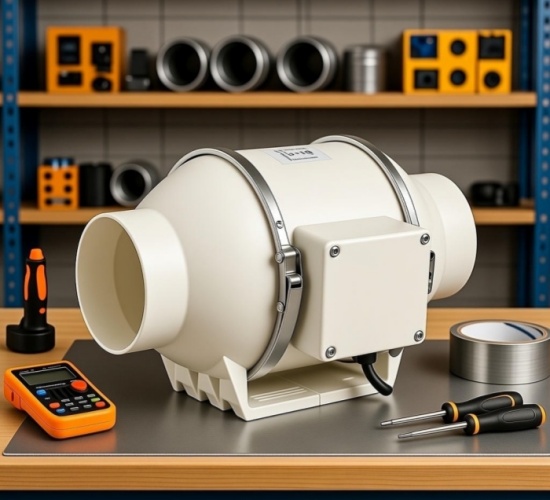
A large food processing plant that operates continuously offers one strong example. Ventilation must steadily remove steam, odors, and airborne particles from cooking and packaging areas. Traditional fans in such facilities often run at maximum speed day and night. Replacing them with models that adjust speed according to actual conditions can produce noticeably lower electricity use while maintaining product safety and air quality.
An automotive parts factory provides another typical case. Paint booths and welding zones require strong, consistent exhaust. The combination of improved motors and variable speed control allows the system to keep safe conditions in place while using less power during cleaning cycles or when fewer workstations are active.
Warehouses with tall storage racks present a further common situation. Air must circulate from floor to ceiling to avoid hot spots and moisture buildup. When ventilation equipment is placed at strategic points throughout the space, it helps maintain uniform temperature and humidity while consuming far less power than older constant-speed systems that pushed the same air volume at all times regardless of demand.
A successful upgrade usually starts with careful observation rather than immediate replacement. Facility managers often begin by reviewing current power bills and identifying the largest ongoing electrical loads. Ventilation systems commonly appear near the top of that list.
A thorough walk-through of the ductwork uncovers useful opportunities. Straight, clean ducts with minimal sharp turns allow any fan—old or new—to perform more efficiently. Fixing obvious leaks and obstructions first frequently delivers immediate improvements and makes the later fan replacement even more effective.
When choosing new equipment, select models designed specifically for the pressure and airflow demands of your building. Working with experienced ventilation specialists helps ensure the correct fan size and type match the existing system, preventing both underperformance and unnecessary oversizing.
Timing the installation also matters. Many facilities schedule upgrades during planned maintenance shutdowns or slower production periods. This approach keeps disruption to daily operations to a minimum.
Lower electricity consumption from ventilation equipment contributes to wider objectives that many organizations now pursue. Reduced energy use means fewer emissions linked to power generation. For companies that track environmental performance, these changes deliver measurable progress without requiring major alterations to core production processes.
Workers often notice positive differences as well. Quieter operation, more consistent temperatures, and fresher air create a more comfortable environment. While these improvements can be hard to quantify directly on a balance sheet, better conditions frequently lead to improved focus and fewer health-related concerns.
Modern ventilation units can connect directly to building management systems. Sensors continuously track temperature, humidity, occupancy, and air quality in real time. When any condition shifts, the equipment automatically adjusts its operating speed to deliver only what is required. This level of responsiveness eliminates unnecessary airflow during idle hours and guarantees proper movement of air during peak activity. As a result, facilities gain substantial energy savings and enjoy a system that adapts intelligently to the rhythm of daily operations. Many operators note that these smart capabilities quickly become one of the most valued aspects of the upgrade.
Energy - Efficient Duct Fans provide industrial facilities one of the more straightforward methods for lowering power costs. They target a large, continuous energy consumer using technology that has become increasingly reliable and cost-effective. Facilities that thoughtfully evaluate their current systems and select suitable modern equipment often find that the financial return arrives sooner than anticipated.
The process generally requires some initial planning and investment. Even so, the combination of reduced electricity bills, longer equipment life, possible utility incentives, and improved working conditions makes a strong case for many operations. In an era of unpredictable energy prices and rising environmental expectations, improving the efficiency of something as fundamental as duct fans represents a realistic and valuable step forward for industrial facilities of nearly any size.
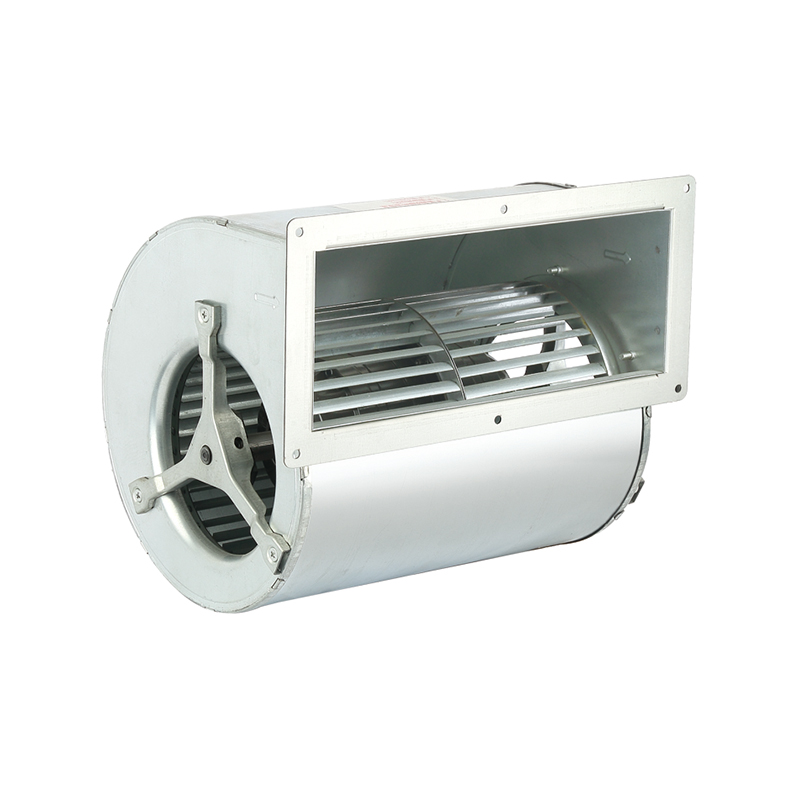
The DKT-133 Cooling Ventilation Double Inlet Air Conditioning Fan is d...
See Details
The DKT-146 Multi-Function Variable Frequency Double Inlet Air Conditi...
See Details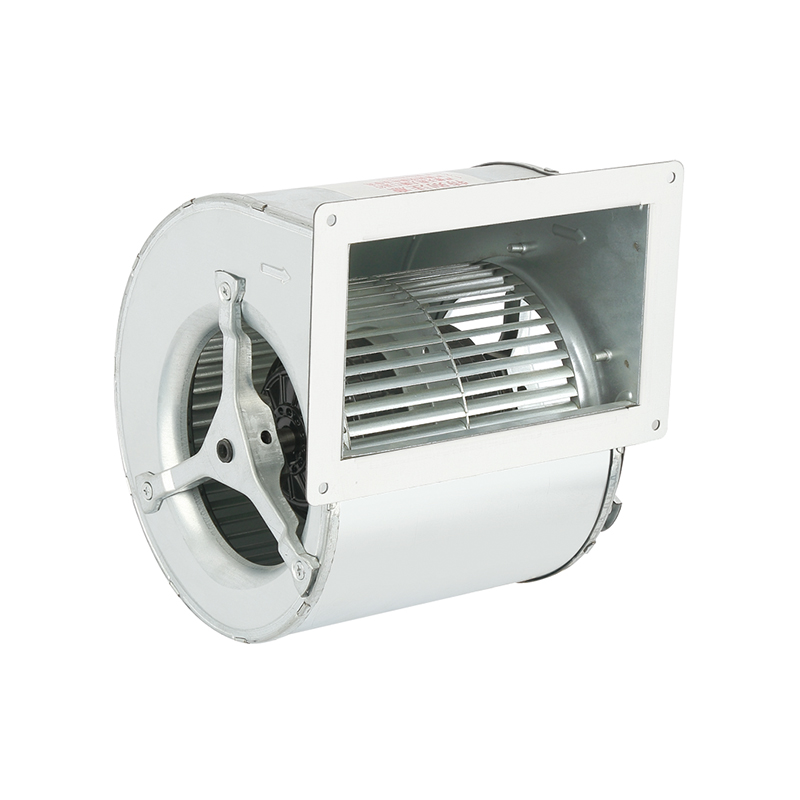
The DKT-160 Heat Dissipation Exhaust Double Inlet Air Conditioning Fan...
See Details
The DKT-180 Tilt Back Cool Down Double Inlet Air Conditioning Fan, a s...
See Details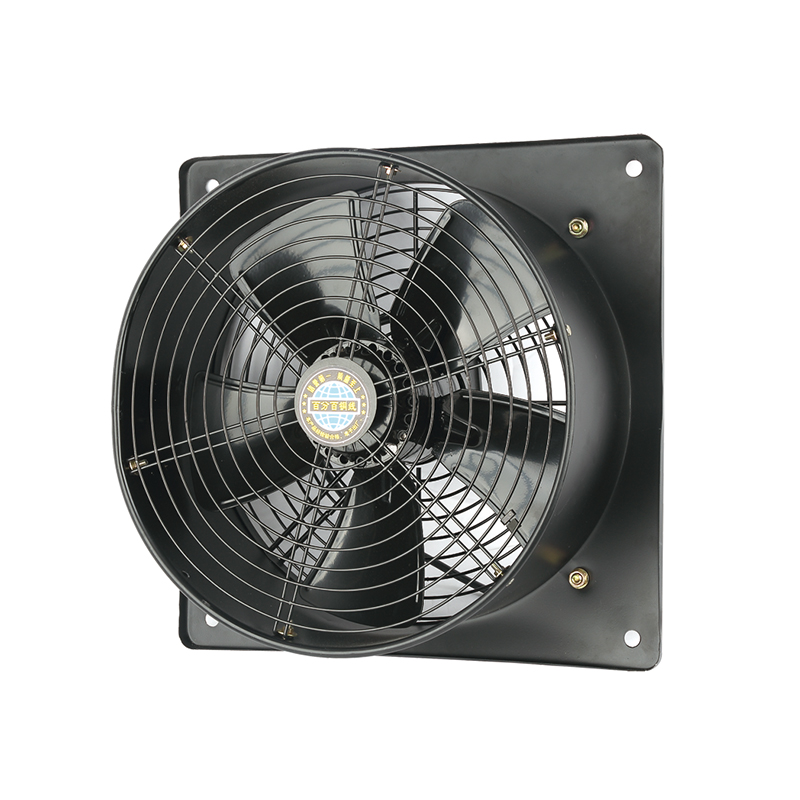
The YWF-400-2D2E Efficient Square form Axial fan is designed with a fo...
See Details
The YWF-350-2D2E Low noise Square form Axial Fan is designed with a co...
See Details
The YWF-350-4D4E Low vibration Square form Axial Fan is a outstanding ...
See Details
The YWF-400-4D4E Durable Square form Axial Fan is designed with advanc...
See Details
Qinlang focuses on providing high-quality products and considerate services, and is committed to meeting every expectation of our customers.
© Zhejiang Qinlang Electromechanical Co., Ltd.
Fans And Air-Cooling Equipment Factory
