 English
 русский
 عربى
عربى Español
Qinlang focuses on providing high-quality products and considerate services, and is committed to meeting every expectation of our customers.
The DKT-133 Cooling Ventilation Double Inlet Air Conditioning Fan is d...
See Details
Multi stage centrifugal fan is a mechanical air moving device designed to generate increased pressure by a series of rotation stages arranged along a common axis. In contrast to a single-stage arrangement which relies on a single impeller to speed up and redirect the flow, this type of fan employs a plurality of impellers arranged in series so that the air passes through a number of pressure-building steps before it reaches the exit.
This structure makes it possible for the fan to deal with situations in which the air flow has to overcome an extended duct length, an internal system resistance, or a layered treatment environment.Instead of attempting to force all energy transfer into a single rotation, the multi stage arrangement distributes the workload across several stages, creating a more gradual and controlled pressure rise.
In many industrial and commercial systems, air movement is not simply about volume. Resistance caused by filters, bends, heat exchangers, or processing chambers can reduce effectiveness if pressure capability is limited. A multi stage centrifugal fan addresses this challenge by focusing on pressure development through cumulative energy conversion rather than relying on high speed operation at a single point.
Understanding the main components of a multi stage centrifugal fan helps explain how this type of equipment supports airflow in systems where resistance is present across multiple sections. Rather than focusing on output claims or numerical indicators, examining structure and internal coordination provides a clearer picture of how such a fan operates within industrial and commercial environments.
A multi stage centrifugal fan is built around the idea of progressive airflow management. Each internal element contributes to guiding, shaping, and transferring energy to moving air in a controlled sequence. The arrangement of these elements reflects long established engineering practices rather than short term performance targets.
Impellers And Stage Arrangement
Impeller is a rotary part that transfers mechanical energy to air. In multi-stage centrifugal fan, more than one impeller is arranged along a common axis. Each unit forms a separate stage, and together they form a step-like air flow path.
The impellers do not act independently, but act in sequence. Air leaving one stage enters the next with an adjusted flow pattern, allowing pressure to build gradually. This arrangement helps to control the internal resistance and does not depend on a sudden change in direction.
Key aspects of impeller arrangement include:
The number of stages is determined by system needs rather than a fixed design rule. What remains consistent is the principle of progressive energy transfer.
Fan Casing And Internal Flow Channels
The casing encloses the rotating assembly and plays a significant role in directing airflow. In a multi stage centrifugal fan, the housing is shaped to support controlled movement between stages while minimizing unnecessary turbulence.
Internal flow channels guide air through each stage without abrupt interruptions. These pathways help maintain continuity, allowing pressure to increase in a predictable manner. The casing also provides structural support and protects internal components from external influences.
Common casing characteristics include:
Rather than acting as a passive shell, the casing functions as an active part of airflow management.
Shaft Assembly And Rotational Support
The shaft connects all impellers and transmits rotational motion from the drive system. In multi stage designs, this component must maintain alignment across multiple stages to ensure stable operation.
Rotational support is provided through bearing systems positioned to manage load distribution. These supports help maintain smooth motion and reduce unwanted movement that could affect internal flow balance.
Key considerations related to the shaft assembly include:
Proper coordination between shaft and bearings contributes to reliable airflow behavior over extended operating periods.
Bearings And Load Management
Bearings support the rotating shaft and help manage radial and axial forces generated during operation. In a multi stage centrifugal fan, load conditions can vary depending on airflow resistance and system configuration.
Bearing placement is selected to balance mechanical forces rather than maximize speed. This approach aligns with the overall design philosophy of gradual energy application.
Functions of the bearing system include:
Although often hidden from view, bearings play a central role in sustaining operational consistency.
Drive System And Power Transfer
The drive system provides rotational energy to the fan assembly. This may involve direct coupling or belt driven arrangements, depending on installation requirements and system layout.
Power transfer is designed to be steady rather than abrupt. Smooth energy delivery supports controlled airflow progression through each stage and helps maintain internal balance.
Typical drive system elements include:
Rather than focusing on output intensity, the drive system supports dependable motion aligned with system demands.
Diffusers And Directional Elements
Between stages, diffusers or guide elements help adjust airflow direction and velocity. These components allow air leaving one impeller to enter the next stage with a controlled pattern.
By managing flow transitions, diffusers help reduce internal disturbances that could disrupt pressure development. Their shape and placement are determined by airflow behavior rather than fixed dimensions.
Roles of diffusers include:
These elements contribute to the fan ability to operate within complex airflow networks.
Sealing Components And Air Containment
Sealing components help limit unintended air movement within the fan assembly. By controlling internal leakage, these elements support consistent airflow through the intended path.
Seals are placed at locations where rotating and stationary parts meet. Their role is functional rather than promotional, focusing on maintaining internal balance.
Functions of sealing elements include:
Although small in size, these components influence overall airflow behavior.
Structural Frame And Mounting Base
The structural frame supports the entire assembly and connects the fan to its installation environment. Stability at this level helps ensure that internal components remain aligned during operation.
Mounting bases are designed to accommodate system integration without imposing unnecessary stress on the fan structure. This supports long term reliability and predictable performance.
Structural elements provide:
The frame serves as the foundation upon which all other components function together.
Relationship Between Components
Each component of a multi stage centrifugal fan is designed to work in coordination with others. No single part defines performance on its own. Instead, the interaction between impellers, casing, shaft, and flow guides shapes airflow behavior.
This interconnected structure reflects a system oriented design approach. Adjustments to one element influence overall airflow dynamics, reinforcing the importance of balanced engineering choices.
| Component Group | Primary Function |
|---|---|
| Impellers | Energy transfer to airflow |
| Casing | Flow guidance and containment |
| Shaft and bearings | Rotational stability |
| Diffusers | Flow direction management |
| Seals | Air containment |
| Frame | Structural support |
The main components of a multi stage centrifugal fan form an integrated structure designed to manage airflow through progressive stages. By distributing energy transfer and guiding air carefully, these elements support operation in environments where resistance is part of normal system behavior.
When people first hear the term multi stage centrifugal fan, they usually think it is complex or incomprehensible. In fact, the operational logic is fairly straightforward once you have explained the airflow path in a step-by-step manner. The fan does not depend on a single strong movement. Instead, it uses a series of smaller movements, which interact with each other as the air moves through the interior.
This method is widely applied in systems in which the air flow has to pass through long lines or many inner segments. The fan supports this motion by directing the air in a controlled manner instead of forcing it through all resistance at once.
Starting Point Of Airflow Movement
The working process begins at the inlet, where air is drawn into the fan housing. The inlet area is shaped to allow air to enter smoothly. This matters because airflow that enters in an uneven way can affect everything that happens afterward.
Once inside, air reaches the center of the first rotating impeller. At this point, the fan has not yet increased pressure in a noticeable way. The main change is direction. Air that was moving forward is now guided outward due to the rotation of the impeller.
This redirection is the foundation of centrifugal operation. The rotating blades push air away from the center, setting the entire process in motion.
Energy Transfer At Each Stage
In a multi stage centrifugal fan, more than one impeller is used. Each impeller represents a separate stage. The key idea is that every stage adds a portion of energy to the airflow.
After passing through the first impeller, air does not leave the fan. Instead, it enters an inner passage that leads to the next phase. During this transformation, the air flow velocity and direction are adjusted prior to entering the next impeller.
This repeated sequence is what defines how the fan works:
Rather than applying all energy in one moment, the fan spreads it across multiple steps.
Why Air Does Not Rush Through
It's a common misconception that air current is just going faster and faster as it goes through the fan. In practice, the situation is more balanced. While velocity increases at certain points, it is also controlled and redirected.
Between stages, airflow often slows slightly as it changes direction. This change allows part of the movement energy to become pressure. The fan does not rely on constant acceleration. It relies on careful management of airflow behavior.
This balance between movement and control is essential for systems where airflow resistance exists throughout the system.
Internal Flow Guidance
Inside the fan housing, airflow does not travel randomly. Internal shapes guide it from one stage to another. These shapes are designed to reduce sudden changes in direction that could disturb the flow.
Diffusers and guide channels assist in preparing air for the next impeller. They align the air flow so that it enters the next phase under stable conditions. Without such guidance, the transmission of energy would be uneven.
In simple terms, these internal parts act like traffic lanes, keeping airflow organized as it moves forward.
Continuous Operation And Rotation
Once the fan is running, the shaft and impellers rotate continuously. This creates a steady movement of air rather than a pulsing or uneven flow. Bearings support this motion by keeping the shaft aligned.
Because each stage operates under similar conditions, airflow remains predictable. There are no sudden jumps in behavior. This is one reason multi stage centrifugal fans are often used in systems that operate for long periods.
The working process is designed to remain stable rather than dynamic.
How Pressure Builds Gradually
Pressure development is not caused by one single event. It happens as air moves through each stage. Every impeller contributes a portion of energy, and these portions add together.
By the time the air reaches its final phase, it has gone through several controlled transitions. This prepares it for movement through downstream components such as pipes or processing facilities.
This gradual buildup helps airflow handle resistance spread across different parts of the system.
Airflow Exit And System Connection
After leaving the last impeller, air exits the fan housing through the outlet. At this point, the fan has completed its role. The air is now ready to continue its path through the connected system.
The outlet shape helps guide airflow into the next section smoothly. A well aligned connection supports continued airflow without disruption.
The fan does not work in isolation. Its working process is closely tied to how the surrounding system is arranged.
How Multi Stage Operation Supports Real Systems
Many real world systems include elements that restrict airflow. These may include filters, bends, or internal chambers. A multi stage centrifugal fan supports these systems by preparing airflow gradually.
Instead of meeting all resistance at once, air is guided step by step. Each stage helps it move forward without sudden changes.
This working method offers practical benefits such as:
The difference between single stage and multi stage operation can be explained with a simple comparison.
| Working Aspect | Single Stage Fan | Multi Stage Fan |
|---|---|---|
| Energy input | One main action | Several smaller actions |
| Flow control | Limited internal adjustment | Ongoing guidance |
| Pressure change | Concentrated | Gradual |
| Typical system | Short airflow path | Extended airflow path |
This comparison shows that the working principle of a multi stage centrifugal fan is built around progression rather than intensity.
Everyday Explanation
One common way to understand this process is to think of pushing a cart up a long slope with a few gentle slopes rather than a single steep push. Every slope helps to push the cart forward with no sudden force.
The fan works in a similar way. Each stage supports airflow a little more, making the entire journey manageable.
In plain terms, a multi stage centrifugal fan works by moving air through a series of rotating impellers, guiding it carefully between stages, and allowing pressure to increase step by step. The fan does not depend on extreme conditions. It depends on coordination between internal parts.
This working logic makes it suitable for systems where airflow must remain stable over time.
A multi stage centrifugal fan is built around practical needs rather than flashy specifications. Its design reflects years of industry experience with systems where air has to move through multiple points of resistance. Each component plays a role, and together they ensure smooth, predictable airflow.
The fan does not rely on one impeller to do all the work. Instead, energy is added gradually across several stages. Air enters one stage, gains some momentum, and then moves on to the next. This helps prevent turbulence and allows pressure to rise steadily through the system.
The impellers are placed along a common shaft with careful spacing. This arrangement keeps airflow moving in the intended direction and reduces internal disturbances. Air passing from one stage to the next remains smooth rather than hitting sudden changes in speed or direction.
Inside the housing, air is guided along controlled channels. Curves and vanes help move it from stage to stage without abrupt turns. This reduces uneven flow and makes the energy transfer more predictable.
Pressure is built up in steps. Each stage contributes, so by the time air leaves the fan, it has adjusted to the system's resistance. This stepwise pressure increase is essential for systems that include filters, ducts, or other internal obstacles.
Between impellers, fixed vanes or diffusers shape the airflow. They don't rotate, but their positioning helps align air as it enters the next stage. This reduces turbulence and ensures each stage works efficiently.
The fan's shaft, bearings, and frame are arranged to keep everything stable during operation. Proper support minimizes vibration and maintains consistent rotation. This helps keep airflow steady over long periods.
The casing is more than a cover. Its internal shape directs air along smooth paths and helps maintain alignment of components. It ensures that transitions between stages happen in an organized way.
The fan can work in different ducting arrangements or systems with varying resistance. Internal design allows air to adjust naturally, so the fan performs reliably without needing external modifications.
Components are positioned to support steady airflow over long operating cycles. Gradual energy addition, stable alignment, and guided flow help avoid sudden fluctuations, making the fan suitable for ongoing system use.
Every part has a distinct function: impellers move air, guides shape it, and the frame holds everything in place. This separation keeps the design simple, predictable, and easier to maintain.
Multi stage centrifugal fans work quietly behind the scenes in many systems, moving air through multiple stages without sudden changes. The impellers, guides, and casing all play their part, shaping airflow and managing pressure along the way. Because energy is added gradually and flow is guided carefully, the fan can handle resistance in ducts, filters, or other internal sections without losing stability. Over time, this approach helps the system run smoothly and steadily. In practical use, the design shows that attention to detail—how parts are arranged and how air moves from one stage to the next—makes a real difference in keeping airflow controlled and reliable.
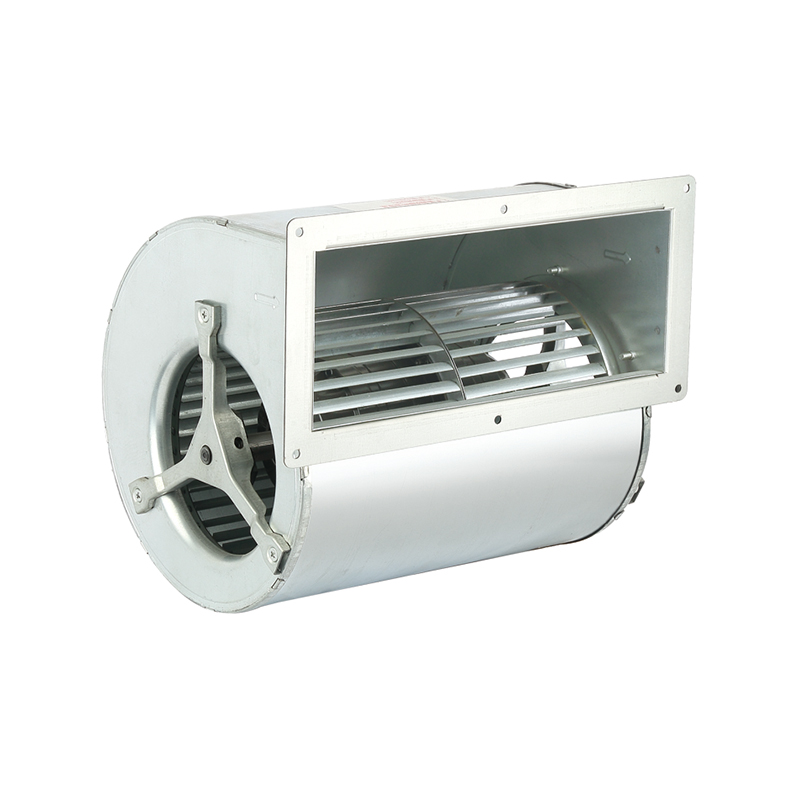
The DKT-133 Cooling Ventilation Double Inlet Air Conditioning Fan is d...
See Details
The DKT-146 Multi-Function Variable Frequency Double Inlet Air Conditi...
See Details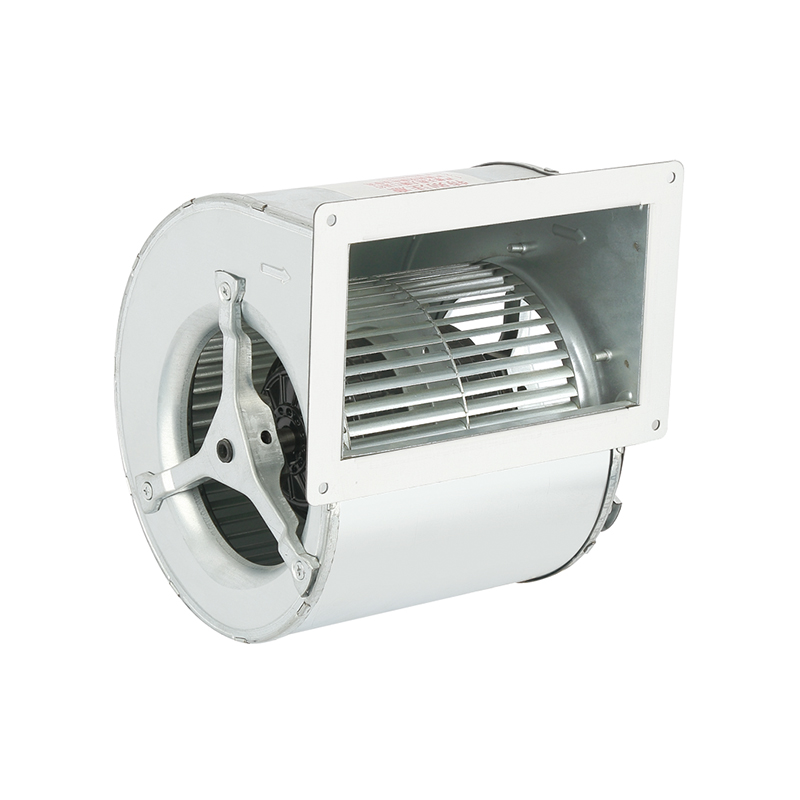
The DKT-160 Heat Dissipation Exhaust Double Inlet Air Conditioning Fan...
See Details
The DKT-180 Tilt Back Cool Down Double Inlet Air Conditioning Fan, a s...
See Details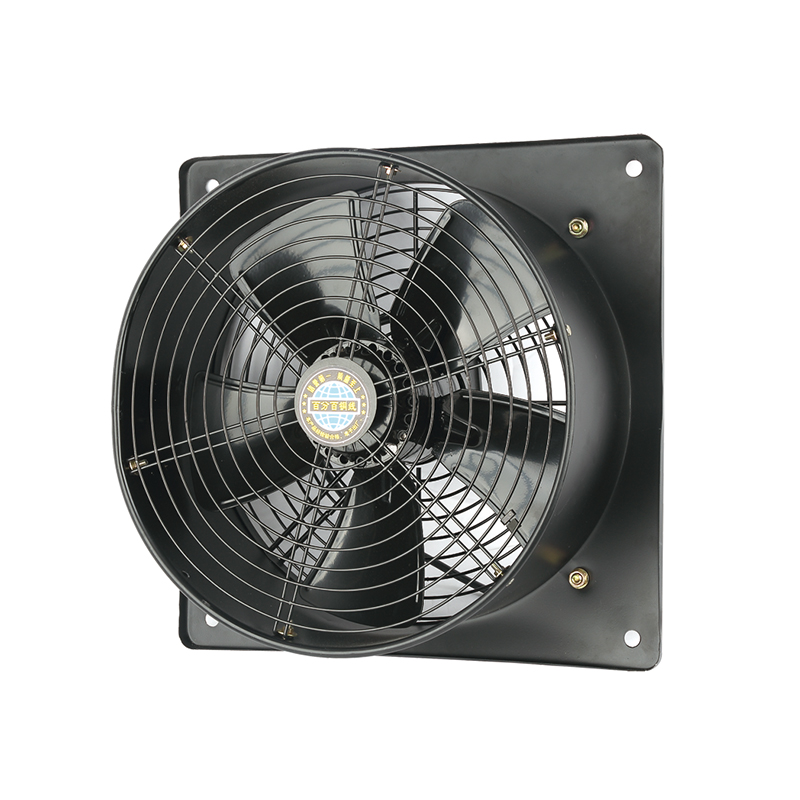
The YWF-400-2D2E Efficient Square form Axial fan is designed with a fo...
See Details
The YWF-350-2D2E Low noise Square form Axial Fan is designed with a co...
See Details
The YWF-350-4D4E Low vibration Square form Axial Fan is a outstanding ...
See Details
The YWF-400-4D4E Durable Square form Axial Fan is designed with advanc...
See Details
Qinlang focuses on providing high-quality products and considerate services, and is committed to meeting every expectation of our customers.
© Zhejiang Qinlang Electromechanical Co., Ltd.
Fans And Air-Cooling Equipment Factory
