 English
 русский
 عربى
عربى Español
Qinlang focuses on providing high-quality products and considerate services, and is committed to meeting every expectation of our customers.
The DKT-133 Cooling Ventilation Double Inlet Air Conditioning Fan is d...
See Details
High Pressure Centrifugal Fan units are workhorses in heavy industry. They move air and gas through restrictive paths in boilers, kilns, mines, dust collectors, scrubbers, and conveying systems where pressures commonly reach 5 to 35 kPa and occasionally higher.
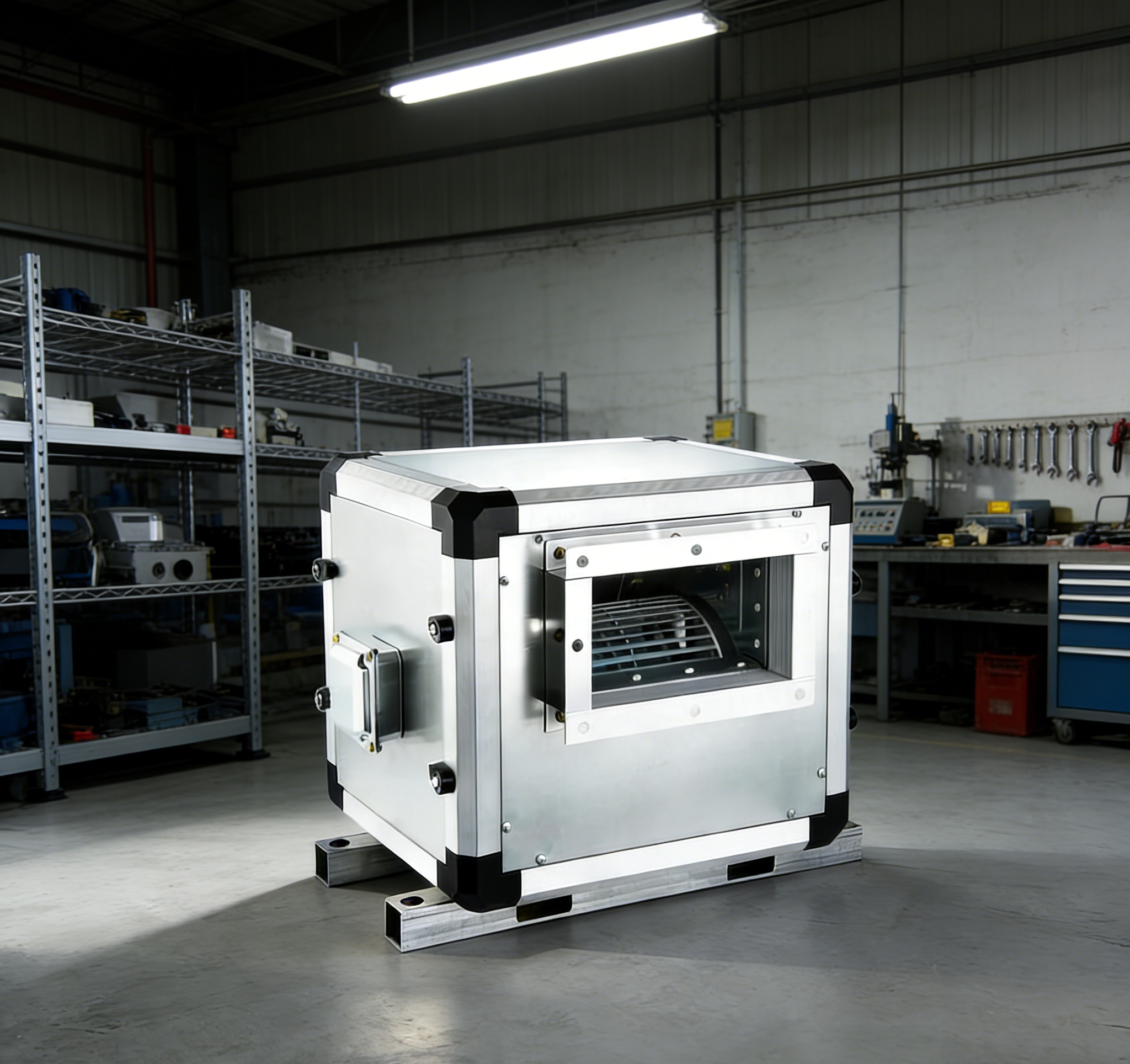
The impeller blades endure the harshest conditions. Rotation at 1,400–4,800 rpm creates strong centrifugal tension that peaks at the tips and blade-to-hub junctions. Aerodynamic pressure differences bend and twist the blades with every revolution. Frequent cycling builds fatigue damage. Abrasive particles scour leading edges and surfaces. Corrosive gases—acids, sulfur compounds, chlorides—cause pitting or cracking. Temperatures above 350 °C reduce strength and accelerate oxidation or creep in many alloys. In particularly aggressive environments, such as those found in waste-to-energy plants or secondary aluminum smelters, blades can face simultaneous high heat, alkali attack, and fine particulate bombardment, making material degradation a constant concern.
Suitable blade materials combine high strength at service temperature, excellent fatigue endurance, good toughness, resistance to abrasion and chemical attack, thermal stability where required, and moderate density to control inertia and bearing loads. Fabrication must be practical—casting, welding, machining, or composite layup—and costs must fit the application's duty cycle and downtime tolerance. The best choice weighs initial expense against long-term savings in maintenance, energy, and reliability. Engineers also consider repairability; some alloys weld easily for field fixes, while others demand specialized shops, increasing turnaround time during outages. Weldability becomes especially valuable in large-diameter fans where onsite repairs avoid full impeller replacement.
Carbon and low-alloy steels handle clean, moderate-temperature air in forced-draft boilers and general exhaust systems. They offer solid strength at low cost.
Austenitic stainless steels (304L, 316L, 317L) resist moisture, mild acids, and chlorides in wastewater, pulp mills, food processing, and chemical fume applications.
Martensitic and precipitation-hardening stainless grades provide higher mechanical properties when pressure demands thicker sections are undesirable. Coatings or treatments often protect them from corrosion.
Nickel-based superalloys (Inconel 718, 625, select Hastelloys) manage extreme heat (500–800 °C), oxidation, sulfidation, and stress in coal/biomass boiler induced-draft fans, fluidized beds, and metallurgical furnaces. These alloys frequently justify their premium price in processes where even brief downtime costs tens of thousands of dollars per hour.
Aluminum alloys reduce weight for frequent starts or limited drive capacity. Anodizing or polymer coatings add abrasion and corrosion protection when required.
Glass-fiber-reinforced plastics offer corrosion resistance and lower weight for chemical exhaust and moderately corrosive streams up to 120–150 °C.
Carbon-fiber composites deliver superior strength-to-weight ratios. Lighter blades allow higher speeds, smaller diameters, or reduced power for the same performance. Vibration damping extends bearing and motor life and quiets operation. Metallic leading-edge guards or hybrid builds protect against particulate erosion. In modern designs, full composite impellers are increasingly seen in cleaner applications where energy savings from reduced inertia outweigh abrasion risks.
Tungsten- or chromium-carbide overlays fight abrasion. Ceramic coatings add chemical resistance. Aluminide diffusion layers create stable oxide scales for prolonged high-temperature service. Multi-layer coating systems are now common, combining a tough base layer with a low-friction topcoat to balance wear resistance and aerodynamic smoothness. Some newer coatings incorporate nano-particles that improve adhesion and reduce micro-cracking under cyclic loads.
Define exact conditions first: pressure, flow, temperature range, gas composition, dust type/loading, annual hours, and design life. Finite element analysis maps stresses from centrifugal, pressure, thermal, and vibrational sources.
Compare candidates using strength-at-temperature data, fatigue curves, corrosion rates in the specific environment, density, and expansion. Calculate total ownership cost, including material/fabrication, inspections, repairs, downtime, and energy differences from weight.
Test prototypes or coupons under accelerated conditions—vibration, thermal cycling, corrosive exposure, abrasive impingement—to confirm durability. Recycled-content alloys and lower-impact composites gain favor when performance is maintained. Many specifications now include clauses requiring suppliers to document the carbon footprint of proposed materials. Third-party certification of corrosion resistance in simulated plant atmospheres is becoming standard for critical applications.
The impeller accelerates gas radially, raising velocity. The volute or diffuser converts kinetic energy to static pressure. Affinity laws govern scaling: flow proportional to speed, pressure to speed squared, power to speed cubed. Peak efficiency in well-built high-pressure centrifugal fan designs typically falls between 70 and 85 %. Small improvements of 2–4 points in efficiency can save hundreds of thousands of dollars annually in large continuous-duty installations.
Backward-curved blades usually provide the highest efficiency and a non-overloading power characteristic. Radial blades reliably handle dirty or sticky gases and generate high pressure. Forward-curved designs move large volumes at moderate pressure but risk motor overload if resistance drops.
Blade profile, inlet/exit angles, thickness, camber, and count determine flow attachment and loss levels. Backward curves minimize separation. Bell-mouth inlets and guide vanes reduce entry turbulence. Diffusers with 7–10° expansion recover pressure efficiently.
Computational fluid dynamics identifies separation, recirculation, and uneven loading. Adjustments to blade lean, hub shape, volute geometry, or tongue profile improve results. Trailing-edge serrations or vortex generators frequently boost efficiency a few points and lower noise. Recent designs borrow biomimetic features, such as subtle leading-edge tubercles inspired by humpback whale flippers, to further delay stall and widen the stable operating range. Some manufacturers now incorporate slight blade twist variations along the radius to better match the changing peripheral velocity.
Variable-frequency drives match speed to demand and save far more energy than damper or vane throttling. Inlet guide vanes offer efficient control over a wide range.
Minimize system resistance with straight ducts, large-radius bends, appropriate transport velocities, and correctly sized filters. Parallel fans share load and provide redundancy; series arrangements multiply pressure for very restrictive paths.
Permanent instrumentation—pressure, flow, vibration, bearing temperature, motor current—supports condition monitoring. Trend analysis and predictive tools detect wear, imbalance, or fouling early, preserving efficiency. Many plants now integrate fan performance data into plant-wide digital twins for real-time optimization. Wireless vibration sensors and cloud-based analytics allow remote diagnostics, reducing the need for frequent site visits.
Lighter materials enable higher speeds or smaller wheels for the same pressure with less power. Corrosion/erosion-resistant alloys maintain tight tip clearances longer, cutting leakage losses.
Protective coatings preserve smooth profiles, preventing gradual efficiency decline from roughness. Cleaner flow reduces stress concentrations, allowing thinner sections or lighter alloys while keeping safety margins. The combination of advanced composites with CFD-optimized profiles often yields the largest single-step efficiency gains in new installations.
Additive manufacturing enables optimized internal structures, variable-density zones, and smooth transitions between strength and wear resistance in a single part. Responsive materials that subtly adjust shape or stiffness could enable self-tuning blades. Machine learning on sensor data will identify patterns and recommend incremental improvements in alloy, coating, or profile.
Combining thoughtful material selection with precise aerodynamic design produces High Pressure Centrifugal Fan equipment that uses less power, requires less maintenance, operates more quietly, and provides dependable performance over many years. In continuous-process industries these advantages deliver substantial cost and emissions reductions.
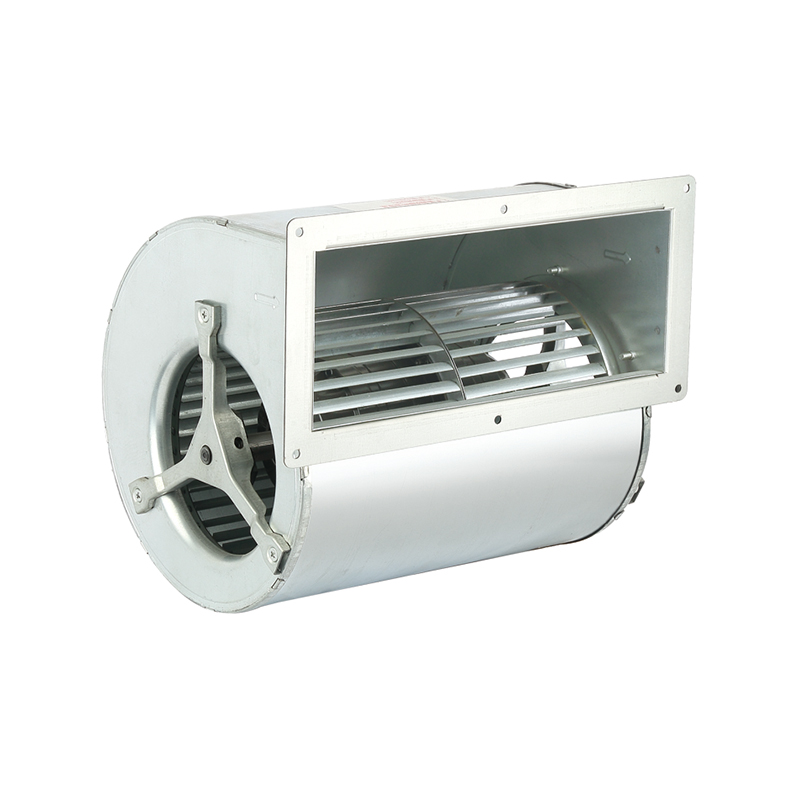
The DKT-133 Cooling Ventilation Double Inlet Air Conditioning Fan is d...
See Details
The DKT-146 Multi-Function Variable Frequency Double Inlet Air Conditi...
See Details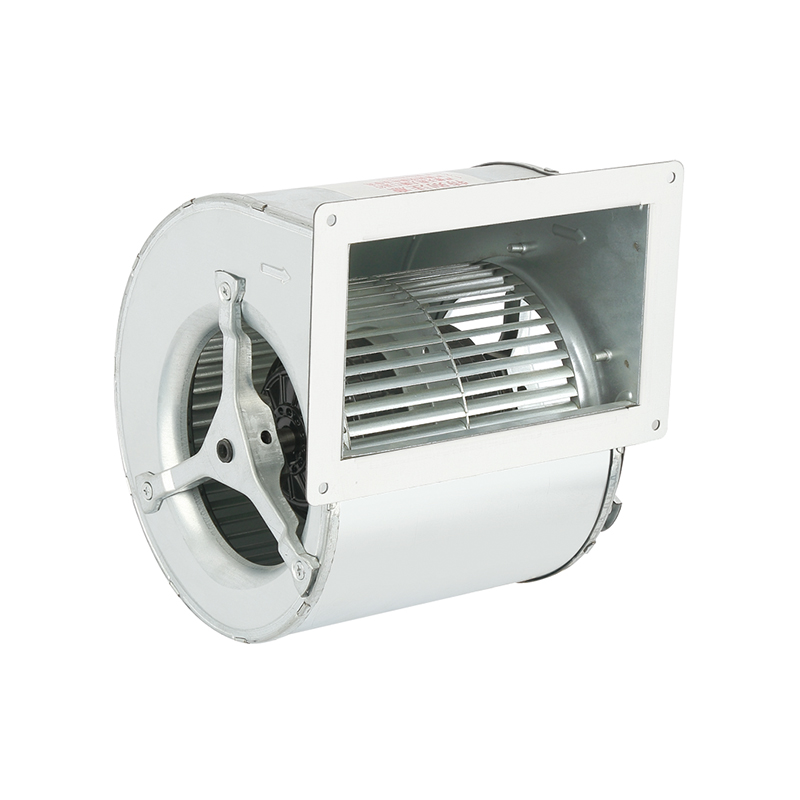
The DKT-160 Heat Dissipation Exhaust Double Inlet Air Conditioning Fan...
See Details
The DKT-180 Tilt Back Cool Down Double Inlet Air Conditioning Fan, a s...
See Details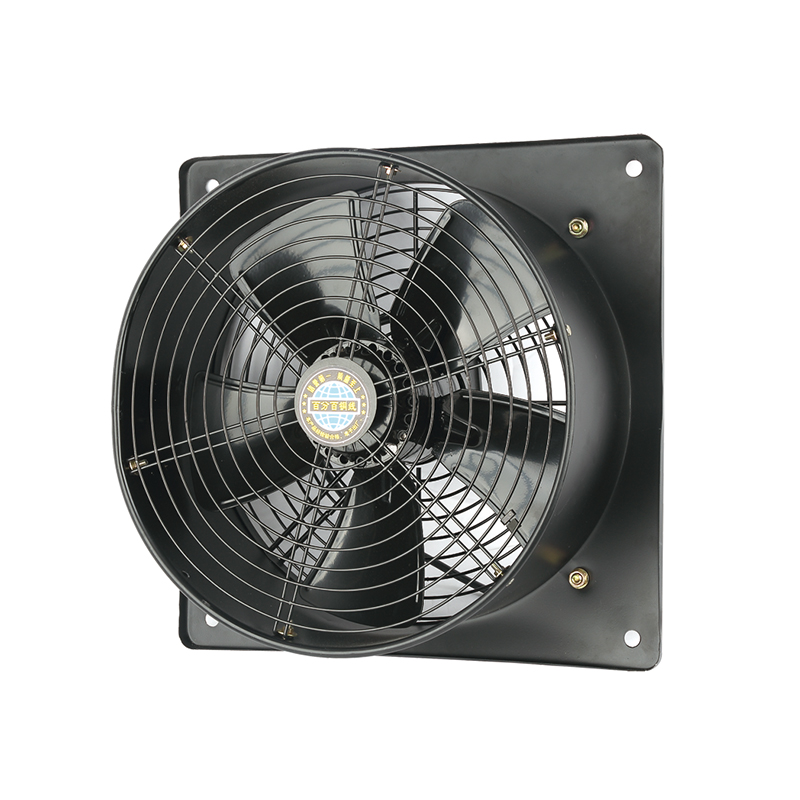
The YWF-400-2D2E Efficient Square form Axial fan is designed with a fo...
See Details
The YWF-350-2D2E Low noise Square form Axial Fan is designed with a co...
See Details
The YWF-350-4D4E Low vibration Square form Axial Fan is a outstanding ...
See Details
The YWF-400-4D4E Durable Square form Axial Fan is designed with advanc...
See Details
Qinlang focuses on providing high-quality products and considerate services, and is committed to meeting every expectation of our customers.
© Zhejiang Qinlang Electromechanical Co., Ltd.
Fans And Air-Cooling Equipment Factory
