 English
 русский
 عربى
عربى Español
Qinlang focuses on providing high-quality products and considerate services, and is committed to meeting every expectation of our customers.
The DKT-133 Cooling Ventilation Double Inlet Air Conditioning Fan is d...
See Details
Handheld airflow devices using axial movement are usually designed for situations where air needs to be directed forward in a relatively controlled path. The structure looks simple from the outside, but inside it is a combination of airflow routing, rotation stability, and housing constraints.
In real production work, a Handheld Axial Fan Manufacturer often has to deal with small trade-offs that are not obvious at first glance. A slight change in internal spacing or blade angle can shift how the airflow feels when the device is held at different positions.
Air moves in a straight direction along the axis of rotation in this type of fan. That sounds straightforward, but the actual behavior depends on how clean the internal path is and how the rotating components interact with incoming air.
In practice, air enters through a front opening, gets accelerated by spinning blades, and exits without much deviation in direction. The idea is not to spread air widely but to keep it relatively focused.
A Handheld Axial Fan Manufacturer usually pays attention to how air behaves after leaving the outlet, not just what happens inside the structure. Even small disturbances inside the channel can change how stable the airflow feels in hand use.
Motor and blade design are closely linked in handheld systems. The motor provides rotation stability, while the blade geometry decides how that motion turns into airflow.
In many compact designs, the focus is not only on rotation speed but on keeping that rotation steady under movement. Handheld use is not a fixed condition, so the internal system has to tolerate slight changes in angle and grip.
A few practical design points often come up during development:
A Handheld Axial Fan Manufacturer usually tests these combinations together instead of evaluating parts separately, since interaction effects matter more than isolated performance.
Design decisions inside the housing often decide how the airflow is perceived. If the internal path has too many interruptions, the air stream can feel unstable. If it is too open, the direction becomes less defined.
So the design process tends to sit in a middle zone. Air needs a guided path, but not a restrictive one. This balance is not always visible from outside the product.
The way the device is held also influences the experience. Grip angle, weight shift, and outlet direction all interact with airflow behavior in real use, which is why design and ergonomics are usually adjusted together rather than separately.
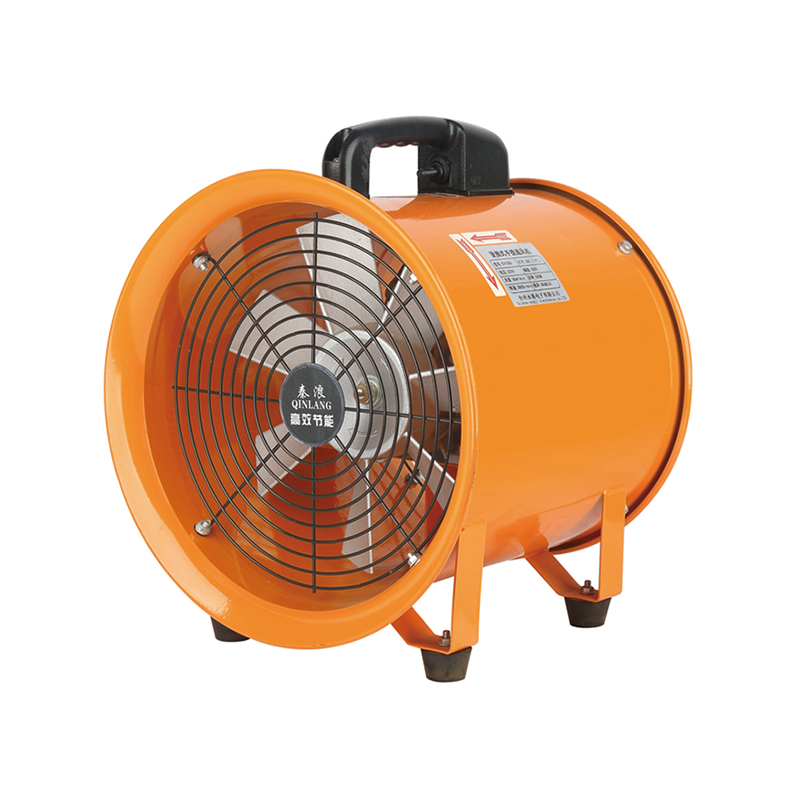
Material choices are usually driven by a mix of weight control and structural reliability. Since the device is handheld, even small differences in material density can affect comfort during longer operation.
Outer parts are generally selected for shape stability and resistance to deformation. Internal rotating components need to stay light enough to avoid unnecessary load on the motor system.
| Component | Material consideration | Practical role |
|---|---|---|
| Outer shell | Keeps structure stable during use | Protects internal system |
| Rotating blades | Keeps weight low while maintaining shape | Supports smoother airflow movement |
| Internal support frame | Maintains alignment under motion | Keeps system balance during operation |
A Handheld Axial Fan Manufacturer usually looks at these parts as a connected system. Changing one material often shifts how the whole device behaves under real use conditions.
Noise and vibration in handheld airflow devices rarely come from a single source. In most cases, it is a combination of rotation imbalance, airflow turbulence, and structural resonance inside a compact housing.
A Handheld Axial Fan Manufacturer usually approaches this as a system behavior issue rather than an isolated motor problem. When the internal alignment is slightly off, the effect can be noticed immediately during handheld use, especially when the device is held close to the face or body.
What tends to matter in practice is not only reducing sound, but also keeping the vibration pattern stable so it does not shift during different operating angles. This is why internal balance and structural fitting are adjusted together during development.
Customization in handheld fan production is usually not limited to appearance changes. It often extends into airflow behavior, internal structure, and even how the device is assembled for different use cases.
In cooperation with a Handheld Axial Fan Manufacturer, OEM and ODM processes typically move through iterative adjustments rather than fixed steps. A design may start from a basic structure, then gradually shift depending on airflow requirements or portability expectations.
Some adjustments often include housing reshaping, blade adaptation, or control layout changes. These are not treated as independent modifications, since each change can influence airflow stability and handling feel at the same time.
Handheld axial airflow devices appear in different environments where localized air movement is needed without installing larger systems. The usage pattern is usually tied to mobility and short-duration operation rather than continuous large-scale cooling.
A Handheld Axial Fan Manufacturer often sees demand coming from environments where flexibility matters more than fixed installation. In many cases, the device is used temporarily and repositioned frequently depending on the task.
| Application area | Usage condition | Airflow requirement |
|---|---|---|
| Maintenance work | Close-range operation | Directional and steady airflow |
| Outdoor activity use | Variable environment | Portable and adaptable airflow |
| Equipment handling | Targeted cooling support | Controlled airflow direction |
Each scenario places different expectations on airflow behavior, especially in terms of how stable the output remains under movement.
Energy use in handheld airflow devices is closely linked to motor behavior and airflow resistance. When internal resistance is high, the system requires more energy to maintain the same airflow output.
A Handheld Axial Fan Manufacturer often adjusts both electrical and mechanical elements together rather than focusing on battery capacity alone. The goal is usually to reduce unnecessary load on the system so energy is used in a more controlled way.
Several design decisions can influence this balance:
These factors work together, and small improvements in one area can affect overall energy behavior more than expected.
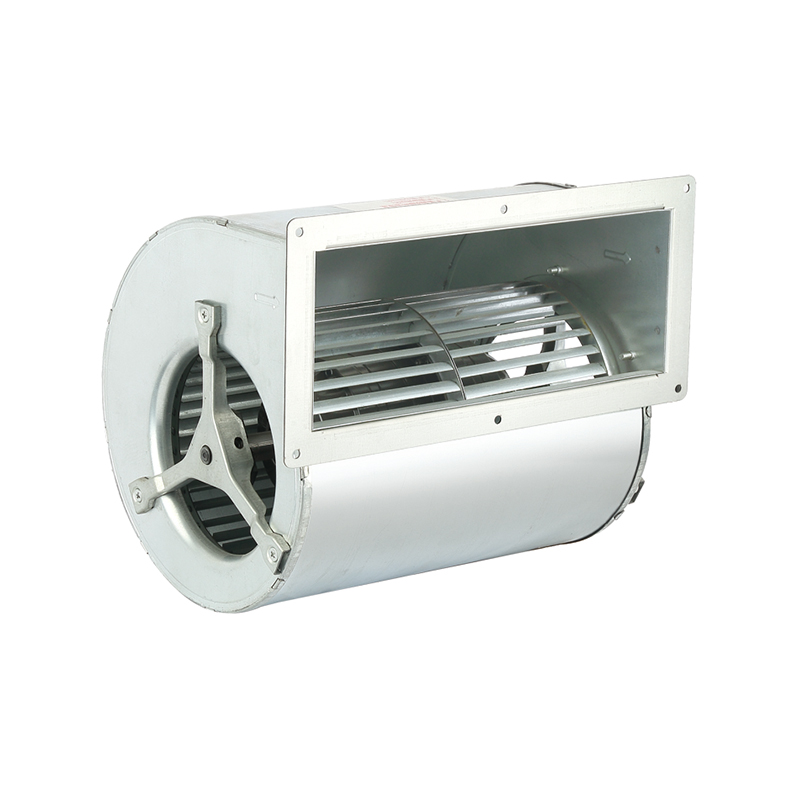
The DKT-133 Cooling Ventilation Double Inlet Air Conditioning Fan is d...
See Details
The DKT-146 Multi-Function Variable Frequency Double Inlet Air Conditi...
See Details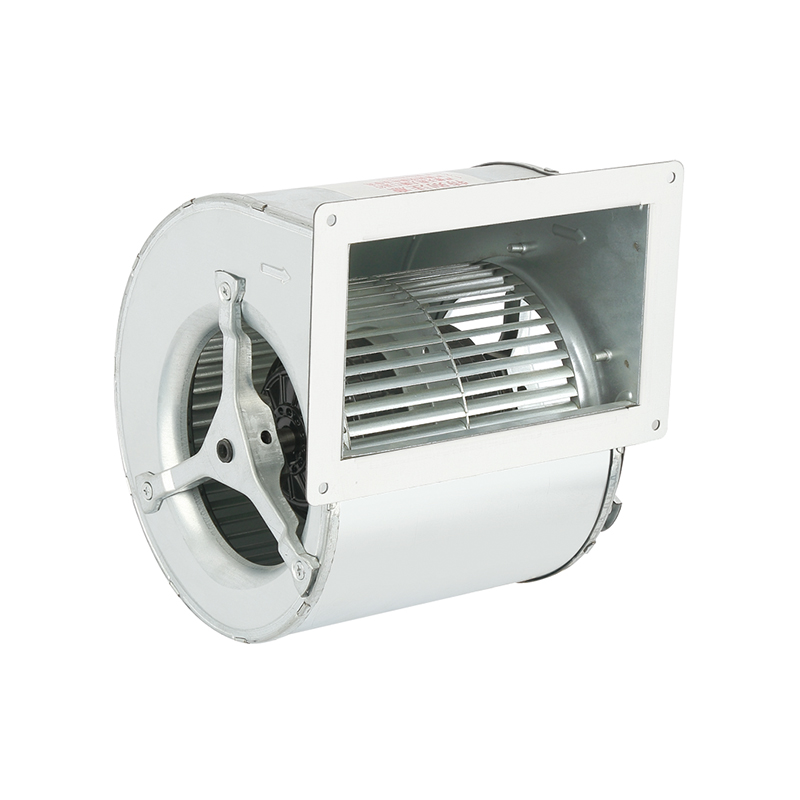
The DKT-160 Heat Dissipation Exhaust Double Inlet Air Conditioning Fan...
See Details
The DKT-180 Tilt Back Cool Down Double Inlet Air Conditioning Fan, a s...
See Details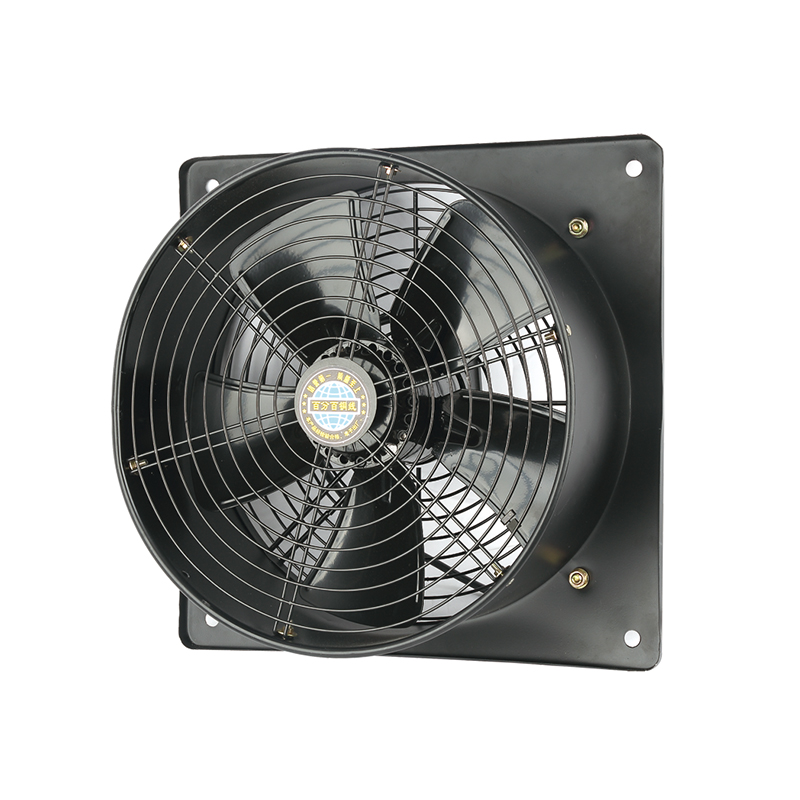
The YWF-400-2D2E Efficient Square form Axial fan is designed with a fo...
See Details
The YWF-350-2D2E Low noise Square form Axial Fan is designed with a co...
See Details
The YWF-350-4D4E Low vibration Square form Axial Fan is a outstanding ...
See Details
The YWF-400-4D4E Durable Square form Axial Fan is designed with advanc...
See Details
Qinlang focuses on providing high-quality products and considerate services, and is committed to meeting every expectation of our customers.
© Zhejiang Qinlang Electromechanical Co., Ltd.
Fans And Air-Cooling Equipment Factory
