 English
 русский
 عربى
عربى Español
Qinlang focuses on providing high-quality products and considerate services, and is committed to meeting every expectation of our customers.
The DKT-133 Cooling Ventilation Double Inlet Air Conditioning Fan is d...
See Details
Large ventilation spaces often feel inconsistent when air is checked in different positions. Standing near one side may feel mild movement, while another corner feels almost still.
Air does not behave evenly once the space becomes wide. Movement slows down after leaving active zones. Warm air tends to drift upward and remain near upper surfaces for longer periods. Lower areas keep cooler air that barely shifts without support.
Over time, air begins forming layers that do not mix on their own. Some sections feel heavier, some feel lighter, and some barely change.
High Speed Axial Fan becomes noticeable in these conditions because natural movement alone rarely keeps the entire space active.
Axial Flow Fan Manufacturer considerations usually appear when spaces reach a size where passive airflow no longer gives consistent results.
Mechanical airflow changes how air behaves inside a space. Instead of waiting for slow natural exchange, movement is introduced in a controlled direction.
High Speed Axial Fan pushes air forward in a straight path. Once movement begins, air no longer drifts randomly. It follows a visible direction across space.
Inside operation, airflow often repeats a simple cycle without interruption:
Axial Flow Fan Manufacturer design thinking usually focuses on what happens after air leaves the fan. Circulation continuity matters more than single airflow burst.
In larger environments, this repeated motion slowly reduces still-air pockets that remain untouched in natural conditions.
When rotation begins, surrounding air starts shifting almost immediately. Movement does not scatter in all directions. Instead, air is pushed along a defined axis.
High Speed Axial Fan produces airflow that feels steady rather than chaotic. The direction stays consistent as long as rotation continues.
Air movement inside the system can be noticed in three stages:
Axial Flow Fan Manufacturer design choices such as blade spacing and angle influence how smooth this transition feels during operation.
In large spaces, this forward movement slowly breaks stagnant zones that would otherwise remain unchanged for long periods.
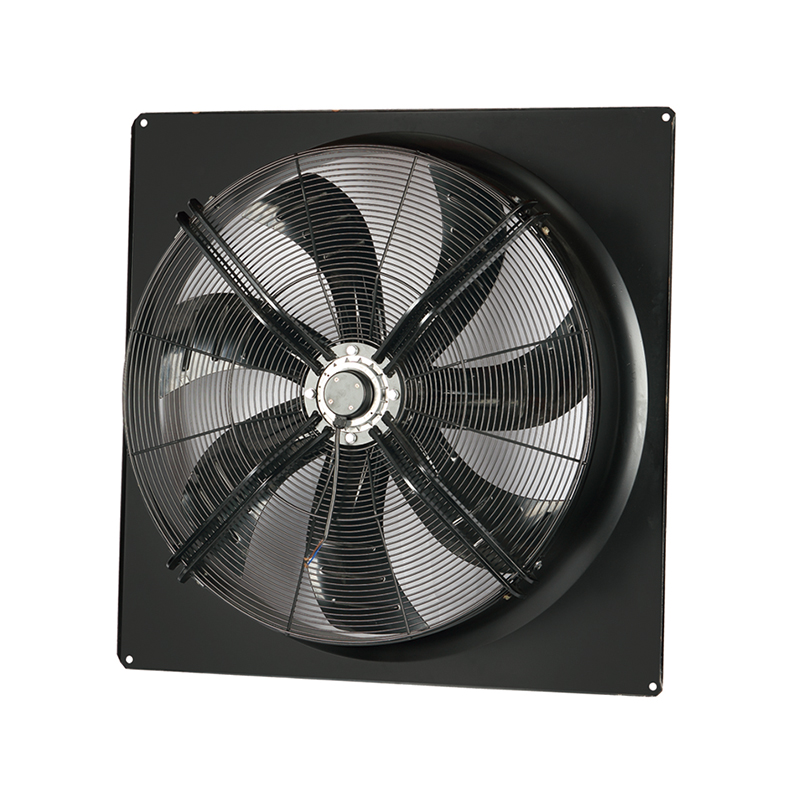
Large spaces hold a high volume of air, and that air does not replace itself quickly. Some sections remain unchanged, especially in areas far from natural airflow paths.
High Speed Axial Fan helps maintain movement across these zones. Air no longer stays fixed in one location for long durations.
Inside large environments, air tends to behave in loose layers:
Without movement support, these layers remain separated.
Axial Flow Fan Manufacturer design approach often takes this layering effect into account, especially in deep or tall spaces where vertical separation becomes stronger.
Once airflow is introduced, layer boundaries slowly start to blur through repeated movement.
Enclosed spaces change airflow behavior more clearly. Walls and ceilings limit natural movement paths. Air becomes slower and tends to circulate in restricted loops.
Common patterns appear naturally:
High Speed Axial Fan interrupts these patterns by pushing air through zones that remain inactive under natural conditions.
Axial Flow Fan Manufacturer design considerations often aim at reducing air pockets that form in hidden or blocked regions.
After airflow reaches these areas, circulation begins to feel more connected across the full space, even in distant corners.
Temperature inside large spaces rarely stays even. Heat rises slowly and collects near upper regions, while cooler air remains closer to ground level.
Axial Fan changes this behavior by moving air between layers instead of allowing separation to remain.
Airflow gradually creates mixing movement:
Axial Flow Fan Manufacturer design often considers vertical airflow reach, especially in environments where height plays a major role in temperature layering.
| Space Condition | Air Behavior Feeling | Layer Condition | Circulation Stability |
|---|---|---|---|
| Wide open space | Weak natural movement | Clear separation | Low stability |
| Enclosed space | Slow drifting flow | Strong layering | Uneven circulation |
| Semi-open space | Partial movement zones | Mixed layers | Moderate balance |
| Fan operating space | Directed airflow | Layer mixing | More consistent flow |
Airflow speed affects how quickly air moves through different parts of a space. Slow movement allows layers to remain unchanged for longer periods.
Axial Fan increases the rate at which air shifts position. Movement becomes more frequent across different zones.
Speed in this context is not about turbulence, more about how often air gets replaced inside each zone.
Placement of airflow equipment changes how air spreads. Even small differences in height or direction affect movement patterns.
Typical installation approaches include:
High Speed Axial Fan performance depends heavily on whether airflow direction matches space structure.
Manufacturer often considers how air exits into open space to avoid zones where flow weakens or collides.
After ventilation equipment runs for a long period, air inside the space rarely feels the same as when it started. Early airflow is easier to notice. Direction is clearer, movement is more direct.
As time passes, changes become less obvious. Air still moves, though not in the same sharp pattern. Some areas show steady flow, while others feel lighter circulation that comes and goes depending on position.
Axial Fan keeps pushing air forward during all these stages. What changes is not the fan itself, more the way surrounding air begins to respond to continuous movement.
Axial Flow Fan Manufacturer design thinking usually takes this delayed response into account, since large spaces do not react instantly as a whole.
In bigger ventilation environments, airflow rarely exists as a single stream. There are always small movements happening in different directions at the same time.
When High Speed Axial Fan operates, one main airflow direction becomes dominant. Smaller surrounding air movements slowly follow this direction instead of staying scattered.
In practice, airflow interaction often looks like:
Manufacturer layout considerations often aim to avoid unnecessary airflow collision, especially in wide or open structures.
Over time, scattered movement becomes more organized simply through repeated circulation.
Air close to the fan reacts quickly. That part of space shows movement almost immediately. Farther areas behave differently.
In large spaces, distant zones respond slowly. Air there does not stop moving completely, yet circulation feels weaker at first.
High Speed Axial Fan helps extend airflow reach by maintaining direction over longer distance. Air continues moving beyond the initial push area instead of dropping off sharply.
After some time, even remote corners begin to show light movement. It may feel mild, yet enough to prevent full stagnation.
Axial Flow Fan Manufacturer design often considers how airflow weakens across distance, especially in long structural layouts.
Temperature inside large spaces usually forms layers. Warm air stays higher, cooler air remains lower. Without movement, those layers stay separated.
When High Speed Axial Fan runs continuously, air starts shifting between these layers. The change is not immediate. It happens slowly through repeated circulation.
Warm air drifts downward in small amounts. Cooler air moves upward into circulating paths. Over time, separation becomes less sharp.
Axial Flow Fan Manufacturer design often considers vertical movement, since height difference plays a major role in how temperature layers form.
| Time in Operation | Air Movement Pattern | Layer Condition | Stability Feeling |
|---|---|---|---|
| Early stage | Clear directional flow | Strong separation | Stable but isolated |
| Mid stage | Mixed circulation zones | Partial blending | Moderate balance |
| Extended stage | Continuous airflow loops | Layer softening | More even spread |
| Long operation | Wide area movement | Weak separation | Connected circulation |
Every structure inside a space affects airflow. Columns, walls, or equipment placement all change how air travels.
Axial Fan does not remove these effects, it works around them. Air may split when meeting obstacles, then rejoin after passing through open areas.
Typical airflow behavior in structured space:
Manufacturer planning often considers these patterns during layout design to avoid weak airflow pockets forming behind obstacles.
Short airflow movement creates temporary comfort. Once it stops, air returns to uneven condition.
Continuous operation changes that behavior. High Speed Axial Fan keeps air in motion long enough for circulation patterns to settle across the entire space.
Even after strong airflow areas pass, weaker background movement remains in other zones. It is not strong, yet enough to prevent full stillness.
Manufacturer design focus often includes maintaining this background level of movement in large environments.
After long running time, large ventilation spaces do not feel fully uniform, yet they also do not stay static.
High Speed Axial Fan keeps air moving in a stable direction through the main zones. Surrounding areas follow more quietly, forming a wider circulation field.
Axial Flow Fan Manufacturer influence appears gradually, especially in how evenly air reaches different parts of the structure.
Over time, airflow feels less like separate streams and more like a continuous movement passing through the entire space.
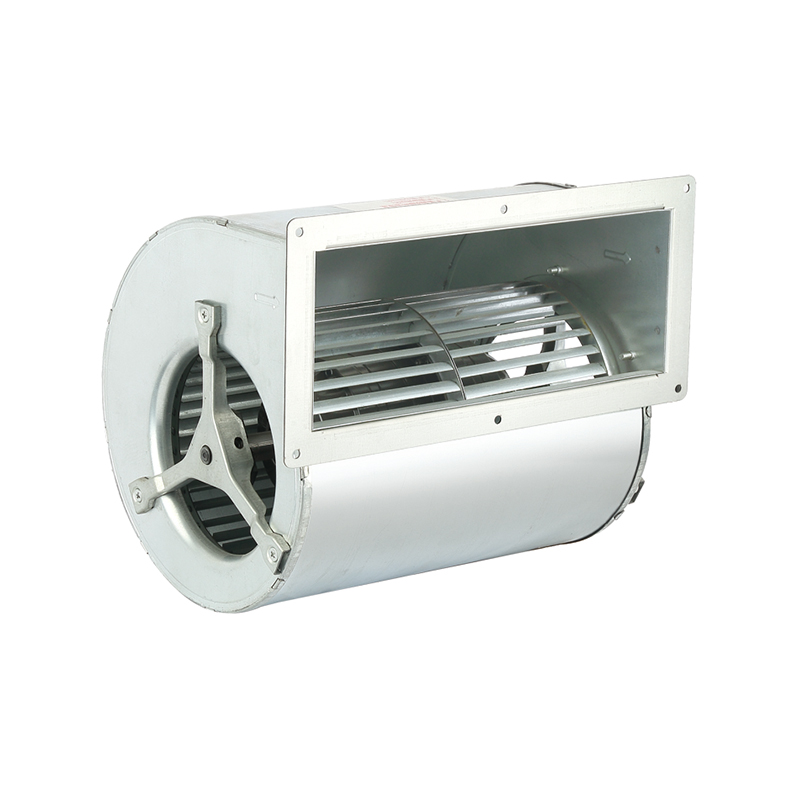
The DKT-133 Cooling Ventilation Double Inlet Air Conditioning Fan is d...
See Details
The DKT-146 Multi-Function Variable Frequency Double Inlet Air Conditi...
See Details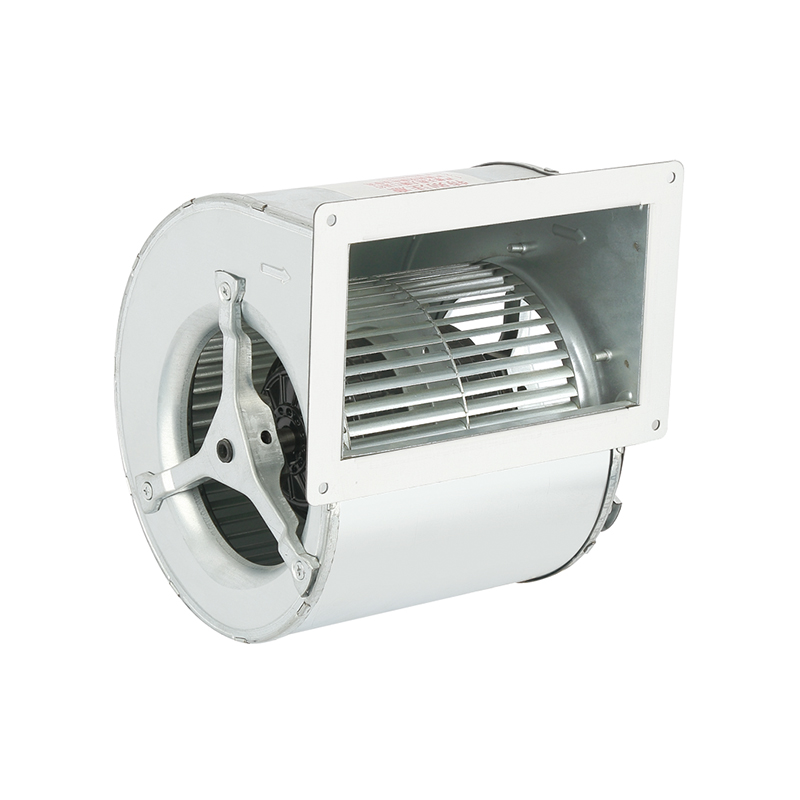
The DKT-160 Heat Dissipation Exhaust Double Inlet Air Conditioning Fan...
See Details
The DKT-180 Tilt Back Cool Down Double Inlet Air Conditioning Fan, a s...
See Details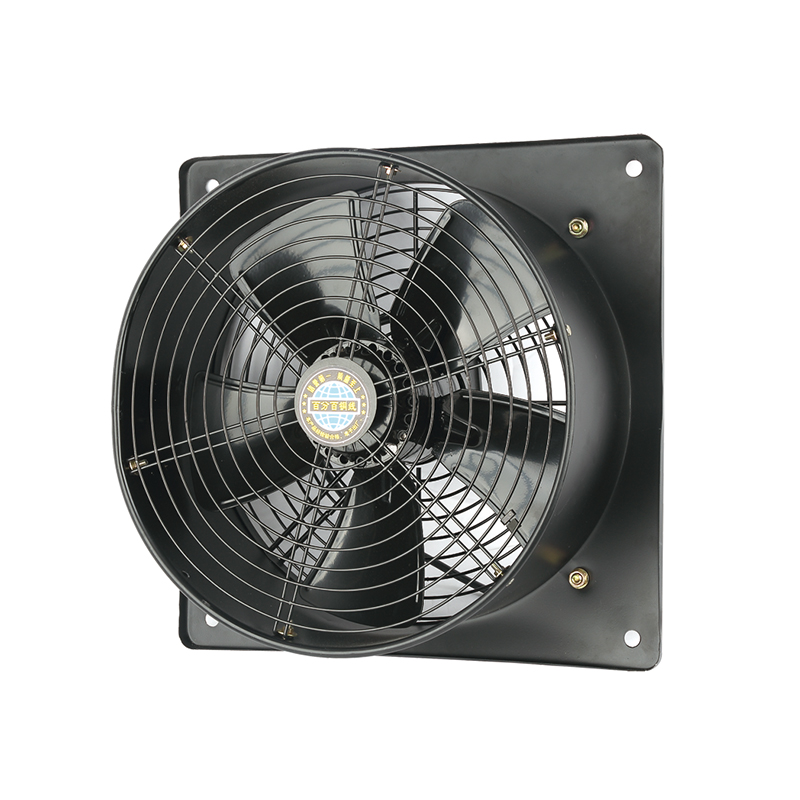
The YWF-400-2D2E Efficient Square form Axial fan is designed with a fo...
See Details
The YWF-350-2D2E Low noise Square form Axial Fan is designed with a co...
See Details
The YWF-350-4D4E Low vibration Square form Axial Fan is a outstanding ...
See Details
The YWF-400-4D4E Durable Square form Axial Fan is designed with advanc...
See Details
Qinlang focuses on providing high-quality products and considerate services, and is committed to meeting every expectation of our customers.
© Zhejiang Qinlang Electromechanical Co., Ltd.
Fans And Air-Cooling Equipment Factory
