 English
 русский
 عربى
عربى Español
Qinlang focuses on providing high-quality products and considerate services, and is committed to meeting every expectation of our customers.
The DKT-133 Cooling Ventilation Double Inlet Air Conditioning Fan is d...
See Details
Air in a home is rarely completely still. Heat from people, small temperature differences between rooms, and even window gaps keep it moving in slow patterns. Most of the time, this movement is not noticed, yet it affects how a room feels during rest, sleep, or daily activity.
A Low Noise Axial Fan is often used to guide this quiet movement. The goal is not strong wind, more about keeping air from sitting in one place too long. When air stays trapped, corners of a room feel heavier, sometimes slightly stale. Gentle circulation helps reduce that feeling without changing the character of the space.
Different rooms show different needs. A bedroom needs calm air with almost no disturbance. A living room handles mixed activity, so airflow needs to spread more evenly. Kitchens often need quicker air exchange because heat and odors build faster.
Common residential airflow expectations:
Sound matters more in homes than in many other places. A small change in fan noise can stand out during quiet moments. That is why Low Noise Axial Fan use is often linked with comfort rather than just ventilation.
Noise in axial airflow systems does not come from a single point. It builds through several small interactions happening at once. Air touches rotating blades, pressure shifts form around edges, and vibration moves through the structure.
One part comes from air disturbance. When airflow does not pass evenly across blade surfaces, small swirling zones appear. These zones are not visible, yet they turn into sound during continuous rotation.
Another part comes from mechanical movement. Every rotating motor has slight vibration. When balance is not perfectly even, that vibration travels into the housing and spreads into the room.
Mounting conditions also matter. A fan fixed tightly to a wall or ceiling can pass vibration directly into the structure. Over time, that structure can carry sound further than expected.
Typical noise sources in axial systems:
Axial Flow Fan Manufacturer design work usually tries to reduce these small sources together, since sound in residential use often comes from combined effects rather than one clear cause.
Blade shape has a strong influence on how air behaves after entering the fan. Every curve changes how air is guided forward. When airflow stays smooth, resistance is lower, and sound tends to stay softer.
Blade angle plays a key role. A sharper angle pushes air forward more directly. A softer angle allows air to move with less disturbance. Both forms appear in different use conditions depending on room size and airflow demand.
Surface quality also matters. Smooth surfaces help air pass without breaking into uneven patterns. Small rough areas can disturb airflow slightly, which later becomes sound variation.
| Blade Condition | Air Behavior | Room Effect |
|---|---|---|
| Steeper angle | Strong push forward | Faster air change, more movement feeling |
| Moderate angle | Balanced flow | Even circulation in room |
| Smooth surface | Less disturbance | Quieter air movement |
| Rough surface | Small turbulence | Noticeable sound change |
Low Noise Axial Fan design often focuses on steady airflow instead of only air volume. In residential spaces, smooth movement usually feels more natural than strong airflow.
Motor rotation sets the base for everything that follows in a fan system. If rotation stays steady, airflow remains smooth. If rotation has small variation, sound and vibration become easier to notice.
Stable motion means the motor turns with consistent rhythm. No sudden change in speed, no uneven pulses. That consistency helps blades move air in a more uniform pattern.
Heat inside the motor slowly changes conditions during long use. When internal balance holds, performance stays steady. When imbalance appears, vibration may increase slightly, and that change can travel outward.
Motor stability usually reflects in:
Axial Flow Fan Manufacturer design attention often goes toward aligning motor and blade balance, since small irregularity can become noticeable in quiet residential environments.
Placement inside a home can change how a Low Noise Axial Fan feels during use. The same unit can behave differently depending on where it is installed and what surrounds it.
Room layout plays a quiet role. Furniture, walls, and corners guide air movement in different directions. Some areas receive stronger circulation, while others remain softer in airflow.
Mounting position also affects sound perception. A fan closer to sleeping or sitting areas may feel more present, even when operation stays steady. Distance and direction shape how airflow and sound spread.
Environmental factors often include:
Small adjustments in position sometimes change comfort more than expected. A slight shift in angle or height can alter how air moves through a room without changing the fan itself.
After a Low Noise Axial Fan is placed into a home, the room itself starts to take part in how it works. Air does not move in a straight line from the device into empty space. It meets walls, furniture, corners, and slow air pockets that already exist inside the room.
A narrow installation spot often changes airflow without notice. Air reaches a wall earlier, then spreads sideways instead of moving forward. In a more open ceiling or corridor space, air keeps its direction longer before turning back into circulation.
Mounting contact also changes how sound travels. A hard surface can pass small vibration into the building structure. That vibration does not always feel strong near the fan, yet it can appear later as a soft background tone in another part of the room.
Common environment effects include:
Even small changes in position can shift comfort. A slight turn of direction sometimes changes how air reaches a sitting area or sleeping corner, without any change in the fan itself.
Air in a room does not behave as one uniform mass. It forms layers and small zones with different movement levels. Some parts feel active, others feel still, even when a fan is running.
A Low Noise Axial Fan helps reduce that uneven feeling by keeping airflow steady instead of pushing strong bursts. When air enters and leaves in a controlled rhythm, the room feels more even, even if movement is not obvious to the eye.
Pressure imbalance usually shows quietly. One corner may feel slightly closed, another may feel fresher. That difference often comes from how air spreads, not just how much air is produced.
Comfort patterns often include:
Axial Flow Fan Manufacturer design work often focuses on shaping airflow so it does not concentrate in one direction too strongly. In home use, balanced pressure tends to feel more natural than forceful airflow.
Vibration starts small inside rotating parts, then travels outward through structure. In quiet rooms, even low vibration can become part of background sound, especially during night or rest periods.
Inside the fan, rotation is never perfectly static. Slight imbalance creates tiny movement shifts. Those shifts pass into the housing, then into the wall or ceiling where the fan is fixed.
Over time, vibration may change how the system feels. Not suddenly, more like a slow shift in background sound or airflow smoothness.
Typical vibration behavior in home systems:
Axial Flow Fan Manufacturer design often tries to spread force evenly across internal parts so vibration does not gather in one area. When balance is steady, the system feels calmer in quiet environments.
Homes today are used in a more mixed way than before. One space may shift between resting, working, and daily activity within a single day. Air systems need to stay stable through those changes without becoming noticeable.
A Low Noise Axial Fan is often expected to run for long periods while staying in the background. Air movement becomes part of the environment rather than something that demands attention.
Common residential expectations include:
Axial Flow Fan Manufacturer direction often follows this pattern, focusing more on steady behavior than strong output changes. The aim is to match how people actually live inside shared indoor spaces.
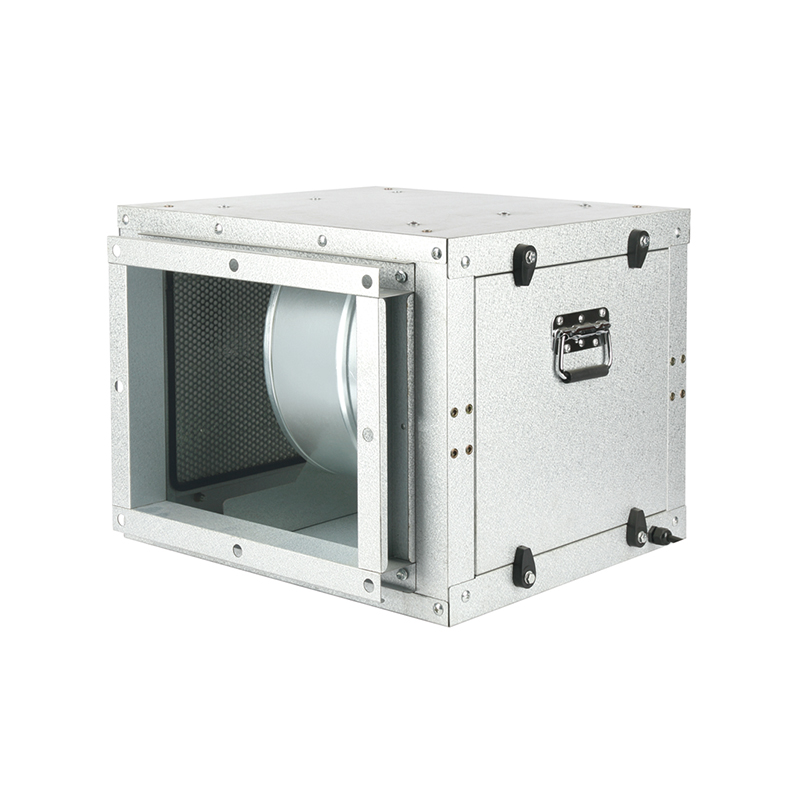
Design for home airflow systems is slowly shifting toward smoother and quieter behavior. Instead of focusing only on moving air, attention moves toward how air passes through the system and how little disturbance it creates.
Blade shape adjustments help reduce uneven air contact. Motor balance keeps rotation steady for longer periods. Housing design guides airflow more evenly and reduces small pressure changes that can turn into noise.
Current design direction often includes:
In residential settings, airflow is not usually the focus of attention. When it stays stable and quiet, it blends into daily life without drawing notice, which is often where comfort naturally forms.
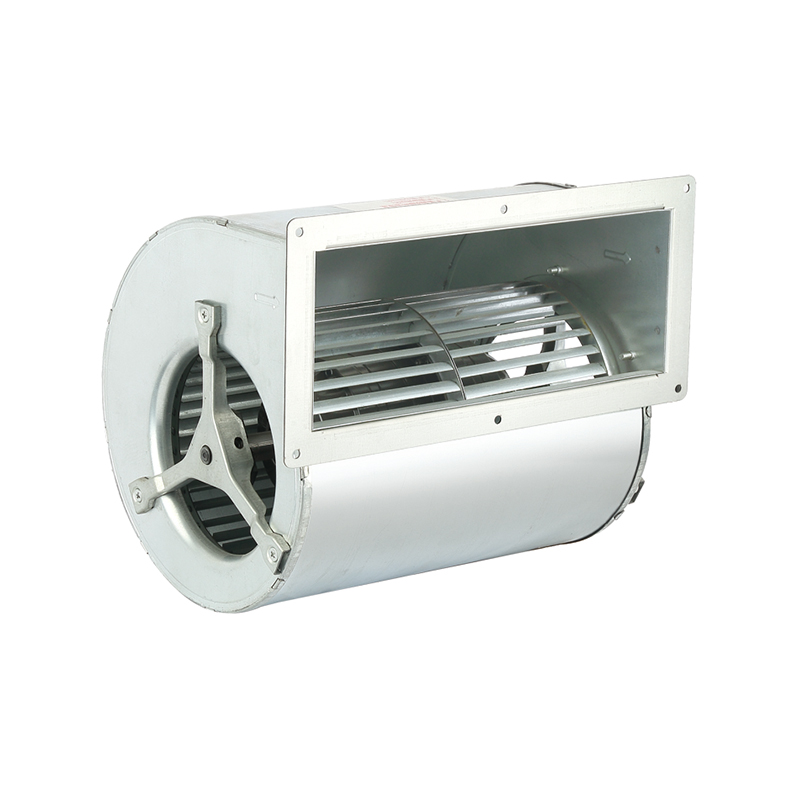
The DKT-133 Cooling Ventilation Double Inlet Air Conditioning Fan is d...
See Details
The DKT-146 Multi-Function Variable Frequency Double Inlet Air Conditi...
See Details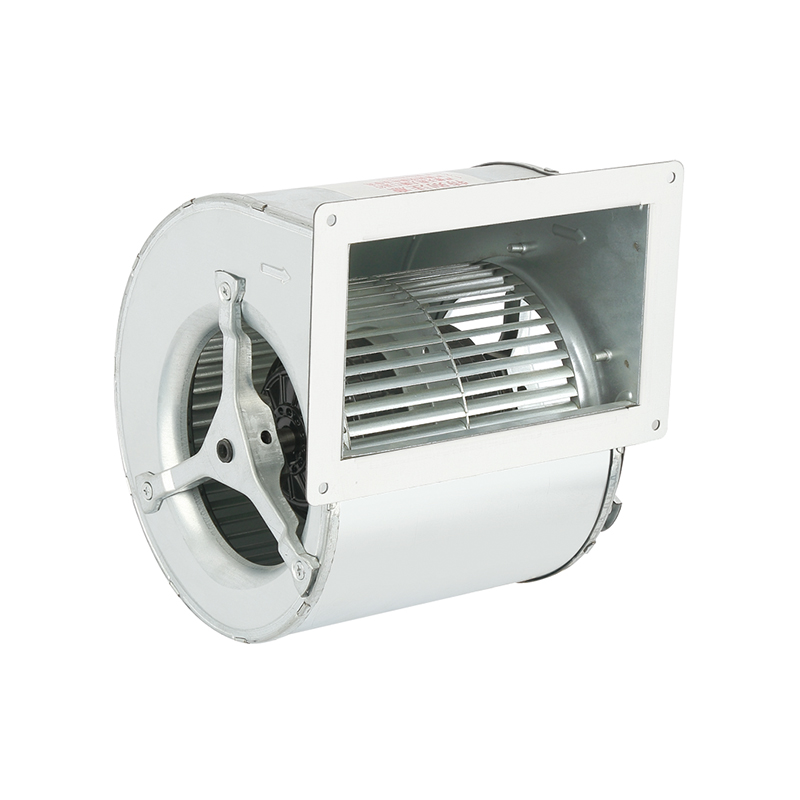
The DKT-160 Heat Dissipation Exhaust Double Inlet Air Conditioning Fan...
See Details
The DKT-180 Tilt Back Cool Down Double Inlet Air Conditioning Fan, a s...
See Details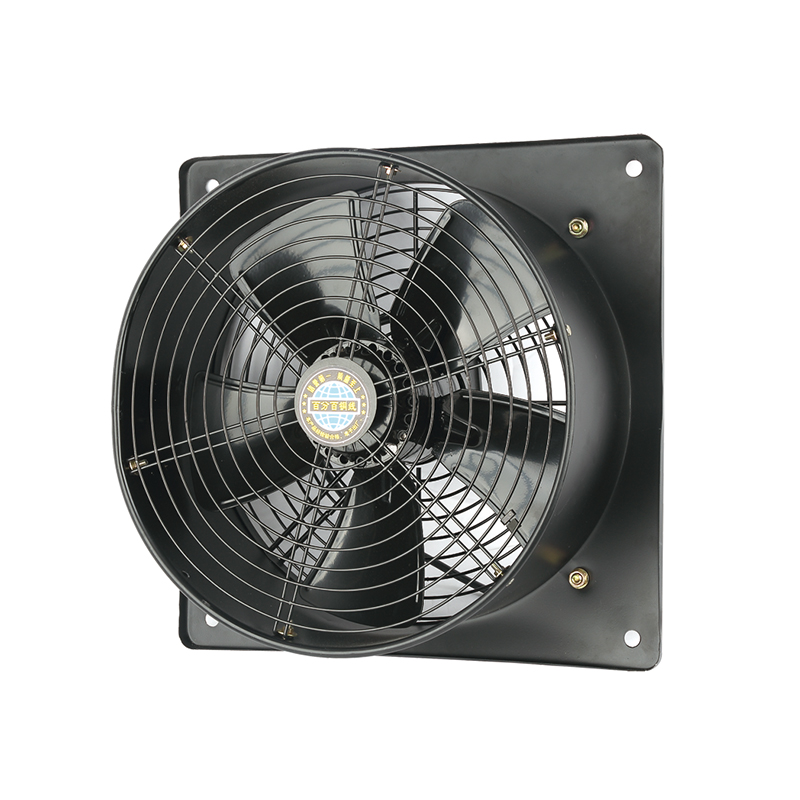
The YWF-400-2D2E Efficient Square form Axial fan is designed with a fo...
See Details
The YWF-350-2D2E Low noise Square form Axial Fan is designed with a co...
See Details
The YWF-350-4D4E Low vibration Square form Axial Fan is a outstanding ...
See Details
The YWF-400-4D4E Durable Square form Axial Fan is designed with advanc...
See Details
Qinlang focuses on providing high-quality products and considerate services, and is committed to meeting every expectation of our customers.
© Zhejiang Qinlang Electromechanical Co., Ltd.
Fans And Air-Cooling Equipment Factory
